New York, NY – [Date of Publication] – The recently concluded FIFA World Cup 2026, hosted across the United States, has not only been a spectacle of athletic prowess but also a profound demonstration of modern telecommunications infrastructure at its zenith. Verizon, serving as the Official Telecommunications Services Sponsor, has revealed the staggering scale of its network’s performance, carrying an astonishing nearly 500 terabytes (TB) of data across all host stadiums throughout the tournament. This monumental data volume underscores the unparalleled demand for mobile connectivity generated by the global sporting event, pushing the boundaries of what was previously considered possible.
The sheer magnitude of this data traffic is difficult to comprehend. To contextualize, 500 terabytes is equivalent to streaming high-definition video continuously for more than 30 years. This figure serves as a powerful testament to the billions of interactions, uploads, and communications that occurred as fans from around the globe converged to celebrate the beautiful game. From instant social media updates and high-quality video sharing to real-time score checking and immersive augmented reality experiences, the digital footprint of the FIFA World Cup 2026 was immense, and Verizon’s network served as its vital conduit.
The tournament’s final match alone proved to be a peak moment for data consumption, generating a remarkable 29.2 TB of traffic on Verizon’s network. This surge was particularly evident during the halftime show, where uplink traffic experienced a dramatic increase of nearly 70 percent. This spike was driven by the collective desire of fans to capture and share their exhilarating experiences, from electrifying fan reactions and panoramic stadium views to candid moments with friends and family. The ability of Verizon’s network to not only handle but thrive under such intense, localized pressure highlights the robust engineering and strategic planning that went into its preparation.
A Network Re-Engineered for Global Spectacle
Verizon’s commitment to the FIFA World Cup 2026 extended far beyond standard network operations. As the official sponsor, the company undertook a significant and proactive infrastructure overhaul, tripling to quintupling network capacity across every U.S. host stadium. This strategic expansion was crucial to accommodate the influx of millions of connected devices and the exponential rise in mobile data usage that accompanies such a high-profile event. The goal was to ensure seamless connectivity for every attendee, regardless of their location within the stadium or their data consumption habits.
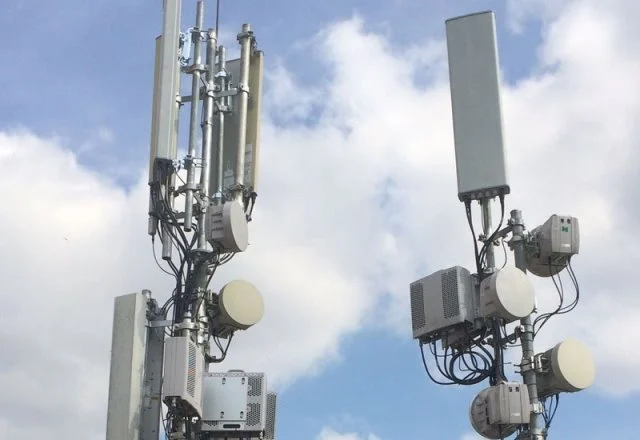
The deployment of advanced antenna technology was a cornerstone of Verizon’s in-stadium strategy. Thousands of meticulously concealed antennas were integrated beneath spectator seats, ensuring discreet yet potent signal coverage for fans in lower tiers. For those in the upper seating sections, large, ball-shaped antennas were strategically positioned to provide optimal signal reach. This dual-pronged approach addressed the unique challenges of stadium acoustics and crowd density, guaranteeing a consistent and high-quality mobile experience for all.
Beyond traditional Wi-Fi and cellular services, Verizon leveraged cutting-edge technology to enhance the fan experience. The implementation of a Private 5G network was a groundbreaking initiative, most notably powering the innovative Lenovo Referee View body cameras. This technology allowed fans worldwide to gain an unprecedented on-field perspective, immersing them in the game as if they were a part of the referee’s on-field experience. This integration of advanced networking with the core sporting event offered a glimpse into the future of sports broadcasting and fan engagement.
Expanding Connectivity Beyond the Stadium Gates
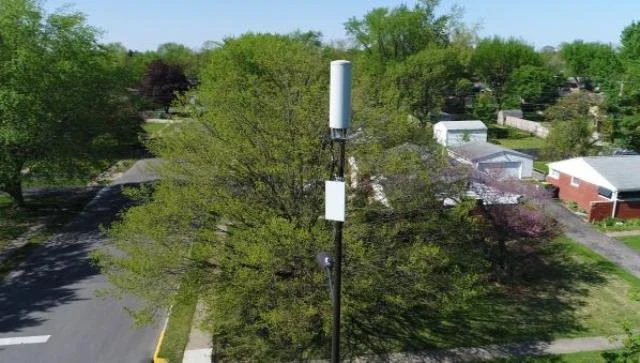
Verizon’s network expansion efforts were not confined to the boundaries of the stadiums. Recognizing that the tournament’s connectivity demands extended to surrounding areas, the company proactively enhanced infrastructure in critical public spaces. This included the deployment of nearly 140 small-cell projects and temporary cell sites strategically located to support bustling transportation hubs, vibrant FIFA Fan Festivals, and numerous public watch parties. This comprehensive approach ensured that visitors and locals alike could rely on stable and high-performance mobile services throughout their tournament experience, fostering a connected and engaged atmosphere across host cities.
The Backbone of Global Broadcast: A Digital Transport Network of Epic Proportions
The FIFA World Cup 2026 is a global phenomenon, and its reach is amplified through international broadcasting. Verizon played a pivotal role in facilitating this global dissemination by constructing a dedicated digital transport network that served every FIFA broadcast originating from the 16 stadiums across three countries. This undertaking involved an immense addition of 80,000 miles of fiber optic cable – a length sufficient to circumnavigate the Earth more than 3.2 times.
This high-capacity fiber backbone was engineered to deliver every camera feed with absolute precision, ensuring zero latency and no frame drops. This critical infrastructure fed directly into FIFA’s International Broadcast Center, from where the content was distributed to billions of viewers worldwide. The reliability and performance of this network were paramount, as any disruption or degradation in signal quality would have impacted the viewing experience for a vast global audience. Verizon’s meticulous planning and execution in this domain were instrumental in bringing the excitement of the World Cup to every corner of the globe.
A Lasting Legacy: Investing in the Future of Host Cities
The infrastructural investments made by Verizon for the FIFA World Cup 2026 are not ephemeral; they are designed to provide enduring benefits to the host cities long after the final whistle has blown. The permanent network upgrades and the expanded 5G coverage deployed across these regions will continue to serve local residents and businesses, offering faster, more reliable, and more ubiquitous connectivity. This commitment to post-tournament infrastructure enhancement underscores Verizon’s long-term vision of fostering digital inclusion and driving economic growth through advanced telecommunications.
Financial Commitment and Strategic Network Evolution
Verizon’s robust performance during the FIFA World Cup 2026 is underpinned by a significant and ongoing commitment to capital expenditures. In the first quarter of 2026 alone, the company invested $4.2 billion in capital expenditures, a testament to its unwavering dedication to its network investment program. This consistent spending across both wireless and fiber infrastructure demonstrates a strategic focus on enhancing and expanding its core capabilities.
The company has reaffirmed its full-year 2026 capital expenditure guidance of $16.0 billion to $16.5 billion. This significant investment is not indicative of an increase in overall spending levels but rather a reflection of the company’s continued strategic allocation of resources towards critical network expansion initiatives. This disciplined approach ensures that Verizon remains at the forefront of technological advancement, capable of meeting the evolving demands of its customers and supporting major global events like the FIFA World Cup.
Verizon’s capital investments are strategically channeled into several key areas:
- Expanding Fiber Infrastructure: The continuous build-out of fiber optic networks is fundamental to increasing bandwidth, reducing latency, and providing a robust foundation for future wireless technologies.
- Accelerating 5G Mobility Network Deployment: Verizon is aggressively expanding its 5G footprint, bringing its advanced capabilities to more users and enterprises, enabling new applications and services.
- Increasing Network Capacity: Proactive capacity increases are essential to handle growing data traffic and ensure optimal performance, especially during peak demand periods.
- Integrating Acquired Assets: The strategic integration of assets acquired through acquisitions, such as the Frontier Communications transaction, allows Verizon to consolidate and optimize its network, offering enhanced services and broader coverage.
Driving Innovation Through Spectrum and Advanced Technologies
Beyond physical infrastructure, Verizon is actively investing in maximizing the value of its wireless spectrum assets. This includes bringing its C-Band and millimeter wave spectrum into commercial service, unlocking significant potential for faster speeds and greater capacity. This strategic deployment of spectrum is crucial for delivering enhanced mobile broadband experiences and supporting the burgeoning demand for data-intensive applications.
Furthermore, Verizon’s capital spending extends to the crucial realm of advanced IT systems and data platforms. These investments are vital for improving network automation, enhancing operational efficiency, and ultimately delivering a superior customer experience. By leveraging sophisticated data analytics and intelligent automation, Verizon is able to proactively manage its network, predict potential issues, and ensure a seamless and reliable service for its customers. This forward-thinking approach positions Verizon not just as a telecommunications provider, but as a technology innovator shaping the future of connectivity.
By Baburajan Kizhakedath