Executive Summary: A New Era of Aerospace Diplomacy
The Farnborough International Airshow, the perennial heartbeat of the global aerospace industry, returned in July 2026 with a distinct shift in focus. While the event has historically served as a marketplace for commercial aviation and defense procurement, the 2026 iteration marked a definitive transition toward a new security paradigm. At the center of the discourse is the Global Combat Air Programme (GCAP), the ambitious trilateral project between the United Kingdom, Italy, and Japan to develop a sixth-generation fighter aircraft.
As the show progressed, the narrative shifted from technical specifications to geopolitical posturing. With Canada signaling a growing appetite to join the GCAP framework and the United States government—represented by a high-level Commerce Department delegation—expressing measured concern over the future of industrial exclusivity, the 2026 airshow served as a theater for the future of international defense cooperation.
Chronology: The Pulse of the Show
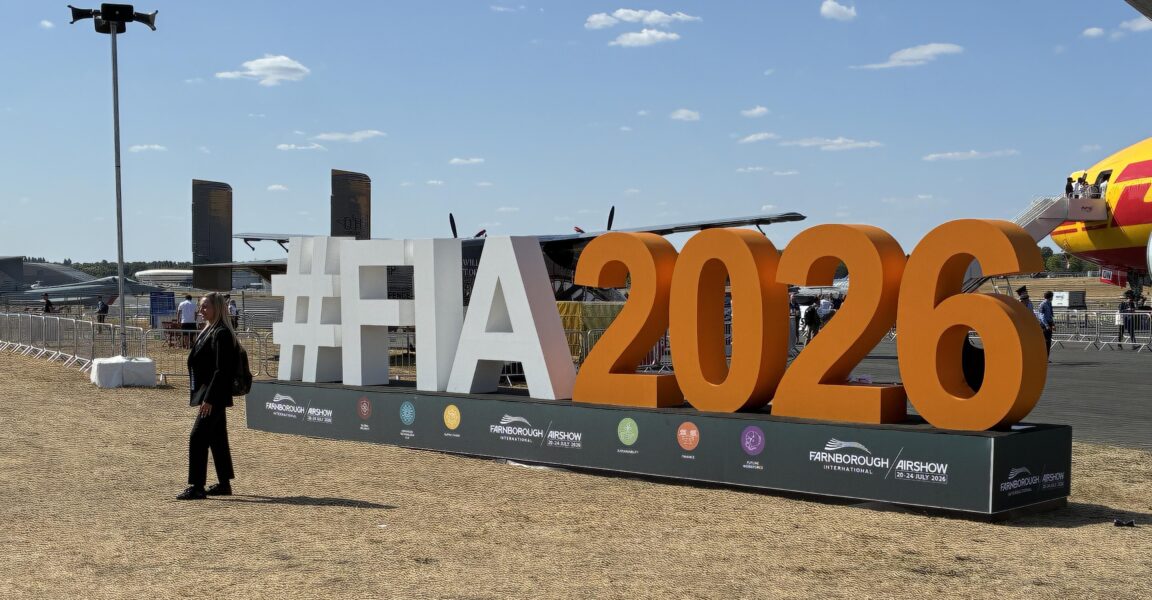
The airshow began on July 20, 2026, amidst a flurry of logistics and the high-energy anticipation characteristic of the event.
Day 1: The Foundation of Future Tech
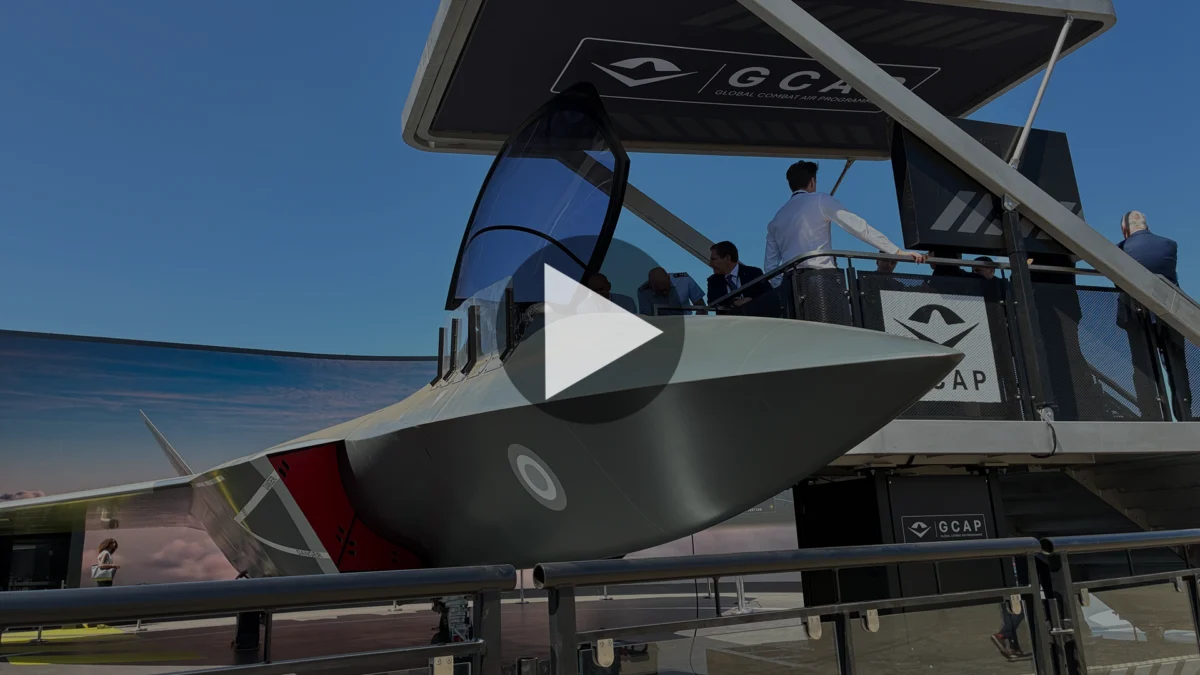
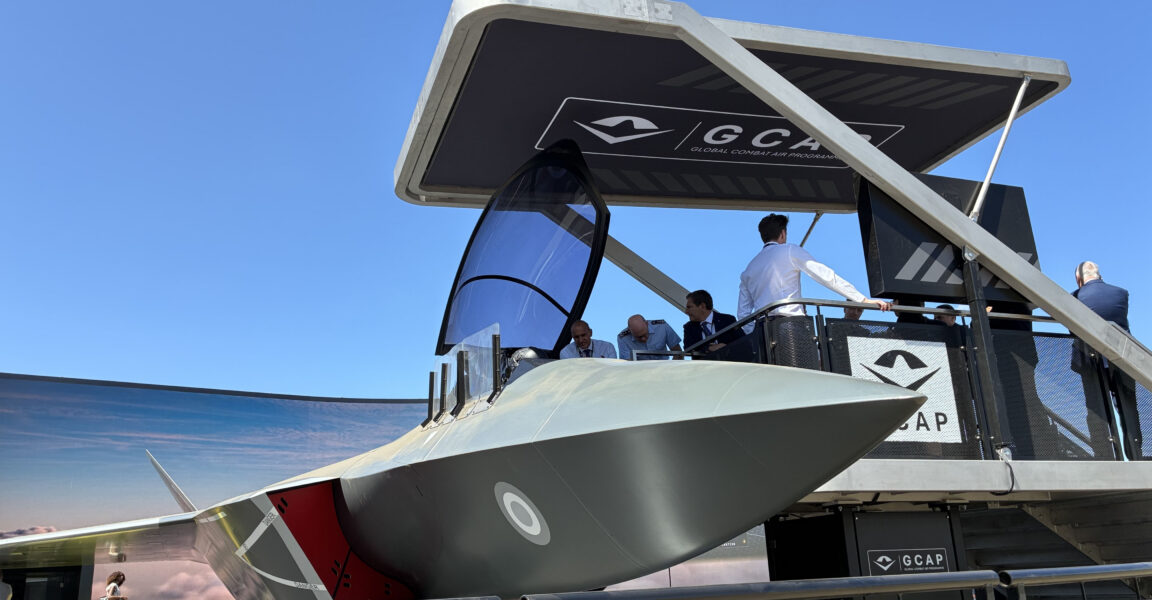
The opening day was dominated by the unveiling of advanced models, most notably the GCAP cockpit demonstrator. VIPs were invited to sit within the conceptual interface, providing a tangible look at what the future of air combat might feel like for pilots. The atmosphere was one of rapid industrial mobilization, with workers putting the final touches on exhibits as the gates opened to the public.
Day 2: The Diplomatic Undercurrents
By the second day, the focus shifted toward the strategic implications of the project. Breaking Defense Editor-in-Chief Aaron Mehta and Europe Editor Elisabeth Gosselin-Malo spearheaded the analysis, noting that Canada’s potential inclusion in the GCAP is no longer a matter of mere speculation. The discussions surrounding Canada’s interest highlighted the increasing trend of "security-bloc" aerospace manufacturing, where nations look to deepen ties through shared developmental costs and intellectual property.
Days 3-5: Integration and Innovation
The latter half of the week moved toward the integration of unmanned systems. The presence of General Atomics, showcasing their "Collaborative Combat Aircraft" (CCA) or "drone wingman" models, underscored that the sixth-generation fighter will not fly alone. The partnership between MBDA and General Atomics to integrate the SPEAR miniature cruise missile onto MQ-9B and Gambit 6 platforms served as a practical example of how current weapons systems are being adapted for the high-intensity, autonomous-heavy environments of the next decade.
Supporting Data: The Industrial Landscape
The 2026 airshow was not merely about government-to-government agreements; it was an exhibition of the diverse supply chain and technological breadth sustaining the industry.
Key Aircraft and Technological Exhibits
- The GCAP Model: The primary focal point of the show, representing a departure from traditional fighter design toward an AI-integrated, high-connectivity platform.
- General Atomics CCA: A visual representation of the "loyal wingman" concept, which is currently the subject of intense R&D within the U.S. Air Force and its international partners.
- Saab JAS-39 Gripen: Displayed with a unique, high-visibility livery, the Gripen continues to represent the pinnacle of European agile fighter design.
- Electric Aviation: Beta Technologies’ ALIA electric aircraft served as a reminder that the aerospace sector is under significant pressure to decarbonize, even as defense contractors push for more carbon-intensive combat capabilities.
- Transport Powerhouses: The presence of the Airbus A-400M and the Embraer C-390 Millennium highlighted the ongoing demand for versatile, multi-role tactical airlifters capable of supporting dispersed operations.
Official Responses and Strategic Implications
The most significant tension at Farnborough 2026 centered on the U.S. government’s stance on the evolving GCAP alliance.

Washington’s Measured Concern
The presence of U.S. Commerce Department officials was interpreted by industry analysts as a signal of Washington’s concern regarding the potential exclusion of U.S. industry from critical European-Japanese defense loops. For decades, the U.S. has been the primary provider of air combat capabilities to allies. However, the rise of the GCAP represents a potential shift toward regional self-sufficiency.
"The U.S. is navigating a delicate balance," noted Aaron Mehta during his daily briefing. "Washington wants to encourage allied capability, but it is wary of the proliferation of ‘walled garden’ ecosystems that could limit interoperability or displace U.S. contractors from the global market."
Canada’s Strategic Calculus
For Canada, the motivation for joining GCAP is twofold: industrial survival and strategic relevance. By partnering with the UK, Italy, and Japan, Canada hopes to secure a seat at the table for next-generation systems, ensuring its domestic aerospace industry remains integrated into the global supply chain. The move suggests a pivot away from an exclusive reliance on U.S. military-industrial channels, a trend that may become more pronounced in the late 2020s.
Analysis: The Future of Global Air Power
The Farnborough 2026 Airshow provided a microcosmic view of the challenges facing the global defense industry in the latter half of the decade.
The Shift Toward Autonomous Integration
The collaboration between MBDA and General Atomics is perhaps the most telling data point of the show. The transition from standalone platforms to integrated "system-of-systems" architectures is now the primary objective for every major player in the field. The ability to deploy a SPEAR missile from an unmanned platform like the Gambit 6 suggests that the air combat of 2030 will rely heavily on sensor fusion and autonomous target acquisition.
The Geopolitical Reconfiguration
The "GCAP vs. U.S. influence" dynamic will be the defining story of the next few years. As European nations and Japan seek to reduce their dependence on American supply chains—often due to concerns over future U.S. political volatility—we are seeing the formation of a "multipolar" defense-industrial complex. While this may increase the resilience of allied forces, it poses a significant challenge to the NATO-wide standardization that has defined the post-Cold War era.

Sustainability and the Dual-Use Dilemma
It is important to note the juxtaposition between the high-octane defense displays and the burgeoning electric aviation sector. While the defense contractors showed off lethal, autonomous, and long-range systems, the commercial side of the show was dominated by the search for sustainable flight. This highlights the "dual-use dilemma": the industry is being pulled in two directions—the need for extreme efficiency and sustainability in the civilian sector, and the need for extreme power, speed, and lethality in the defense sector.
Conclusion: Lessons from the Tarmac
As the dust settled on the Farnborough airfield, the takeaway was clear: the aerospace industry is entering a period of profound restructuring. The 2026 show was not just a venue for product launches; it was a summit of strategic realignment.

For the observer, the image of a guest posing in front of the GCAP model captures the essence of the event. It is a moment of transition where the old guard of aerospace, represented by traditional airframes and heavy transport, is being overshadowed by the quiet, digital revolution of AI-driven combat, collaborative unmanned systems, and the complex, shifting web of international defense partnerships.
Whether these partnerships will lead to a more secure global order or a fractured landscape of competing defense "blocks" remains to be seen. What is certain, however, is that the decisions made in the halls and on the tarmac at Farnborough 2026 will dictate the nature of air power for the next forty years. As Breaking Defense continues its coverage throughout the year, the focus will remain on the intersection of these industrial ambitions and the harsh, unpredictable realities of the modern geopolitical climate. The sky, it seems, is no longer the limit—it is the frontline.