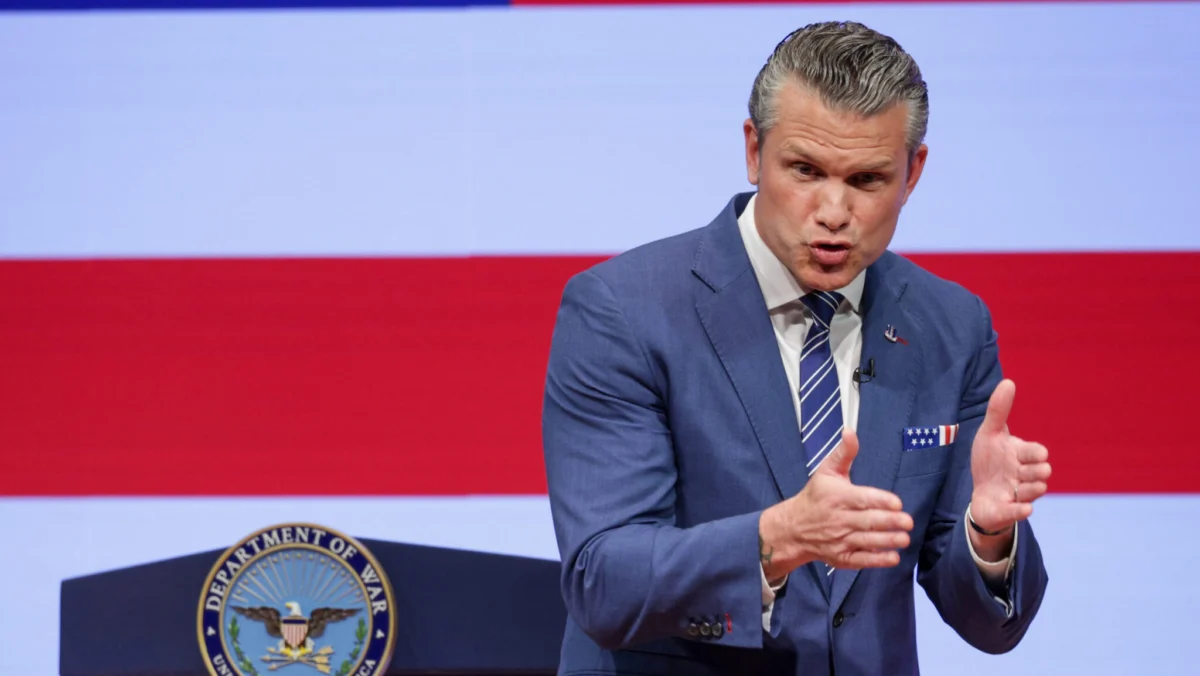
WASHINGTON — In a sweeping address delivered at the Marine Corps Base in Quantico, Virginia, Defense Secretary Pete Hegseth unveiled a radical vision for the future of the U.S. military, characterized by an aggressive pivot toward autonomous warfare and a continued, controversial purge of the Pentagon’s senior officer corps.
The "State of the Force" speech served as a manifesto for a department in transition, signaling that the era of traditional, manpower-heavy force structures is rapidly giving way to a leaner, tech-integrated, and highly automated future. Central to this vision is the creation of a new four-star combatant command—the Autonomous Warfare Command (AUTOWARCOM)—and the formation of "Project Meridian," a high-level strategic council tasked with defining the next frontier of national security.
The Genesis of AUTOWARCOM: A New Pillar of Defense
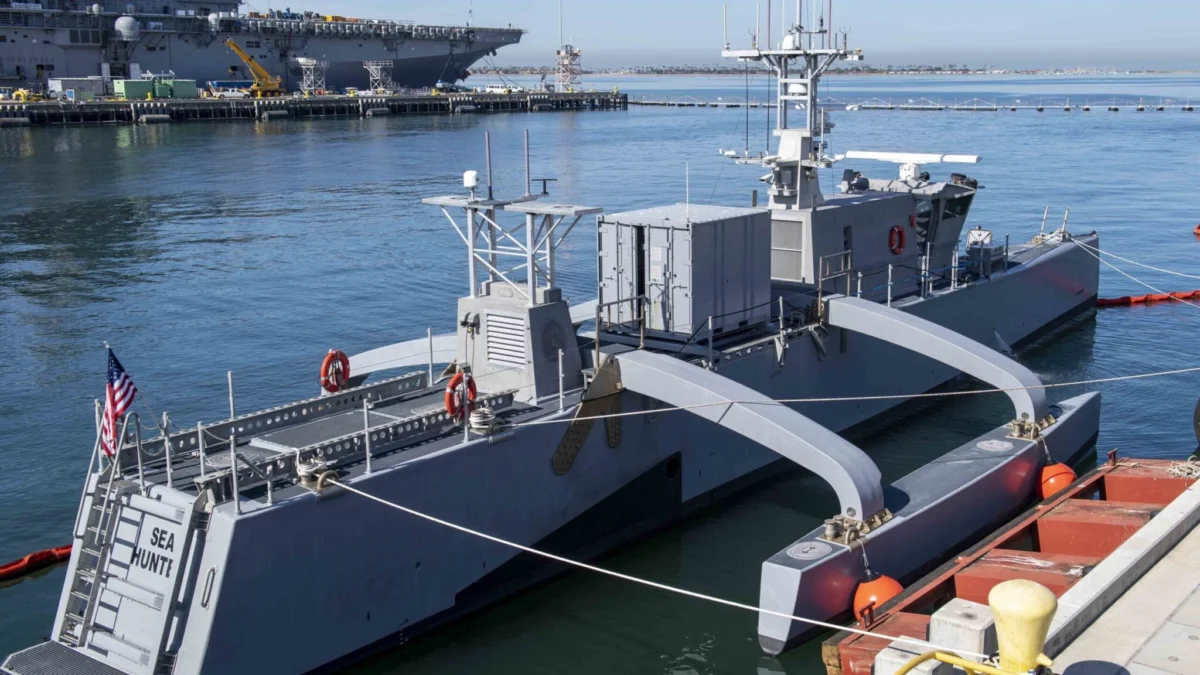
The centerpiece of Secretary Hegseth’s address was the announcement of the Autonomous Warfare Command (AUTOWARCOM). Described as the "fastest peacetime shift in modern military history," the command is designed to possess "service-like authorities" that will allow it to scale robotic and autonomous capabilities across the entire Joint Force.
Lessons from the Frontlines
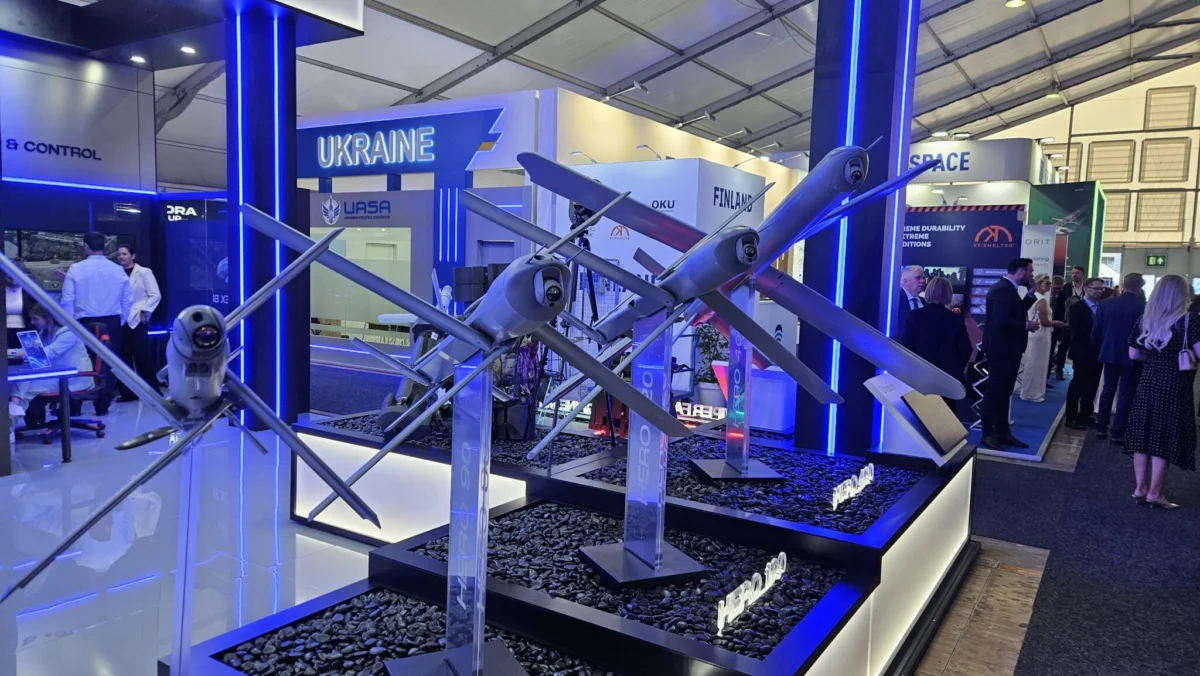
Hegseth’s rationale for the command is rooted in the evolving character of modern conflict, specifically the lessons learned from the ongoing war in Ukraine. "Ukraine’s lesson is not that one type of drone wins wars," Hegseth noted. "But rather the need for a purpose-built system that maximizes the ability to adapt. We will fuse procurement with operations at scale, and then allow warfighters, engineers, and entrepreneurs to learn, adapt, and rapidly iterate on their domain and their mission."
The establishment of AUTOWARCOM represents a departure from the traditional, slow-moving Pentagon acquisition cycle. By centralizing drone procurement and operational deployment, the Department of Defense (DoD) aims to eliminate bureaucratic friction, ensuring that frontline units are equipped with the latest, battle-tested autonomous platforms.
Project Agincourt: The Interim Roadmap
Recognizing that standing up a new combatant command is a massive legislative and organizational undertaking, Hegseth announced an interim structure: "Project Agincourt." Led by Defense Innovation Unit (DIU) head Owen West and Max Strasiser, this initiative will act as a precursor to the full-scale command.
Project Agincourt will utilize a "warfighting acquisition" construct, an experimental framework designed to place decision-making power and funding directly into the hands of operators working alongside private-sector innovators. The ultimate goal is for this project to pave the way for the formal standing up of AUTOWARCOM by October 2027, a deadline that will require significant heavy lifting with Congressional lawmakers.
Project Meridian: Rethinking the Future of Warfare
Beyond the tactical shifts in drone warfare, Hegseth announced the formation of "Project Meridian," a strategic think tank aimed at identifying the domains that the United States must master to remain the world’s preeminent military power.
The composition of this group is notably unconventional. Rather than relying solely on traditional military strategists, Hegseth has tapped a team of high-profile outsiders to lead the initiative: SpaceX CEO Elon Musk, Anduril founder Palmer Luckey, and former Speaker of the House Newt Gingrich.
The Mandate
According to an official Pentagon memo, Project Meridian is tasked with mapping the trajectory of future warfare. Its primary objectives include:
- Identifying Critical Capability Gaps: Assessing where the U.S. lags behind peer competitors in emerging technologies.
- Actionable Strategy: Proposing concrete, implementable solutions aligned with the 2026 National Security Science and Technology Strategy.
- External Integration: Leveraging the expertise of technologists, business leaders, and policymakers who operate outside the traditional defense establishment.
The group is expected to deliver its findings by January 28, 2027, providing the Pentagon with a blueprint for future investments and strategic posture.
The Great Culling: Reducing the General Officer Corps
While the technological initiatives were presented as forward-looking, the second half of Hegseth’s speech dealt with a more contentious issue: the ongoing reduction of the Pentagon’s general and flag officer ranks.
Quantifying the Cuts
Hegseth confirmed that the Pentagon has already successfully purged 10 percent of its general and flag officer population. Building on that momentum, he announced a further 10 percent reduction in general officer "slots." This is part of a broader, long-term effort to strip what the Secretary characterizes as "redundant force structure."
This campaign, initiated early in his tenure, has already seen the departures of some of the most prominent figures in the military establishment, including former Chairman of the Joint Chiefs of Staff Gen. CQ Brown, Army Chief of Staff Gen. Randy George, and CNO Adm. Lisa Franchetti. The list of exits extends into intelligence and command leadership as well, including the heads of the DIA and the NSA/Cyber Command.
Official Responses and Political Firestorm
The scale and speed of these officer cuts have triggered a severe backlash from Congressional leaders, particularly on the Senate Armed Services Committee (SASC).
Congressional Oversight Concerns
Senator Jack Reed (D-R.I.), the committee’s ranking member, issued a blistering rebuke of the Secretary’s actions. "Secretary Hegseth has taken countless reckless, partisan actions," Reed stated. He emphasized that the military is currently managing major global operations and that stripping away experienced leadership during a period of high intensity is both "reckless" and "disruptive to command."
Reed’s demand is simple: Hegseth must "show his work." He argues that the Pentagon’s failure to provide written justification for these high-level removals violates the spirit of the oversight responsibilities mandated by Article I of the Constitution.
The "Draconian" Narrative
Senator Richard Blumenthal (D-Conn.) was even more pointed, labeling the cuts as "draconian" and accusing Hegseth of prioritizing political loyalty over meritocracy. "There is no evidence that he’s conducted any kind of systematic or intelligent or strategic oversight," Blumenthal told reporters, signaling that the legislative branch will aggressively challenge these personnel moves in the coming session.
Implications for the Future Force
The implications of Hegseth’s "State of the Force" are profound and multifaceted.
1. The Legislative Hurdle
Establishing AUTOWARCOM will require more than just executive willpower. Because combatant commands require specific acquisition authorities—similar to those granted to Special Operations Command (SOCOM) and Cyber Command—Hegseth must secure bipartisan support in Congress. While some lawmakers, particularly those favoring the creation of a "Robotic and Autonomous Systems Combatant Command" in the draft 2027 defense authorization bill, are sympathetic to the idea, the political climate surrounding the officer purges may complicate the path forward.
2. A Cultural Shift
The move toward an autonomous-heavy force signifies a fundamental change in the U.S. military’s culture. By integrating entrepreneurs like Palmer Luckey and business moguls like Elon Musk into the strategy-making process, Hegseth is explicitly attempting to break the "business as usual" mentality that has characterized the Pentagon for decades.
3. Readiness and Institutional Memory
Critics, including many in the retired officer community, argue that the rapid removal of experienced senior leaders risks gutting the military’s institutional memory. They contend that while automation is the future, the human element of command remains the most critical factor in war. By stripping away 20 percent of four-star billets and reducing the overall flag officer count, the Department faces the risk of creating a "hollowed-out" leadership structure that may struggle to manage the complexities of a multi-domain conflict.
Conclusion
Secretary Hegseth’s speech marks a definitive turning point in his tenure. By doubling down on autonomous warfare and the aggressive reshaping of the officer corps, he has set the stage for a high-stakes showdown with both the traditional defense establishment and his critics on Capitol Hill.
As the Pentagon moves toward the 2027 deadlines for AUTOWARCOM and the Project Meridian report, the American public and the world will be watching to see if this "fastest peacetime shift" leads to a more lethal and efficient military, or if the internal volatility caused by the ongoing leadership purge ultimately weakens the institution’s ability to deter future conflict. The battle for the soul of the Pentagon is clearly underway, and the outcome will define the U.S. military’s capabilities for the next generation.