On August 5, 2026, the lunar surface is set to become the site of a high-speed, man-made celestial event. A spent SpaceX Falcon 9 upper stage, a relic from a previous mission to the moon, is projected to strike the lunar landscape. While the collision of space debris with the moon is not unprecedented, this specific event offers a unique opportunity for planetary scientists to observe the dynamics of an artificial impact in real-time, providing critical data that could shape the safety and engineering protocols for future lunar infrastructure.
The Origins of an Orbital Wanderer
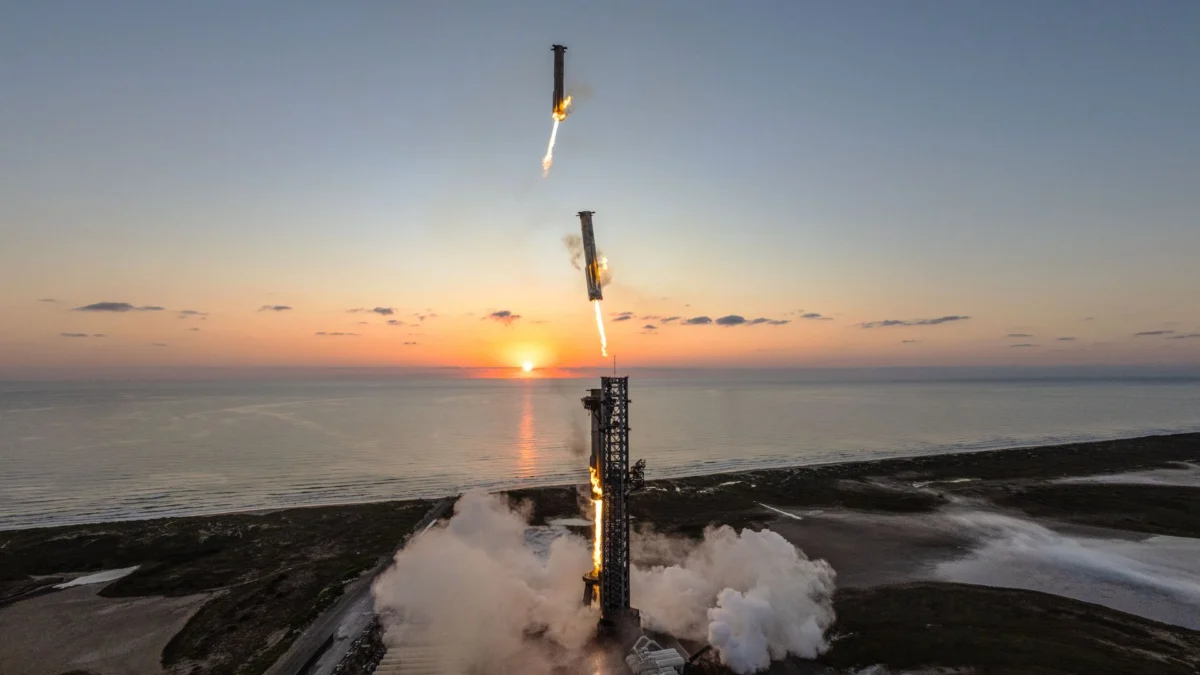
The object in question is the spent upper stage of a Falcon 9 rocket that facilitated the launch of the Blue Ghost-1 lunar lander on January 15, 2025. Developed by Firefly Aerospace, the Blue Ghost-1 mission was designed to explore the lunar environment, but it left behind a significant piece of orbital detritus.
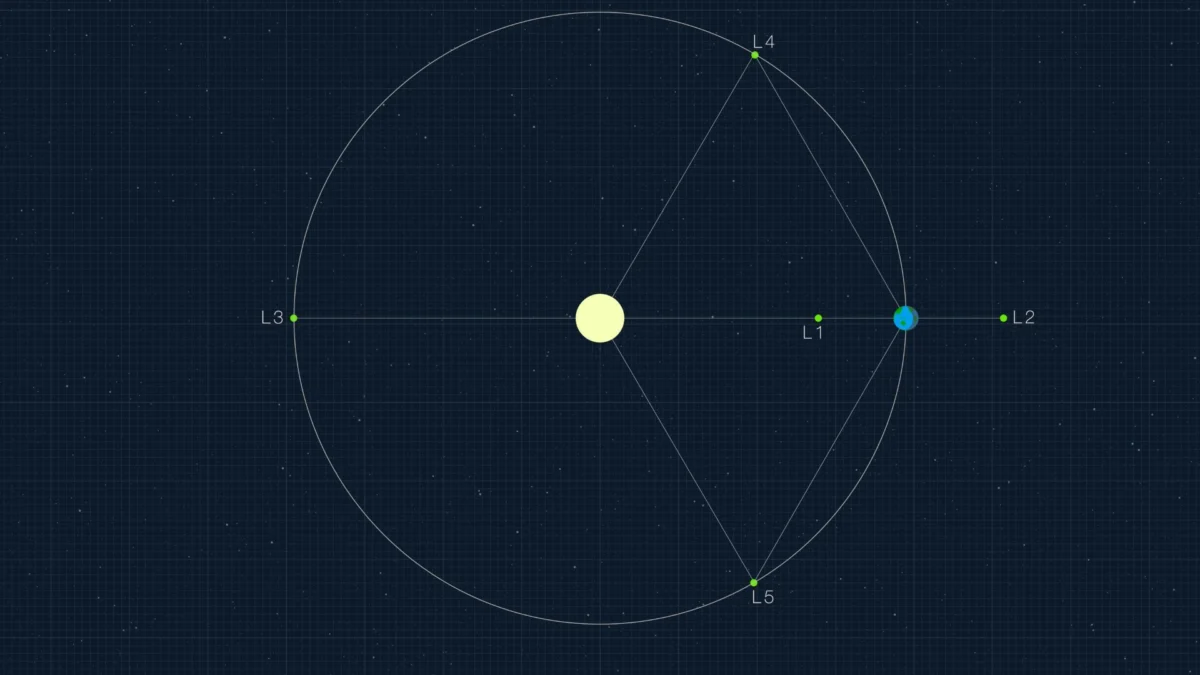
The launch window for the mission also carried the Japanese-developed Hakuto-R Mission 2 lander, known as "Resilience." As the missions successfully deployed their payloads toward their lunar destinations, the Falcon 9 upper stage entered an eccentric orbit, eventually succumbing to the complex gravitational interplay between the Earth and the Moon. After more than a year of orbital decay, the discarded stage is now on a terminal trajectory toward the western lunar limb, specifically targeting the vicinity of the Einstein and Bell craters.
A Chronology of the Collision
The trajectory of the Falcon 9 stage has been tracked by an international coalition of astronomers and orbital mechanics specialists. While space debris often burns up in Earth’s atmosphere, the moon’s lack of a protective air blanket means that objects of this size strike the surface with unmitigated kinetic energy.
- January 2025: Launch of the Blue Ghost-1 and Hakuto-R Mission 2 landers. The Falcon 9 upper stage is left in high-Earth orbit.
- Early 2026: Orbital monitoring confirms that gravitational perturbations have pulled the stage into a lunar-crossing orbit.
- Late July 2026: Final trajectory refinements are made, confirming the target area near the lunar western limb.
- August 5, 2026: The predicted impact date. The stage is expected to strike the lunar regolith at high velocity, triggering a dust plume and a potential thermal flash.
Visualizing the Impact: What Observers Can Expect
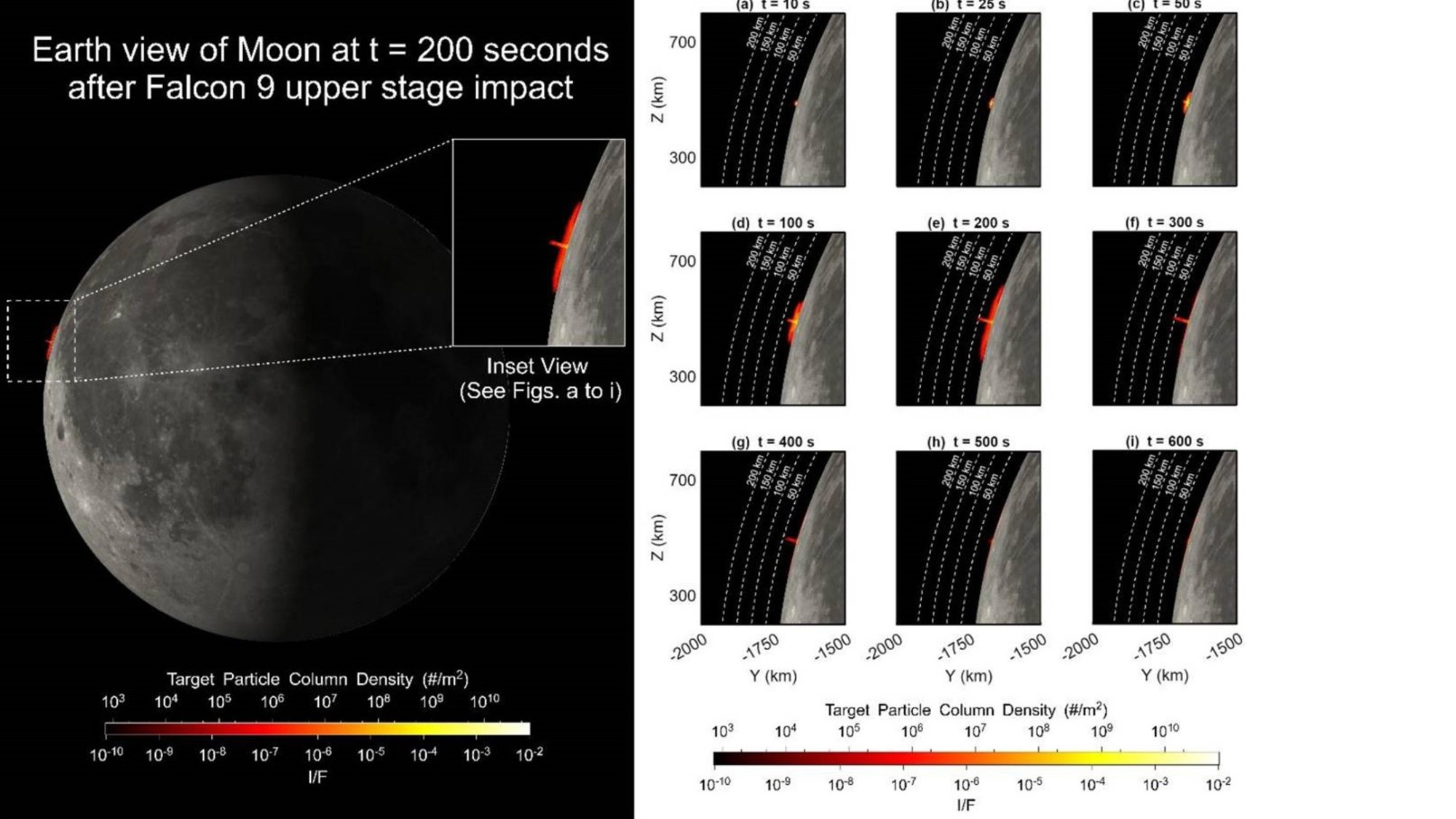
According to a recent study published on the open-source arXiv server, the collision will likely be more than just a momentary flicker. While the "flash" of the initial impact is often the focus of casual observers, the true scientific value lies in the subsequent debris plume.
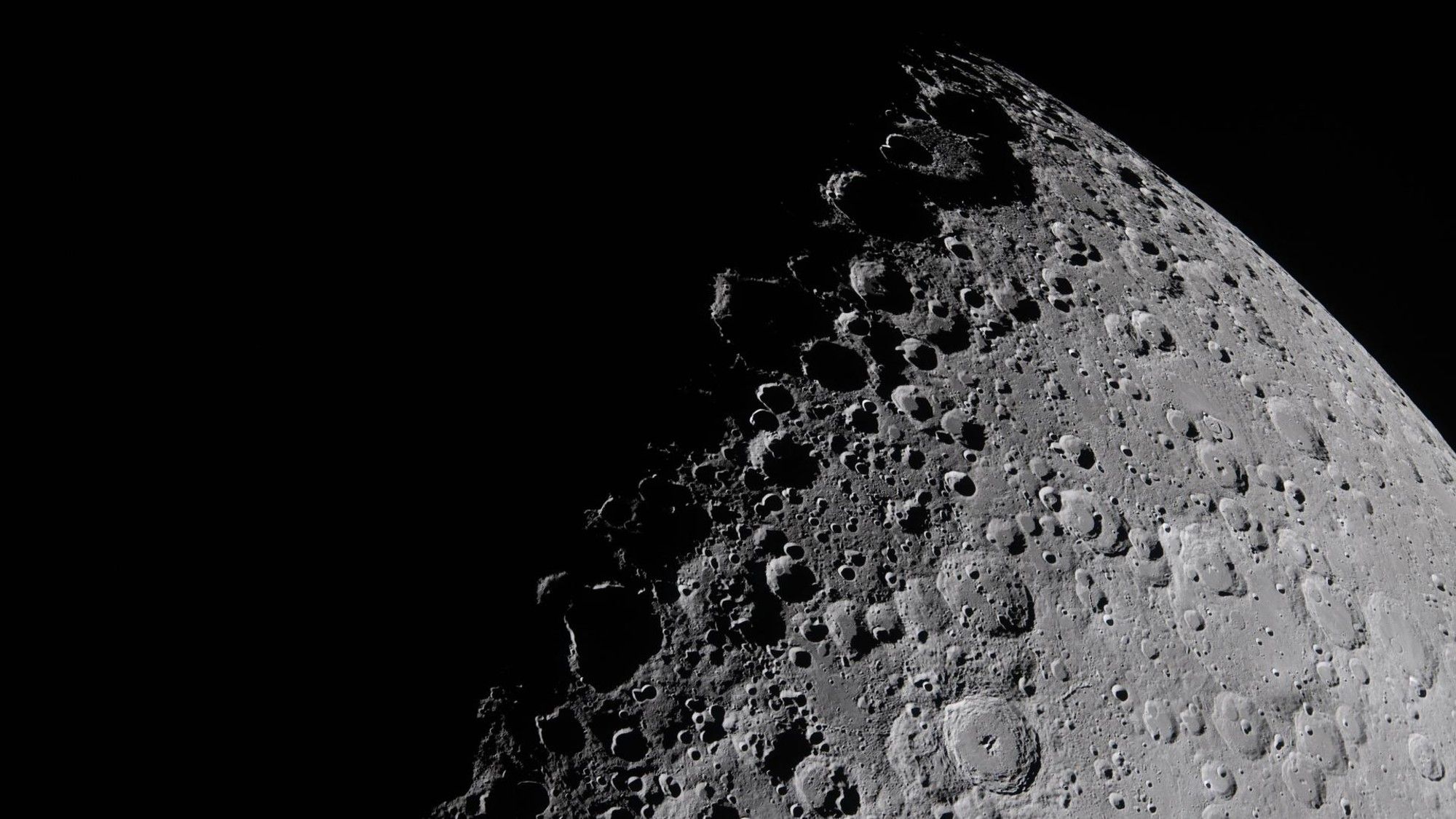
William Jo, a graduate research assistant at the University of Texas, Austin, has utilized advanced physics simulations to model the event. His findings suggest that the impact will generate a central ejecta spike reaching altitudes of 47 to 60 miles (75 to 100 kilometers).
"Our calculations suggest the plume should be several orders of magnitude brighter than the dark-sky background for the first few minutes after impact," Jo explained. "So the plume should be visible, though I’d stress this is a single nominal case. The real one will look different, and the numbers are on the optimistic side. But the point worth making is that the flash isn’t really the story here."
For those with high-end, sensitive telescopes, the event may be observable against the dark lunar sky. Researchers are encouraging both ground-based amateur astronomers and professional observatories to monitor the region, as the plume’s evolution will provide rare, high-resolution data on how lunar dust behaves when disturbed by artificial objects.
Scientific Implications: Beyond the Flash
The collision serves as an unplanned, yet invaluable, laboratory experiment. Current models for lunar impacts are primarily based on natural objects like asteroids or comets—dense, rock-like bodies that behave predictably upon impact. A spent rocket stage, by contrast, is a hollow, metallic, and complex structure.
"Watching this one gives us a rare chance to open up ejecta-plume science and calibrate those models against a real event, which matters for every future thing we deliver to the moon," Jo added.
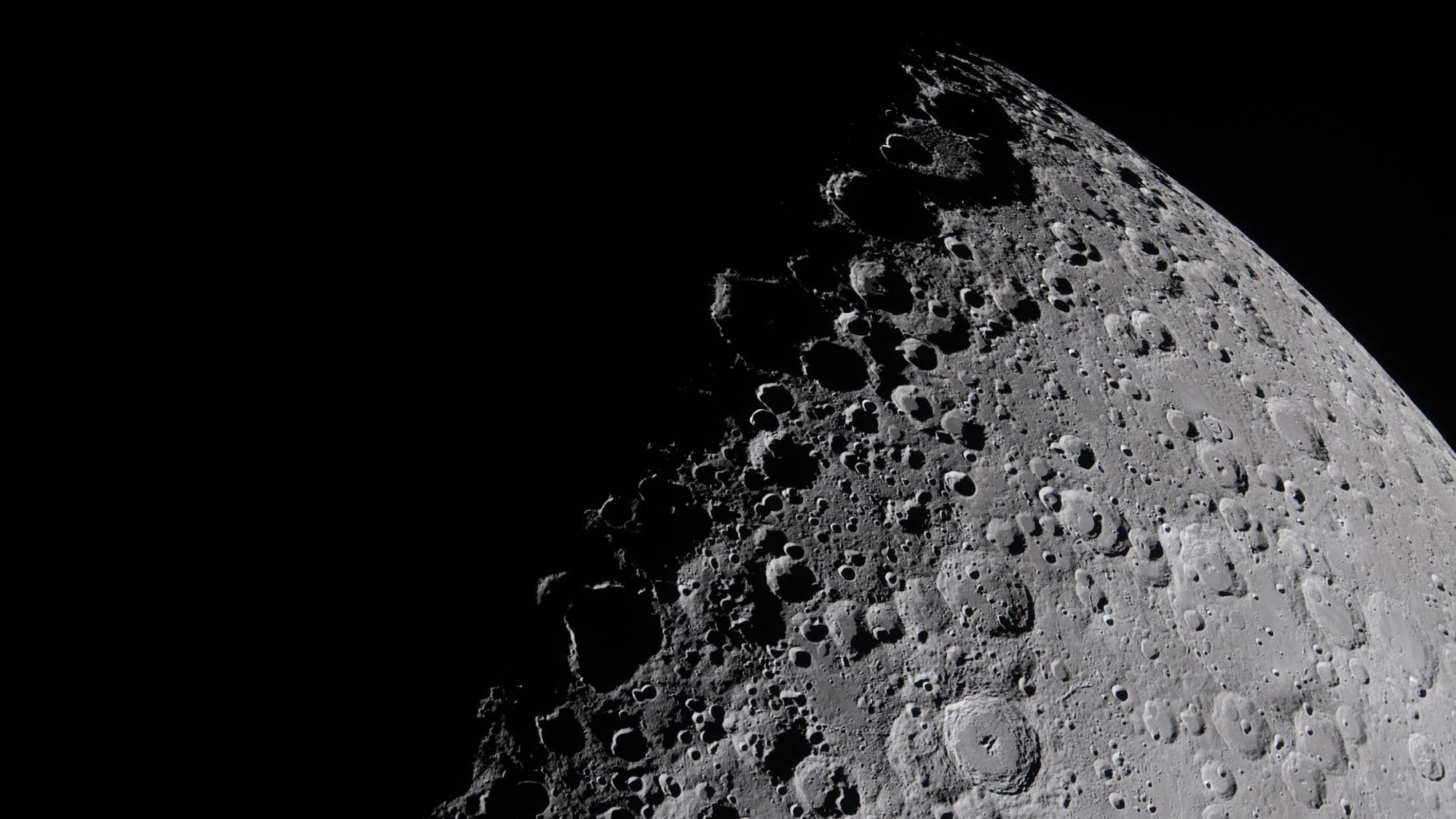
This sentiment is echoed by Benjamin Fernando of the Los Alamos National Laboratory, who led a separate study on the event. Fernando’s team noted that this impact provides a unique chance to test a "pipeline" for localizing lunar impacts. Developing such a pipeline is essential for future seismic experiments. By knowing exactly when and where an impact occurs, seismometers placed on the surface by future astronauts or robotic missions can "listen" to the moon’s interior, helping scientists map the lunar crust and mantle.
Assessing Risks to Future Lunar Infrastructure
Perhaps the most pragmatic outcome of this study is the assessment of potential hazards to future human presence on the moon. As NASA’s Artemis program and international partners look toward long-term habitation, understanding the dispersion of debris is paramount.
Fernando and his colleagues calculated that the maximum ballistic range of the particles ejected by the impact could reach nearly 1,000 kilometers. If such an impact were to occur near a future lunar base, the high-velocity debris could pose a significant threat to delicate infrastructure, such as solar arrays, habitats, and extravehicular activity (EVA) suits.
"The range is far enough to be significant from the perspective of presenting a hazard to future astronauts or infrastructure across much of the lunar surface," the study reports. By observing this specific event, researchers hope to refine their hazard models, ensuring that future lunar settlements can be sited and shielded effectively.
Official Observations: The Role of the LRO
NASA is not letting this opportunity pass by. The Lunar Reconnaissance Orbiter (LRO), which has been circling the moon since 2009, is scheduled to play a pivotal role. Brent Garry, a project scientist for the LRO at the Goddard Space Flight Center, noted that the orbiter is scheduled to pass over the impact site approximately seven days before and seven days after the collision.
The "before and after" comparison is crucial for planetary geology. By mapping the crater site before the impact and returning to it a week later, scientists can identify the fresh excavation caused by the rocket stage. This will allow researchers to measure the size and shape of the resulting crater, which in turn helps calibrate models of how artificial structures transfer kinetic energy to the lunar surface.
Closing Thoughts: A Call to the Observational Community
While the scientific community is focused on the data, the event remains an accessible window for the public to engage with lunar science. However, experts warn against focusing solely on the initial flash of the impact.
"My concern is that most observers will stop at the sub-second flash and never track down the ejecta," Jo cautioned. "The ejecta is the part that should actually be visible, and it is where the real science is."
As August 5 approaches, the eyes of the global astronomical community will turn toward the Einstein and Bell craters. Whether the impact manifests as a bright plume or a subtle shifting of lunar dust, the event stands as a reminder of humanity’s expanding footprint in the solar system. Every piece of hardware we send to the moon leaves a mark—and by studying these marks, we are learning the lessons necessary to eventually call the moon our neighbor, rather than just a destination.