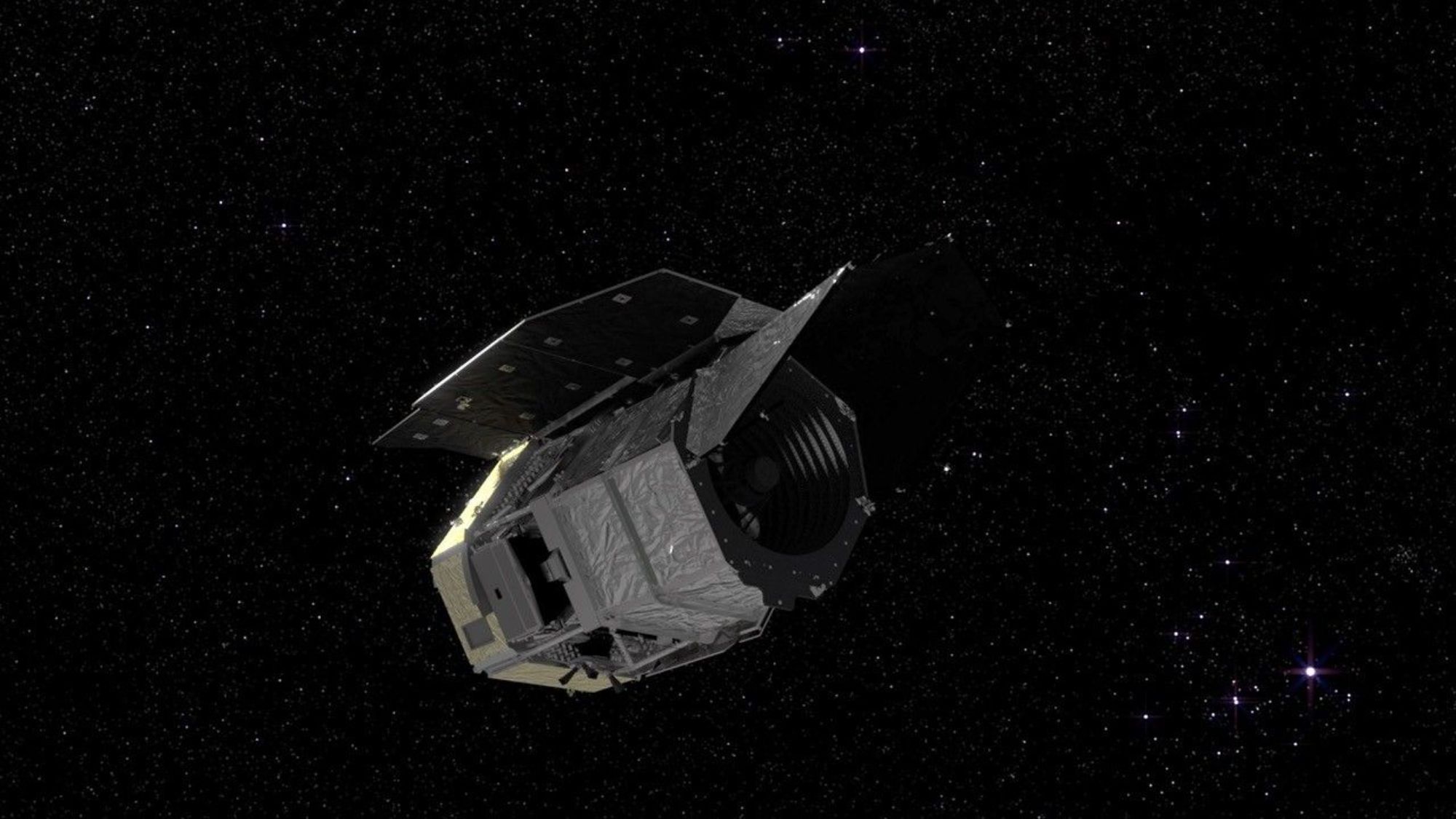
In a triumph of aerospace engineering and orbital mechanics, NASA’s newly deployed Nancy Grace Roman Space Telescope has secured a remarkably extended future. Following its successful launch on August 30, the observatory—designed to unravel the mysteries of dark energy and scout for exoplanets—has arrived at its destination trajectory with such precision that its operational lifespan has effectively doubled. Thanks to a combination of lower-than-anticipated structural mass and an exceptionally efficient launch sequence, mission controllers now project that the telescope will remain scientifically viable for at least 22 years.
The Main Facts: A Stroke of Orbital Luck
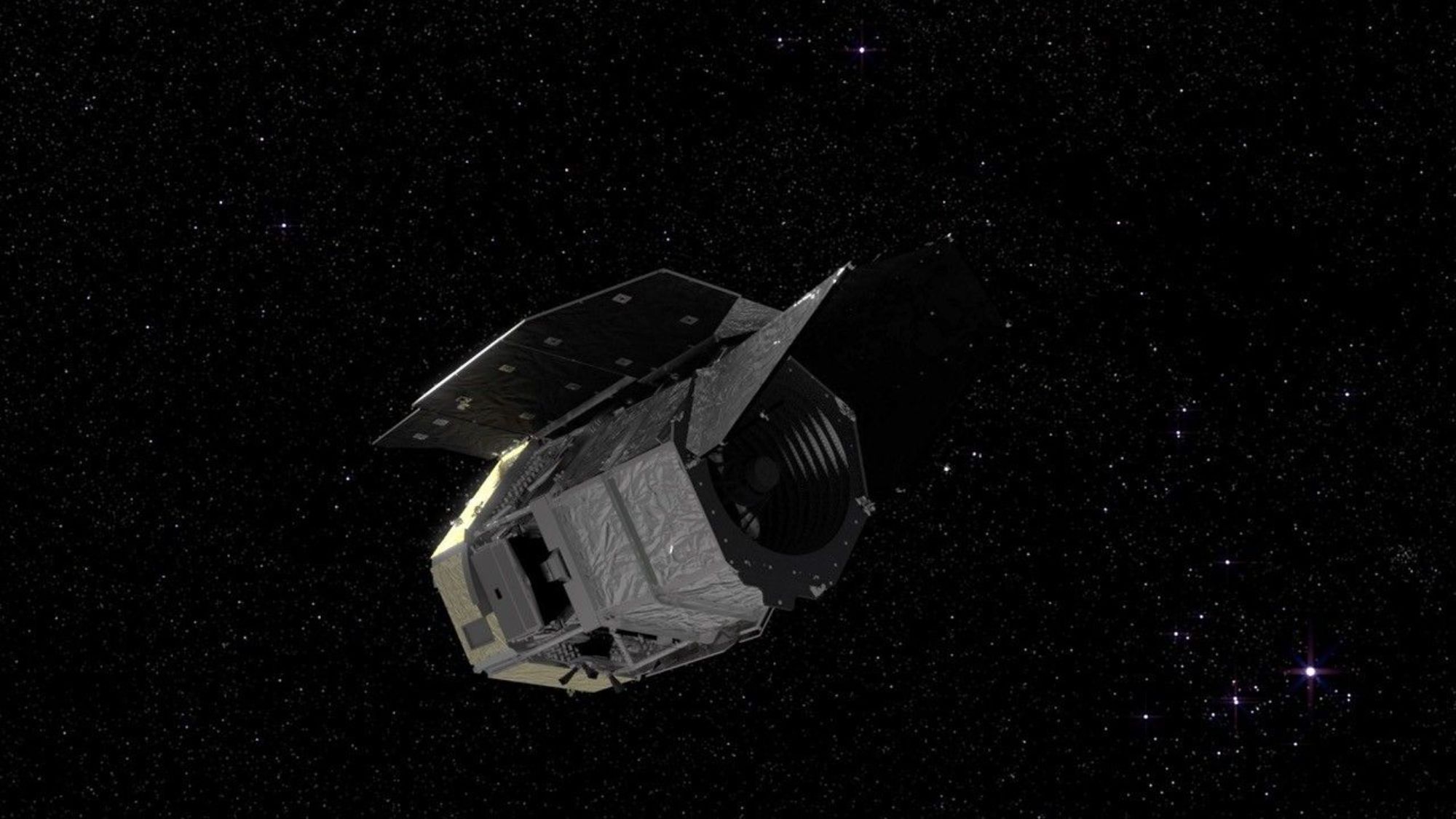
The Nancy Grace Roman Space Telescope, often hailed as the successor to the Hubble Space Telescope in its capacity to survey wide swaths of the cosmos, was initially designed for a primary mission duration of five years, with an aspirational goal of ten years contingent on funding and technical health.
However, current projections from NASA’s Goddard Space Flight Center have shattered these initial expectations. By optimizing propellant usage during the critical insertion phase and capitalizing on a “mass surplus” from the construction phase, the team has ensured that the observatory will have sufficient fuel to maintain its station-keeping maneuvers until at least 2048. This news represents a monumental windfall for the astronomical community, effectively ensuring that the next two decades of deep-space observation will be anchored by one of the most powerful infrared instruments ever built.
Chronology of the Mission
The path to this extended mission began long before the rocket cleared the tower at Cape Canaveral. To understand how the Roman telescope achieved this longevity, one must look at the timeline of its development and deployment.
Pre-Launch: The Engineering Advantage
During the development of any space vehicle, engineers must account for mass with extreme caution. The Roman telescope was originally designed with a maximum weight threshold of 21,605 pounds (9,800 kilograms) to ensure mission viability. As the project moved from design to integration and testing, the final finished spacecraft weighed in at 17,760 pounds (8,065 kilograms). This discrepancy—nearly 4,000 pounds lighter than the maximum limit—provided the mission team with a crucial strategic advantage. Rather than flying with empty tanks, the team was able to load the propellant reserves to their maximum capacity, setting the stage for a much longer operational window.
August 30: The Picture-Perfect Liftoff
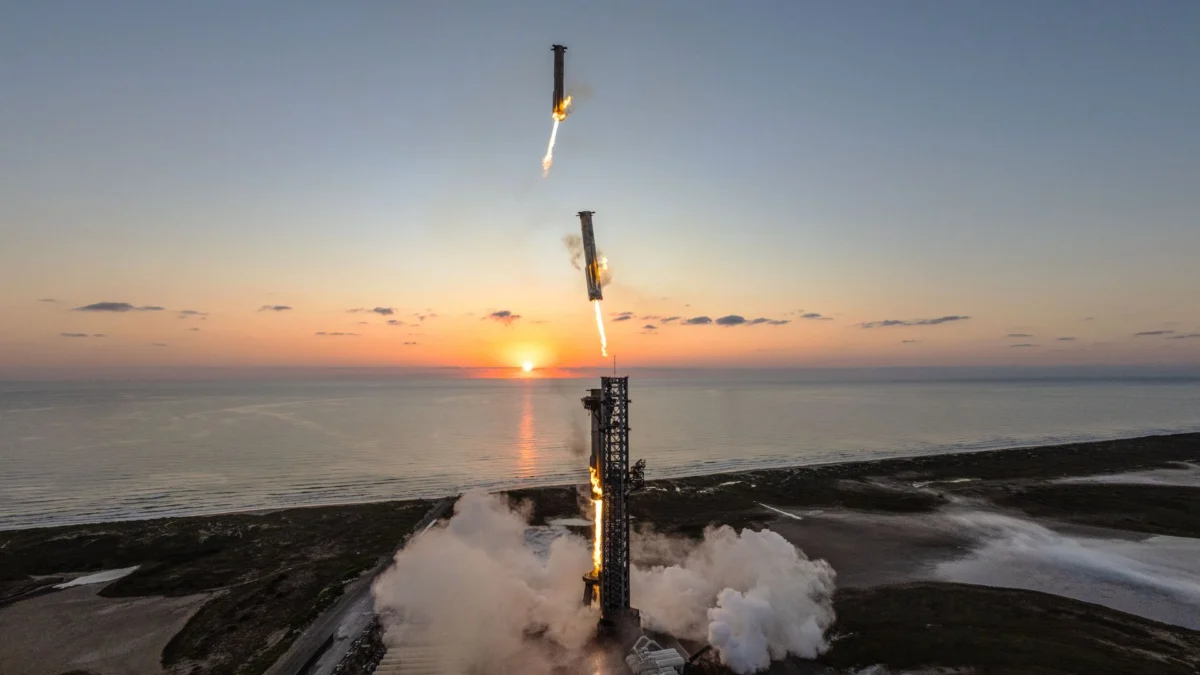
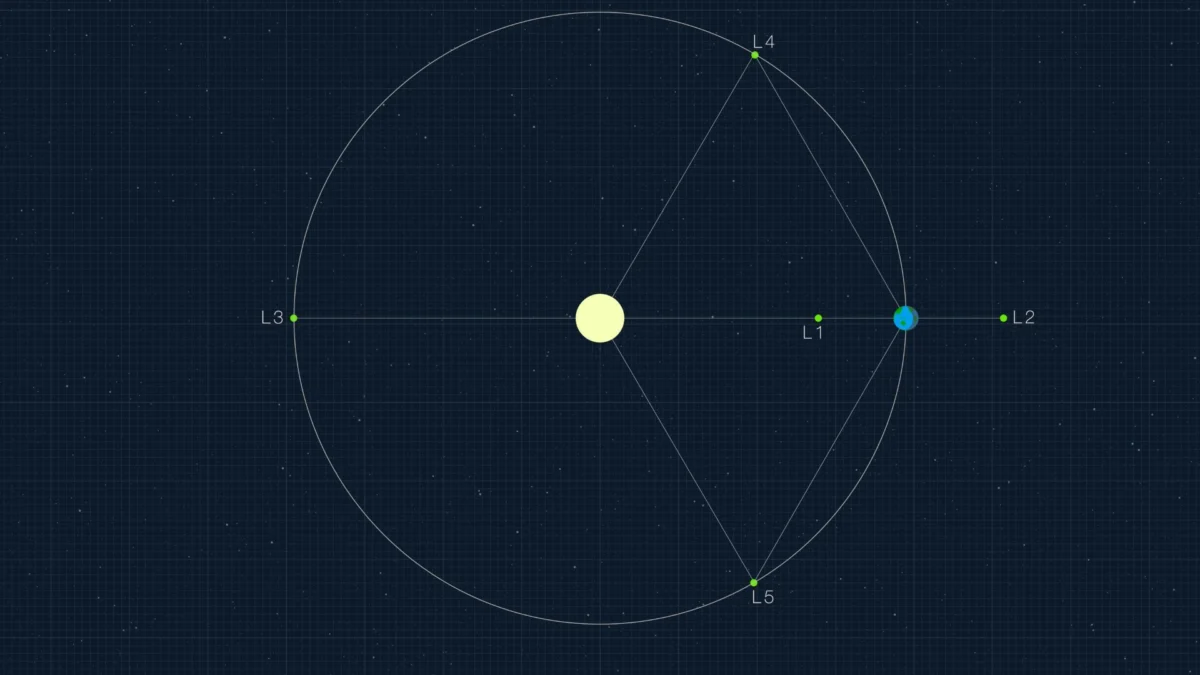
The mission officially commenced with a highly precise launch on August 30. Following separation from the launch vehicle, the telescope executed a vital engine burn lasting approximately three minutes. This maneuver was designed to place the spacecraft on a trajectory toward the L2 (Lagrange point 2) position, a gravitationally stable region located roughly 1.5 million kilometers from Earth on the side opposite the sun.
The Precision Burn
The accuracy of that initial burn was a defining moment for the mission. Executed with 99% precision, the engine maneuver required only 40 pounds (18 kilograms) of fuel—a tiny fraction of the 441 pounds (200 kilograms) originally budgeted for the task. This singular event, characterized by near-flawless execution, added an estimated four years of operational life to the mission.
December and Beyond: Reaching the Final Orbit
As the telescope progresses toward its final orbital insertion in early December, a second major course correction is required. Because the initial trajectory was so accurate, the upcoming adjustment will be significantly less taxing on the spacecraft’s propulsion systems. Mission planners anticipate that this efficiency will grant the telescope an additional four years of life. Once fully established at L2, the observatory will require only minor "station-keeping" burns every 28 days to maintain its position, ensuring that fuel consumption remains negligible for the remainder of the mission.
Supporting Data: The Mechanics of Efficiency
The longevity of a space telescope is almost always dictated by its fuel capacity. Once the fuel is exhausted, the spacecraft can no longer maintain the precise orientation required to point its sensitive instruments at distant targets, nor can it keep its communication antennas pointed toward Earth.
The "wiggle room" mentioned by Alison Rao, who leads Roman’s propulsion systems at NASA Goddard, was not merely a matter of luck but a result of rigorous tracking. "A spacecraft’s mass changes throughout the design and build process, so we base the propellant on a set maximum value so we won’t come up short," Rao explained. By continuously updating their models during the integration phase, the team ensured that the propellant tanks were filled to capacity, rather than just meeting the baseline requirement for a 10-year mission.
The mathematical outcome is clear:
- Original Requirement: 10 years of operation.
- Initial Surplus: 14 years enabled by loading maximum propellant.
- Launch Precision: +4 years gained from the efficient L2 trajectory burn.
- Orbit Insertion Efficiency: +4 years expected from the December maneuver.
- Total Projected Lifespan: 22+ years.
Official Responses: A Triumph for NASA Goddard
The atmosphere at NASA’s Goddard Space Flight Center is one of professional pride and excitement. Jamie Dunn, the center director, highlighted the collaborative nature of this success.
"As a result of exquisite planning by our orbital dynamics team, brilliant execution by the operations team, and a precise launch from SpaceX, Roman has fuel for at least 22 years of potential science operations," Dunn stated.
The sentiment across the agency is that this is a "win-win" for science. By extending the mission life without requiring additional fuel mass or complex hardware upgrades, the team has effectively doubled the scientific return on investment for the taxpayers who funded the project. The mission is now poised to outlast the typical duration of its predecessors, allowing for a longitudinal study of the universe that was previously impossible.
Implications for Future Discovery
The extension of the Roman Space Telescope’s life has profound implications for our understanding of the cosmos. As an instrument specifically designed to investigate the nature of dark energy—the mysterious force driving the accelerated expansion of the universe—the extra time allows for a much more comprehensive survey of the sky.
Dark Energy and the Expansion of the Universe
With two decades of data, astronomers can observe how the structure of the universe has evolved over a longer temporal baseline. This data will be critical for testing theories of gravity and refining our understanding of how dark energy has influenced the growth of galaxies and cosmic structures.
The Search for Exoplanets
The Roman telescope is also equipped with a coronagraph instrument, which allows it to directly image planets orbiting other stars. A 22-year lifespan means that the telescope can observe a much wider variety of star systems and potentially track the orbits of planets over longer periods. This could provide groundbreaking insights into the composition and atmospheres of worlds that were once hidden by the glare of their parent stars.
Bridging the Gap
By operating through the 2030s and into the 2040s, the Nancy Grace Roman Space Telescope will serve as a vital bridge between the discoveries of the James Webb Space Telescope and the next generation of observatories. It will provide a continuous stream of data that allows scientists to cross-reference findings, build more accurate models of stellar formation, and perhaps answer the ultimate question: are we alone in the universe?
In conclusion, the success of the Roman mission thus far is a testament to the power of precise engineering and proactive planning. While the primary mission was intended to be a decade-long endeavor, the telescope is now slated to be a workhorse of the astronomical community until 2048. As we look toward the next two decades, the scientific community can rest assured that the "final frontier" will be under the watchful, highly efficient gaze of the Nancy Grace Roman Space Telescope.