In a momentous ceremony held at the historic Cosmos Club in Washington, D.C., on the evening of September 15, the landscape of modern space exploration paused to honor the engineers who fundamentally altered the economics of the cosmos. The SpaceX Falcon 9 Booster Landing Team, the visionary group responsible for mastering the vertical recovery of orbital-class rockets, was formally presented with the inaugural Neil Armstrong Space Prize.
The award, established by Purdue University—the alma mater of the legendary moonwalker himself—seeks to recognize those who embody the spirit of bold innovation that defined the Apollo era. By successfully proving that a rocket could launch a payload to orbit and return to Earth intact, this team did more than just solve a technical puzzle; they ushered in a new era of spacefaring sustainability.
A Legacy Honored: Why the Neil Armstrong Prize Matters
Purdue University, frequently dubbed the "Cradle of Astronauts" for its profound influence on the American space program, conceived the Neil Armstrong Space Prize with the ambition of creating the preeminent honor for global space science and engineering. For its first-ever selection, the university chose to look not toward a singular scientific discovery, but toward a structural revolution in how humanity accesses the stars.
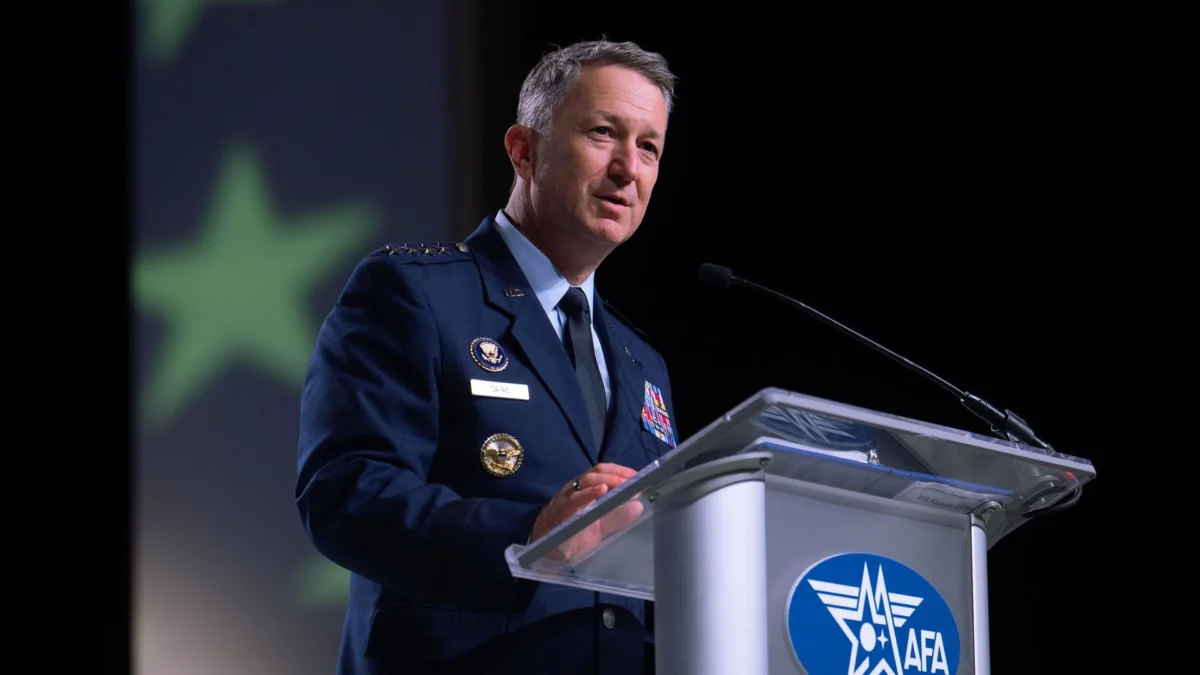
"Neil Armstrong’s achievement rested on extraordinary engineering, teamwork, and the courage to attempt what had never been done before," stated Mark Lundstrom, the John A. Edwardson Dean of the College of Engineering at Purdue. "The Falcon 9 Booster Landing Team carries that spirit forward. By making rocket reuse practical at an unprecedented scale, they changed the economics of spaceflight and opened new possibilities for science, exploration, and commerce."
The award recognizes five representatives of the broader SpaceX team, a group whose collective efforts have transformed the Falcon 9 from a standard launch vehicle into a workhorse of the orbital economy.
The Chronology of an Impossible Dream
To understand the significance of this award, one must look back at the skepticism that permeated the aerospace industry in the early 2010s. For decades, the industry standard was "expendability"—rockets were built to be used once and destroyed upon re-entry.
The Theory and the Struggle
When the two-stage Falcon 9 rocket first debuted in June 2010, the concept of a reusable first stage was merely a long-term goal. The engineering reality, however, was significantly more daunting than the whiteboard sketches suggested.
"On a simple hand calc, I thought, ‘Oh, this would work,’" recalled one of the awardees, a SpaceX engineer who joined the company in 2012. "But then the difficult part is going from this hand calculation to the reality, and there are a lot of nuances that we learned on the way. On paper, I think it would have been done in like six months. But it took three, four years to actually get it to work."
The Turning Point: December 2015
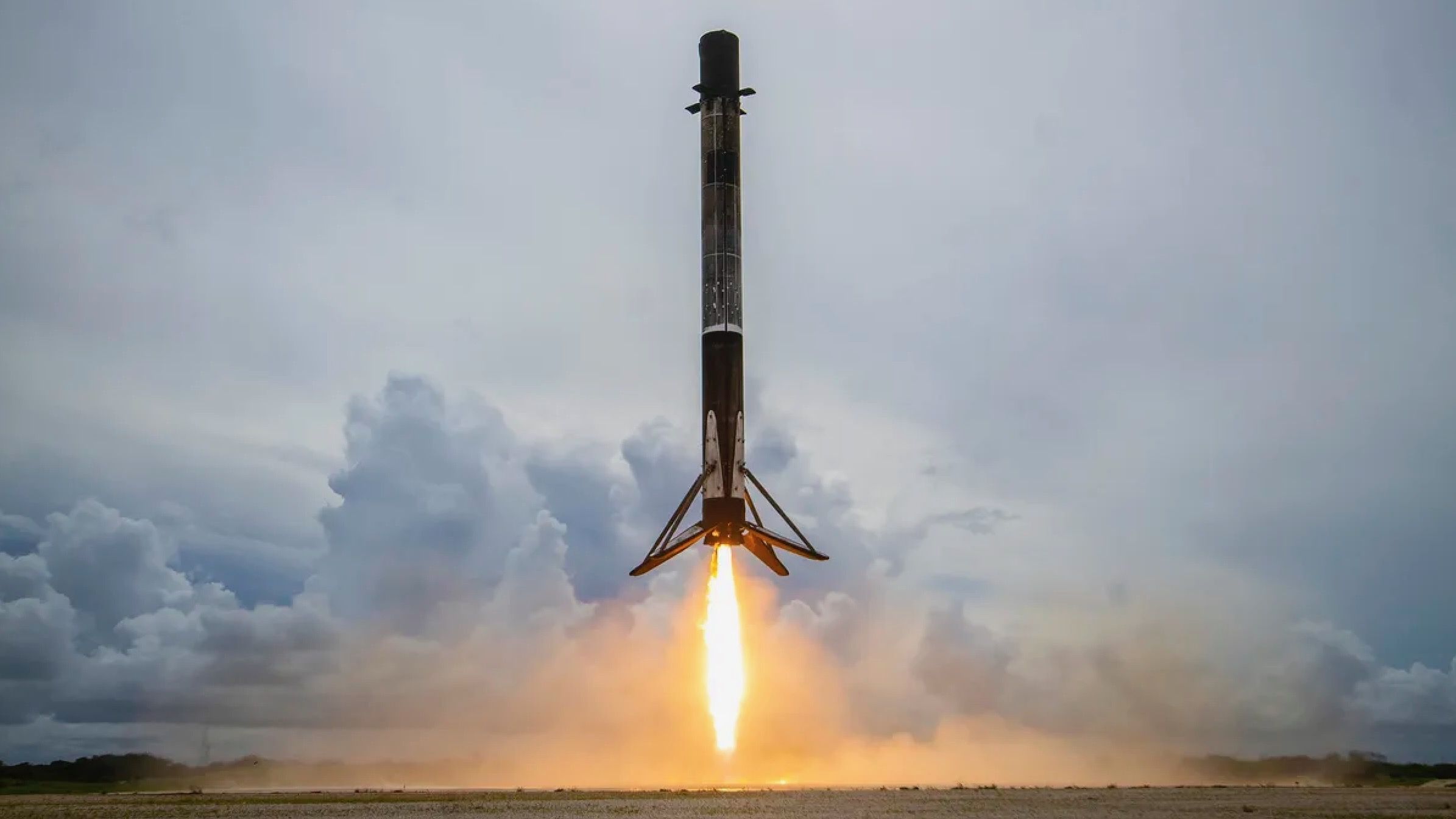
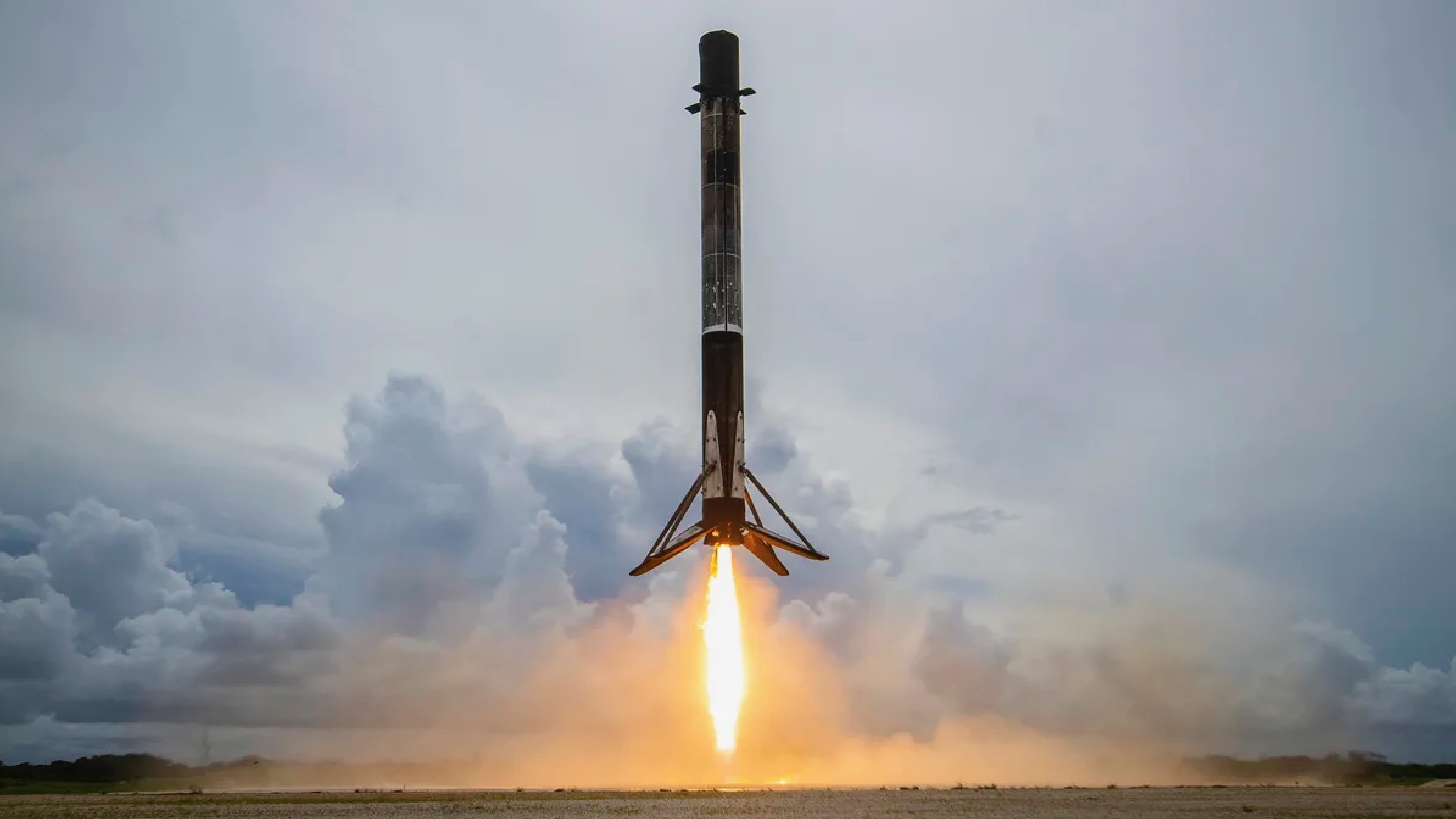
The breakthrough occurred on December 21, 2015. On the 20th flight of the Falcon 9 program, the rocket’s first stage successfully returned to Cape Canaveral, executing a precise vertical landing after deploying 11 Orbcomm satellites into orbit. The image of the white booster descending through the clouds and settling onto the concrete pad became an iconic moment in modern technological history.
Expanding the Horizon: The Drone Ships
Less than four months later, on April 8, 2016, the team achieved the next logical hurdle: landing on a mobile platform. By successfully touching down on a "drone ship" stationed in the Atlantic Ocean, the team proved that landings were not limited by geography. This capability allowed for the recovery of boosters that performed high-energy missions, further expanding the flexibility of the platform.
Supporting Data: A Paradigm of Efficiency
The success of the Falcon 9 is best quantified by its sheer volume of operations. What was once considered an experimental flight maneuver has now become routine, and in some cases, mundane.
- Flight Frequency: As of the latest data, SpaceX has completed over 650 successful booster landings during orbital missions.
- The Record Breakers: The durability of the hardware has exceeded initial projections. Six distinct Falcon 9 first stages have now surpassed 30 launches and landings. The booster identified as B1067 currently holds the record, having completed an incredible 37 flights.
- Market Dominance: The impact on the global launch market has been profound. In 2025, the Falcon 9 fleet conducted 165 successful orbital missions—representing roughly 50% of the entire world’s orbital launch activity.
This efficiency has created a "virtuous cycle." Lower launch costs have enabled the deployment of massive satellite constellations, which in turn provide the revenue to fund further research, development, and expansion of the launch cadence.
Official Responses and the Spirit of Competition
The atmosphere at the awards ceremony was one of humility, with the recipients emphasizing that their work is part of a broader, historical trajectory of engineering.
Addressing the rise of international competitors—many of whom are now testing their own reusable rocket systems with designs reminiscent of the Falcon 9—the awardees expressed optimism rather than territoriality.
"I think this is great," one recipient remarked. "We didn’t start from scratch. If you look at a cross-section of our engines and the engines from the ’60s, they’re all very similar. We’re all kind of cribbing from the same place. The fact that we are able to advance the bar so that everybody else is landing first stages is just great. We need more entrants in the field to really have a big spacefaring economy."
This collaborative sentiment reflects the broader goal of the Neil Armstrong Space Prize: to foster an environment where the "courage to attempt what has never been done" becomes the industry standard, rather than the exception.
Implications: The Path Toward Starship
While the Falcon 9 has defined the last decade of spaceflight, the team is already looking toward the horizon. The industry is currently in a transition period, with SpaceX moving to eventually sunset the Falcon 9 in favor of the Starship megarocket.
The Challenge of Full Reusability
Starship represents the next "step change" in aerospace engineering. While the Falcon 9 recovers its first stage, its upper stage remains expendable. Starship, by contrast, is designed for full and rapid reusability of both the Super Heavy booster and the Ship upper stage.
"The bigger step change for Starship is the stage two—the Ship upper stage—reusability," the team noted. "In Monte Carlo simulations, Ship landings work well. We’ve demonstrated pinpoint, precision landings on the ocean many times. But I feel we will find out more things along the way by trying many times."
The "Chopstick" Innovation
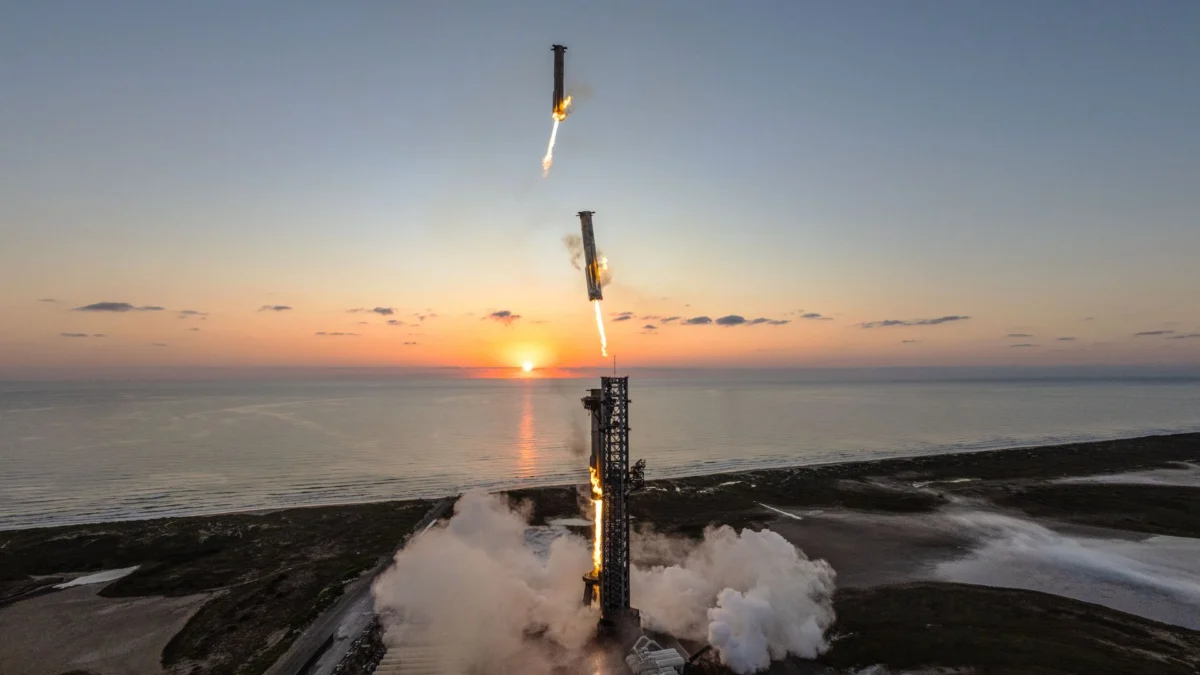
The recent success of catching the Super Heavy booster with the mechanical "chopstick" arms at the launch tower in South Texas is a direct evolution of the lessons learned from the Falcon 9. The experience gained in the last decade has provided the data and the confidence required to push the boundaries of what is mechanically possible.
Conclusion: A New Era
The Neil Armstrong Space Prize serves as a reminder that the most significant leaps in technology are often the result of thousands of small, iterative improvements. The Falcon 9 team did not just build a rocket; they built a system of reliability that has fundamentally changed humanity’s relationship with space.
As the industry pivots toward Mars, the moon, and beyond, the blueprint provided by the Falcon 9—characterized by rigorous testing, iterative design, and the refusal to accept the status quo—will undoubtedly serve as the foundation for the next generation of space explorers. By honoring the people behind the landings, Purdue University has recognized not just a triumph of engineering, but a milestone in the ongoing story of human civilization’s expansion into the solar system.