As the dog days of summer settle in, the night sky offers a spectacular, evolving tableau for stargazers. Whether you are an amateur astronomer with a new telescope or a casual observer equipped only with the naked eye, August promises a month of significant planetary movement. While Venus remains the undisputed champion of the evening sky, the real drama unfolds in the pre-dawn hours, where a rare cosmic dance between Mercury and Jupiter captures the imagination.
Main Facts: The Planetary Lineup of August
August is a month of transition for our solar system’s neighbors. Venus, our brilliant "Evening Star," reaches a significant milestone on August 15 when it hits "greatest elongation"—the point at which it is farthest from the sun from our perspective on Earth. Paradoxically, this is also a time of frustration for observers, as the planet begins to dip closer to the horizon, sinking into the bright glow of twilight.
Conversely, the morning sky belongs to the inner and outer giants. Mercury, the elusive messenger of the gods, makes a brief but brilliant appearance, culminating in a striking conjunction with the solar system’s largest planet, Jupiter. Meanwhile, Saturn continues to hold court in the late-night hours, offering the best views for those interested in planetary rings and telescopic detail.
The Chronology of the August Sky
To make the most of this month’s astronomical events, observers should follow this chronological guide, ensuring they are looking in the right direction at the right time.
Early August: The Rise of Mercury and Saturn
- August 2: Mercury reaches its greatest elongation from the sun (19 degrees). This is the best time to catch the fleet-footed planet low in the east-northeast, approximately 50 minutes before sunrise.
- August 3: Saturn, the "Lord of the Rings," is perfectly positioned for late-night viewing. On this night, it will appear to the lower right of a bright, gibbous moon.
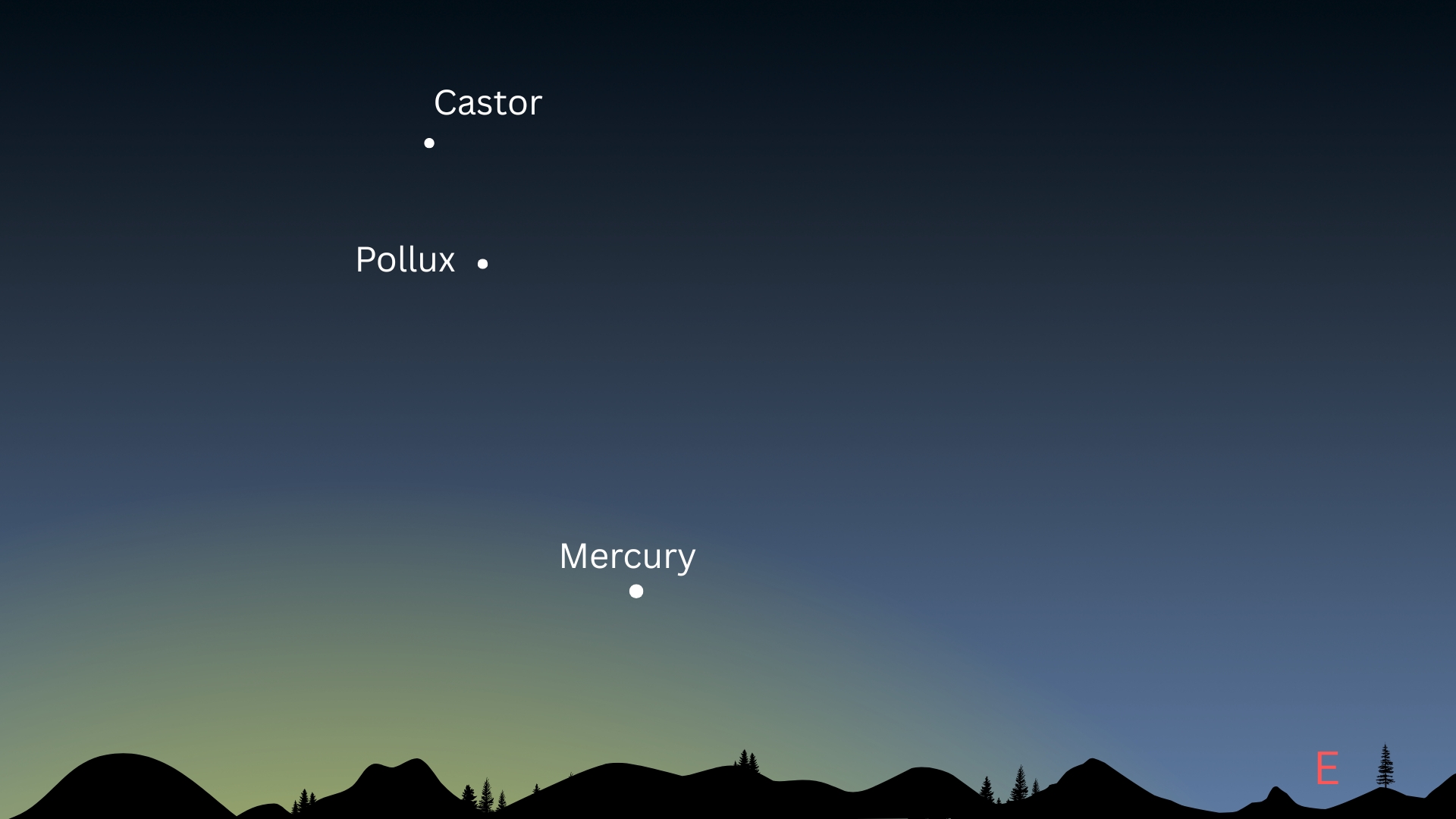
- August 9: A key date for navigation. The "Twin Stars" of Gemini, Castor and Pollux, act as a celestial pointer. By extending an imaginary line from these stars toward the horizon, observers can locate Mercury. On this same morning, Mars will be found approximately 4.5 degrees to the right of a waning crescent moon.
Mid-August: The Great Conjunction and Greatest Elongation
- August 11: A razor-thin crescent moon, illuminated by only 2% of its surface, will hang just 2 degrees to the upper left of Mercury. This offers a rare photographic opportunity for those with steady hands and clear horizons.
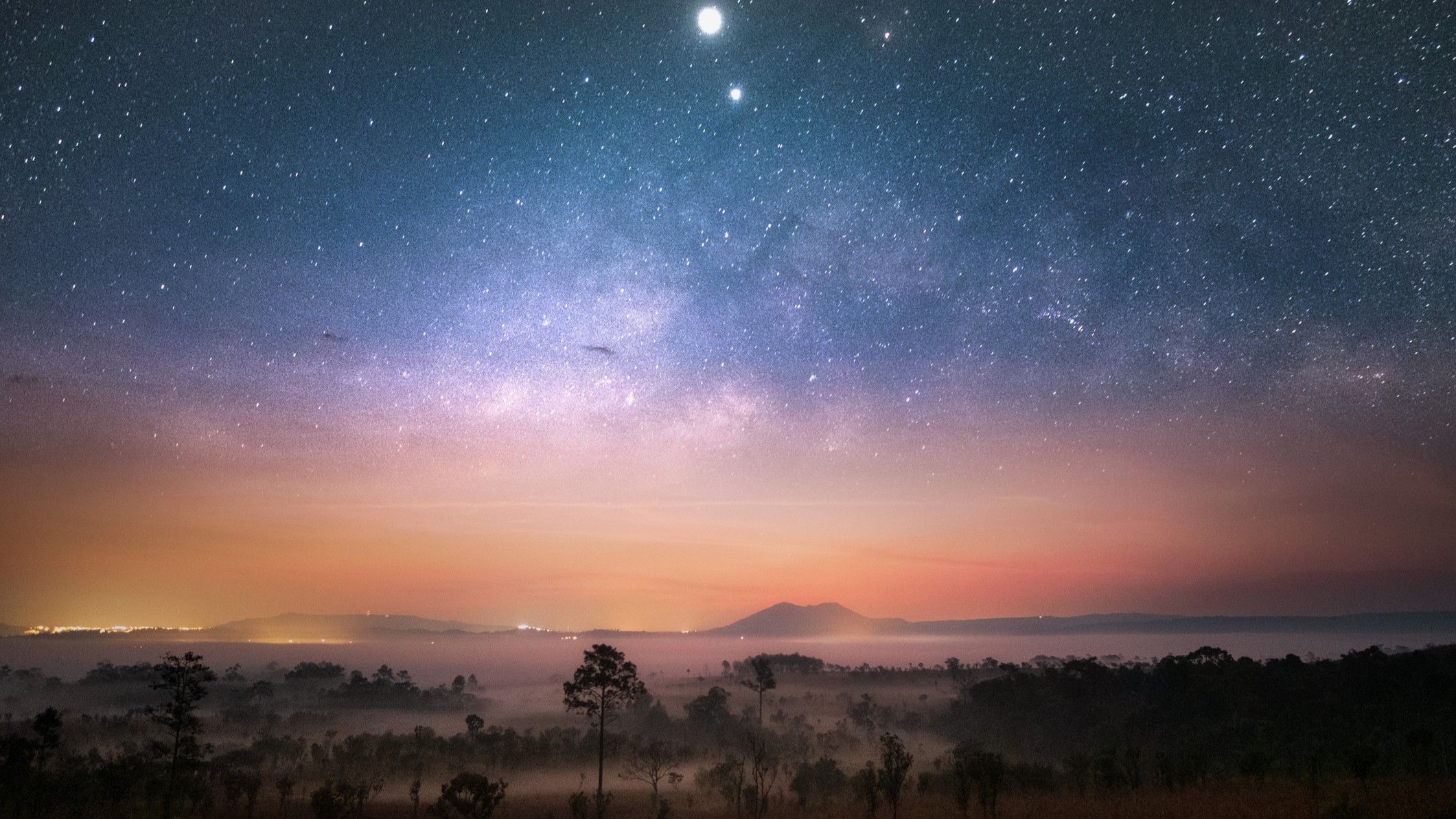
- August 13–17: The window for the Mercury-Jupiter conjunction. These two worlds will appear less than 4 degrees apart.
- August 15: A pivotal day. Venus hits its greatest elongation (46 degrees east of the sun). That same morning, the "smallest and largest" planets—Mercury and Jupiter—will meet in a stunning close conjunction, separated by less than 0.6 degrees. Observers should note that this pairing is low in the sky, requiring an unobstructed view of the horizon.
Late August: The Shift
- August 27: Mercury reaches superior conjunction with the sun, effectively disappearing from the morning sky as it prepares to transition into the evening sky for the next cycle.
Supporting Data: Understanding Your Vantage Point
Astronomy is as much about the geometry of the solar system as it is about the objects themselves. Why does Venus, at its farthest point from the sun, appear lower in the sky? The answer lies in "declination." Throughout August, Venus is moving well to the south of the sun. As the ecliptic—the path the sun and planets appear to take across our sky—slopes closer to the horizon during late summer, the planet is dragged down into the glare of sunset, making it increasingly difficult to spot in a dark sky.
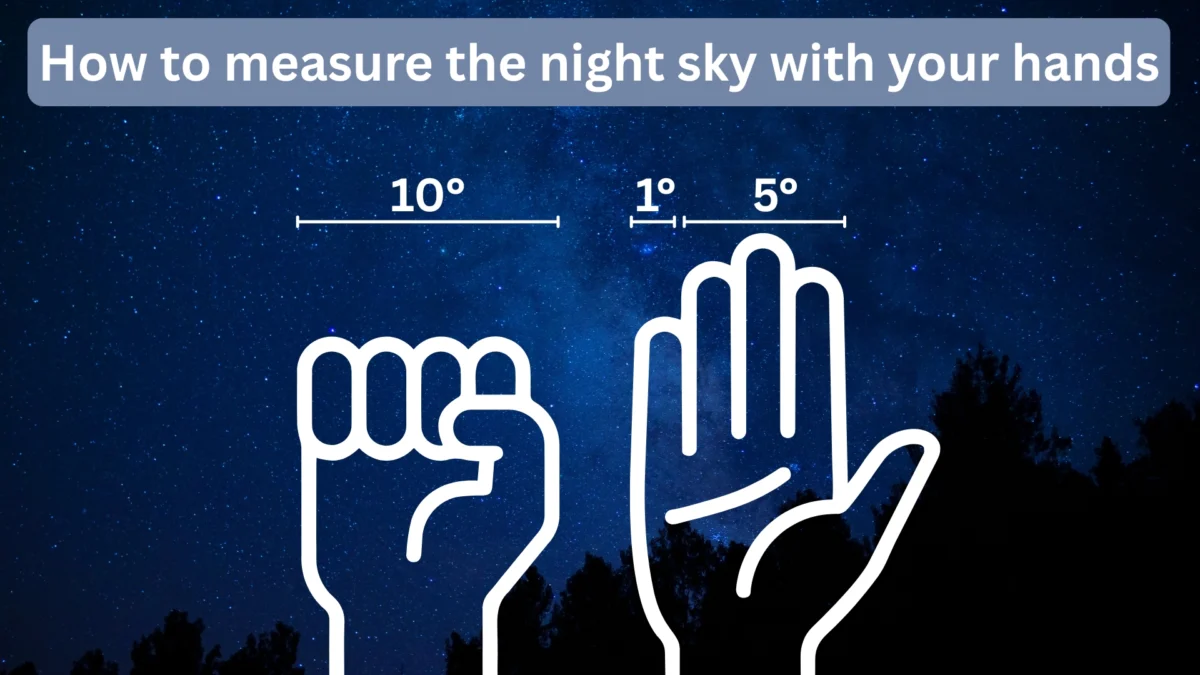
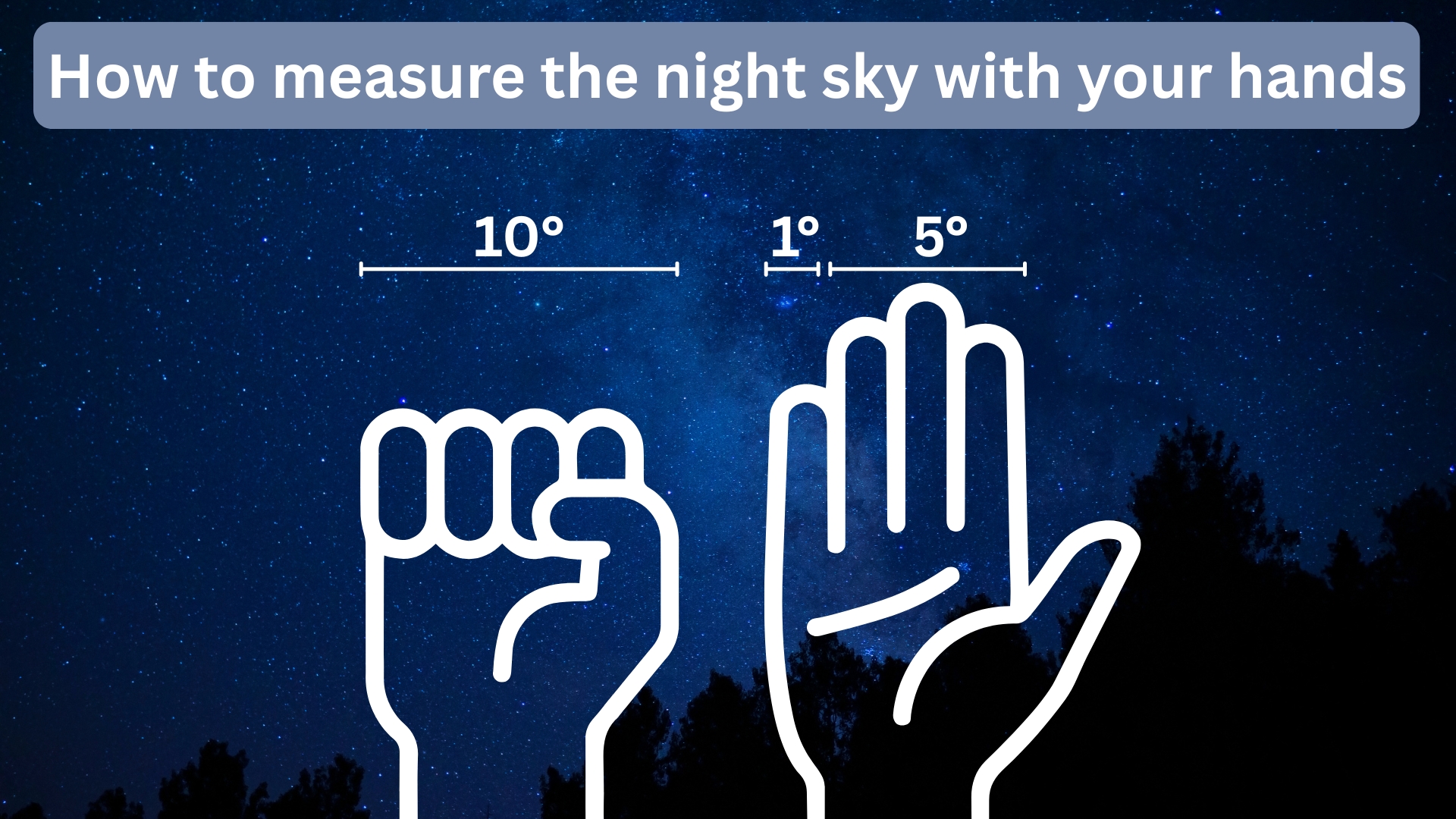
For those measuring distances, remember the "fist rule":
- Clenched fist at arm’s length: 10 degrees of sky.
- Three middle fingers: 5 degrees.
- One finger: 1 degree.
Using these simple tools, you can accurately estimate the distance between the moon and the planets as they congregate throughout the month.
Implications for Stargazers: Equipment and Strategy
The challenges of August skywatching are primarily atmospheric and geometric. Because many of the best conjunctions occur close to the horizon, observers must combat the "thick" air of the lower atmosphere, which causes stars and planets to twinkle and blur.
Telescopic Observation
Saturn remains the premier target for telescope owners. While the rings are currently narrowing as seen from Earth, they still provide a breathtaking view. For the best results, look for Saturn in the south-southeast at the break of dawn.
Binocular Astronomy
The Mercury-Jupiter conjunction on August 15 is a "binocular event." Because these planets will be just 12 degrees from the sun and hanging low in the twilight, they will be difficult to discern against the brightening blue sky. Binoculars are essential for "fishing them out" from the glare.
Astrophotography
For those looking to capture these events, the use of a tripod is non-negotiable. When photographing the moon and planets in the twilight, use a manual white balance to ensure the planets don’t wash out, and consider a long exposure (with a remote shutter release) to capture the faint details of the lunar crescent or the ring structure of Saturn.
Official Perspective and Expert Insights
Joe Rao, a veteran of the Hayden Planetarium and a renowned skywatching columnist, emphasizes that while planetary alignments are common, the "dance" of Mercury and Jupiter this August is particularly worth the effort. "Even though they shine in the bright twilight, the contrast between the small, elusive Mercury and the majestic, bright Jupiter provides a unique aesthetic," Rao notes.
The scientific community often highlights these conjunctions not just for their beauty, but as an opportunity for public engagement. They serve as a reminder that the solar system is a dynamic, moving mechanism. The fact that Earth is currently racing toward Mars at a clip of over 425,000 miles per day serves as a humbling reminder of our constant motion through the vacuum of space.
Conclusion: A Call to the Horizon
The August sky is a testament to the persistent rhythm of the cosmos. From the brilliant Venusian evening to the pre-dawn meetings of the inner and outer planets, the sky offers something for every level of curiosity.
While the challenges of low-horizon viewing and fading twilight are real, they only add to the satisfaction of a successful observation. As you head out this month, find a spot with a clear view to the east-northeast, pack your binoculars, and prepare for a celestial performance that has been billions of years in the making. Whether you are chasing the elusive Mercury or marveling at the rings of Saturn, the August sky is ready to reward your patience.