Throughout the annals of American history, the most significant technological leaps—from the expansion of the transcontinental railroad to the dawn of the digital age—have been propelled by visionary, often polarizing, industrialists. Today, we stand at the threshold of a new era of exploration where the vanguard is no longer just the federal government, but a duo of billionaire titans.
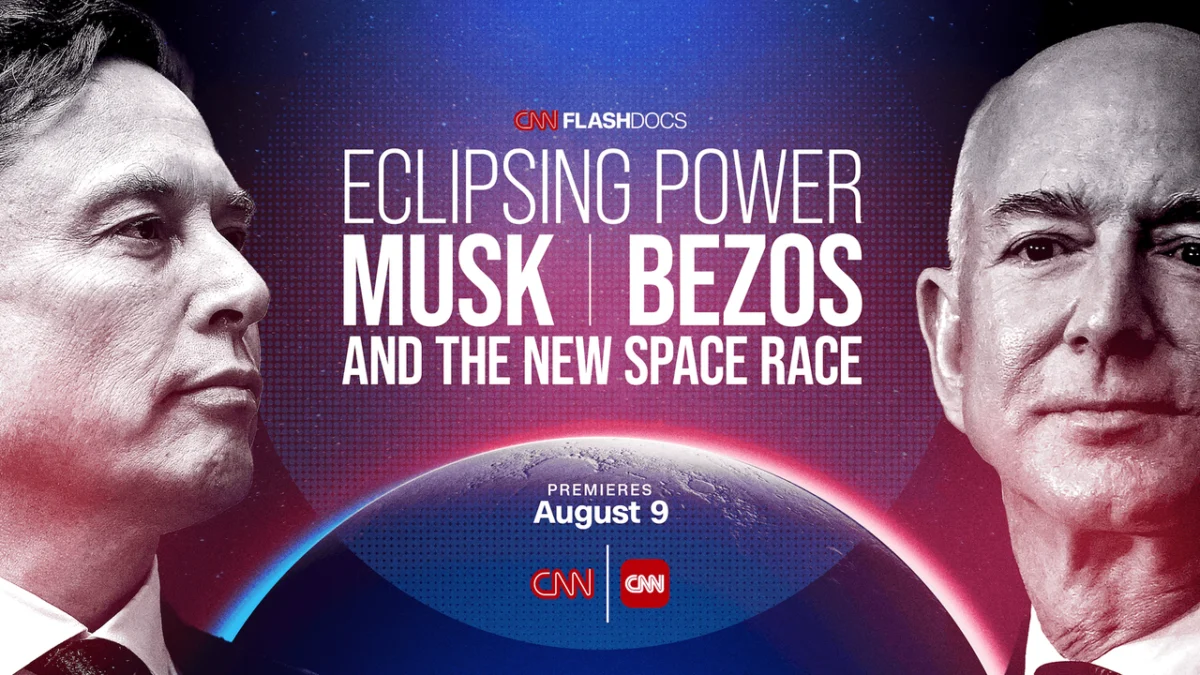
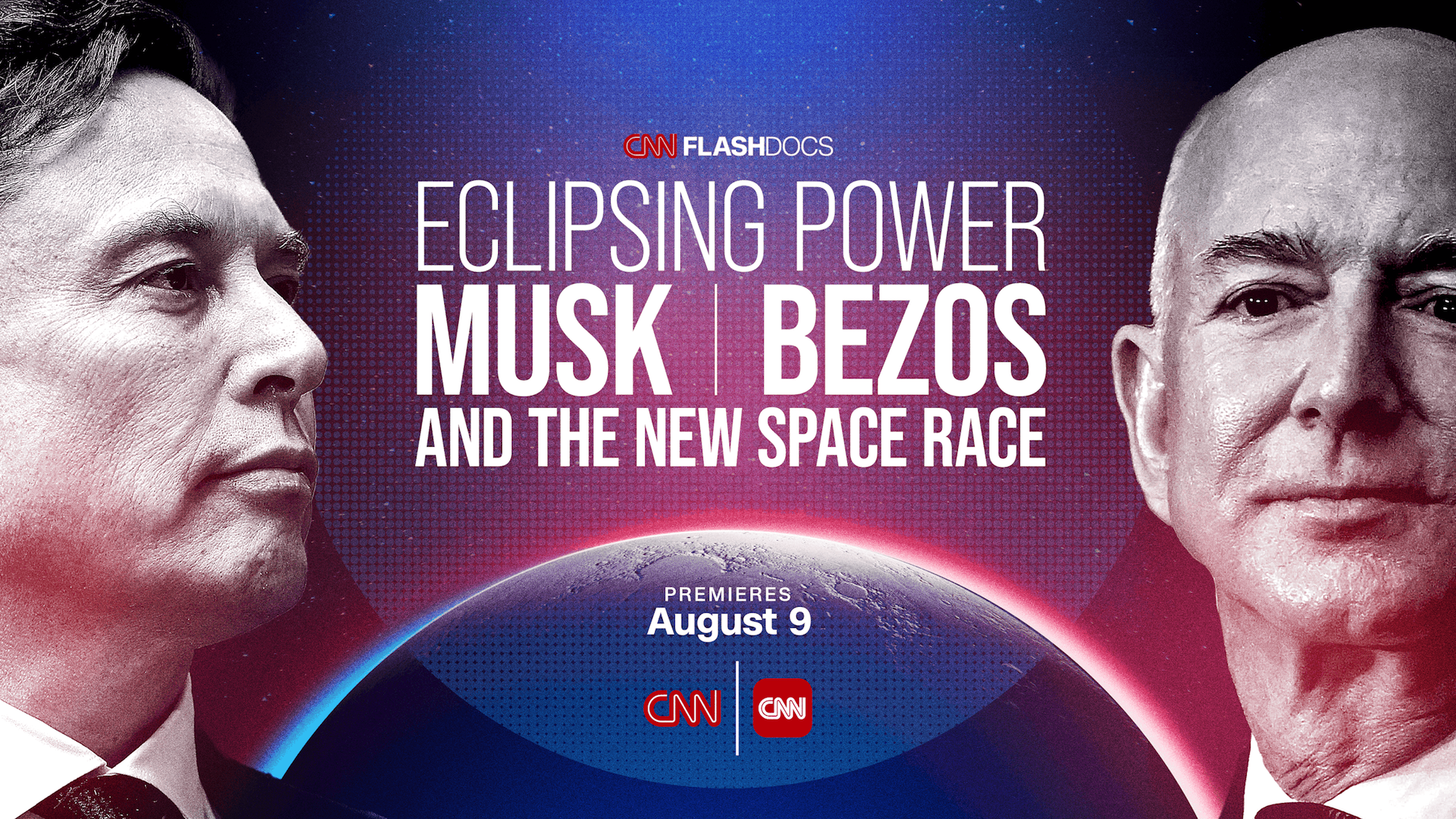
CNN’s upcoming documentary, "Eclipsing Power: Musk, Bezos, and the New Space Race," set to premiere on August 9, 2026, dives deep into this paradigm shift. It examines how Elon Musk’s SpaceX and Jeff Bezos’ Blue Origin have transitioned from industry outsiders to the primary architects of America’s future in space.
The New Vanguard: Musk, Bezos, and the Privatization of Orbit
For decades, the United States space program was synonymous with NASA—a government-led endeavor defined by the Apollo missions and the Space Shuttle era. However, the last two decades have seen a seismic shift toward the commercialization of the cosmos.
"Eclipsing Power" meticulously documents the rise of SpaceX and Blue Origin, framing them as the dual engines of a modern space race. While the 20th-century race was defined by Cold War geopolitics, this 21st-century iteration is defined by private capital, aggressive innovation, and the personal ambitions of two of the world’s wealthiest men.
The documentary features an expansive roster of industry experts, including NASA Administrator Jared Isaacman, science communicator Bill Nye, journalist Kara Swisher, and Elon Musk’s biographer, Walter Isaacson. Together, they dissect the uneasy symbiosis between the public interest of NASA and the private, profit-driven motives of Musk and Bezos.
Chronology: From Garage Ambitions to Orbital Dominance
To understand the current state of spaceflight, one must look back at the humble, often skepticism-filled origins of these companies.
- The Early 2000s (The Foundation): Both SpaceX (founded 2002) and Blue Origin (founded 2000) began as "crazy" ideas. Musk, flush with cash from the sale of PayPal, aimed to reduce space transportation costs to enable the colonization of Mars. Bezos, fueled by the staggering success of Amazon, sought to build the heavy-lift infrastructure required for a massive expansion of human civilization into the solar system.
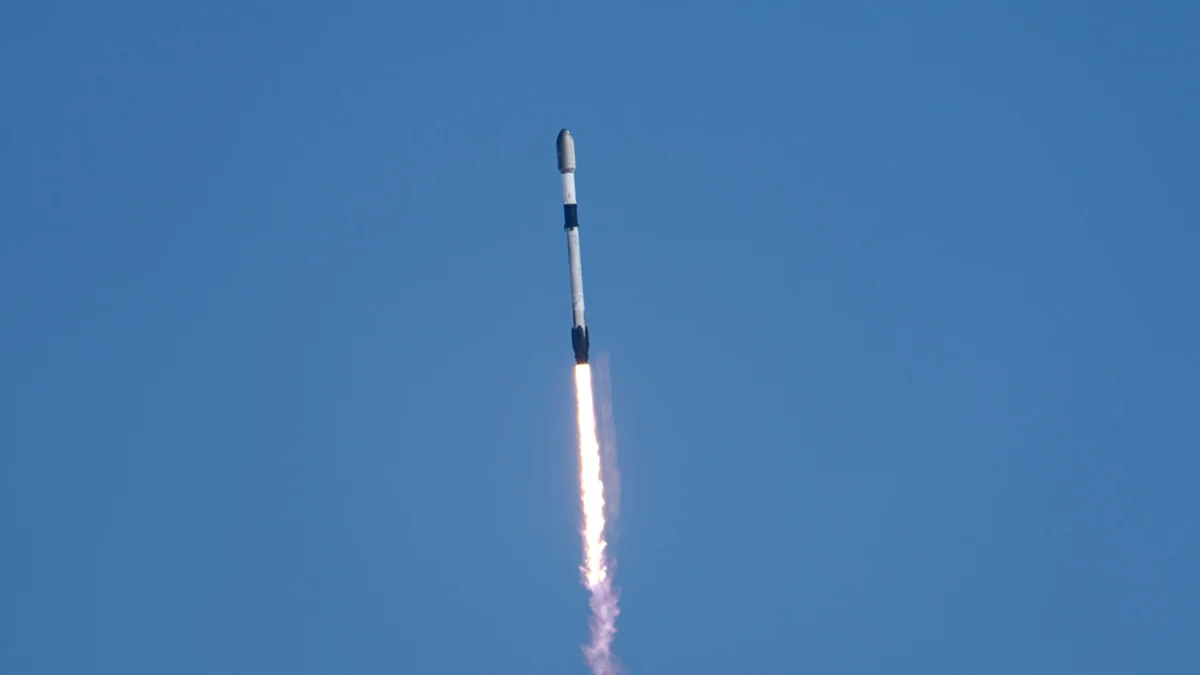
- The Mid-2010s (Reusable Revolution): The industry changed forever when SpaceX successfully landed the first stage of a Falcon 9 rocket after an orbital launch. This feat, once thought impossible, fundamentally altered the economics of space access.
- The Late 2010s to Early 2020s (Commercial Partnerships): NASA began pivoting toward a "services" model, hiring SpaceX to transport astronauts to the International Space Station (ISS) and selecting Blue Origin and others for lunar lander contracts.
- 2026 and Beyond (The Lunar Return): With the Artemis program in full swing, the focus has shifted from low-Earth orbit to the Moon and beyond. The current era represents the "operational" phase of these private-public partnerships, where the reliance on commercial entities is no longer optional—it is the backbone of American space policy.
Supporting Data: The Cost of Commercialization
The shift toward private enterprise has been driven by one metric above all: cost per kilogram to orbit. According to recent industry reports, the cost of launching cargo into space has plummeted by nearly 90% since the early 2000s, thanks in large part to the reusable rocket technology championed by SpaceX.
However, the documentary raises critical questions regarding market concentration. As NASA relies more heavily on these two companies, the risk of "vendor lock-in" becomes a concern. The documentarians highlight the following data points:
- Launch Frequency: SpaceX currently accounts for a dominant share of total global launches, creating a de facto monopoly on heavy-lift capability.
- Defense Contracts: Beyond scientific exploration, both companies have secured massive contracts with the U.S. Department of Defense and the Space Force, signaling that space is becoming a theater for national security as much as scientific discovery.
- Satellite Constellations: Musk’s Starlink initiative represents a new form of "orbital infrastructure," with plans to deploy tens of thousands of satellites, a move that has sparked debate among astronomers regarding light pollution and the future of deep-space observation.
Official Responses and Expert Perspectives
The documentary succeeds by balancing the technological optimism of the billionaire founders with the cautious, analytical perspectives of those tasked with regulating and utilizing these technologies.
The Bill Nye Perspective
In an exclusive clip provided by CNN, Bill Nye, the Chief Ambassador of The Planetary Society, captures the dual nature of this era. While he acknowledges the risks of corporate control, he remains fundamentally optimistic about the scientific outcomes. "What am I most excited about in space exploration?" Nye asks. "Discovering evidence of life elsewhere. Whether it’s the rocks on Mars, or the ocean worlds of Europa and Enceladus… it would change the course of human history."
The Regulatory View
NASA Administrator Jared Isaacman provides insight into the delicate balancing act NASA performs daily. "We are in a partnership," Isaacman notes in the film. "The government sets the destination and the safety requirements, but we rely on the private sector to build the high-frequency, cost-effective machines that make those journeys sustainable."
Implications: A Future in Private Hands
The primary question posed by "Eclipsing Power" is whether the concentration of space exploration power in the hands of two individuals is a net positive for humanity.
The Argument for Innovation
Proponents argue that Musk and Bezos have achieved in twenty years what government bureaucracies could not achieve in fifty. By introducing the "move fast and break things" ethos of Silicon Valley to the aerospace industry, they have catalyzed a renaissance in rocketry. Without their competitive drive, the prospect of a permanent human base on the Moon might still be a distant, unfunded dream.
The Argument for Caution
Conversely, critics—including some featured in the documentary—warn of the risks associated with "privatizing the final frontier." If the infrastructure of space is owned by corporations, do they have the right to claim sovereignty over celestial bodies? What happens if a company fails, or if the billionaire founders decide that their private goals no longer align with the national interest?
Furthermore, the documentary explores the growing rivalry between the United States and China. As the two nations vie for control over the Moon’s south pole—a region rich in water ice—the role of private companies becomes a matter of geopolitical stability. If a private company is the primary contractor for a lunar base, does it represent the U.S. government, or is it an independent actor?
Conclusion: Watching the Future Unfold
"Eclipsing Power: Musk, Bezos, and the New Space Race" serves as both a history lesson and a warning. It is a must-watch for anyone interested in the intersection of technology, finance, and human ambition. By peeling back the layers of these corporate empires, the film forces the audience to consider the cost of progress and the potential consequences of allowing private individuals to steer the destiny of our species among the stars.
The documentary is executive produced by Eric Johnson, alongside CNN Studios’ Amy Entelis and Katie Hinman. It is the latest offering from the CNN FlashDocs division, which has built a reputation for high-impact, investigative storytelling on the cultural and societal forces shaping our world.
How to Watch:
- Streaming Premiere: The documentary will be available exclusively at CNN.com/Watch and via the CNN app beginning Friday, August 7.
- Broadcast Premiere: The program will have its major network debut on Sunday, August 9, at 8 p.m. EDT/PDT on CNN.
As we look toward the launch of the next generation of spacecraft, one thing is clear: the path to the stars is no longer being paved by governments alone. It is being forged by the ambitions, the wallets, and the sheer audacity of two men who are, quite literally, eclipsing our previous understanding of power. Whether this leads us to a new Golden Age or a precarious corporate future remains to be seen, but as Bill Nye aptly concludes in the film, "We’ll see you up there."