VANDENBERG SPACE FORCE BASE, Calif. — In a display of orbital logistics that has become routine yet remains a feat of modern engineering, SpaceX successfully launched another batch of Starlink broadband satellites into low Earth orbit (LEO) on August 8, 2026. The mission, conducted from the scenic central coast of California, underscores the company’s relentless drive to expand its global satellite internet constellation, which has fundamentally altered the landscape of commercial spaceflight and telecommunications.
Mission Overview: A Reliable Routine
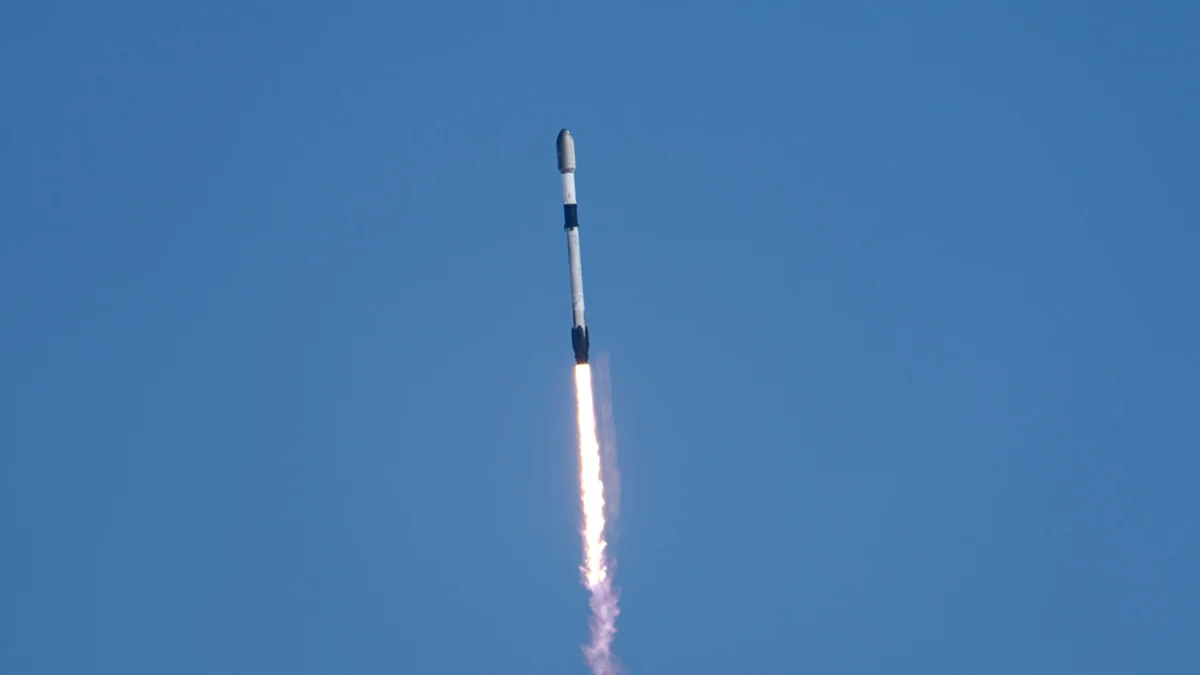
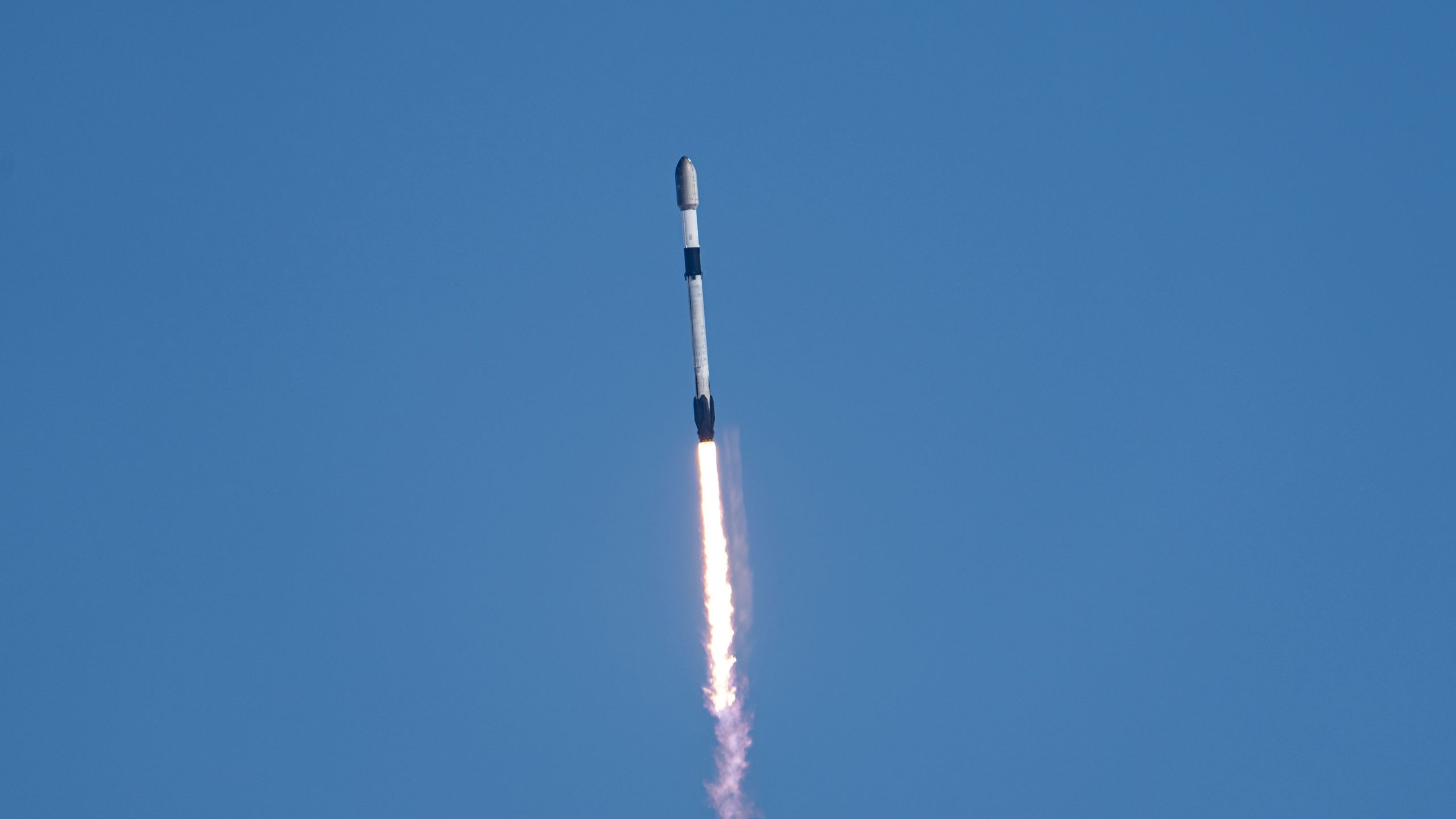
At exactly 12:35 p.m. EDT (1635 GMT; 9:35 a.m. local time), the Falcon 9 rocket ignited its nine Merlin 1D engines, tearing through the marine layer above Vandenberg Space Force Base. The vehicle carried 24 next-generation Starlink satellites, designed to bolster the connectivity network that now serves millions of users across the globe, from remote rural areas to maritime vessels and aircraft.
The launch was not merely a delivery mission; it was a testament to the reusability paradigm that SpaceX pioneered. The first-stage booster, identified by the serial number B1093, performed a flawless ascent before separating from the upper stage. In a maneuver that has become the signature of SpaceX operations, the booster executed a series of engine burns to return to Earth, ultimately touching down on the droneship "Of Course I Still Love You," which was stationed in the Pacific Ocean. This landing marked the 16th flight for this specific booster, a milestone that highlights the maturation of SpaceX’s hardware longevity.
Chronology of the Flight
The mission unfolded with clockwork precision, following a flight profile perfected over hundreds of previous launches.
- T-Minus 35 Minutes: The automated loading of RP-1 (kerosene) and liquid oxygen propellants began.
- T-Minus 0: Liftoff occurred precisely on schedule, with the Falcon 9 climbing rapidly toward its target trajectory.
- T-Plus 2 Minutes 30 Seconds: Main Engine Cutoff (MECO) occurred, followed shortly by stage separation.
- T-Plus 8 Minutes 30 Seconds: Booster B1093 achieved a successful touchdown on the autonomous spaceport droneship, marking its 16th recovery.
- T-Plus 61 Minutes: The second stage, having completed its journey to orbit, successfully deployed the 24 Starlink satellites into their intended LEO deployment altitude.
For the B1093 booster, this mission was a rapid turnaround. It had last flown on July 14, when it carried 27 Starlink satellites from the same launch site. The ability to refurbish and relaunch a flight-proven booster in less than a month remains the gold standard for orbital launch providers worldwide, effectively lowering the cost-per-kilogram to orbit and enabling the rapid build-out of the Starlink constellation.
Supporting Data: A Megaconstellation in Motion
To understand the significance of this launch, one must look at the sheer scale of the Starlink project. This mission represented the 92nd Falcon 9 liftoff of 2026 alone, with 71 of those missions dedicated exclusively to the Starlink program.
The Starlink constellation is, by any metric, the largest orbiting network ever assembled by humanity. Current tracking data indicates that there are more than 10,900 active satellites in LEO belonging to the SpaceX network. This number continues to climb as the company seeks to increase bandwidth and reduce latency for its global user base.
The integration of these new satellites into the existing constellation follows a standard process: once deployed, the satellites utilize their onboard krypton- or argon-fueled ion thrusters to raise their orbits and "phase" into their designated orbital planes. This process can take several weeks, but once completed, the satellites are ready to provide high-speed, low-latency internet to the most underserved regions of the planet.
Official Perspective and Strategic Rationale
While SpaceX often maintains a lean profile regarding mission commentary, the strategic importance of these launches is clear. By dominating the launch cadence, SpaceX has effectively created a "launch-on-demand" environment that allows them to iterate on satellite hardware faster than any competitor.
Industry analysts note that the 2026 cadence is unprecedented. With over 90 launches in the first eight months of the year, SpaceX has surpassed the annual launch totals of entire nations. The reliance on the Falcon 9 as a "workhorse" vehicle has allowed the company to focus its engineering resources on the development of the Starship vehicle—the next generation of heavy-lift rockets intended to eventually replace the Falcon 9 for both Starlink deployments and interplanetary exploration.
Implications for the Future of Connectivity
The successful launch on August 8 has profound implications for global digital equity. As terrestrial fiber-optic infrastructure remains difficult or impossible to deploy in certain geographical locations, satellite-based internet has become a vital utility.
1. Digital Inclusion
Starlink’s ability to provide high-speed internet to remote regions—including mountains, deserts, and islands—has bridged a digital divide that has persisted for decades. This has implications for education, telemedicine, and economic development in developing nations.
2. The Commercial Space Race
The success of this launch further cements SpaceX’s position as the primary player in the commercial launch market. Other companies, both private and state-backed, are struggling to match the cadence and the reliability of the Falcon 9. The fact that a single booster can fly 16 times serves as a major barrier to entry for competitors who are still working on perfecting their own reusability technology.
3. Space Traffic Management
With over 10,000 satellites in orbit, the Starlink constellation has also sparked a necessary international conversation regarding space traffic management and debris mitigation. SpaceX has been proactive, equipping its satellites with autonomous collision-avoidance systems that utilize GPS data to maneuver away from potential conjunctions. However, as the number of objects in LEO continues to grow, the burden on regulatory bodies like the FAA and international space agencies to monitor the environment will only increase.
4. Astronomical Impact
The expansion of the constellation is not without its critics. Astronomers have expressed ongoing concerns regarding the brightness of the satellites, which can interfere with ground-based astronomical observations. SpaceX has worked with the astronomical community to install "visors" and anti-reflective coatings on its satellites to mitigate these effects, but the sheer volume of spacecraft remains a point of tension between the tech giant and the scientific community.
Conclusion
The launch on August 8, 2026, was more than just a successful rocket flight; it was a demonstration of the new reality of the space age. The ability to launch, recover, and iterate at such a blistering pace has turned the final frontier into a bustling, working environment.
As B1093 settles back into the rotation for potential future missions and the 24 new satellites begin their journey to their operational slots, the world continues to be woven together by a web of connectivity in the sky. For SpaceX, the mission was a success. For the rest of the world, it was another step into a future where the internet is no longer tied to cables in the ground, but to the constant, silent passage of satellites overhead.
The year 2026 will likely be remembered as the year when the "megaconstellation" moved from a speculative concept to the primary backbone of global communications—a transition powered by the flames of the Falcon 9 and the ambition of a company that refuses to slow down.