The cosmos is preparing to stage one of its most awe-inspiring performances. On August 12, 2026, the moon will traverse the face of the sun, casting a profound, fleeting darkness across a 182-mile-wide corridor spanning the North Atlantic and parts of Europe. This total solar eclipse, a result of precise orbital mechanics, offers a rare opportunity for millions to witness the day turn into night—a phenomenon that remains one of the most powerful reminders of our place in the solar system.
While the moon orbits Earth once every 27.3 days, it typically misses the sun from our perspective due to the 5-degree tilt of its orbit. However, when the "new moon" phase coincides with the lunar nodes—the points where the moon’s orbital path crosses the ecliptic—a perfect alignment occurs. This August, that alignment will command the attention of the world.
The Path of Totality and Global Visibility
The "path of totality" is the narrow track where the moon completely obscures the solar disk. For the August 12 event, this corridor makes landfall in Greenland and Iceland before sweeping across the northern reaches of Spain.
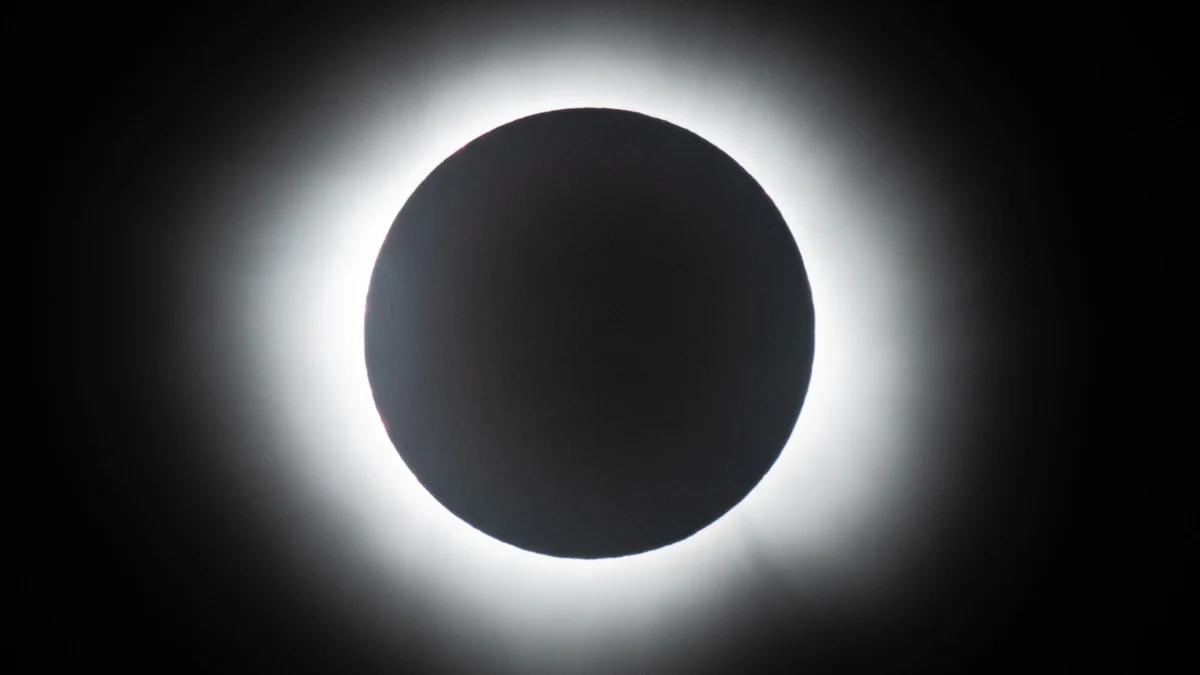
For those located within this path, the experience will be transformative. The sky will darken to a deep twilight, temperatures will drop, and the sun’s elusive outer atmosphere—the corona—will become visible as a ghostly, white halo. Beyond this narrow band, hundreds of millions of observers in Europe, Northern Africa, and parts of North America will witness a partial solar eclipse, where the moon takes a significant "bite" out of the sun, though never fully shrouding it in total darkness.
A Chronological Breakdown: The Five Stages of the Eclipse
Understanding the progression of an eclipse is essential for both safety and observation. Astronomers divide the event into distinct phases, each offering a unique scientific and visual experience.
Stage 1: The First Nibble (Partial Eclipse Begins)
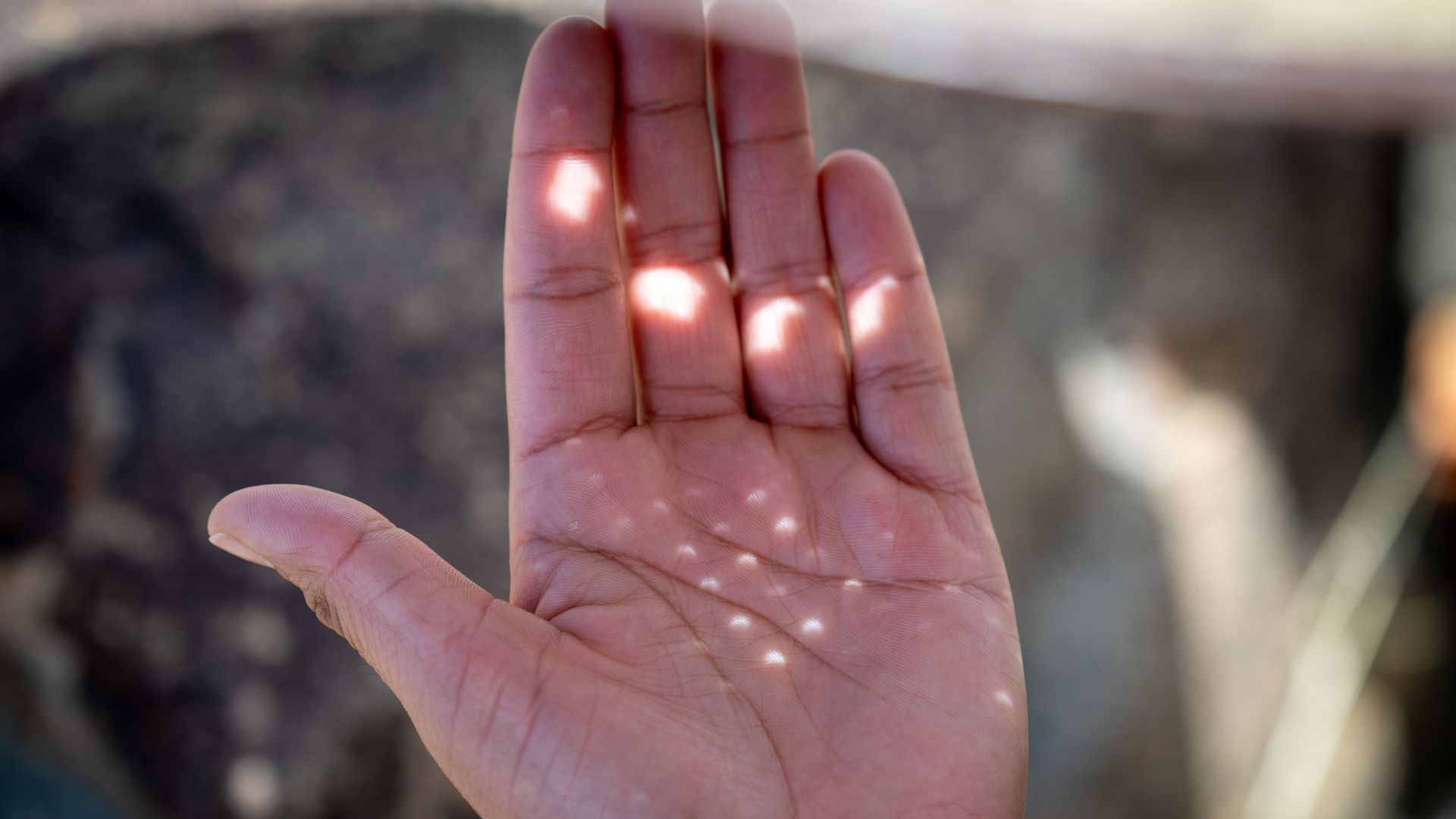
The event begins with "first contact." At approximately 11:34 a.m. EDT (1534 GMT) on August 12, the moon will begin its transit across the solar disk, first visible from Alaska. For the next 90 minutes, the moon will steadily encroach upon the sun. During this phase, observers should look for "crescent projections"—the way sunlight filtering through leaves or colanders creates tiny, crescent-shaped shadows on the ground.
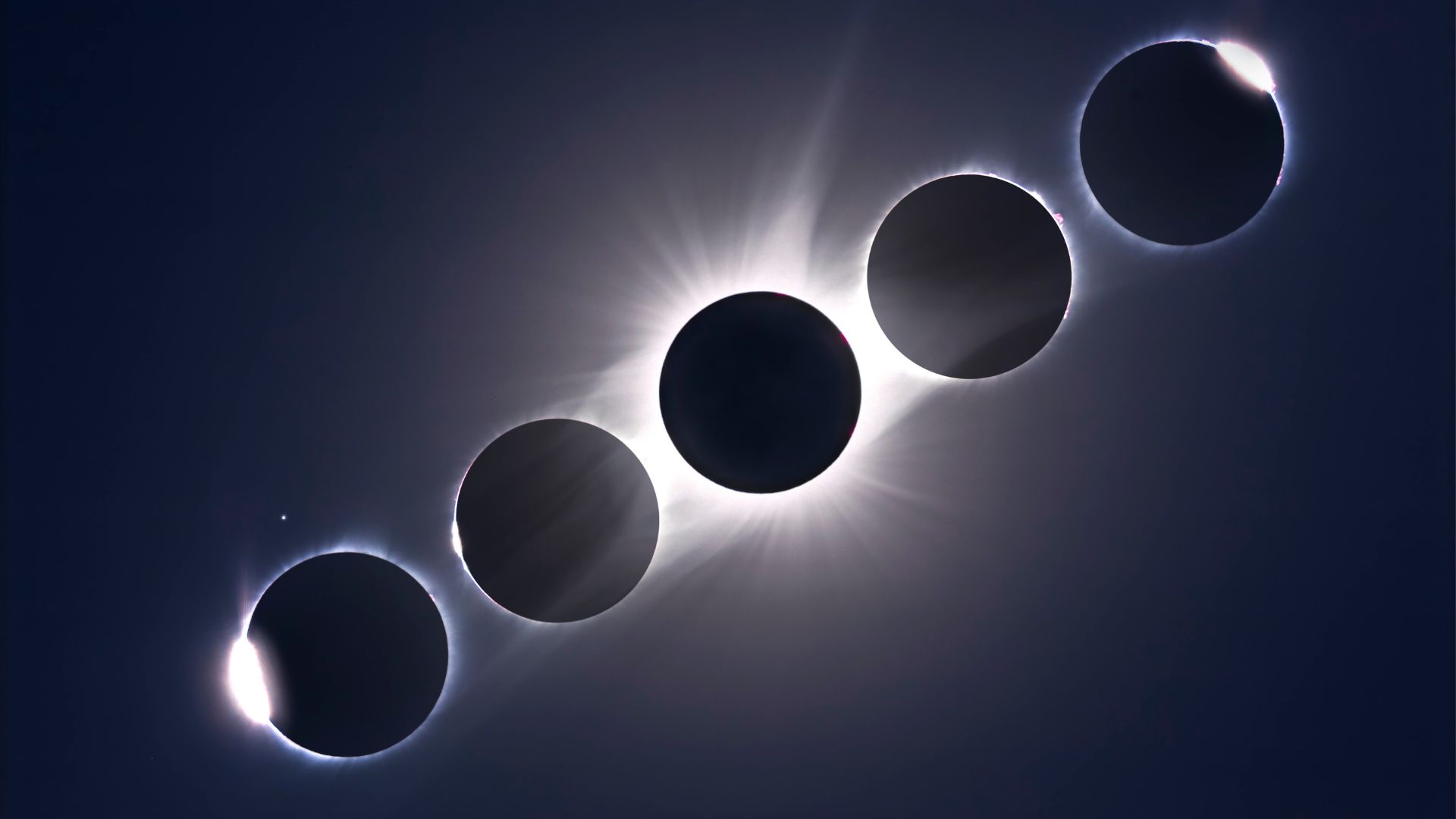
Stage 2: Second Contact and the Diamond Ring
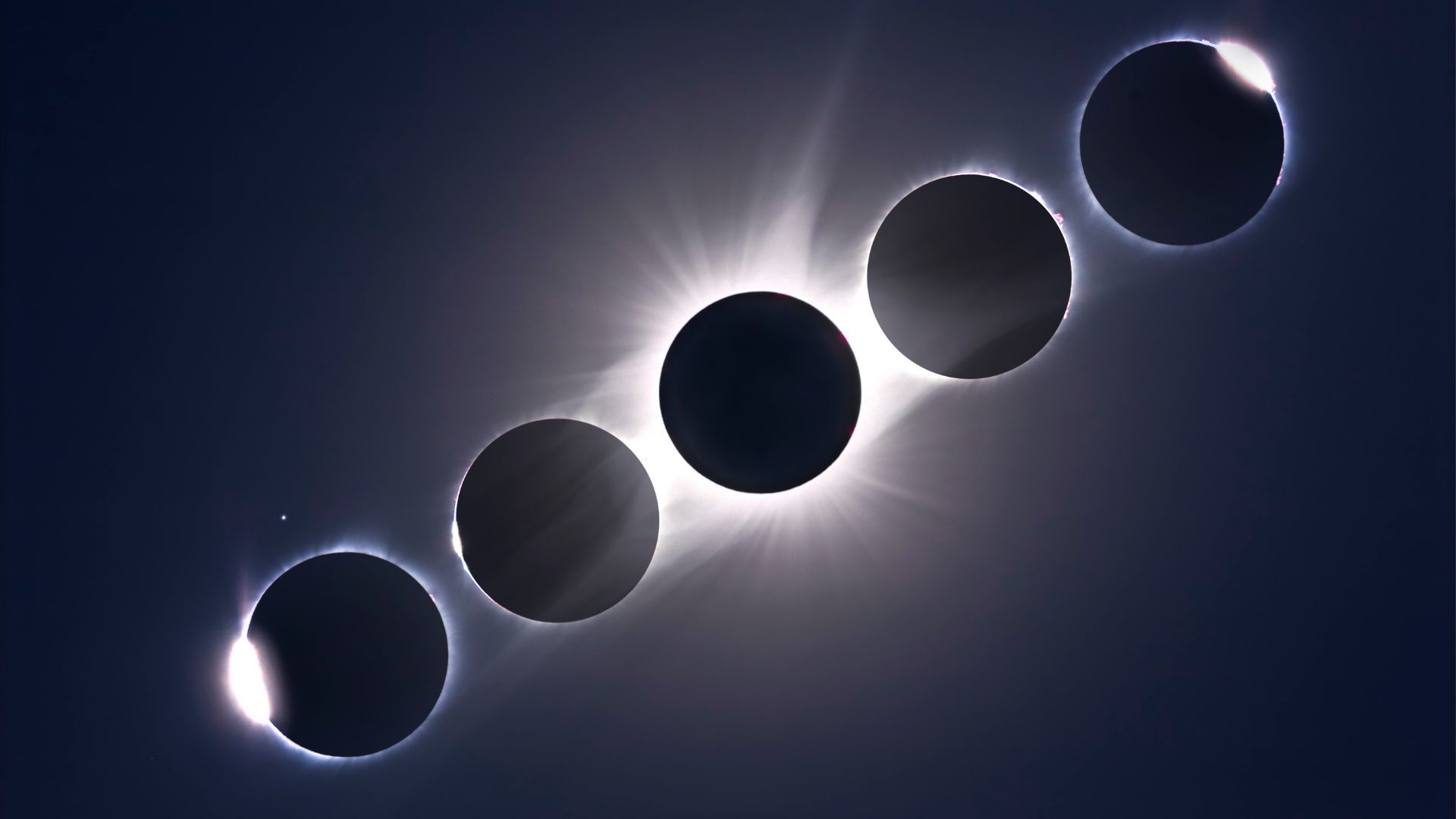
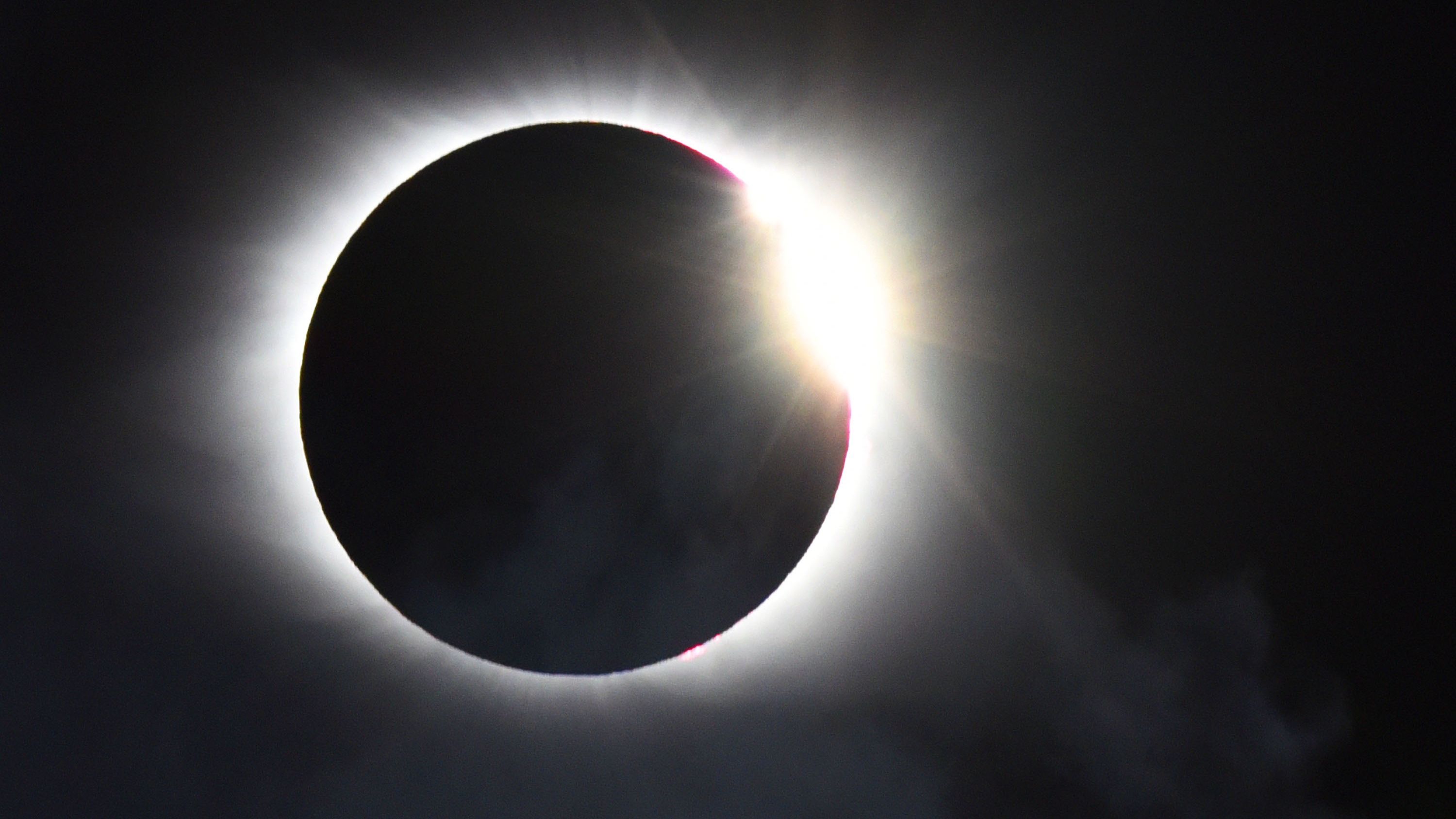
As the final sliver of the sun disappears, the "diamond ring" effect occurs. This is the moment when a single, brilliant point of light remains on the edge of the lunar disk, resembling a celestial engagement ring. Simultaneously, the corona begins to emerge. This is quickly followed by "Baily’s Beads," where sunlight streams through the deep lunar valleys and craters, creating a shimmering string of light points along the moon’s edge.
Stage 3: The Climax (Totality)
This is the heart of the eclipse. During totality, the moon acts as a natural coronagraph, blocking the blinding brilliance of the sun’s photosphere. This allows the inner corona, the chromosphere (a thin, reddish layer of the solar atmosphere), and even solar prominences—massive loops of plasma extending from the sun—to become visible to the naked eye. The atmosphere will grow silent as birds roost and the temperature plummets. Totality for this event will reach a maximum duration of approximately 2 minutes and 18 seconds.
Stage 4: The Emergence
As the moon continues its journey, the western edge of the sun begins to peek out. The diamond ring effect returns in reverse, and the sky begins to brighten rapidly. This is the signal that the period of safe, naked-eye viewing has ended.
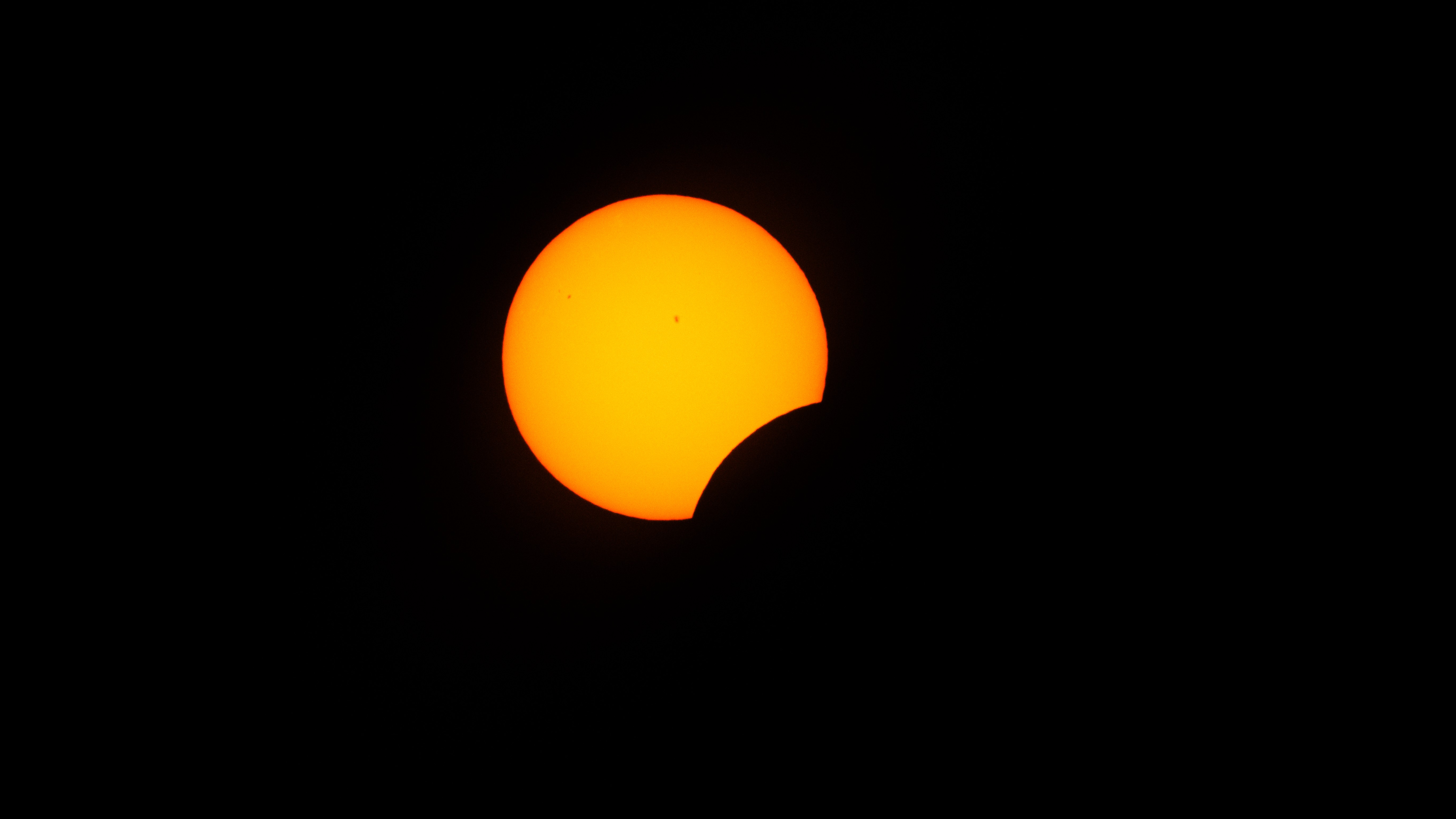
Stage 5: The Final Departure
The eclipse concludes with "fourth contact," when the moon finally clears the solar disk. Globally, the event concludes at 3:57 p.m. EDT (1957 GMT) off the coast of West Africa, returning the sky to its normal, daylight state.
Safety: The Non-Negotiable Rule of Observation
The most critical aspect of any solar eclipse is eye safety. Staring at the sun, even when partially obscured, can cause permanent retinal damage. Standard sunglasses are insufficient. Observers must use ISO 12312-2 certified eclipse glasses.
For those using telescopes, binoculars, or cameras, high-quality solar filters are mandatory. These must be placed over the front aperture of the optics. The only time it is safe to remove eye protection is during the brief, total phase of the eclipse—and even then, one must be prepared to replace the glasses the instant the first sliver of the sun reappears.
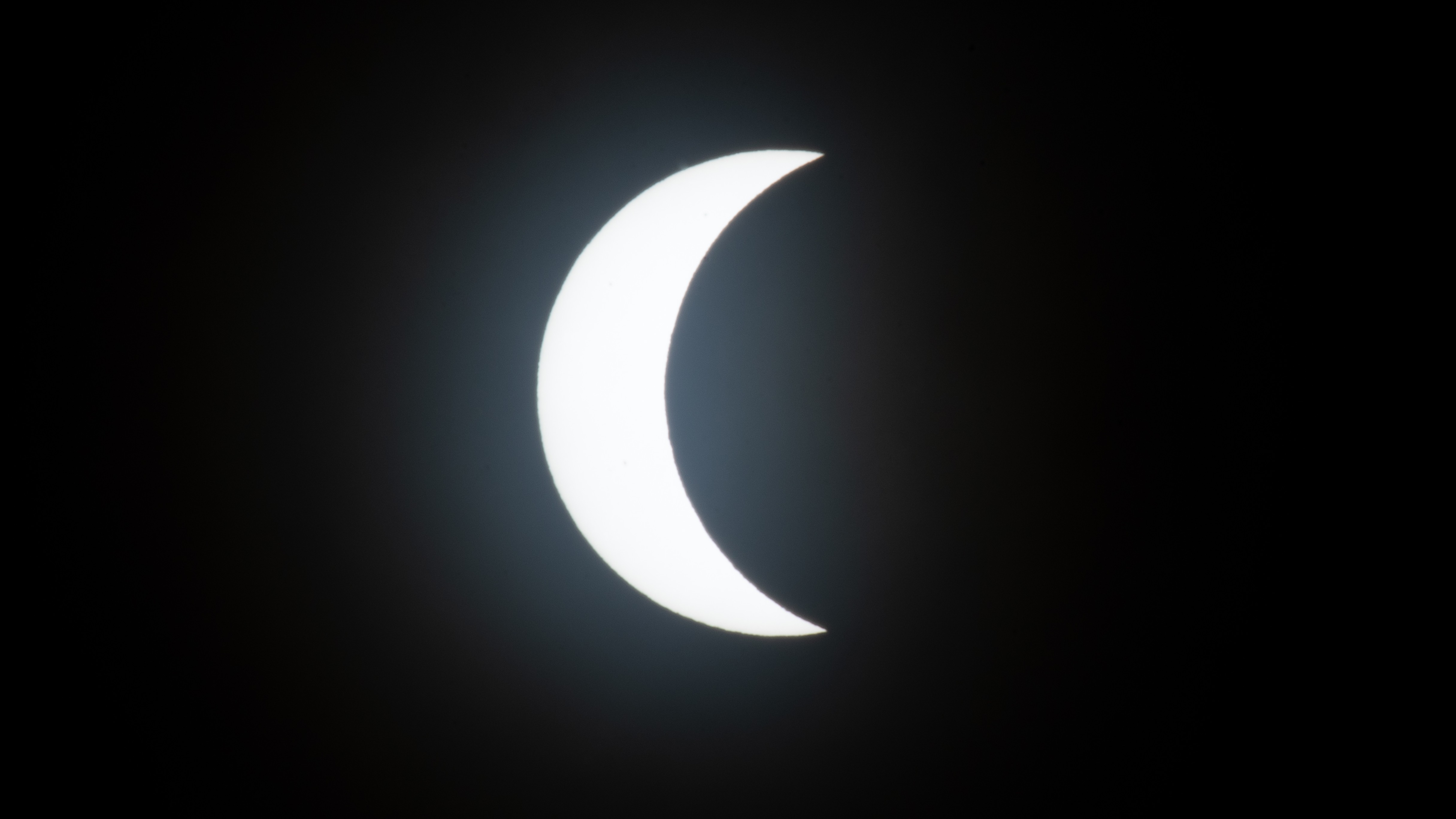
Scientific Implications and Citizen Science
Beyond the spectacle, the August 12 eclipse is a vital window for solar physics. The sun is currently approaching a period of high activity in its 11-year cycle, known as the solar maximum. This means the corona is likely to be particularly complex, with more visible streamers and loops than during the 2024 North American eclipse.
NASA and various international research bodies are leveraging this event through the Dynamic Eclipse Broadcast Initiative. By coordinating citizen scientists along the path of totality, researchers can capture high-resolution, time-lapse data of the corona. These observations help us understand the sun’s magnetic field and the solar wind, which has significant implications for satellite communication and power grids on Earth.
Planetary Alignment and Celestial Companions
During the "false twilight" of totality, the sky will darken enough to reveal celestial neighbors. Jupiter and Mercury are expected to be visible to the lower right of the sun, while Venus should shine brightly to the upper left. Additionally, the event coincides with the peak of the Perseid meteor shower. While meteor showers are usually best viewed in total darkness, a lucky observer might catch a bright fireball during the two-minute window of totality.
Preparing for the Event
For those unable to travel to the path of totality, digital accessibility is at an all-time high. Space.com will be providing a comprehensive live blog, featuring on-the-ground reporting from the waters of Greenland and the hills of Spain.
For photographers, the preparation is intensive. Capturing the eclipse requires not only the right lenses—typically 400mm or longer for a decent solar disk size—but also a plan for the rapidly changing light. Many experts recommend "bracketed" shots to capture the dynamic range between the bright corona and the dark lunar surface.
Final Thoughts: A Shared Human Experience
A total solar eclipse is a rare, unifying event. It strips away the distractions of modern life and forces us to look upward. Whether you are in the path of totality witnessing the corona’s ethereal glow or watching the partial eclipse from home, the event serves as a profound reminder of the mechanical perfection of our solar system.
As the countdown to August 12 continues, the scientific community and the general public alike are preparing for a day that will be remembered for its beauty, its mystery, and its enduring scientific value. For those in the path of the moon’s shadow, the experience is not just a display of astronomy; it is a moment to stand still, look up, and appreciate the clockwork of the cosmos.
Editor’s Note: Space.com is dedicated to providing extensive coverage of the August 12, 2026, eclipse. If you capture footage or photography of the event, please submit your work, along with your location and any observations, to [email protected] to be featured in our community roundup.