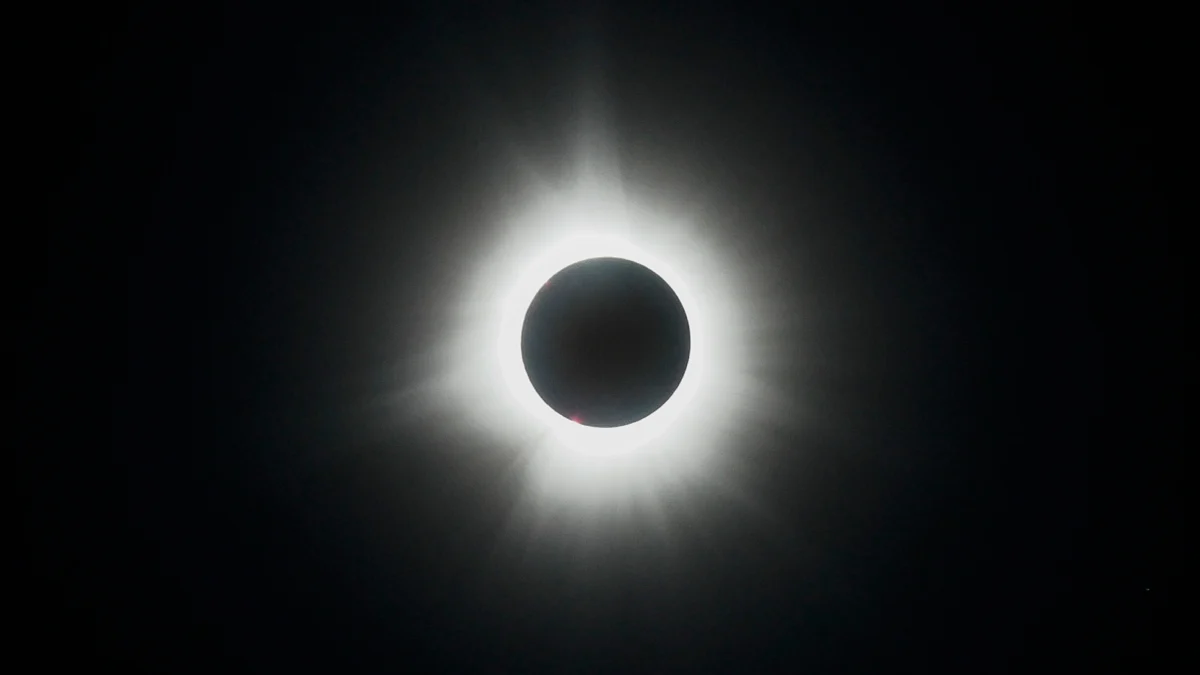
On August 12, 2026, the European continent will bear witness to a celestial event of profound significance. For the first time since 1999, the moon will completely obscure the sun in a total solar eclipse, casting a shadow that will sweep across Greenland, Iceland, and northern Spain, including the picturesque Balearic Islands. This rare alignment, where day briefly surrenders to twilight, promises to reveal the sun’s elusive outer atmosphere—the solar corona—to millions of spectators.
While those fortunate enough to be positioned within the narrow path of totality will experience the full spectacle, a much broader audience across Europe, the northeastern United States, and eastern Canada will witness a partial solar eclipse, observing as the moon appears to take a dramatic "bite" out of the solar disk.
Main Facts: A Celestial Alignment
The total solar eclipse of August 12, 2026, is not merely a momentary curiosity; it is a complex alignment of orbital mechanics. Totality occurs when the moon, during its new moon phase, passes directly between the Earth and the sun, casting its darkest shadow—the umbra—upon a specific path on the Earth’s surface.
For observers within this path, the experience is transformative. As the moon’s silhouette encroaches on the sun, the ambient light will dim, temperatures will drop, and the sky will transition into an artificial dusk. The "diamond ring" effect—a final flash of light just before total coverage—will herald the reveal of the corona, a shimmering, pearlescent glow of superheated plasma that is usually drowned out by the sun’s brilliance.
The path of totality is relatively narrow, requiring precise geographical positioning. Greenland and Iceland will be the first to experience the phenomenon, followed by a dramatic transit over the northern regions of Spain. As the shadow travels eastward, it will reach the Balearic Islands just as the sun nears the western horizon, providing a uniquely low-angle perspective for observers in that region.
Chronology of the Event
The journey of the moon’s shadow begins in the high Arctic. As the morning of August 12 progresses, the umbra will strike the coast of East Greenland.
- Morning (Arctic Sector): The eclipse reaches Greenland and Iceland early in the day. Expeditions are currently positioned in these remote regions, including the MS Spitsbergen, which is navigating the icy waters of Scoresby Sund, the world’s largest and longest fjord system.
- Late Afternoon (Iberian Peninsula): The shadow will sweep across northern Spain. This phase is critical for the scientific community, as the sun will be positioned low on the horizon, offering a unique opportunity to study the solar corona against the backdrop of a setting sun.
- Sunset (The Finale): The eclipse concludes as it moves over the Balearic Islands. Because the event occurs shortly before sunset, the spectacle will be visually distorted by the atmosphere, presenting a "hanging" sun effect that is expected to be one of the most photographed moments in astronomical history.
Live Reporting from the Path of Totality
To document this historic event, our team has deployed correspondents to the two most critical vantage points along the path of totality.
The Arctic Frontier: Scoresby Sund
Our skywatching editor, Daisy Dobrijevic, is currently aboard the HX Expeditions vessel, MS Spitsbergen. Her journey, which began in Svalbard, Norway, is aimed at the rugged, icy coastline of East Greenland. The mission is clear: to capture the ethereal beauty of the corona from the silence of the Arctic.
Dobrijevic’s presence in the Arctic is a testament to the dedication required for eclipse chasing. Having faced challenges in previous observations—including a well-documented "bust" during the 2024 eclipse—she brings a seasoned perspective to the unpredictability of weather and atmospheric interference in high-latitude environments.
The Spanish Citizen Science Initiative: Valoria la Buena
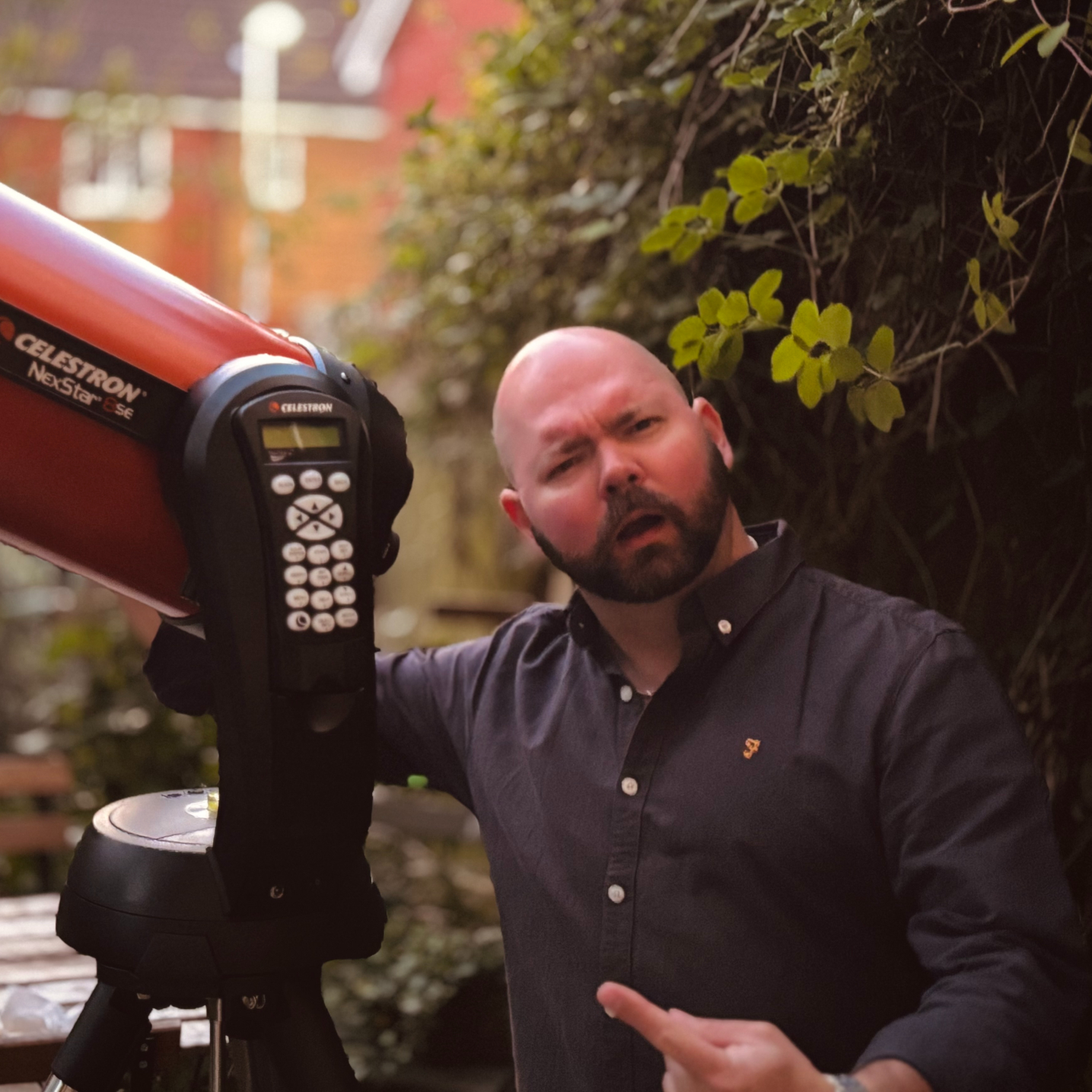
Meanwhile, our skywatching writer Anthony Wood is stationed in Valoria la Buena, Spain. He is participating in the Distributed Eclipse Broadcast (DEB) initiative, a massive citizen science project that aims to create a continuous, high-definition stream of the eclipse.

For Wood, this is more than just a reporting assignment; it is his first-ever total solar eclipse. The Spanish leg of the eclipse is particularly challenging due to the low altitude of the sun, which requires specialized equipment and precise positioning to ensure that terrain or local atmospheric conditions do not obstruct the view.
Supporting Data and Technical Context
The 2026 eclipse is a "saros" event, part of a cycle of solar eclipses that repeat every 18 years, 11 days, and 8 hours. The path width and duration of totality are determined by the distance of the moon from the Earth and the angle of the sun at the specific time of contact.
Critical Viewing Safety
As excitement builds, authorities and astronomical societies are emphasizing the necessity of eye safety. Viewing the sun during any partial phase requires ISO-certified eclipse glasses. Observing the sun through binoculars, telescopes, or cameras without specialized solar filters can cause permanent, irreversible eye damage in a fraction of a second. The "totality" phase is the only time it is safe to remove eye protection, though this must be timed perfectly with the moon’s total coverage.
Scientific Significance
The DEB initiative and other professional-led observations are not merely for show. The 2026 event provides a rare opportunity for researchers to observe the corona’s structure and temperature profile. By coordinating observations across Spain, Greenland, and Iceland, scientists hope to gain a better understanding of solar wind acceleration and coronal mass ejections, which have significant implications for satellite communication and power grids on Earth.
Official Responses and Public Preparedness
Governments in the affected regions have issued comprehensive guidelines for the influx of "eclipse tourists." In Spain, local municipalities have cleared viewing zones and established infrastructure to manage the expected crowds, particularly in the northern provinces.
In Iceland and Greenland, the focus is on environmental preservation. The remote, fragile nature of these ecosystems means that scientific organizations are working closely with tour operators like HX Expeditions to ensure that the surge in human activity does not disrupt local wildlife or leave an environmental footprint.
Implications: A Once-in-a-Generation Event
The August 12, 2026, eclipse represents a rare intersection of nature and human curiosity. Beyond the raw scientific data, the event serves as a unifying cultural moment. As people from different nations gather under the same shadow, the event highlights our collective dependence on the solar system and our enduring fascination with the mechanics of the universe.
For those who miss this opportunity, the wait for the next major European solar eclipse will be significant. The event acts as a reminder of the precision of orbital cycles and the fleeting nature of such spectacles.
Essential Resources for Observers
- Comprehensive Guides: Ensure you have mapped out your local time of contact, as seconds matter.
- Equipment Check: If you are using photography equipment, ensure filters are securely attached.
- Community Engagement: Participate in local citizen science initiatives like the DEB project to contribute to real-time scientific research.
As the clock ticks down, the anticipation is palpable. Whether viewed from the deck of a ship in a silent, icy fjord or from the historic landscape of northern Spain, the total solar eclipse of 2026 is poised to be an indelible memory for all who witness it. Keep your eyes on the skies, prepare your safety gear, and prepare for a moment where, for a few precious minutes, the world will stand still in the shadow of the moon.