On August 9, 1976, the Soviet Union initiated what would become the final chapter of its storied, prolific, and often groundbreaking robotic lunar exploration program. The launch of Luna 24 from the Baikonur Cosmodrome in Kazakhstan marked the end of an era—a period defined by intense geopolitical competition, rapid technological evolution, and a relentless drive to unlock the secrets of our nearest celestial neighbor. While the eyes of the world had largely shifted away from the Moon following the conclusion of the Apollo program, the Soviet Union remained committed to autonomous exploration, proving that robotic probes could achieve feats that laid the groundwork for modern planetary science.
The Mission: A Masterclass in Precision
Luna 24 was a sophisticated robotic sample-return mission, representing the third successful endeavor of its specific design. Powered by the formidable Proton-K rocket—a workhorse of the Soviet space program—the spacecraft embarked on a nine-day journey to the lunar surface.
Upon reaching the Moon, the probe executed a flawless descent, touching down on August 18, 1976, in a dark, basaltic plain known as Mare Crisium, or the "Sea of Crises." The mission objective was clear: to drill into the lunar regolith and retrieve pristine samples for analysis back on Earth. The probe’s automated drill successfully penetrated the lunar crust, extracting approximately 6 ounces (170.1 grams) of soil. After less than 24 hours on the surface, the ascent stage of the lander ignited, launching the return capsule back toward Earth. On August 22, the capsule safely parachuted into the Soviet Union, marking a successful end to the mission.
Chronology of a Legacy: From Luna 2 to the Final Frontier
To understand the significance of Luna 24, one must place it within the context of the broader Soviet lunar strategy. The Luna program was not merely a series of missions; it was a decades-long evolutionary process of engineering and discovery.
- 1959 (Luna 2): The program began with a bang—or rather, an impact. Luna 2 became the first human-made object to reach the lunar surface, effectively proving that the Soviet Union possessed the capability to reach the Moon.
- 1966 (Luna 9): A milestone in space exploration, Luna 9 achieved the first successful "soft landing" on the Moon. This accomplishment arrived four months before NASA’s Surveyor 1, cementing the Soviet Union’s status as a pioneer in autonomous lunar landings.
- 1970–1973 (The Lunakhod Era): The Soviets pioneered robotic mobility on the Moon with the Lunakhod rovers. These remote-controlled vehicles navigated the lunar terrain, gathering data and imaging the landscape, demonstrating that humans did not always need to be present to conduct complex fieldwork.
- 1973 (Luna 23): A cautionary tale in space exploration. Luna 23 suffered damage during its landing on the Moon, causing it to topple on its side. Unable to collect or return samples, the mission served as a sobering reminder of the unforgiving nature of the lunar environment.
- 1976 (Luna 24): The culmination of the program. Luna 24 benefited from the lessons learned by its predecessors, executing its task with surgical precision and closing the Soviet lunar chapter on a high note.
Supporting Data: The Hidden Water Discovery
While the primary objective of Luna 24 was the physical retrieval of regolith, the scientific implications of the samples were far more profound than Soviet engineers initially anticipated. Decades after the mission concluded, scientists conducting modern analysis of the Luna 24 samples discovered tiny traces of water—approximately 0.1% by mass.
This discovery was revolutionary. At the time, the prevailing scientific consensus suggested that the Moon was an entirely desiccated, bone-dry desert. The presence of water molecules, even in such minute quantities, challenged established models of lunar formation and suggested that water might be more common in the solar system than previously hypothesized. This finding paved the way for current exploration efforts, such as the search for water ice in the Moon’s permanently shadowed polar craters, which is now a cornerstone of modern Artemis-era mission planning.
The Mechanics of Return: Engineering Ingenuity
The architecture of the Luna 24 mission was a marvel of mid-1970s engineering. Unlike the manned Apollo missions, which relied on complex life-support systems and heavy command modules, the Soviet sample-return probes were elegant in their simplicity.
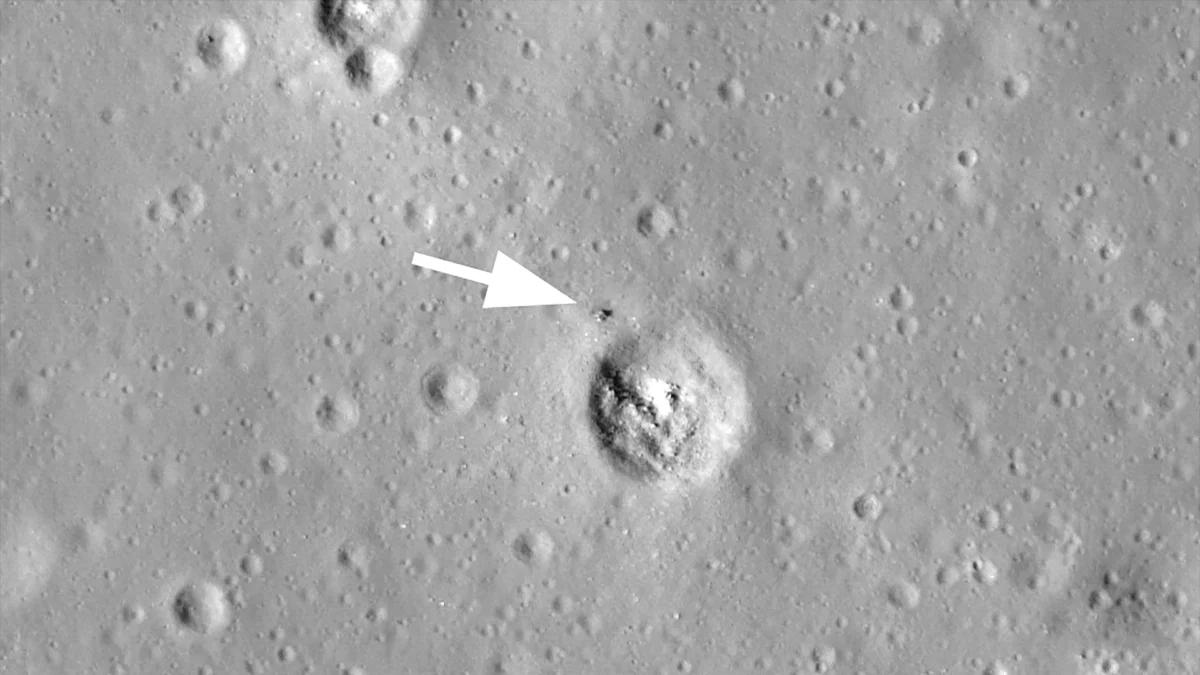
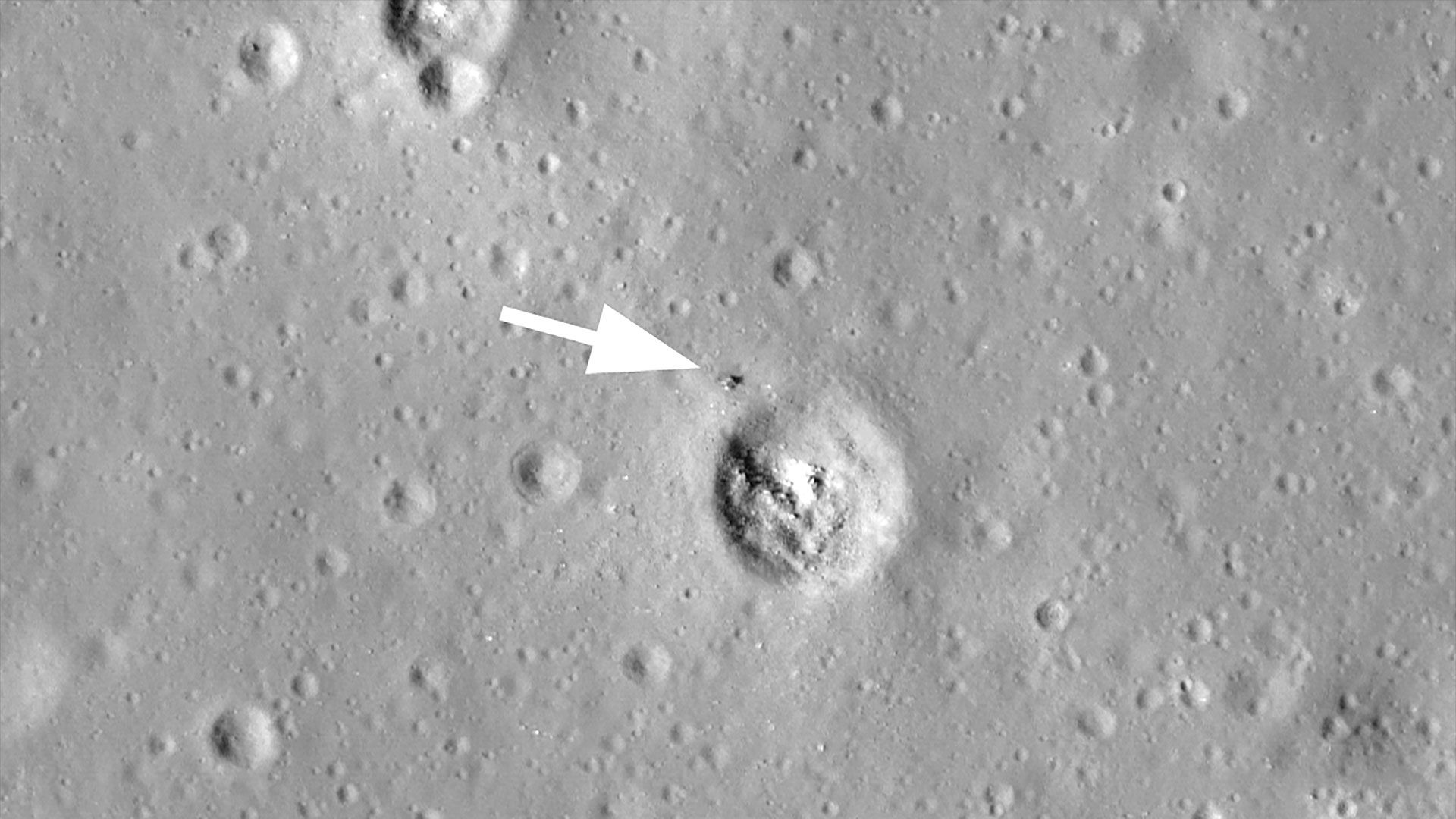
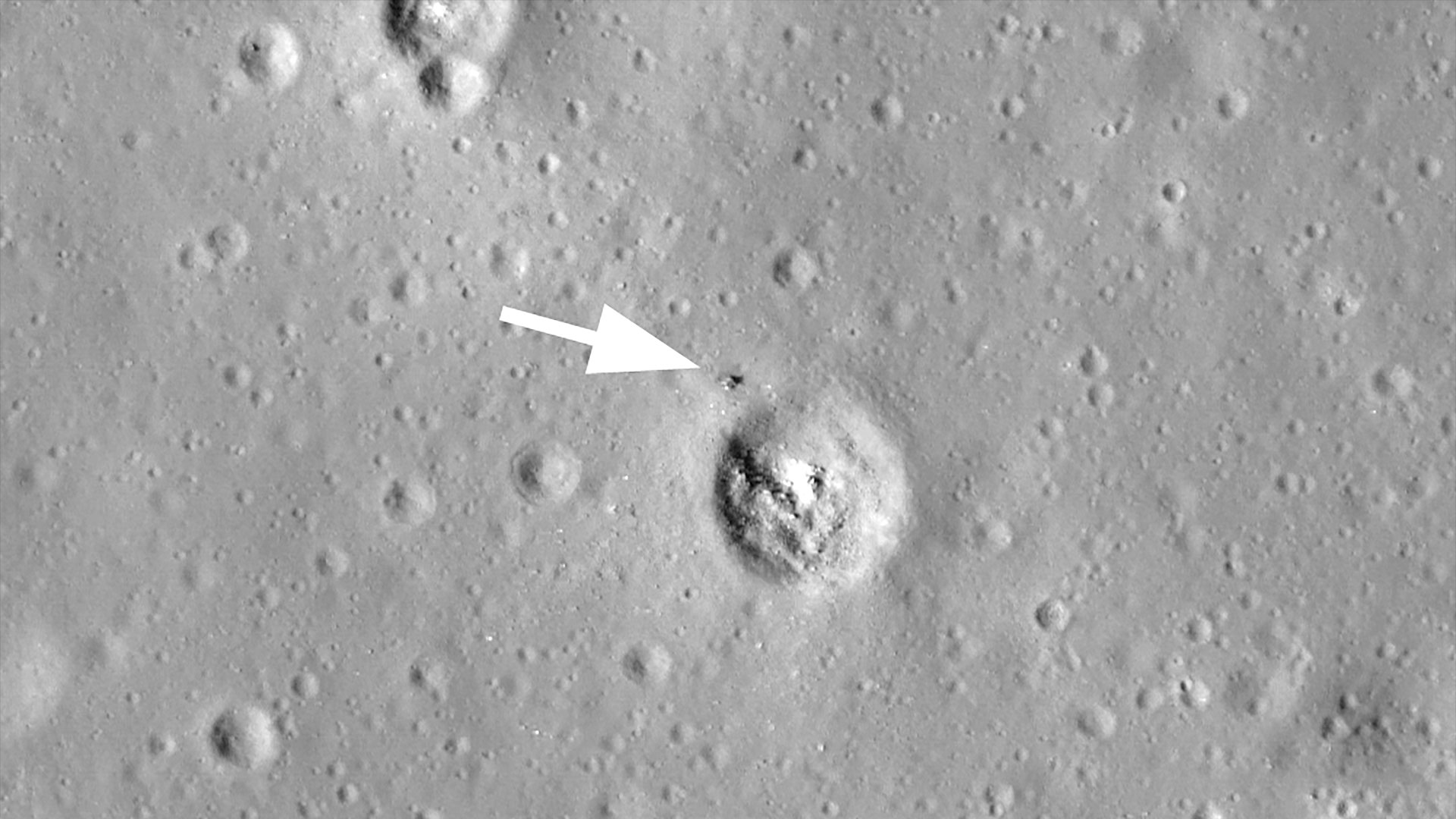
The spacecraft consisted of three distinct sections: the descent stage, which acted as a platform for landing; the ascent stage, which served as the launch vehicle from the Moon; and the Earth return capsule, which was protected by an ablative heat shield to survive the high-speed re-entry into Earth’s atmosphere. This modular design allowed the Soviet space agency to achieve significant scientific results without the extreme cost and risk associated with human spaceflight. Today, high-resolution imagery from NASA’s Lunar Reconnaissance Orbiter (LRO) provides visual confirmation of this legacy, showing the abandoned descent stages of Luna 16, 20, and 24 resting silently on the lunar surface, serving as permanent monuments to the Cold War-era space race.
Implications: The Long Silence and the New Ambition
For 47 years following the success of Luna 24, Russia did not attempt another lunar landing. This prolonged hiatus was a period of introspection and shifting national priorities. However, the allure of the Moon never truly faded. In August 2023, the Russian space agency, Roscosmos, launched Luna 25—an ambitious attempt to reclaim its lunar heritage and explore the lunar south pole.
The mission was intended to be the first in a new, modern fleet of lunar probes. Unfortunately, the mission ended in failure when the spacecraft crashed into the lunar surface following a botched orbital maneuver. The loss of Luna 25 serves as a poignant reminder of the inherent difficulties of space exploration. Even with decades of experience and modern computational tools, the Moon remains a formidable challenge.
A Legacy of Competition and Cooperation
The Soviet lunar program was born of a desire for national prestige, yet its legacy has become a shared asset for the international scientific community. By engaging in the Space Race, the Soviet Union pushed NASA to innovate, and by successfully returning samples from the Moon, it provided the global scientific community with unique materials that continue to yield new insights into the history of the Earth-Moon system.
As we stand on the precipice of a new era of lunar exploration—with international public agencies and private corporations racing to establish permanent bases on the Moon—the missions of the 1970s look more relevant than ever. Luna 24 was not just the end of a Soviet program; it was a precursor to the sustained presence humanity now hopes to build.
The dark plains of Mare Crisium still hold the silent wreckage of human ambition. They remind us that exploration is a continuous process of trial and error, where each failure provides the data for the next success, and each success serves as a foundation for future generations to reach higher. As history looks back on the 1976 mission, it is clear that Luna 24 was a triumph of persistence, providing a bridge between the analog technology of the past and the digital, high-stakes exploration of the future. The Soviet Union may have concluded its lunar journey in 1976, but the knowledge harvested from those samples continues to quench the thirst of modern planetary science.