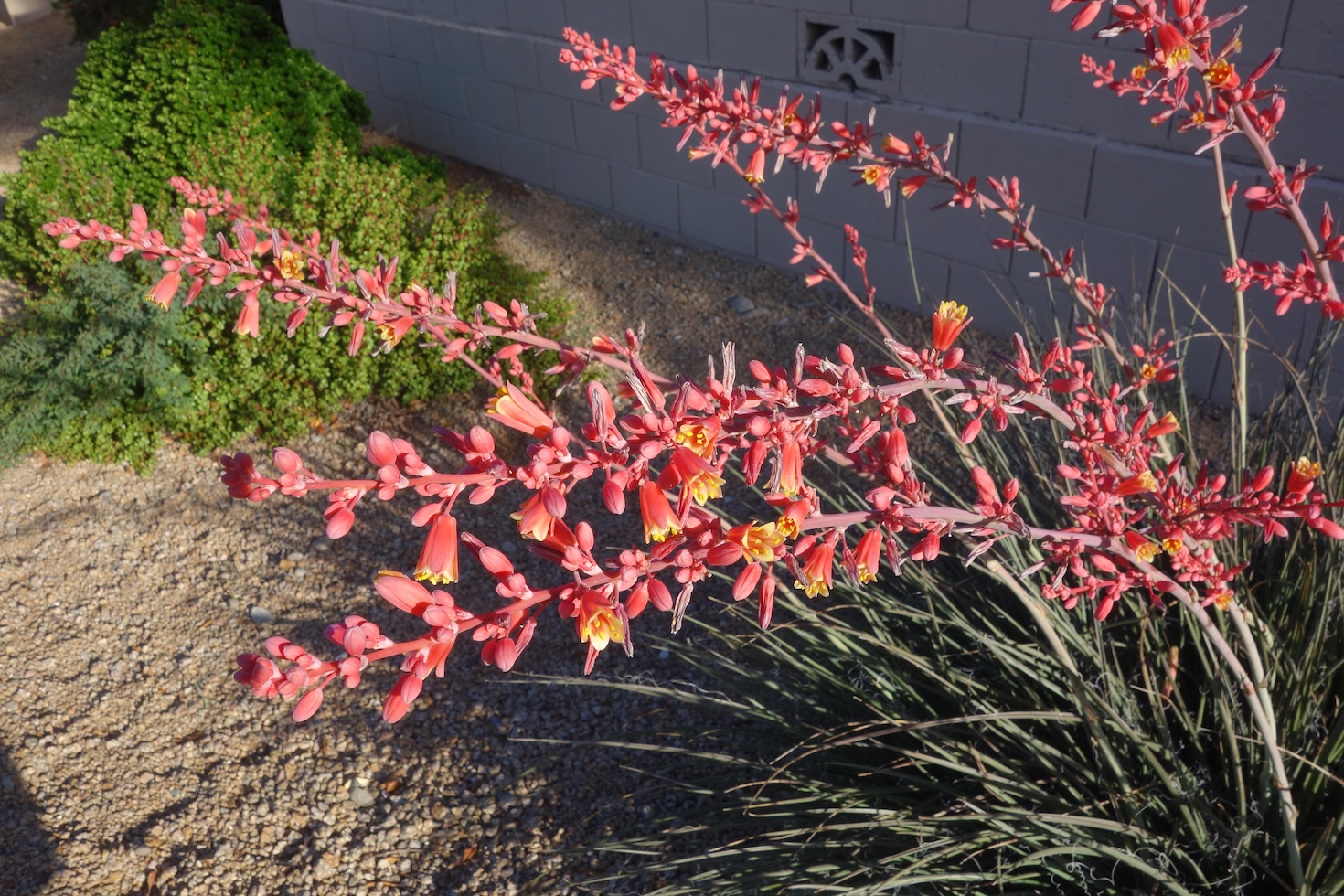
In a move that signals a seismic shift in the consumer goods landscape, Kimberly-Clark—the global powerhouse behind iconic brands like Kleenex, Scott, Huggies, and Kotex—is doubling down on its commitment to decouple paper production from natural forests. Two years after launching an ambitious “natural forest-free” sourcing pledge, the company has begun construction on a transformative manufacturing facility in Yuma, Arizona. This plant is designed to scale the production of hesperaloe, a drought-resistant succulent, marking a pivotal transition from traditional wood pulp to regenerative, non-wood fibers.
This strategic pivot is not merely a corporate sustainability exercise; it is a fundamental redesign of a supply chain that has relied on timber for over a century. As Kimberly-Clark nears its 2030 sustainability targets, the move highlights a growing tension in the paper industry: how to meet the insatiable global demand for hygiene products without sacrificing the world’s most critical carbon sinks.
The Chronology of Change: A Decade of Transition
The journey toward this industrial milestone did not happen overnight. It is the culmination of over a decade of research and a $250 million investment in alternative materials.
- 2011: The baseline year for Kimberly-Clark’s current sustainability metrics. This year serves as the anchor point for the company’s efforts to reduce its reliance on virgin fiber sourced from natural forests.
- 2015: Kimberly-Clark established its Scope 1 and Scope 2 greenhouse gas reduction targets, setting the stage for a broader climate strategy.
- 2022: The company formally announced its "natural forest-free" paper sourcing pledge, a direct response to environmental criticism regarding the impact of tissue production on boreal and temperate old-growth forests.
- 2025: A watershed year in the company’s sustainability report. Kimberly-Clark confirmed a 50 percent reduction in fiber use from natural forests compared to the 2011 baseline.
- Late 2025/Early 2026: Construction commenced on the Yuma, Arizona facility, dedicated to the processing of hesperaloe—a native, low-water succulent—for integration into consumer hygiene lines.
Supporting Data: Measuring the Environmental Footprint
The shift away from traditional wood pulp is supported by a robust data-driven framework. Kimberly-Clark defines "natural forests" as those consisting of old-growth trees or forests that regenerate naturally, particularly within sensitive boreal or temperate ecosystems.
While the company remains heavily reliant on Forest Stewardship Council (FSC)-certified virgin pulp—which accounted for 77 percent of its virgin fiber purchases in its most recent reporting cycle—the diversification strategy is accelerating. The data indicates that this reliance is shrinking in favor of regenerative alternatives.
Emissions Progress
Beyond fiber sourcing, the company has made significant strides in decarbonization:
- Scope 1 and 2 Emissions: Kimberly-Clark has achieved a 46 percent reduction in absolute greenhouse gas emissions from operations and purchased electricity since 2015. This puts the company well on track to meet its 50 percent reduction goal by 2030. These categories represent roughly 30 percent of the company’s total carbon footprint.
- Scope 3 Emissions: The company has seen a 16 percent reduction in indirect activities, such as supply chain logistics and end-of-life waste management. The target for 2030 is a 20 percent reduction in these specific categories, reflecting the immense difficulty of managing emissions deep within a global value chain.
Official Responses: The R&D Perspective
For the leadership team at Kimberly-Clark, the move toward hesperaloe is a calculated bet on long-term resilience. Craig Slavtcheff, the company’s chief research and development officer, emphasized that the shift is as much about business logic as it is about environmental stewardship.
"While testing continues, we are optimistic about early results and believe this material will provide curve-bending performance in our products while strengthening our long-term growth and supply chain resilience," Slavtcheff noted. "It accelerates our journey toward a future less dependent on traditional fiber sources."
This sentiment is echoed by environmental advocates who have long pressured the industry for change. Shelley Vinyard, director of global nature at the Natural Resources Defense Council (NRDC), described the move as a "potentially market-shifting breakthrough." However, Vinyard added a note of caution: "If Kimberly-Clark can scale up production of this fiber sustainably and without displacing other native ecosystems, this could alleviate significant pressure on the forests currently used to make tissue products."
Implications for the Industry
Kimberly-Clark’s venture into hesperaloe, alongside ongoing research into wheat straw, sugar cane, and sorghum, positions it as a leader among its peers, who have historically been slower to innovate.
The Competitive Landscape
The consumer hygiene market is currently witnessing a dichotomy between legacy giants and agile startups. While companies like Procter & Gamble (P&G) have invested in limited bamboo-based tissue offerings and pledged an additional $20 million toward non-wood fiber research, the pace of adoption remains conservative. Similarly, Georgia-Pacific has explored bast fibers like hemp and jute, though these have not yet been integrated into mainstream bathroom tissue lines.
In contrast, smaller startups are proving that the transition can happen much faster. A notable example is Paddy Paper, which utilizes leftover rice straw—a waste byproduct of the world’s third-largest food crop. With an estimated 220 billion pounds of rice straw burned annually, the potential for repurposing agricultural waste into paper products is immense, offering a circular economy solution that large corporations are only beginning to tap into.
The Challenge of Scale
The primary hurdle for Kimberly-Clark is not just proving that hesperaloe works in a lab, but scaling it to meet the requirements of a global supply chain. Moving from a niche, sustainable raw material to the massive volume required for brands like Kleenex requires a revolution in agricultural infrastructure. The Yuma facility is the testing ground for this transition. If successful, it could force a re-evaluation of the entire industry’s reliance on monoculture timber plantations.
Future Outlook: A Regenerative Path Forward
As the 2030 deadline for the company’s broader sustainability goals approaches, the "natural forest-free" pledge remains a work in progress. While Kimberly-Clark has declined to set a firm "zero" date, the current momentum suggests a clear trajectory away from timber-dependent manufacturing.
The implications of this shift are profound. By sourcing fibers from low-water crops and agricultural residues, Kimberly-Clark is not only reducing its impact on old-growth forests but also decoupling its manufacturing costs from the volatile timber market. Furthermore, this move forces a dialogue on what "sustainability" means in the 21st century. It is no longer enough to merely certify that wood was harvested "responsibly"; the industry is now being asked to prove that its raw materials are restorative by design.
The path forward will require balancing consumer expectations for softness, durability, and cost with the realities of ecological preservation. If the Yuma facility succeeds, it will likely trigger a ripple effect throughout the CPG (Consumer Packaged Goods) industry, forcing competitors to pivot or risk being left behind in a marketplace that increasingly rewards environmental responsibility.
Ultimately, Kimberly-Clark’s experiment with hesperaloe is a testament to the fact that the most significant innovations in sustainability often come from looking at the landscape with fresh eyes—turning to the desert’s succulents and the farmer’s waste to protect the world’s forests. The coming years will be the true test of whether these alternatives can achieve the "curve-bending performance" the company promises, but for now, the industry has a new benchmark for what corporate accountability looks like.