The "Star Trek" franchise is hurtling toward a monumental milestone, moving at warp speed toward its 60th anniversary on September 8, 2026. Since Gene Roddenberry first introduced the world to the USS Enterprise and its mission to "boldly go where no man has gone before," the franchise has transcended the boundaries of television to become a cultural touchstone, a beacon of hope, and a philosophical framework for millions. As the countdown to this historic anniversary reaches its final stages, the global community of "Trek" fans—affectionately known as Trekkies—is preparing to celebrate six decades of visionary storytelling.
The Genesis of an Institution: From 1966 to 2026
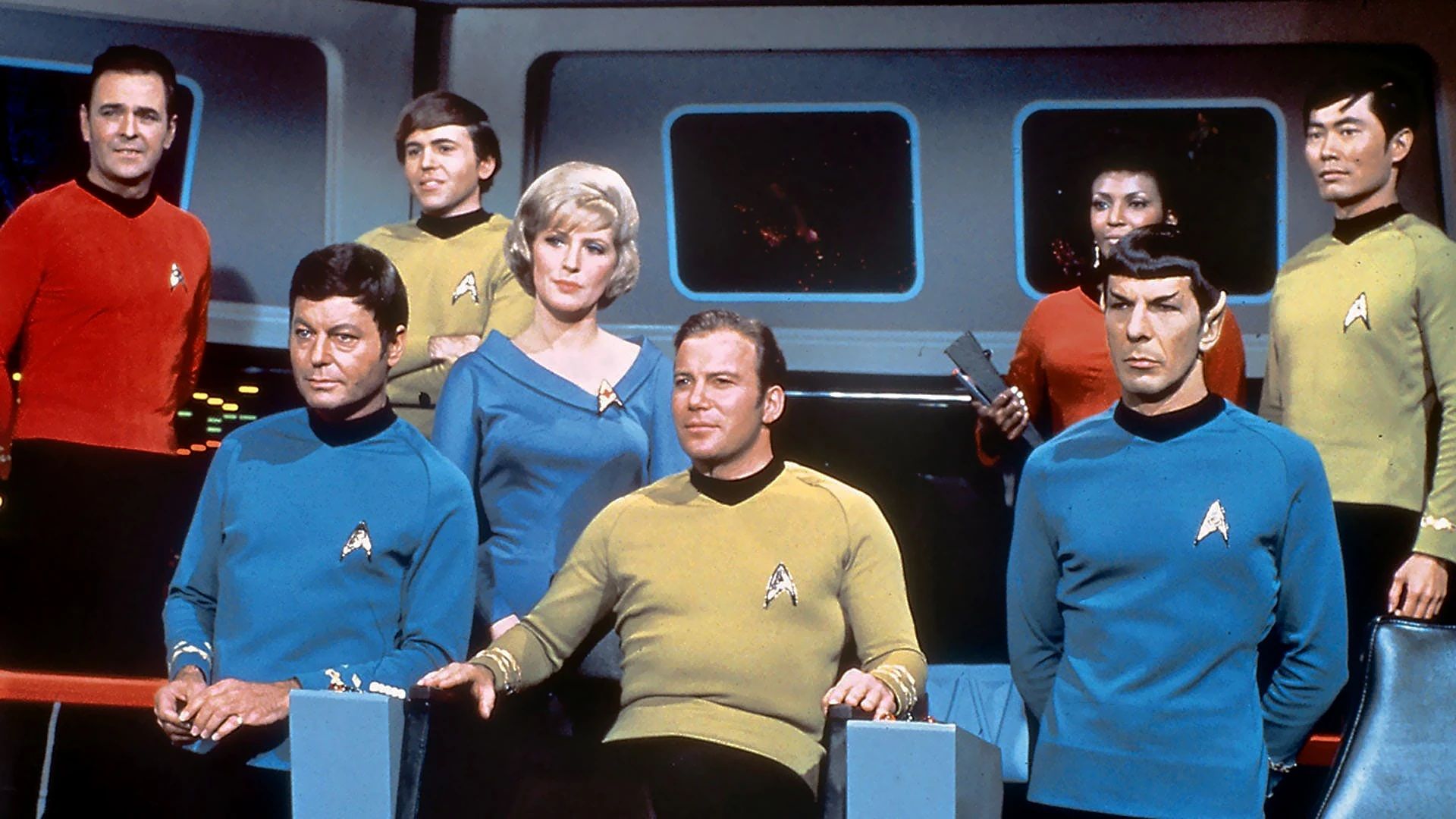
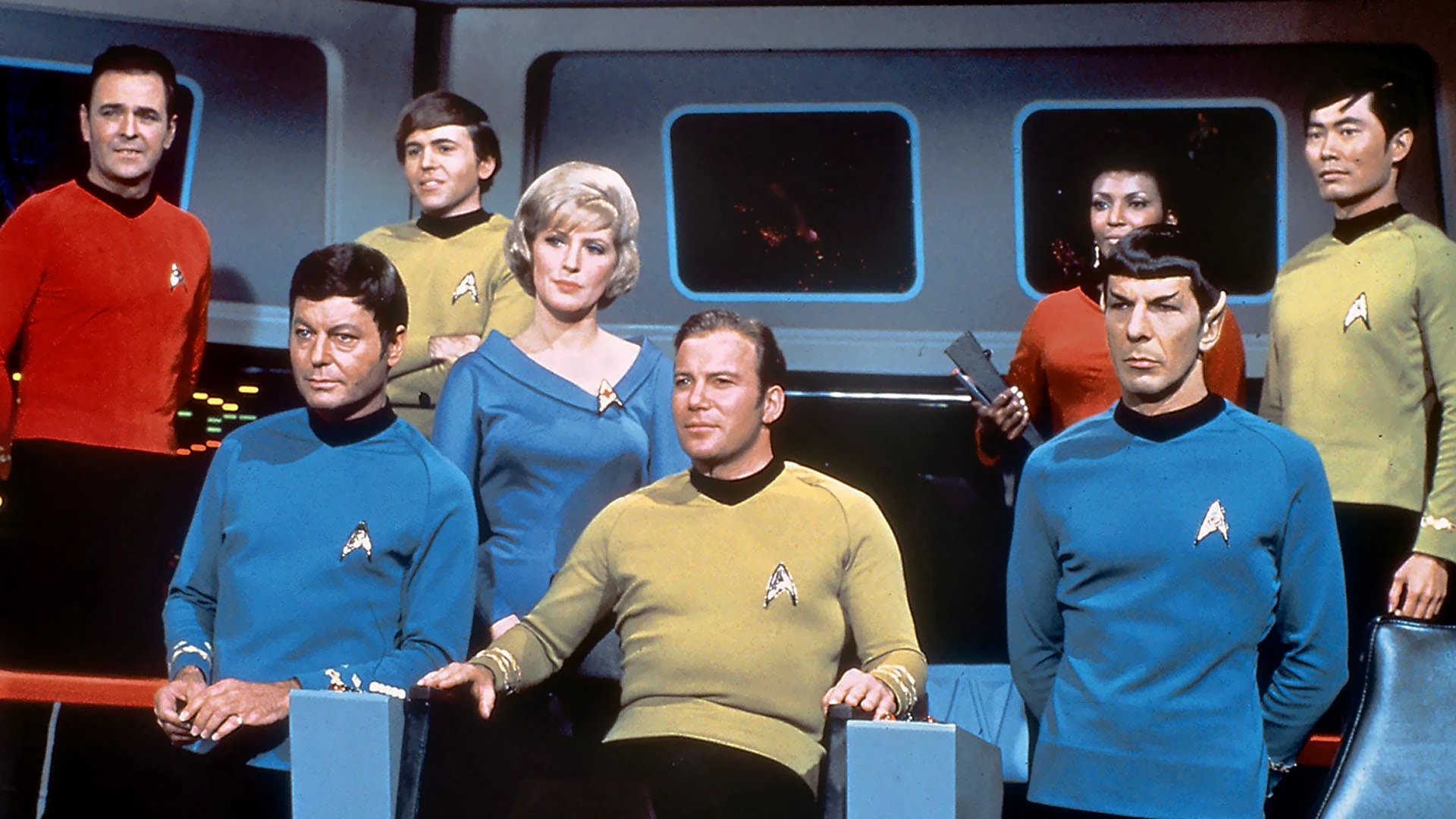
The journey began in the mid-1960s, a period defined by the space race and a growing curiosity about humanity’s place in the cosmos. When Star Trek: The Original Series (TOS) premiered, it was an outlier—a high-concept, intellectually rigorous science fiction program that prioritized diplomatic problem-solving over simple conflict.
Over the decades, the franchise has proven to be remarkably resilient, evolving through multiple iterations including The Next Generation, Deep Space Nine, Voyager, Enterprise, and the modern era of Discovery, Picard, Strange New Worlds, and Lower Decks.
The anniversary festivities are already well underway. The 2026 Rose Parade featured a spectacular "Space for Everybody" float, setting a jubilant tone for the year. As the calendar turns toward the autumn of 2026, the industry is bracing for a wave of retrospectives. Notably, this year marks the 40th anniversary of the beloved film Star Trek IV: The Voyage Home and the 30th anniversary of the cinematic game-changer Star Trek: First Contact. These milestones serve as reminders that the franchise’s influence is not merely historical; it remains a living, breathing component of modern pop culture.
A New Perspective: "The Sixty-Year Mission"
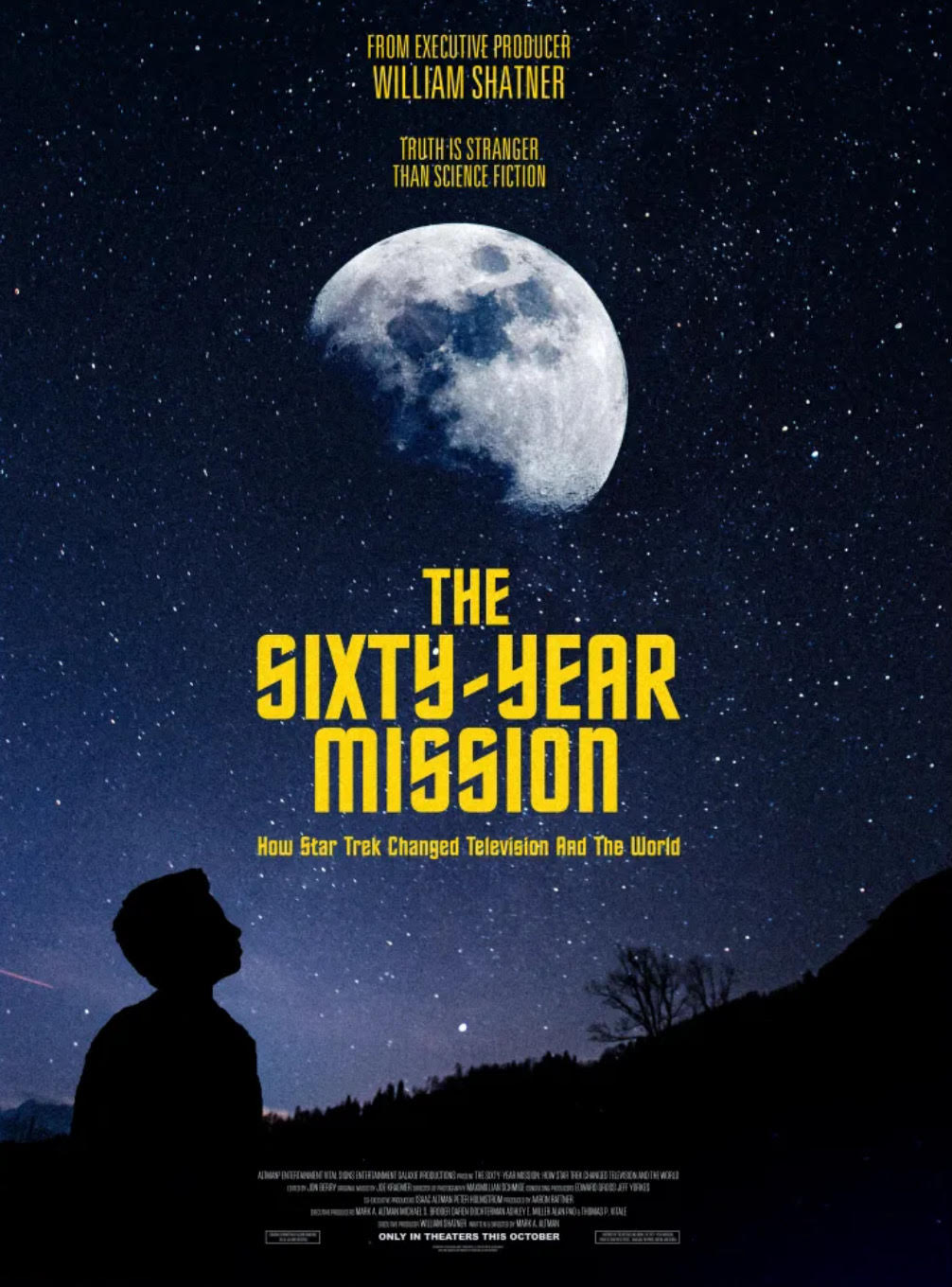
To mark the occasion, a significant cinematic tribute is set to arrive in theaters. The Sixty-Year Mission: How Star Trek Changed Television And The World is an upcoming documentary that serves as the definitive chronicle of the franchise’s evolution. Co-executive produced by the legendary William Shatner, the film is scheduled for an exclusive theatrical run at Regal Cinemas beginning October 9, 2026.
The documentary is written and directed by Mark A. Altman, who previously helmed Star Trek: The Fifty-Year Mission. Produced in association with Michael S. Broder of Galaxie Pictures, the film seeks to uncover the "unique alchemy" that transformed a struggling 1966 television pilot into a multi-billion-dollar global phenomenon.
"This film is a love letter to Star Trek," Altman stated in an interview with Deadline. "I’m immensely grateful to Regal to offer this gift to fans for the show’s 60th birthday. I’m confident that the film will appeal both to longtime fans of the franchise as well as new viewers who might be wondering what the unique alchemy of this pop culture icon is really about."
Chronology of an Icon: Key Milestones
To understand the weight of the 60th anniversary, one must look back at the historical arc of the series:
- 1966: Star Trek: The Original Series premieres, establishing the archetypes of Kirk, Spock, and McCoy.
- 1979: Star Trek: The Motion Picture proves that the franchise has legs on the big screen, bridging the gap between television and film.
- 1986: Star Trek IV: The Voyage Home captures the public imagination with its environmental message and humor, cementing the franchise’s place in mainstream cinema.
- 1987: Star Trek: The Next Generation launches, successfully modernizing the "Trek" ethos for a new generation.
- 1996: Star Trek: First Contact revitalizes the film series, blending action with the deep existential questions that define the Borg encounters.
- 2017–Present: The "Modern Trek" era, marked by high-budget production values and a diverse array of storytelling formats on streaming platforms.
Supporting Data: Why "Star Trek" Endures
The longevity of Star Trek is supported by its consistent ability to mirror the socio-political anxieties of its time. During the Cold War, the USS Enterprise served as a vehicle for examining the tensions between superpowers. In the 1990s, the franchise explored the complexities of post-scarcity economies and the morality of interventionism. Today, it continues to address themes of inclusivity, artificial intelligence, and environmental stewardship.
According to industry analysts, the "Trek" brand remains one of the most profitable and recognizable properties in entertainment history. With dozens of novels, hundreds of comic books, and an extensive library of video games, the franchise has created an "expanded universe" that rivals the most successful intellectual properties in media history.
Official Responses and Creative Vision
The production team behind The Sixty-Year Mission has emphasized that this project is intended to be more than just a chronological recap. It is an exploration of the "indefatigable spirit" that allowed the original series to survive cancellation threats and eventually thrive.
"We could not be more excited to partner with Regal to ensure that fans have a chance to see this remarkable film honoring the incredible 60-year legacy of Star Trek," said Michael S. Broder. "I am delighted to join forces with William Shatner and many of the franchise’s greatest stars and creatives to bring this film to theaters. And since every birthday deserves a party, we’ll be bringing key Star Trek talent to theaters for exclusive Q&As."
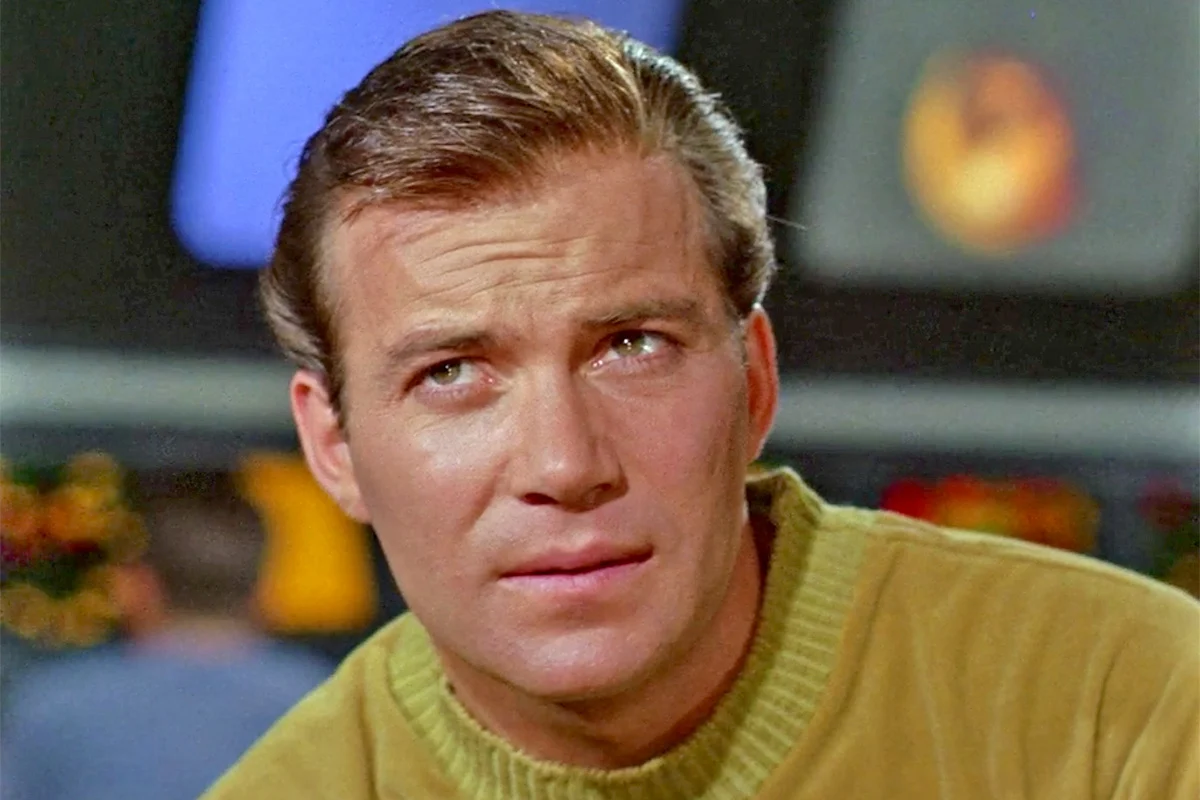
The inclusion of William Shatner—who, at 95, remains the face of the franchise—lends an air of gravitas to the project. Shatner’s portrayal of Captain James T. Kirk defined the role of the modern space explorer. His participation, alongside other stalwarts like Walter Koenig and George Takei, ensures that the documentary remains grounded in the firsthand experiences of those who were in the trenches during the show’s inception.
Implications: The Future of the Final Frontier
As we look toward the next decade, the implications of the 60th anniversary are clear: Star Trek is not a relic of the past, but a template for the future. The franchise has always been a "science fiction of optimism," suggesting that despite our flaws, humanity is capable of growth, unity, and exploration.
The documentary features interviews with a broad spectrum of talent, including Jonathan Frakes, Brent Spiner, Gates McFadden, Ethan Peck, Robert Picardo, Christina Chong, and Denise Crosby. This cross-generational dialogue highlights the "passing of the torch" that has allowed the franchise to remain relevant across six decades.
Whether it is the intricate world-building of the 24th century or the character-driven narratives of the 23rd, Star Trek has fundamentally changed the landscape of television. It proved that audiences were hungry for complex, serialized science fiction that treated its viewers as intelligent participants in the narrative.
Conclusion: A Legacy in Orbit
The 60th anniversary is more than a date on the calendar; it is a celebration of a dream. Gene Roddenberry’s vision of a future where humanity works together to solve the mysteries of the universe continues to inspire scientists, engineers, and dreamers around the globe.
As The Sixty-Year Mission hits screens this October, it will offer fans a chance to reflect on where they have been and where the franchise might go next. For those who grew up watching the original adventures of the Enterprise crew, and for those who are just beginning their journey with the franchise, the message remains the same: the adventure is only just beginning.
The Sixty-Year Mission will dock in Regal theaters starting October 9, 2026. For fans across the globe, the event represents a rare opportunity to gather in the communal space of the cinema to pay homage to the franchise that dared to suggest the stars were within our reach. As the credits roll on this documentary, the audience will likely be reminded of the simple, enduring truth that has kept the engines of the Enterprise running for sixty years: in the vast expanse of the galaxy, the most important discovery is, and always will be, ourselves.