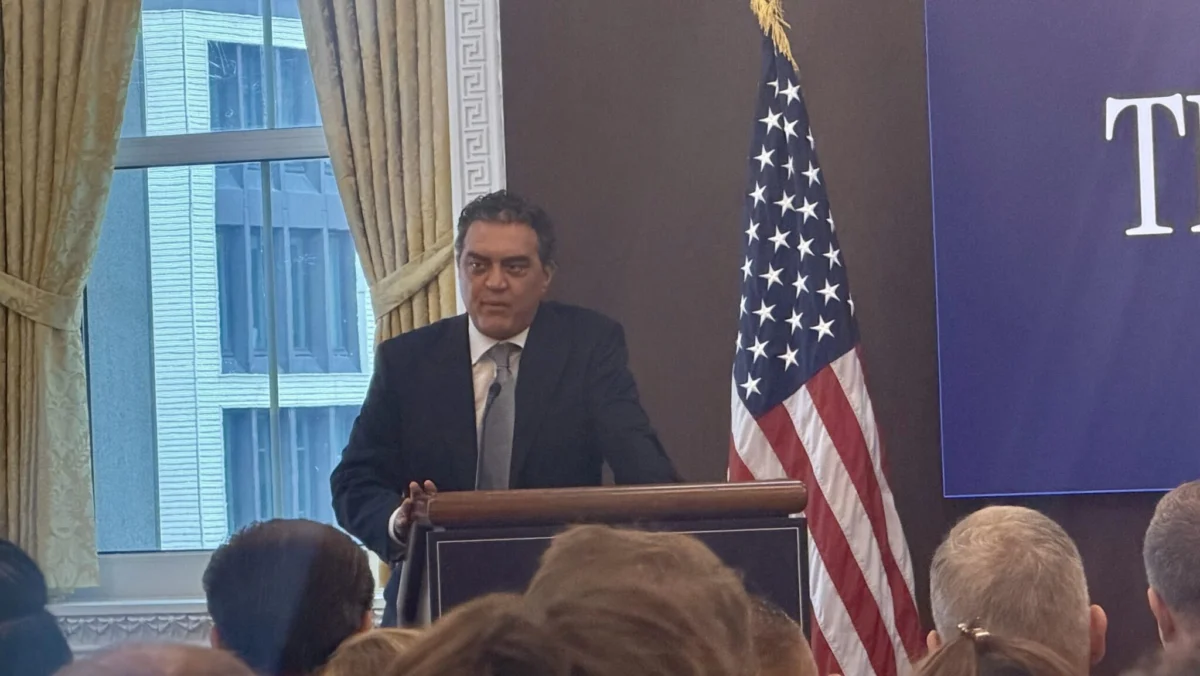
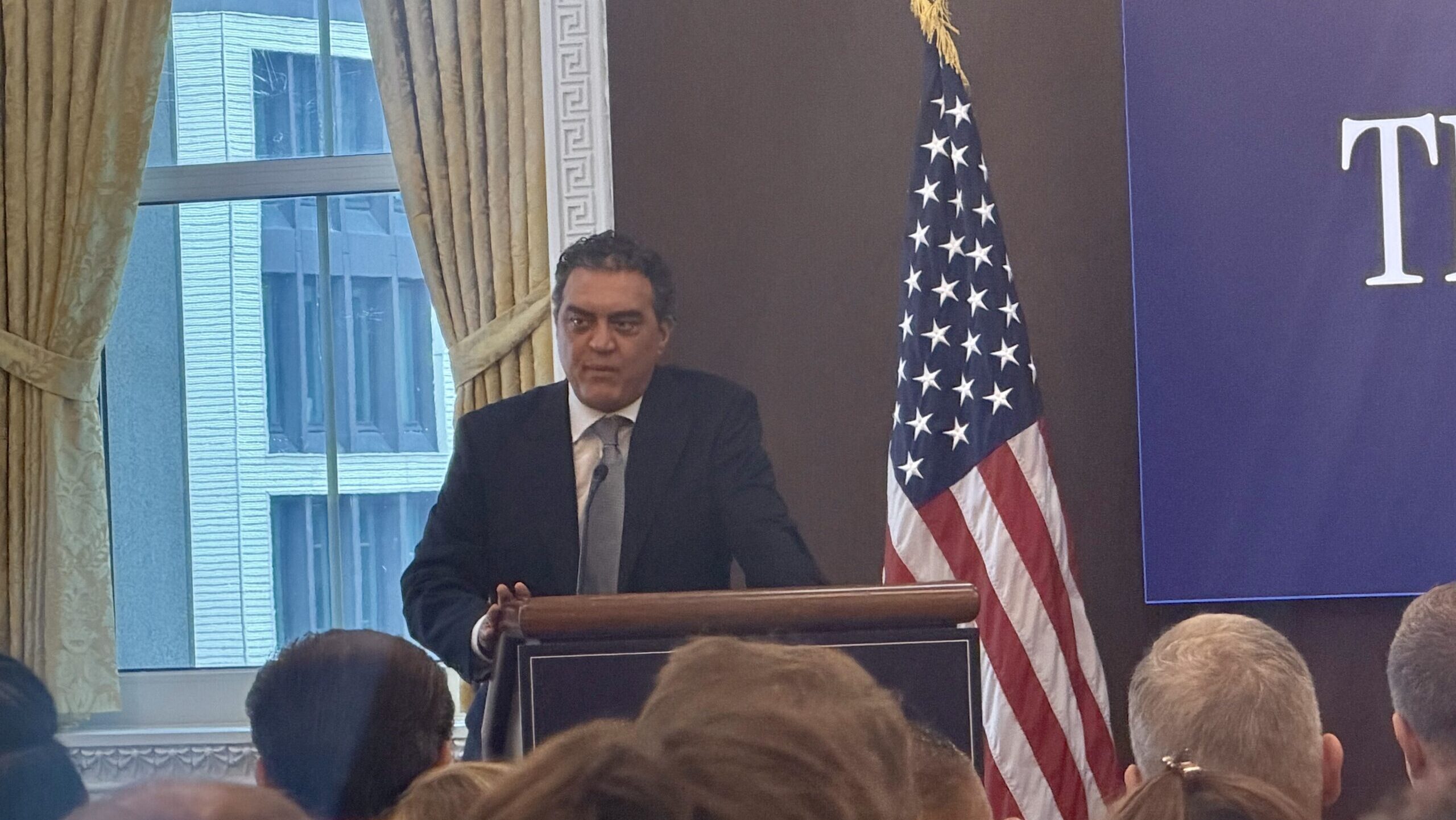
WASHINGTON — In a landmark move to secure American aerospace hegemony, the Trump administration convened the inaugural "White House Drone Dominance" summit this week. The event, held at the historic Eisenhower Executive Office Building, served as a rallying cry for the domestic defense industrial base, drawing nearly 100 representatives from approximately 40 cutting-edge drone manufacturers, component suppliers, and technology firms.
The summit signals a pivotal shift in U.S. defense strategy: the transition from mere "drone sufficiency" to absolute "drone dominance." As global tensions rise and the reliance on adversarial supply chains becomes a critical national security vulnerability, the administration is moving with unprecedented urgency to forge a self-sustaining, resilient domestic ecosystem for unmanned aerial systems (UAS).
Main Facts: A Pivot Toward Sovereignty
The central objective of the summit was to bridge the gap between private sector innovation and the Pentagon’s aggressive procurement timelines. With the administration pushing to eliminate reliance on critical minerals and components sourced from Russia, Iran, North Korea, and China by the start of 2027, the stakes could not be higher.
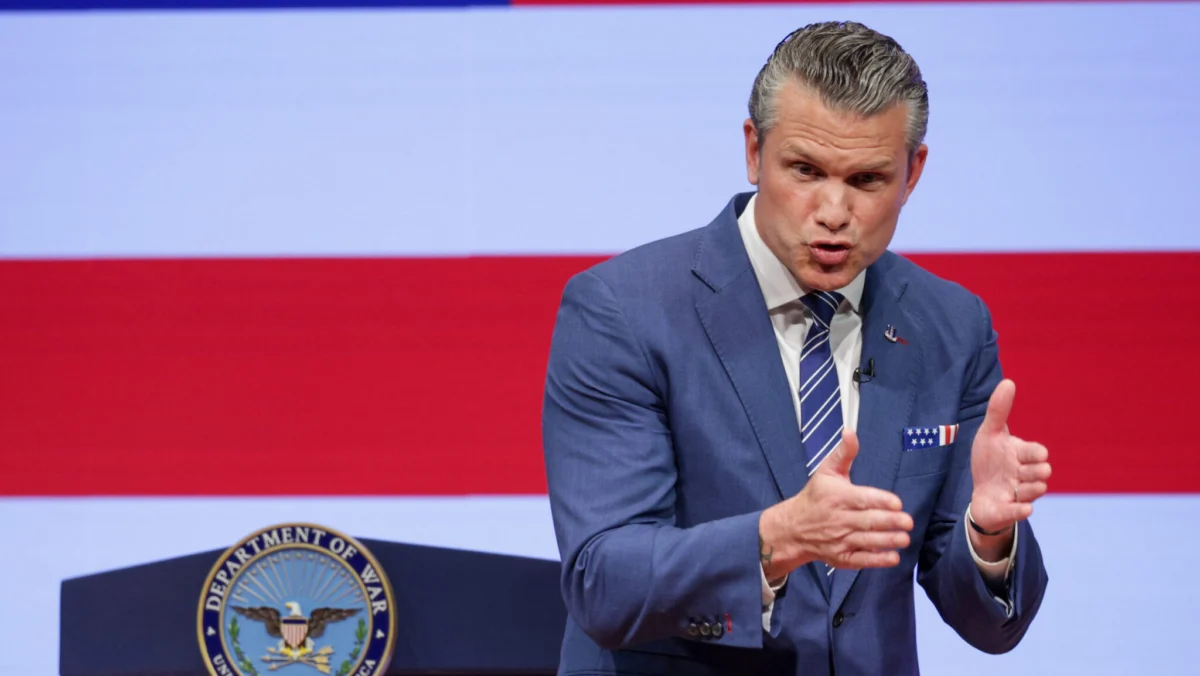
"The cavalry arrived here to meet your cavalry in private industry to make sure that we are not drone sufficient, from parity, but drone dominant," Under Secretary of Defense for Research and Engineering Emil Michael told the assembled executives.
The initiative is underpinned by a massive financial and regulatory overhaul. The Pentagon is currently leveraging its Office of Strategic Capital (OSC) to provide "conditional loans"—most notably an $820 million commitment to Performance Drone Works—to scale manufacturing capacity. Officials indicated that more such deals are imminent, with announcements expected within the next fortnight.
Chronology: Building the Framework for Autonomy
The path to this week’s summit was paved by a series of strategic executive actions and policy shifts that began in mid-2025:
- June 2025: President Donald Trump signs the "Unleashing American Drone Dominance" executive order, formally declaring the expansion of domestic drone manufacturing a national security priority.
- July 2025: Defense Secretary Pete Hegseth issues a directive aimed at dismantling the bureaucratic "red tape" that has historically throttled defense acquisition cycles.
- April 2026: Pentagon leadership unveils a comprehensive $55 billion roadmap—the Defense Autonomous Warfare Group (DAWG)—designed to replace the legacy Replicator initiative with a more robust, scalable framework.
- June 2026: The Pentagon initiates "Gauntlet 1," the first in a series of high-stakes, competitive drone demonstrations.
- August 2026: The inaugural White House Drone Dominance summit convenes, bringing together industry leaders and government stakeholders to align on supply chain security and manufacturing targets.
Supporting Data: The Gauntlet Competitions
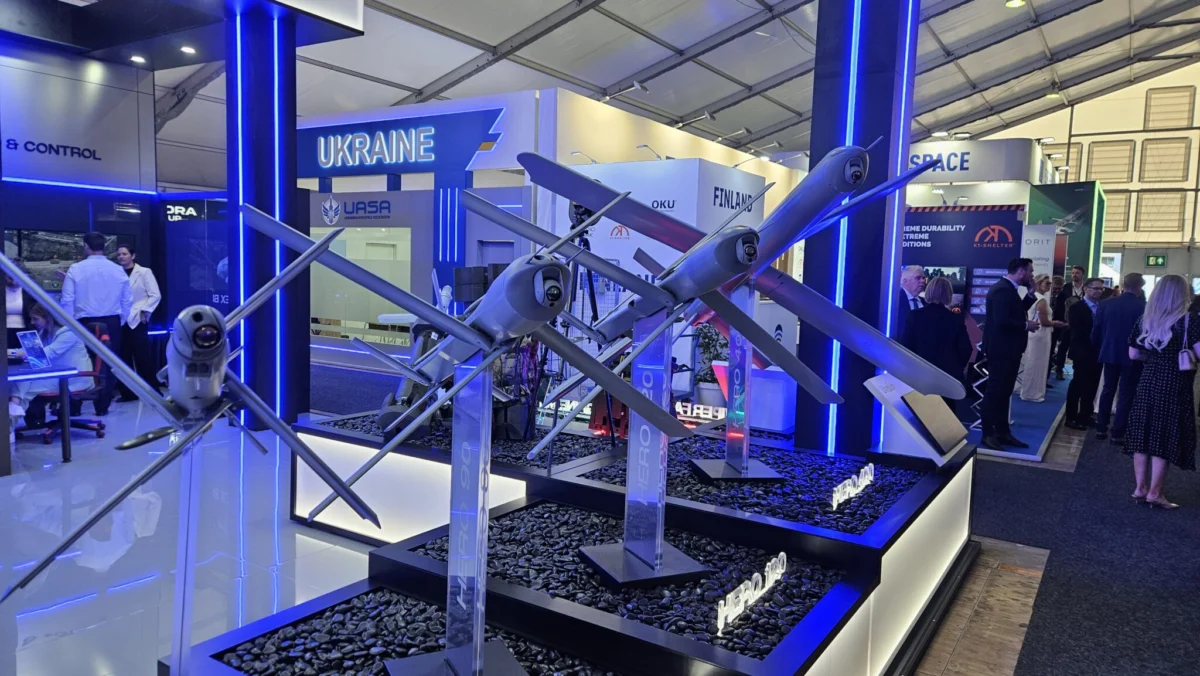
The Pentagon’s "Drone Dominance" program is not merely a policy exercise; it is an active procurement engine. The program is backed by a $1 billion investment fund intended to be spent over two years on small, lethal, and autonomous attack drones.
To determine the winners, the Department of Defense (DoD) has implemented "Gauntlet" competitions—a gauntlet-style testing phase that forces vendors to prove the viability and reliability of their hardware in real-world scenarios.
- Gauntlet 1 (One-Way Attack Drones): The initial phase focused on cost-effective, one-way attack systems. According to the official program leaderboard, 11 companies successfully qualified, securing contracts to provide a combined total of 24,320 aerial weapons.
- Gauntlet 2 (Lethal Payload Testing): Currently underway at Fort Carson, Colorado, this round features 19 vendors demonstrating drones with various advanced lethal payloads. The Pentagon anticipates ordering up to 60,000 platforms based on the performance outcomes of this specific demonstration.
The breadth of the industry participation is notable. While the headline focuses on the drones themselves, the administration is actively courting the entire value chain, including manufacturers of high-performance batteries, thermal sensors, optical cameras, and electric motors—sectors historically dominated by Chinese imports.
Official Responses: Aligning the Departments
The summit featured a "fair-style" engagement where company representatives could interface directly with the bureaus that control their future. Representatives from the Department of Commerce, the Small Business Administration (SBA), the Export-Import Bank of the United States, and the Department of Homeland Security were present, offering a rare cross-departmental alignment of policy.
National Security Council Senior Director for Counterterrorism Sebastian Gorka emphasized the geopolitical necessity of the program, framing domestic drone production as the primary deterrent against adversarial encroachment.
Under Secretary Emil Michael’s message to the industry was blunt: "We’re building up capacity in America to ensure the supply chain is resilient and can serve your needs." By facilitating access to the SBA and the Export-Import Bank, the administration aims to ensure that these companies can not only fulfill DoD contracts but also compete effectively in the international commercial market, thereby creating a sustainable business model that doesn’t rely solely on government handouts.
Implications: The Road to 2027
The implications of this initiative are far-reaching. By forcing a divestment from adversarial supply chains, the U.S. government is effectively conducting an "industrial de-risking" of the highest order.
1. The End of Reliance
The 2027 deadline for eliminating critical materials from China and other strategic rivals is a massive disruption. For companies that have long relied on cheaper overseas components for sensors or battery tech, the transition will be painful and costly. However, the government’s willingness to provide large-scale loan commitments, such as the $820 million package for Performance Drone Works, suggests a "carrot-and-stick" approach: the stick is the ban, and the carrot is government-backed capital to build domestic factories.
2. Streamlined Acquisition
Historically, the Pentagon’s acquisition process has been a graveyard for startups. The "Drone Czar" and the creation of the Direct Reporting Portfolio Manager (DPRM) for autonomy indicate that the DoD is finally restructuring itself to accommodate the "agile" nature of the tech sector. If successful, this could serve as a template for other technology sectors, including space and artificial intelligence.
3. Global Power Dynamics
The ultimate goal of "Drone Dominance" is to provide the U.S. military with a "mass-effect" capability. By producing tens of thousands of inexpensive, lethal platforms, the Pentagon is moving away from the era of exquisite, expensive, and low-volume weapon systems toward a model of attritable, mass-producible warfare. This shift is designed to ensure that in any future conflict, the U.S. can overwhelm an adversary’s air defenses through sheer volume—a capability currently being tested in the fields of Colorado.
As the industry moves forward, the success of the "Drone Dominance" program will hinge on the government’s ability to maintain these funding levels and ensure that the "Gauntlet" competitions remain fair, transparent, and reflective of the rapidly changing battlefield environment. For the 40 companies that gathered at the Eisenhower building, the message was clear: the American government is ready to invest, but the cost of entry is a commitment to domestic sovereignty.