SINGAPORE — As the geopolitical landscape of the Indo-Pacific grows increasingly complex, the United States military has utilized a series of high-profile multinational exercises this summer to demonstrate a sharpened edge in maritime warfare. Through a combination of stealth technology, long-range precision munitions, and the tactical deployment of unmanned surface vessels, the Pentagon is signaling a significant evolution in its ability to neutralize adversary naval assets across the vast, contested expanses of the Pacific.
The centerpiece of this capability demonstration occurred during the Sinking Exercise (SINKEX) phases of two major maritime maneuvers: Exercise Valiant Shield and the Rim of the Pacific (RIMPAC) exercise. These drills, which saw the destruction of decommissioned naval hulls, served as a "final exam" for the integration of multi-domain kill chains that now define modern naval strategy.
The Strategic Pivot: Advancing Anti-Ship Capabilities
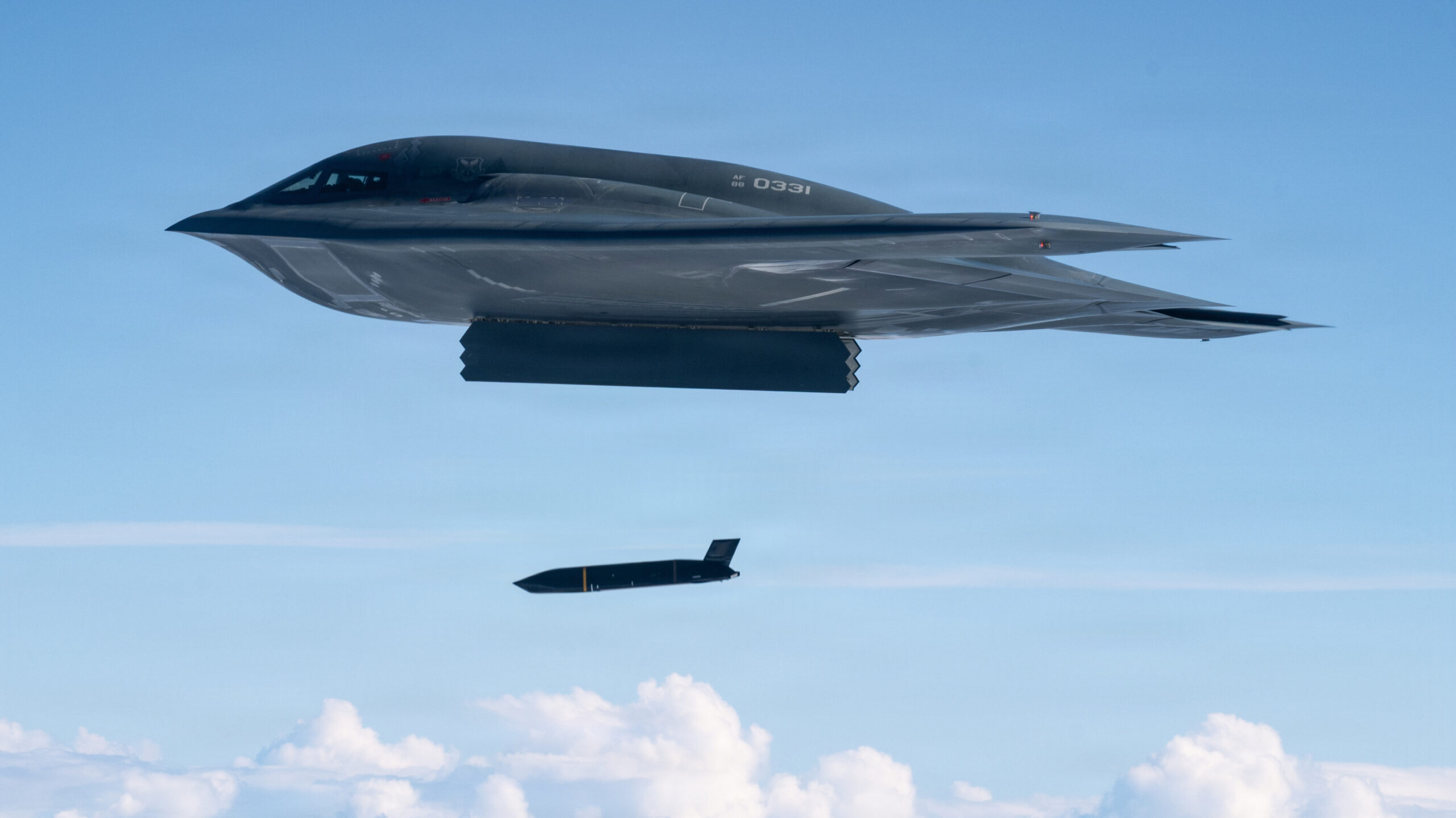
The recent exercises reflect a concerted shift in U.S. defense doctrine, moving away from centralized, vulnerable force projection toward a more distributed, stealth-reliant model. The integration of long-range anti-ship missiles (LRASMs) onto stealth platforms, such as the B-2 Spirit bomber, represents a critical breakthrough. By leveraging internal weapons bays, the B-2 can strike targets while maintaining a low-radar cross-section, effectively bypassing sophisticated anti-access/area-denial (A2/AD) bubbles that characterize modern naval threats.
This summer’s exercises were not merely about target practice; they were about validating the "kill chain"—the complex, multi-stage process of identifying, tracking, and successfully engaging a target at range.
Chronology of Operations: A Summer of Precision
The Valiant Shield Initiative (June 27)
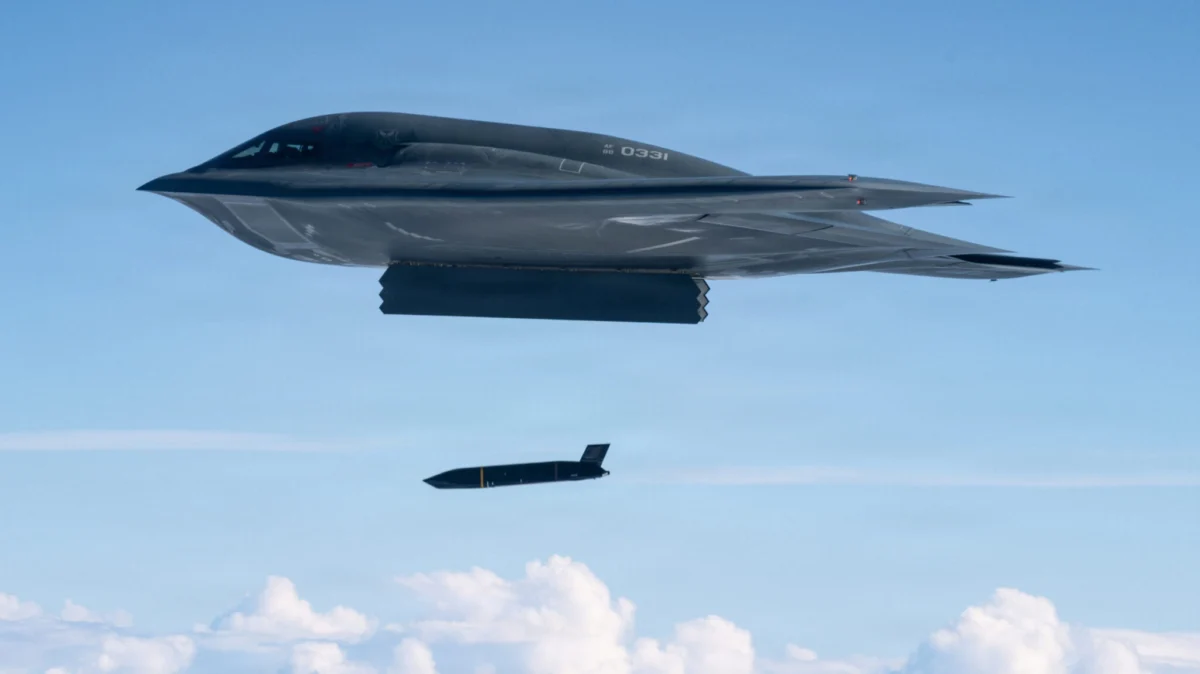
The tactical demonstrations began on June 27, north of the Mariana Islands, during Exercise Valiant Shield. In a significant military milestone, a U.S. Air Force B-2 Spirit bomber launched an AGM-158C Long Range Anti-Ship Missile (LRASM) at the decommissioned amphibious transport dock USS Juneau.
This event marked the first publicly acknowledged launch of an LRASM from a B-2. Given that the B-2 is currently the only in-service stealth aircraft capable of carrying the LRASM internally, this capability provides the U.S. with an unprecedented "first-strike" advantage. By keeping the missile housed within the aircraft, the B-2 preserves its stealth signature until the moment of release, allowing it to penetrate deep into contested airspace to deliver a decisive blow against high-value surface combatants.
The RIMPAC Multi-Domain Engagement (July 17)
Following the success of Valiant Shield, the focus shifted to RIMPAC, the world’s largest international maritime exercise, held off the coast of Hawaii from June 24 to July 31. Involving forces from 30 nations, RIMPAC serves as the premier venue for interoperability testing.
On July 17, the exercise culminated in the destruction of the decommissioned cruiser USS Mobile Bay and the helicopter assault ship USS Peleliu. The engagement was a masterclass in multi-domain warfare, utilizing a diverse array of strike assets. The vessels were neutralized through a synchronized assault involving submarine-launched torpedoes, ship-fired Naval Strike Missiles (NSMs), and ground-launched Spike Non-Line of Sight (NLOS) missiles.
The Rise of Unmanned Systems: Enter the GARC
Perhaps the most significant development during the RIMPAC SINKEX was the combat-style integration of Unmanned Surface Vessels (USVs). For the first time in a RIMPAC environment, the Navy deployed the Global Autonomous Reconnaissance Craft (GARC).
The GARC, a specialized platform developed by Baltimore-based BlackSea Technologies, was captured on video surveying the hulk of the USS Peleliu before executing a kinetic strike—effectively acting as a "kamikaze" drone to finish off the target.
Lt. Sarah Weinstein, commanding officer of USV Division 32, emphasized the importance of this milestone. "Honored that USVDIV-32 was given the opportunity to execute the Navy’s first GARC Live Fire during RIMPAC 2026," Weinstein noted in a post-exercise statement. "It was incredible to watch my team execute with precision and we were thrilled to provide a perspective of the former USS Peleliu that isn’t often captured in a SINKEX."
The use of the GARC highlights the rapid maturation of the U.S. Navy’s unmanned fleet. USV Division 32, one of three specialized divisions established in January 2026, is currently tasked with the operational integration and sustainment of these autonomous systems. The technology has already seen real-world combat utility; earlier in July, the U.S. military utilized Saronic Corsair USVs to strike an Iranian submarine undergoing maintenance at Bandar Abbas, proving that the era of autonomous naval strike is already upon us.
Official Perspectives: Testing the Kill Chain
The leadership involved in these exercises stressed that the complexity of the drills was intentional, designed to mirror the chaotic and high-stakes environment of a peer-level naval conflict.
Rear Adm. Suzanne Bailey, deputy commander of the U.S. 3rd Fleet and commander of the RIMPAC Combined Exercise Control Group, characterized these exercises as the ultimate proving ground. "It’s the ultimate test of our kill chain, requiring our forces to work together with our allies to detect, track, target, and ultimately strike a vessel with live ordnance," Bailey stated. "It’s a complex, multi-domain effort that provides the most realistic training possible."
Gen. Kevin Schneider, commander of U.S. Pacific Air Forces, echoed these sentiments regarding the Valiant Shield B-2 strike. "The B-2’s impressive performance underscores the U.S. military’s commitment to adaptability and flexibility in the face of emerging security challenges," Schneider said. "By prioritizing counter-maritime strike operations, we can maintain a decisive edge over adversaries, protect our national interests and ensure the free and open Pacific that underpins our global security."
Implications: A New Era of Maritime Deterrence
The strategic implications of these exercises are profound. As Pacific nations modernize their own naval fleets and expand their anti-ship capabilities, the U.S. is responding by diversifying its own strike platforms.
1. The Death of the "Safe Harbor"
The integration of stealth bombers and autonomous suicide drones means that no maritime asset—regardless of size or defensive screening—can be considered safe in a conflict zone. The ability to launch precision strikes from thousands of miles away, coupled with the "swarm" potential of low-cost USVs, forces adversaries to reconsider the cost-benefit analysis of naval aggression.
2. Deepening Allied Interoperability
RIMPAC 2026 served as a reminder that the U.S. does not operate in a vacuum. By integrating forces from 30 nations, the exercise created a collaborative framework for data sharing and target acquisition. The ability for a Canadian ship or an Australian aircraft to contribute to a "kill chain" initiated by a U.S. asset creates a multiplier effect that is difficult for any single adversary to counter.
3. The Normalization of Autonomous Warfare
The successful deployment of the GARC during RIMPAC marks a transition from experimental technology to standard naval procedure. The Navy’s rapid standing up of USV divisions suggests that the future of naval warfare will be defined by the high-low mix: high-end, stealthy manned assets (like the B-2) paired with low-cost, expendable, autonomous platforms (like the GARC).
4. Sustaining the "Free and Open" Pacific
Ultimately, the primary goal of these exercises is deterrence. By demonstrating a credible, lethal, and highly flexible capability to sink large naval vessels, the U.S. military aims to dissuade regional competitors from attempting to assert control over critical maritime transit routes. The message sent by the destruction of the Juneau, Mobile Bay, and Peleliu is clear: the U.S. and its allies possess the technological maturity and the logistical reach to hold any target at risk, anywhere in the Pacific theater.
As the U.S. military continues to refine these tactics, the lessons learned from the summer of 2026 will undoubtedly shape the development of the 2030s fleet, moving the Navy toward a more agile, lethal, and technologically advanced force capable of meeting the demands of a volatile global security environment.