In the vast, silent theater of the cosmos, the birth of a solar system is not a leisurely affair. It is a high-stakes, frantic race against time. For millions of years, infant stars are shrouded in swirling, majestic "protoplanetary disks"—flat, rotating pancakes of gas and dust that serve as the fundamental building blocks for planets. However, new insights from the James Webb Space Telescope (JWST) have revealed that these nurseries are far more fragile than previously imagined.
Astronomers have recently completed an unprecedented survey of 72 young, sun-like stars, uncovering that the very material required to build worlds is constantly being stripped away by powerful celestial forces. This groundbreaking research, published in The Astronomical Journal, suggests that the "window of opportunity" for planet formation is far narrower than once thought, and for some worlds, that door may be slamming shut much sooner than expected.
The Main Facts: A Race Against Time
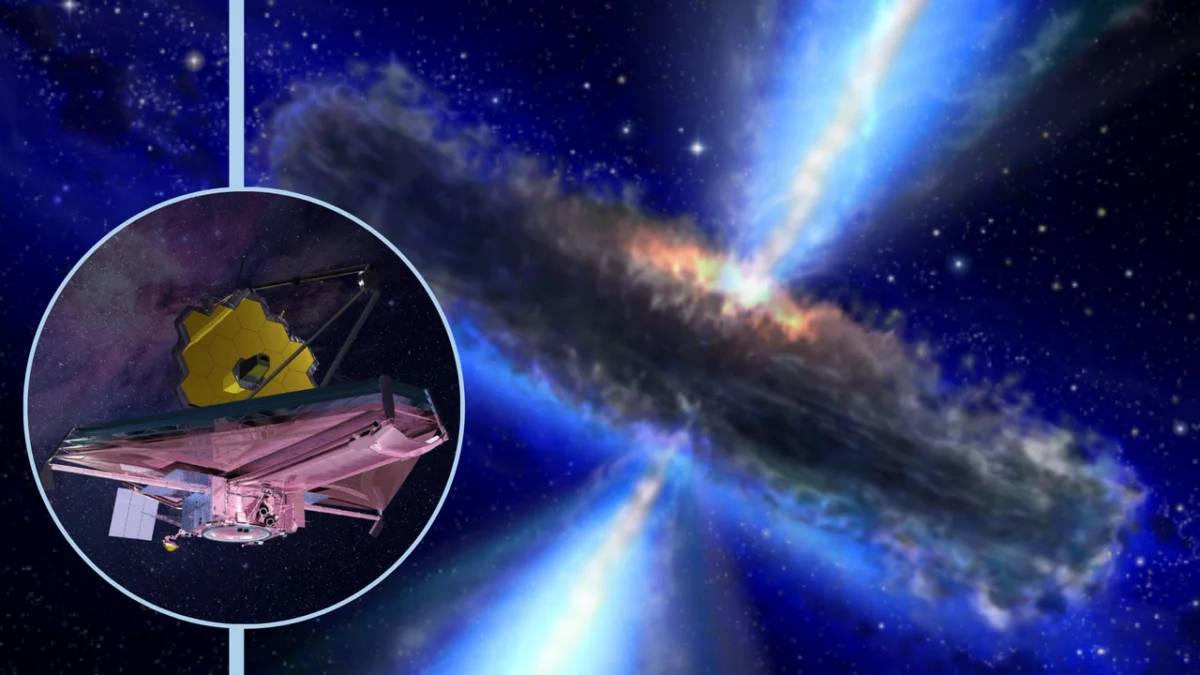
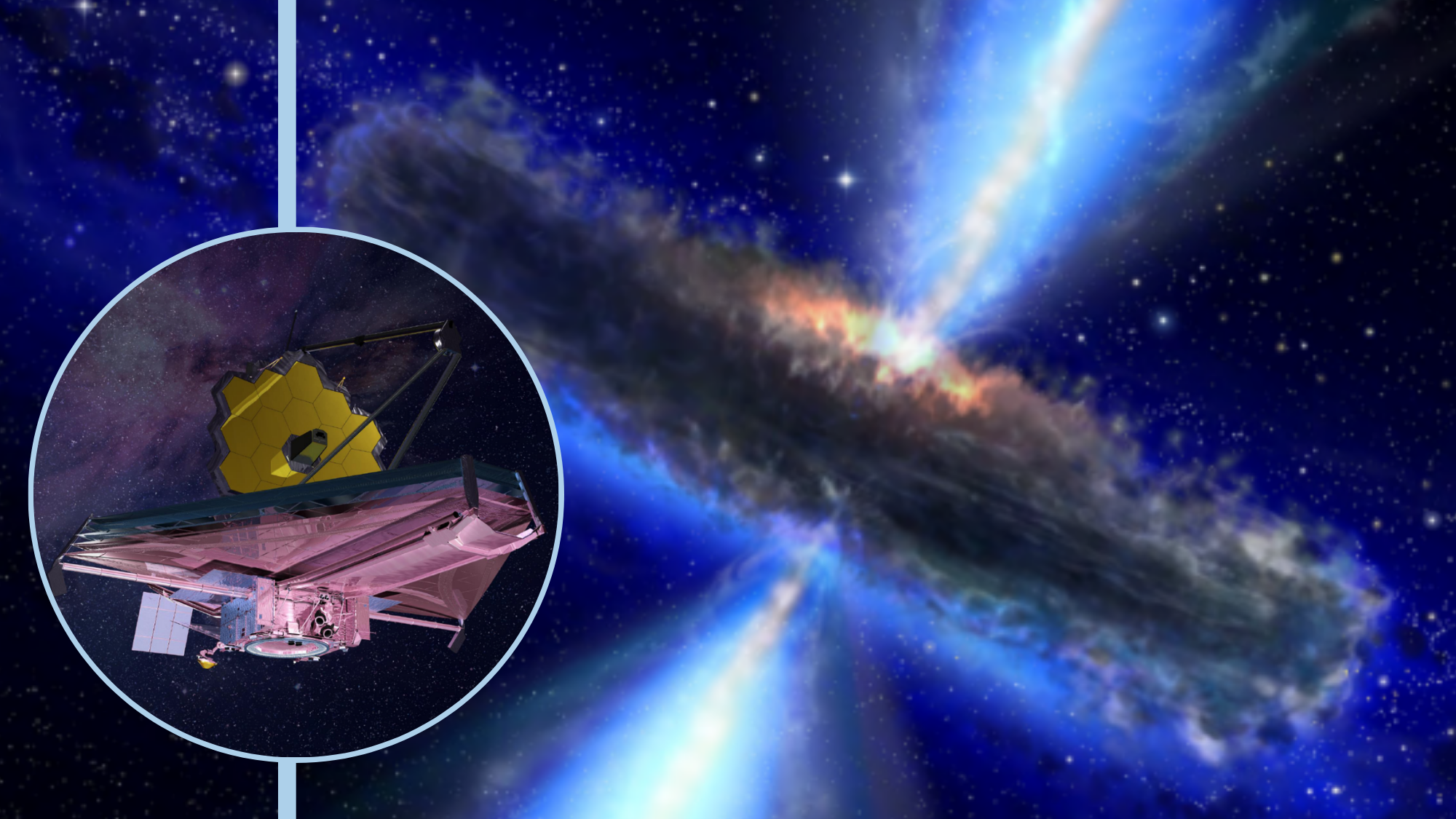
The study, led by Naman Bajaj of the University of Arizona, utilized the peerless sensitivity of the JWST’s Mid-Infrared Instrument (MIRI) to peer into the hearts of these protoplanetary disks. By tracking the movement of molecular hydrogen—the most abundant gas in these systems—researchers were able to quantify how much material is being lost and, crucially, how it is being lost.
The core takeaway is that planet formation is governed by a strict "cosmic clock." For a gas giant like Jupiter to form, it must accumulate a massive atmosphere while the disk is still dense and rich in gas. If the disk dissipates too quickly due to intense winds or radiation, the window for gas giants to grow closes, potentially leaving behind only smaller, rocky terrestrial planets.
"Gas giants like Jupiter must assemble their massive atmospheres while the disk is still substantial enough to supply them, before winds and jets carry that raw material away into space," Bajaj noted in a statement. The research suggests that the evolution of these disks is a dynamic process, one that shifts from magnetic dominance to radiation-driven dispersal as the central star matures.
A Chronology of Disk Dispersal
To understand the life cycle of a star system, the research team took a clever analytical approach. Because they could not observe a single star for millions of years, they examined 72 stars at different stages of their development. By stitching these snapshots together, they essentially created a "time-lapse movie" of planetary birth and decay.
The Magnetic Youth
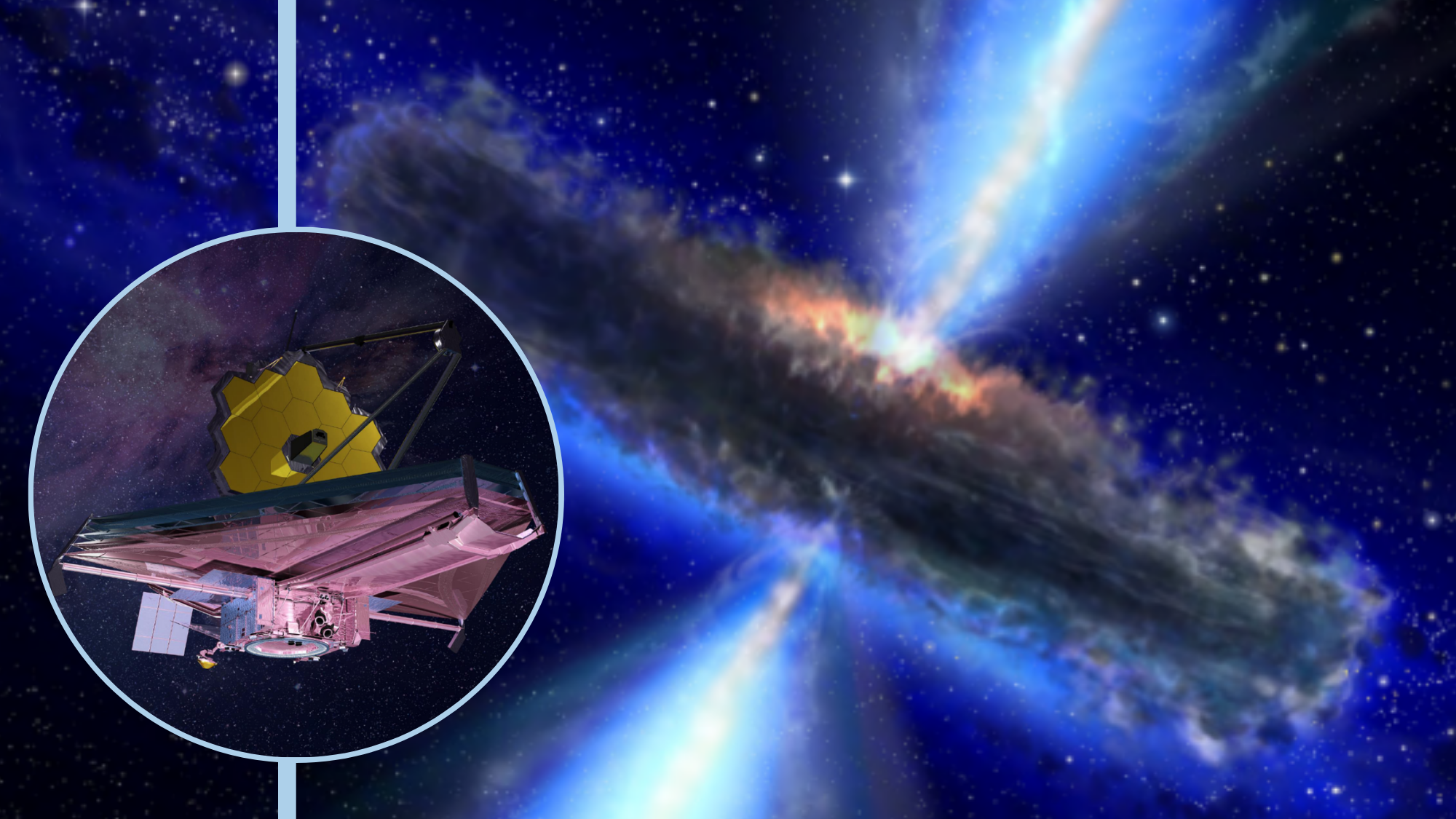
In the earliest stages of a star’s life, the protoplanetary disk is a volatile environment. The team discovered that mass loss is primarily driven by powerful, magnetically launched jets and winds. These structures are anchored by magnetic fields that weave through the gas, acting as a cosmic siphon. These fields fling material away from the star, thinning the disk even before the star has fully settled into its main sequence.
The Era of Photoevaporation
As the star ages and the disk becomes increasingly transparent, a transition occurs. The disk grows thinner, allowing the high-energy ultraviolet (UV) and X-ray radiation from the central star to penetrate deeper into the surrounding gas. This triggers a process known as photoevaporation. Unlike the magnetic winds of youth, photoevaporation is a brutal, thermal process. The radiation heats the gas to such extreme temperatures that it reaches escape velocity, literally boiling the disk away into the vacuum of space.
This transition from magnetic dominance to radiation dominance is a critical turning point. It marks the final phase of a system’s ability to "feed" its growing planets. Once photoevaporation takes over, the supply of gas for giant planets is rapidly depleted.
Supporting Data: Decoding the Molecular Fingerprints
The accuracy of this study relies on the JWST’s MIRI instrument, which operates in the mid-infrared spectrum. This wavelength is essential because it allows scientists to see through the dense, opaque clouds of dust that obscure star formation in visible light.
By observing the spectral lines of molecular hydrogen, the team could detect the "wind" of gas escaping the disk. This data provided a clear picture of how much mass is lost at different stages of development. The consistency of these findings across 72 different systems provides a robust statistical foundation, effectively proving that what astronomers are witnessing is not a freak occurrence, but a universal law of planetary architecture.
This data also allows scientists to map where in the disk these losses occur. It turns out that the inner regions—where Earth-like planets typically reside—are subject to different pressures than the outer, colder regions where gas giants form. By understanding the rate of this dispersal, researchers can now begin to model why our own solar system possesses the specific distribution of planets it does.
Official Perspectives: The Scientific Consensus
The implications of this study are being felt across the astronomical community. Team member Uma Gorti, a researcher at the SETI Institute, emphasized the fundamental nature of these findings. "What is exciting about this study is that we can now see, across a large sample of young systems, how the mechanisms that remove gas from planet-forming disks change with time," Gorti said. "Disk dispersal sets a fundamental clock for planet formation: once the gas is gone, the opportunity to build gas-rich planets is essentially over."
This perspective shifts the focus of planetary science from merely looking at the end products (the planets themselves) to understanding the manufacturing process. If we know when the "factory" closes, we can better predict what kind of planets a star system is likely to host.
Implications for the Origins of Our Solar System
Perhaps the most profound takeaway is the link to our own origins. Approximately 4.6 billion years ago, our sun was surrounded by a similar disk. The research by Bajaj and his team provides a template for how the solar system may have evolved.
If Jupiter formed rapidly in a dense, early-stage disk, while the inner, rocky planets formed later as the disk was being cleared by photoevaporation, it explains the disparity in planetary types. This model helps explain the "Architecture of the Solar System"—why we have gas giants in the outer reaches and rocky worlds in the inner orbit.
Future Research: What Lies Ahead?
The study is by no means the final word. The researchers now intend to move from a general understanding of mass loss to a specific, localized model. Their next objective is to quantify exactly how much material is shifted by each mechanism and to identify the precise radial zones within the disk where these processes are most active.
This will involve creating high-fidelity models that can predict the "survival rate" of protoplanetary disks based on the initial mass of the star. Furthermore, by identifying the factors that cause one disk to dissipate faster than another, scientists may be able to explain the vast diversity of exoplanetary systems discovered by missions like Kepler and TESS.
Are there "slow-burning" systems that allow for the formation of super-Jupiters, or "fast-burners" that result only in barren, rocky cores? The answer to these questions lies in the ongoing observations of the JWST.
As we continue to gaze into the infrared eyes of the Webb telescope, we are doing more than just observing stars; we are looking back in time to the very moment the ingredients for life were being prepared. We are learning that the universe is not just a collection of static objects, but a series of fleeting opportunities. The race against time that occurs around every young star is the story of our own existence—a story written in the fading glow of gas and the relentless winds of infant suns.