The geopolitical landscape of the Middle East and its surrounding spheres of influence is undergoing a profound transformation. As global powers recalibrate their defense priorities, regional actors are increasingly turning toward indigenous industrial growth, sophisticated multi-domain force integration, and trilateral security pacts that challenge traditional alliance frameworks.
In this edition of the Middle East Defense Digest, Breaking Defense Middle East Bureau Chief Agnes Helou, alongside Contributing Editor Riad Kahwaji, explores the tectonic shifts currently reshaping the region’s military posture. From the high-stakes procurement of aerial refueling capabilities to the formation of ambitious, multi-national drone task forces, the following analysis details how these developments are redefining the future of regional stability.
1. Main Facts: The Pillars of Regional Modernization
The current theater of operations in the Middle East is defined by three primary vectors: the modernization of air-refueling capabilities, the rise of the Turkish aerospace sector, and the implementation of decentralized, multi-domain drone warfare.
The Qatar KC-46A Procurement
The United States has announced a monumental $4.5 billion potential sale of four Boeing KC-46A Pegasus refueling aircraft to Qatar. This acquisition is more than a mere equipment upgrade; it represents a qualitative leap in the Qatar Emiri Air Force’s (QEAF) power projection capabilities. By extending the range and endurance of its combat aircraft, Qatar is signaling a shift toward a more expeditionary and long-range strategic footprint.
Falcon Strike: The Multi-Domain Revolution
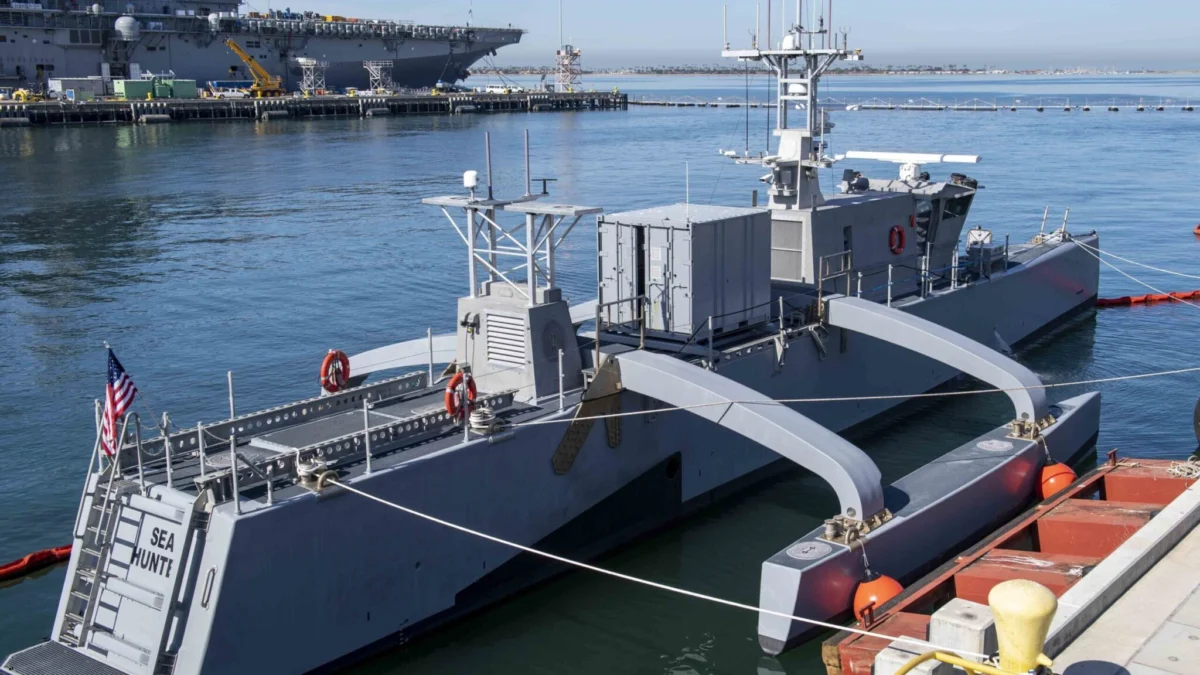
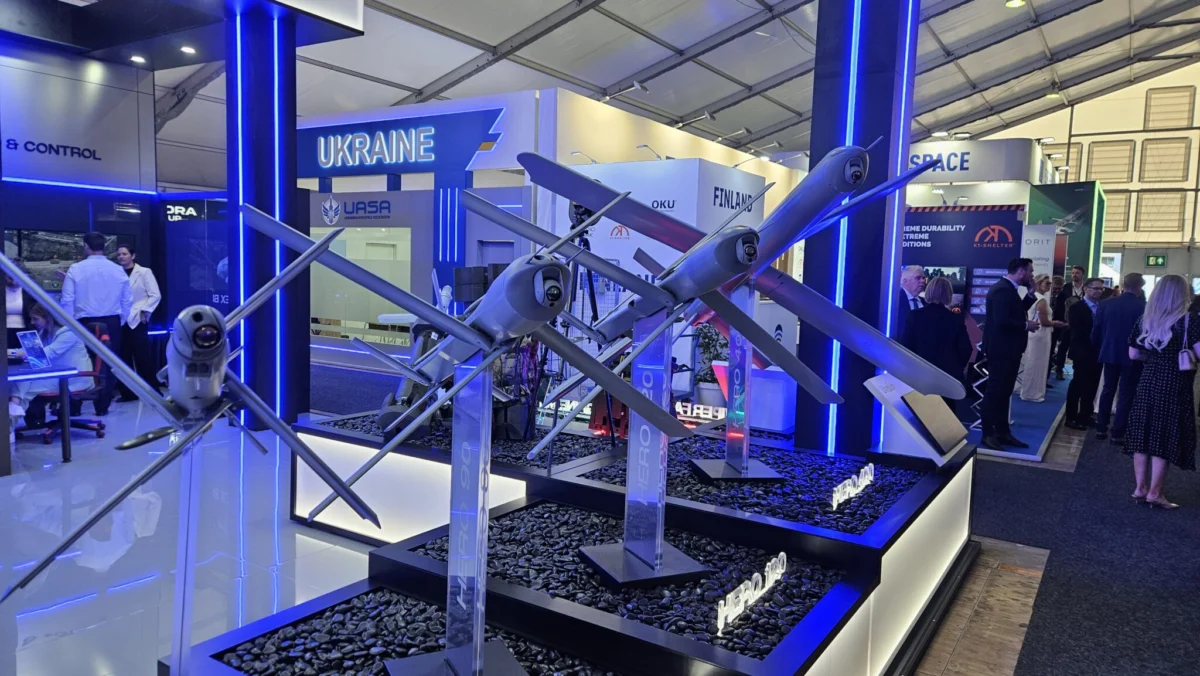
CENTCOM has officially launched "Falcon Strike," a multinational, multi-domain task force specifically designed to counter the proliferation of one-way attack (OWA) drones. By integrating intelligence, surveillance, and reconnaissance (ISR) capabilities from a coalition of partners, Falcon Strike aims to create a "defensive umbrella" that addresses the asymmetric threat posed by low-cost, high-impact unmanned aerial systems (UAS).
The Trilateral Defense Pact
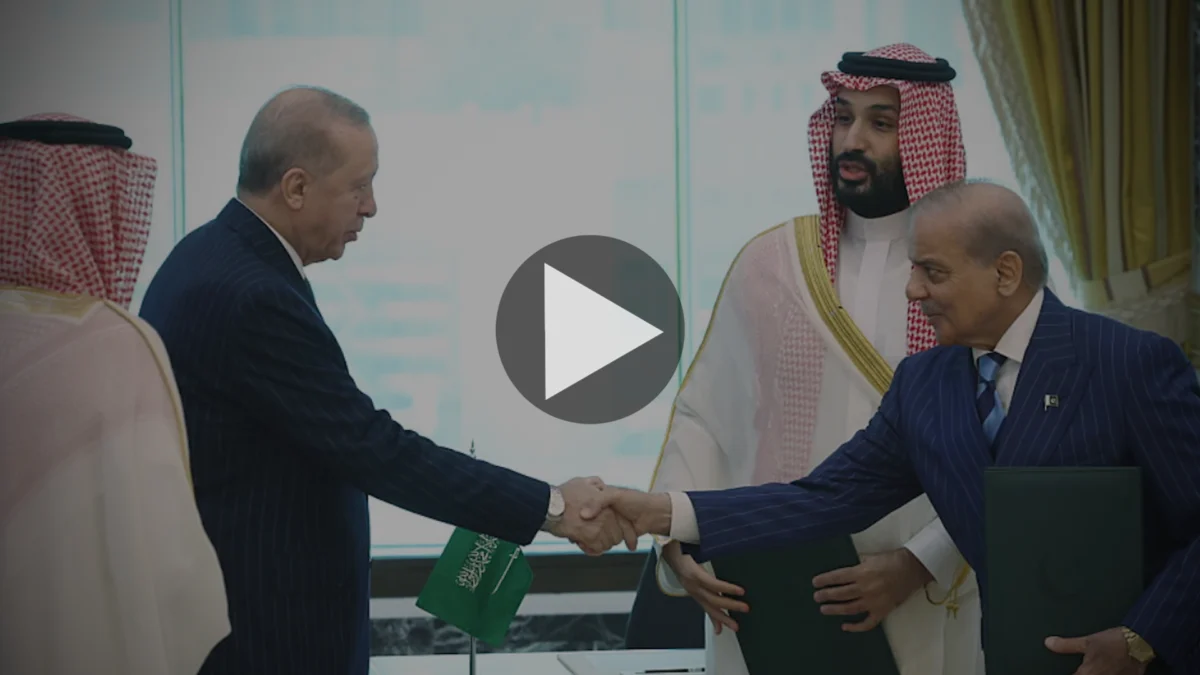
Perhaps the most significant diplomatic development is the newly inked trilateral defense agreement between Saudi Arabia, Turkey, and Pakistan. This pact is designed to foster a synergistic defense industrial ecosystem, allowing the three nations to share technology, co-develop hardware, and standardize training protocols, effectively creating a new power bloc within the Islamic world’s defense sector.
2. Chronology of Strategic Developments
To understand the current momentum, one must look at the rapid sequence of events that have led to these announcements:
- Early 2026: Initial intelligence reports indicate a significant rise in OWA drone activity across the Red Sea and Persian Gulf, prompting CENTCOM to begin drafting a framework for a centralized drone defense strategy.
- May 2026: Preliminary discussions between Ankara, Riyadh, and Islamabad regarding defense industrial cooperation move from exploratory talks to formal diplomatic negotiations.
- July 2026: Turkish Aerospace Industries (TAI) signals its intent to develop a navalized version of the Hürjet, aiming to capture the burgeoning market for carrier-borne light attack aircraft.
- August 2026: The US State Department clears the $4.5 billion KC-46A sale to Qatar, marking a significant milestone in US-Qatari military interoperability.
- Late August 2026: The formal signing of the Saudi-Turkey-Pakistan pact is finalized, coinciding with the official announcement of the Falcon Strike task force.
3. Supporting Data and Industrial Context
The move toward regional autonomy in defense is backed by impressive industrial metrics.
Turkish Aerospace Ambitions
The Hürjet program is the centerpiece of Turkey’s strategy to become a premier global defense exporter. By planning a naval variant, TAI is targeting nations that seek a cost-effective alternative to the F-35B or other expensive STOVL (Short Take-Off and Vertical Landing) platforms. The Hürjet is designed to serve as both a lead-in fighter trainer and a light-attack platform, providing a dual-use capability that is highly attractive to emerging air forces.
The Financials of the KC-46A
The $4.5 billion price tag for four KC-46A units includes not only the airframes but also the extensive logistical support, training, and integrated sensor suites required to operate in the complex electromagnetic environment of the Middle East. This procurement aligns with the US objective of ensuring that Gulf allies possess the internal capacity to sustain long-duration aerial patrols without constant reliance on US tanker assets.
Trilateral Synergy
The Saudi-Turkey-Pakistan pact leverages the unique strengths of each member:
- Saudi Arabia: Provides the capital and the investment landscape for rapid scaling.
- Turkey: Offers advanced UAV technology, naval architecture, and combat-proven electronic warfare systems.
- Pakistan: Contributes extensive experience in indigenous missile development and large-scale industrial assembly capabilities.
4. Official Responses and Stakeholder Perspectives
The reception to these developments has been largely positive among regional security analysts, though some concerns regarding the potential for an arms race remain.
US Department of Defense (Pentagon) Spokesperson:
"The sale of the KC-46A to Qatar serves to strengthen our regional security architecture. It ensures that our partners can operate independently and effectively in support of coalition objectives. Regarding Falcon Strike, the initiative is a testament to the power of shared intelligence and the necessity of a unified response to the evolving drone threat."
Turkish Defense Ministry Official:
"Our focus is on regional stability through technological sovereignty. The trilateral agreement with Saudi Arabia and Pakistan is not directed at any third party, but rather at building a robust, self-sufficient defense ecosystem that reduces our collective dependence on Western procurement cycles."
Regional Industry Analyst (Riad Kahwaji):
"The trilateral pact is a game-changer. For decades, these nations looked to the West for technology. Now, they are looking to each other. By pooling resources, they are effectively creating a ‘mini-NATO’ of the East, capable of sustaining their own military requirements even under political pressure from external suppliers."
5. Implications: A Shifting Security Paradigm
The long-term implications of these developments are significant for global power dynamics.
Diminished Reliance on External Arbiters
As Saudi Arabia, Turkey, and Pakistan deepen their integration, the leverage traditionally held by the US and Europe via "defense diplomacy" may diminish. If these nations successfully build a localized supply chain for munitions, sensors, and aircraft, they will have greater freedom of action in their respective regional conflicts.
The "Drone-Proofing" of the Region
The Falcon Strike task force marks a shift in tactical doctrine. By prioritizing the detection and neutralization of OWA drones, the US is acknowledging that the future of conflict in the Middle East is no longer defined solely by heavy bombers and main battle tanks, but by the "democratization" of lethal force through low-cost, expendable systems.
The Future of Air Power
The potential introduction of a navalized Hürjet suggests that regional powers are interested in projecting power beyond their borders, specifically in the maritime domain. This could lead to an increase in naval exercises and potentially more competitive maritime environments in the Arabian Sea and the Mediterranean.
Conclusion
The Middle East is entering a period characterized by strategic diversification. Whether through the acquisition of advanced American tankers, the formation of multinational drone-defense task forces, or the establishment of indigenous trilateral defense pacts, the message is clear: the region is moving toward a future of self-reliance. As these initiatives mature, they will likely rewrite the rules of engagement and force all global stakeholders to rethink their approaches to security, diplomacy, and industrial partnership in one of the world’s most critical theaters.
The convergence of these events suggests that the next decade will be defined not by the dominance of a single superpower, but by the rise of flexible, interconnected regional blocs capable of navigating an increasingly complex and autonomous security landscape.