
Microsoft has effectively positioned itself as the architect of the modern carbon removal market. While other corporations tiptoe around sustainability targets, the tech giant is moving with a velocity that dwarfs its peers. According to recent data from CDR.fyi, an analytics firm specializing in carbon removal tracking, Microsoft has purchased five times more removal credits than the next ten largest buyers combined.
This is not merely a corporate PR maneuver; it is a calculated industrial-scale deployment of capital designed to force the maturation of a nascent, fragmented, and often opaque industry. As Microsoft faces the dual pressure of its aggressive 2030 "carbon-negative" goal and the exploding energy demands of its artificial intelligence (AI) infrastructure, its strategy for sourcing carbon removal—and its radical transparency in sharing those learnings—has become the gold standard for the sector.
The Chronology of Commitment
Microsoft’s journey into the carbon removal market is defined by a rapid escalation of ambition. In 2020, the company made its high-profile pledge to be carbon-negative by 2030, meaning it intends to remove more carbon from the atmosphere than it emits.
- 2020–2021: The Foundation Phase. Microsoft initiated its search for high-quality removal projects, moving away from the "avoidance" credits (such as paying someone to not cut down a tree) that have plagued the industry with controversy, and pivoting toward "removals" (physically pulling carbon from the air).
- 2022–2023: Setting the Standards. Recognizing that the market was plagued by "junk credits," Microsoft began collaborating with firms like Carbon Direct to establish rigorous sourcing guidelines. They prioritized third-party verification and scientific rigor.
- 2024: The Massive Scaling. This year marked a pivot to scale. Microsoft contracted for over 6 million credits across diverse portfolios, including reforestation, regenerative agriculture, and industrial-grade direct air capture.
- 2025: The Reality Check. The company’s latest sustainability report confirmed that while it contracted for 45 million tons of removals, its actual emissions rose by 25 percent—a direct byproduct of the massive energy requirements needed to power the generative AI boom.
Supporting Data: Why Microsoft’s Volume Matters
The sheer scale of Microsoft’s investment acts as a "market maker." By contracting for millions of tons of removal, the company is providing the long-term price signals that developers need to secure financing for expensive, early-stage technologies.
Current data highlights the diversification of their portfolio:
- Regenerative Agriculture: A 2.9 million-credit contract with Indigo Carbon leverages cover crops and reduced tillage to sequester carbon in soil.
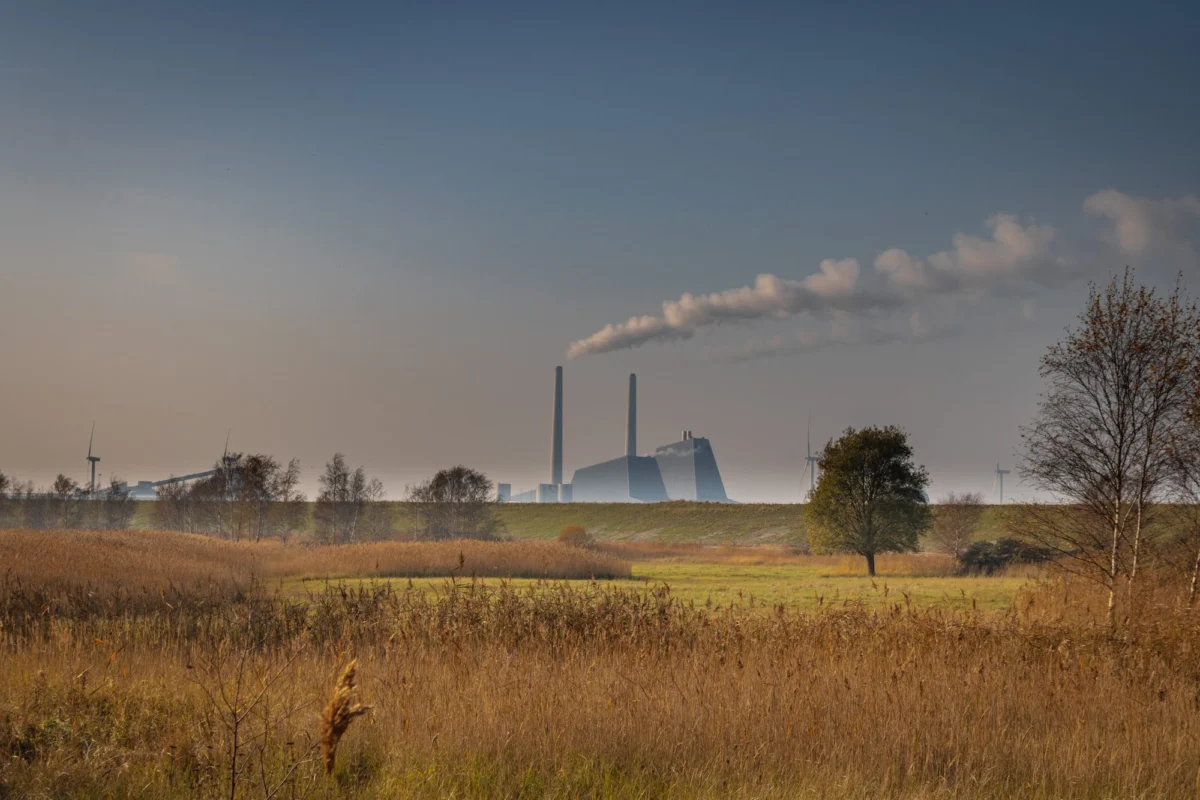
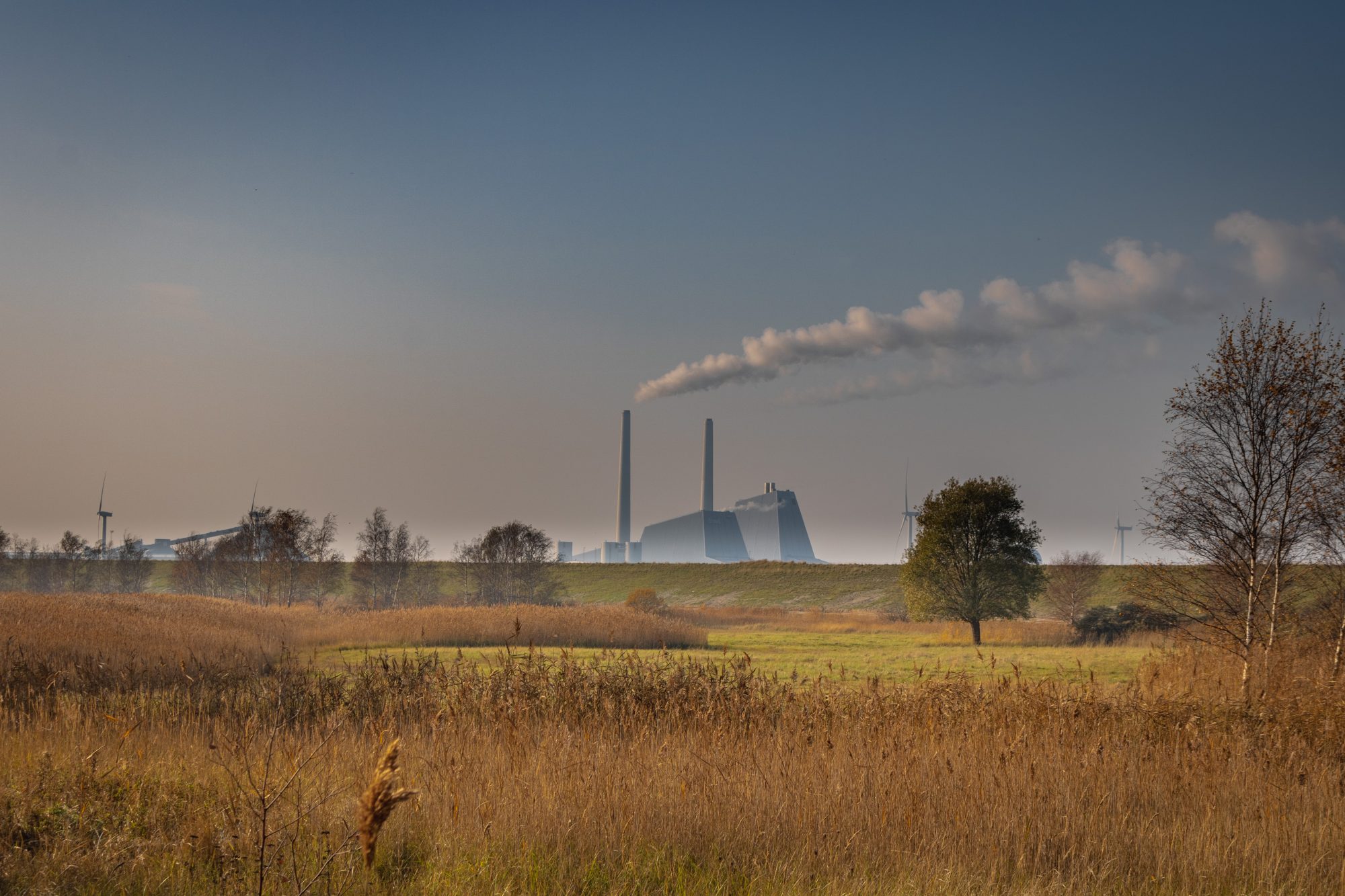
- Industrial Capture: A 1 million-credit agreement with Ørsted for the Avedøre Power Station in Copenhagen utilizes bioenergy with carbon capture and storage (BECCS).
- Nature-Based Restoration: Strategic partnerships with entities like Mombak, which uses high-tech drone monitoring to ensure reforestation efforts in Brazil are legitimate and long-lasting.
Addressing the "Baseline" Crisis
One of the most significant obstacles in the carbon market has been the issue of "baselines"—the hypothetical calculation of what would have happened to a project site if the carbon funding had never been provided. If a developer sets a baseline that is too low, they can artificially inflate the number of credits they issue, leading to projects that claim carbon removal without actual atmospheric benefit.
Microsoft has pushed the industry toward "dynamic baselines." Unlike static estimates that are set at the start of a project and never questioned, dynamic baselines evolve. For their Brazilian reforestation efforts, for instance, developers monitor "control areas"—nearby plots of land that remain untouched—to create a real-time comparison of how much carbon would naturally sequester without intervention. This level of rigor ensures that the credits Microsoft retires represent genuine, additional removal.
The "Measure and Model" Mandate
The skepticism surrounding the carbon market is not unfounded. Investigations by outlets like Bloomberg have revealed projects that were never built or that lacked the promised emissions-control technology.
Microsoft’s response has been to demand a "measure and model" approach. This requires developers to stop relying on estimations and start providing hard data. For soil carbon projects, this means combining actual soil core samples with sophisticated atmospheric modeling and third-party verification. For forest projects, the use of drones and satellite imagery has become the standard to verify that trees are not only planted but are thriving and sequestering carbon at the predicted rates. By forcing these developers to implement high-tech verification suites, Microsoft is effectively raising the barrier to entry for the entire industry, squeezing out fraudulent operators.
The Risks of Selective Sourcing
Microsoft’s reliance on bioenergy projects—such as the Ørsted scheme in Copenhagen—brings with it a unique set of ethical and operational risks. These projects burn organic material (crop residues) to produce energy and capture the resulting CO2.
The primary concern, voiced by environmental advocates, is "extractive sourcing." If the biomass used is not truly waste but rather timber from clear-cut forests, the net carbon benefit is wiped out. To mitigate this, Microsoft has integrated the "Agricultural Biomass Sourcing Guidelines" published by Carbon Direct. These guidelines require projects to prove that their feedstock is truly agricultural waste and that the collection process does not degrade soil health or displace food production. It is a textbook example of how a major buyer can use its purchasing power to enforce sustainable supply chain practices globally.
The 2030 Horizon: Can They Still Make It?
The central question remains: Will these massive investments be sufficient to meet the 2030 carbon-negative goal?
The latest data from Microsoft’s July 2025 report suggests a tightening race. While the company has secured vast amounts of removal capacity, the math has become increasingly complicated. Their decision to pursue AI dominance has caused their Scope 3 emissions (the indirect emissions from their supply chain and data centers) to spike.
The original goal of retiring 6 million tons of carbon removal by 2030 was based on earlier emission projections. Given the 25 percent surge in total emissions reported in 2025, it is almost certain that the amount of removal required will be significantly higher than the initial 6 million-ton estimate. Curiously, Microsoft’s latest report did not provide an updated "total required" figure, leaving analysts to speculate whether the company is recalibrating its goals or searching for ways to further accelerate its procurement.
Implications for the Future of Corporate Climate Action
Microsoft’s strategy offers a blueprint for how large corporations can tackle the climate crisis, but it also highlights the limitations of market-based solutions.
- Transparency as a Catalyst: By open-sourcing its learnings and explaining the "why" behind every contract, Microsoft is helping to solve the information asymmetry that has historically plagued the carbon market.
- Market Maturation: The company’s preference for diverse technologies—from soil sequestration to industrial capture—is helping to incubate a "portfolio approach" to climate change, preventing over-reliance on any single, unproven technology.
- The AI Paradox: The tension between the expansion of AI and the commitment to carbon negativity creates a moral hazard. Microsoft is proving that even with the world’s most aggressive sustainability strategy, technological growth can quickly outpace decarbonization efforts.
Ultimately, Microsoft’s journey is a microcosm of the global energy transition. It is a story of massive capital deployment, high-tech verification, and the uncomfortable reality that as we grow, the cost of undoing our environmental footprint grows with us. For Microsoft, the next five years will not just be about buying credits—they will be about proving that the largest technological expansion in history can be reconciled with the planetary boundaries of a warming world. Whether they hit their 2030 target or not, the "Microsoft Model" has already rewritten the rulebook for corporate environmental accountability.