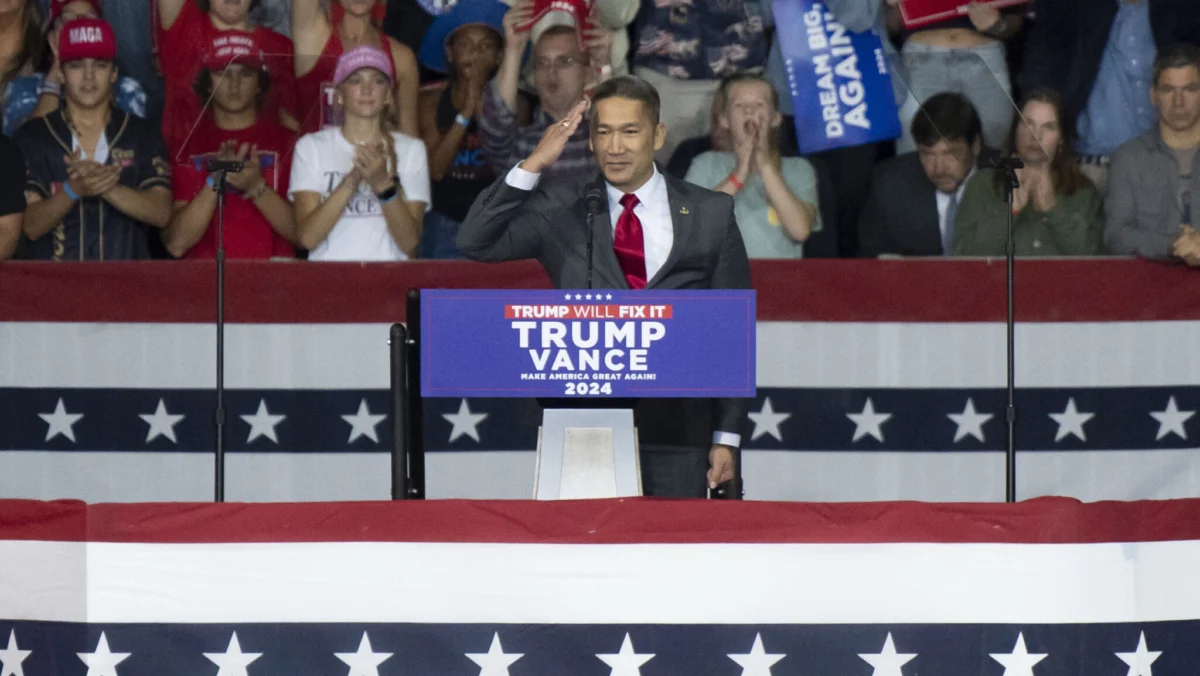
WASHINGTON — In a move signaling a push for ideological alignment and military experience within the upper echelons of the Department of Defense, President Donald Trump announced on Tuesday his intention to formally nominate Hung Cao to serve as the Secretary of the Navy.
The nomination marks a significant transition for the Department of the Navy. Cao, a retired Navy captain and combat veteran, has already been serving as the acting Secretary of the Navy since April, following the abrupt dismissal of his predecessor, John Phelan. His nomination to the permanent post is being framed by the White House as a critical step in ensuring continuity in naval policy and defense strategy.
The Nominee: A Profile in Combat and Public Service
Hung Cao’s career trajectory is characterized by a blend of deep-sea military experience and recent forays into the polarized world of electoral politics. A graduate of the U.S. Naval Academy, Cao spent 25 years in the Navy, specializing in Explosive Ordnance Disposal (EOD). His service record includes multiple combat deployments to Iraq, Afghanistan, and Somalia, as well as high-level staff positions at the Pentagon, the Department of Homeland Security, and the Federal Bureau of Investigation.
Following his retirement from active duty, Cao sought to translate his military background into legislative influence. He became a prominent figure in Virginia politics, though he faced electoral headwinds. He made an unsuccessful bid for Virginia’s 10th Congressional District in 2022 and later challenged incumbent Senator Tim Kaine in 2024. Despite these political setbacks, his profile caught the attention of the Trump administration, which tapped him last October to serve as the Under Secretary of the Navy—the service’s second-highest civilian position.
Chronology: From Acting Lead to Formal Nominee
The path to this nomination has been defined by rapid turnover and strategic urgency within the Pentagon. The timeline of leadership in the Navy over the past year reflects the current administration’s hands-on approach to military oversight:
- October 2025: Hung Cao is confirmed as the Under Secretary of the Navy, the department’s number two civilian official.
- April 2026: President Trump dismisses Secretary of the Navy John Phelan. The administration provides minimal public explanation for the firing, but the move immediately elevates Cao to the position of Acting Secretary.
- April 2026 – Present: During his four-month tenure as Acting Secretary, Cao has focused heavily on the bureaucratic and industrial challenges facing the Navy, particularly regarding ship maintenance and shipbuilding delays.
- August 2026: Following the resignation of Army Secretary Dan Driscoll, the Department of Defense finds itself in a state of leadership flux, with two of the three military service secretaries (Navy and Army) operating in acting capacities.
- September 2026: President Trump formally announces his intent to nominate Cao as the permanent Secretary of the Navy, calling on the Senate to confirm him "ASAP."
Supporting Data: The State of the Navy and Marine Corps
Cao enters the nomination process at a time when the Navy is grappling with systemic challenges that extend far beyond the Beltway. The Department of the Navy currently oversees a fleet that faces significant maintenance backlogs, a strained industrial base, and a rapidly evolving threat landscape in the Indo-Pacific.
The Shipbuilding Dilemma
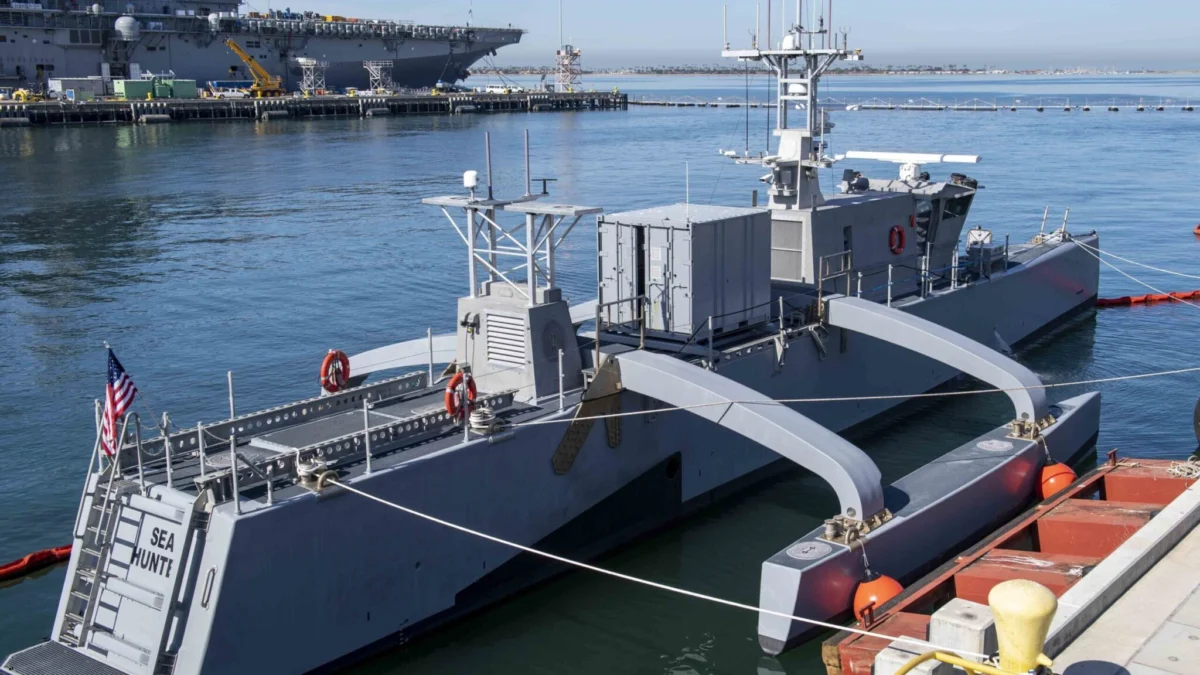
In his first major address as acting secretary in April 2026, Cao emphasized that the defense industrial base must "move forward." The Navy has faced criticism from both sides of the aisle regarding its inability to meet ambitious ship-procurement goals. Recent reports from the Government Accountability Office (GAO) suggest that cost overruns and labor shortages in public shipyards remain the primary bottlenecks. Cao’s background in EOD—a field that requires precision, logistics, and high-stakes decision-making—is being positioned by the White House as exactly the kind of management style needed to streamline these processes.
Personnel and Readiness
Beyond hardware, the Navy is contending with retention issues and the modernization of its force structure. As Secretary, Cao would be responsible for the "Force Design" initiatives for the Marine Corps, which seek to transition the service into a more mobile, littoral force capable of distributed operations in contested environments.

Official Responses and Political Implications
President Trump’s endorsement of Cao was delivered via a characteristically punchy post on Truth Social. Referring to him as a "true WARRIOR," the President emphasized the need for a leadership style that aligns with his "America First" defense platform. "We need Patriots like Hung leading our Navy and Marine Corps," Trump stated, adding that he expects the Senate to act with urgency to ensure the Navy remains the "FIERCEST and BEST Force the World has ever seen."
Cao responded with gratitude, pledging to continue his focus on the core pillars of his current tenure: shipbuilding and homeland defense. "It’s an honor of a lifetime to lead the great warriors of the Navy and Marine Corps team," Cao wrote in a post on X. "I’m grateful for your leadership and support as we continue to get after shipbuilding and ensure the defense of the homeland."
However, the political reality of Washington may delay the administration’s timeline. With the November midterm elections fast approaching, the legislative calendar is thin. The Senate, currently embroiled in pre-election campaigning, has limited working days remaining. Many observers expect the nomination to be held over until the "lame duck" session or perhaps into the next congressional term, depending on the outcome of the midterms.
The Implications: A Shift in Civil-Military Relations
The nomination of a combat veteran like Cao to a civilian oversight role is not unprecedented, but it highlights the administration’s preference for individuals who possess a "boots on the ground" perspective.
Bridging the Gap
One of the primary responsibilities of a Service Secretary is to serve as the bridge between the professional military (the uniformed officers) and the civilian executive branch. Supporters of the nomination argue that Cao’s dual experience—as a veteran and a civilian political candidate—gives him the unique ability to navigate the complexities of Capitol Hill while maintaining the respect of the fleet. Critics, however, may point to his lack of experience in large-scale corporate management, which is often a prerequisite for handling the massive procurement budgets of the Navy.
The "Acting" Problem
The broader context of this nomination is the trend toward "acting" officials across the Pentagon. With the resignation of Army Secretary Dan Driscoll earlier this week, the stability of the civilian oversight structure is under scrutiny. If the Senate does not move to confirm Cao promptly, the Navy will continue to operate under a leadership structure that, while functional, lacks the permanent mandate necessary for long-term strategic planning.
The defense community will be watching the upcoming Senate Armed Services Committee hearings closely. Members of the committee are expected to press Cao on his plans for the fleet, his position on current procurement contracts, and his views on how the Navy should handle the rising tensions with near-peer adversaries.
As it stands, Hung Cao represents the administration’s commitment to a specific brand of leadership—one forged in the combat zones of the early 21st century and now tasked with preparing the U.S. Navy for the geopolitical uncertainties of the next decade. Whether the Senate confirms him before the midterm cycle effectively halts legislative business remains the most immediate question in an otherwise complex puzzle of national defense policy.