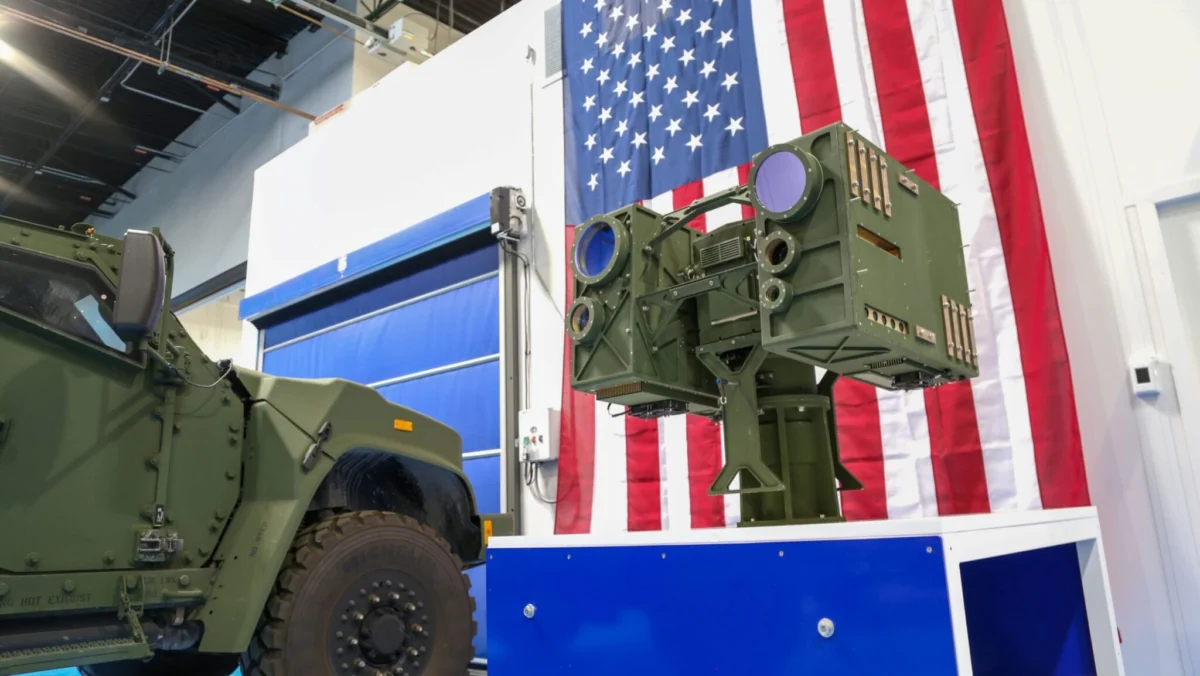
WASHINGTON — In a landmark shift for modern warfare, the U.S. Army has officially awarded AeroVironment (AV) a $464.8 million contract for the Enduring-High Energy Laser (E-HEL) program. This agreement represents the service’s first-ever production contract for a high-energy laser weapon, signaling a transition from experimental prototyping to the large-scale integration of directed-energy systems into the combat force.
The contract, executed through an Other Transaction Authority (OTA) agreement, tasks AeroVironment with delivering "dozens" of its state-of-the-art LOCUST X3 systems over the next few years. This development is expected to fundamentally alter how the U.S. military counters the proliferation of unmanned aerial systems (UAS), offering a cost-effective, magazine-deep solution to the growing drone threat.
The Core Facts: A Shift to Directed Energy
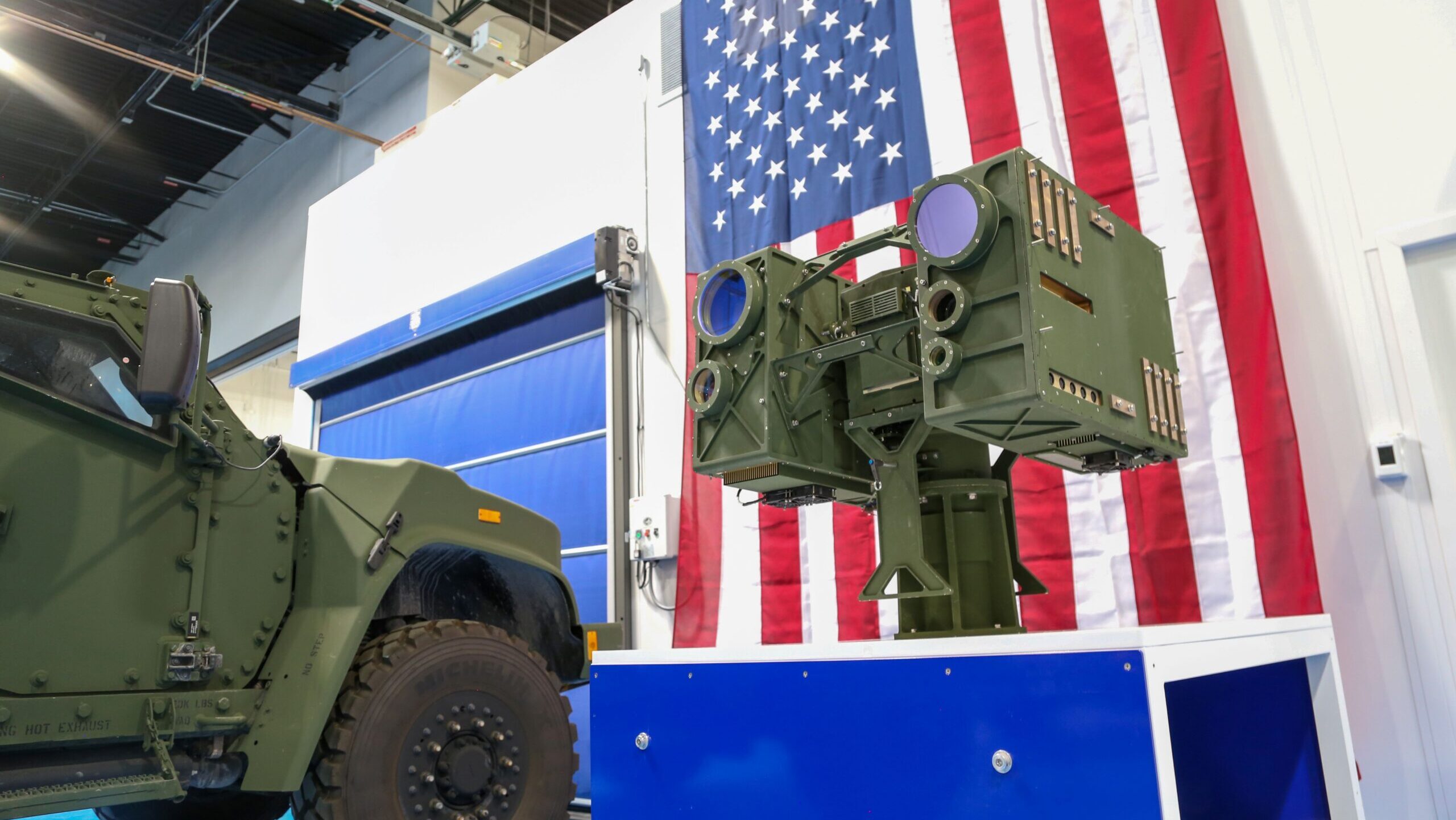
The E-HEL program is built around the LOCUST X3, a high-precision, directed-energy weapon capable of neutralizing Group 3 drones—unmanned aircraft weighing up to 1,320 pounds. By utilizing a 30kw laser, the system provides a lethal, precise, and virtually inexhaustible defensive capability.
Unlike traditional kinetic air-defense systems that rely on expensive interceptor missiles, the LOCUST X3 operates on electric power. This technical shift offers a two-fold advantage: it drastically reduces the "cost-per-shot" to a fraction of a missile launch, and it allows for sustained engagement of multiple targets without the need for reloading ammunition.
"This first-of-its-kind directed energy program will enable our formations to defeat unmanned systems and dominate from the outset," said Gen. Christopher LaNeve, the Army’s acting chief of staff. "Pairing human ingenuity with advanced technology is what ensures our Army will continue to outpace America’s adversaries."
Chronology of the Program
The road to the E-HEL production contract has been marked by rapid development and high-stakes testing.
- February 2026: AeroVironment’s previous 20kw LOCUST iteration saw operational deployment near the Southern Border in El Paso, Texas, providing a real-world evaluation of the system’s utility in domestic surveillance and security.
- March 2026: AeroVironment formally unveiled the LOCUST X3, introducing the 30kw variant designed specifically to tackle the more robust Group 3 drone threat.
- June 2026: High-profile demonstrations took place at the White Sands Missile Range in New Mexico, where the system was put through its paces before Defense Secretary Pete Hegseth and Army Secretary Dan Driscoll.
- July 2026: Breaking Defense reported that the Army was in active negotiations with AeroVironment to secure the E-HEL program of record, confirming the military’s intent to move toward mass procurement.
- August 2026: The official contract award is announced, marking the transition to production-scale manufacturing.
Scaling for Global Demand
John Garrity, AeroVironment’s vice president of directed-energy systems, emphasized that the company is prepared to meet the Army’s aggressive delivery schedule. "One of the key exciting components of this particular production program is introducing production-directed energy for the first time in the nation’s history," Garrity said.
Previously, AeroVironment had been scaling production to roughly "tens" of units annually. With the new contract, the company has established a roadmap to reach production rates "into the 20s per year," with further expansion planned over the next 12 to 24 months.
"It’s purpose-built to be ready for all types of warfare around the globe and all types of environments," Garrity noted. "I expect that as we start delivering these LOCUST X3s at scale, they’ll be everywhere and in all combatant commands across the globe because that’s how needed this capability is."
Supporting Data and Technical Capability
The LOCUST X3 is the third iteration in AeroVironment’s directed-energy family. Its primary mission is the neutralization of Group 3 threats, which represent the most common class of reconnaissance and loitering munitions used by peer and near-peer adversaries.
However, the system is designed to be versatile. According to company data, the LOCUST family of systems has already logged a "kill count in the thousands" during extensive testing on military ranges. The system’s flexibility allows it to engage not only larger Group 3 targets but also smaller Group 1 and 2 drones, which typically range from 20 to 55 pounds.
Deployment Platforms
The Army intends to integrate the LOCUST X3 into its existing fleet of tactical vehicles. Initial deployment targets include:
- Joint Light Tactical Vehicles (JLTVs): Providing mobile air defense for infantry units.
- Infantry Squad Vehicles (ISVs): Offering lightweight, rapid-response protection.
- Future Integration: The system is described by Garrity as "platform agnostic," with long-term plans to mount the lasers on heavy armor like the Stryker, tanks, autonomous robotic platforms, and even naval vessels.
Implications for Modern Warfare
The introduction of the E-HEL system arrives at a critical juncture in global security. Recent operations involving Iranian-manufactured drones have highlighted a dangerous vulnerability in modern ground formations: the ability of low-cost, mass-produced drones to overwhelm traditional air defense systems.
"The drones used by Iran in current operations are causing a tremendous amount of harm for our warfighters and our allies overseas," Garrity noted. "They need this capability that is purpose-built to get after that Group 3 effect, compounded with being able to get after Group 1 and 2 as well."
The strategic implications of this deployment are profound:
- Economic Asymmetry: By neutralizing drones with lasers rather than million-dollar missiles, the Army creates a sustainable economic model for long-term defense. It effectively breaks the "cost-exchange ratio" that currently favors drone-producing adversaries.
- Magazine Depth: Unlike a Patriot or Stinger missile system that requires replenishment after a few shots, a laser-equipped vehicle has a near-infinite magazine as long as it has power. This is essential for defending against "swarm" attacks.
- Rapid Response: The "platform agnostic" nature of the LOCUST X3 means the Army can rapidly modernize its existing fleet without waiting for entirely new vehicle programs, providing an immediate boost to force protection.
Looking Ahead
The award of the E-HEL contract is not merely a procurement success for AeroVironment; it is a signal that the Department of Defense is finally ready to field directed-energy weapons as a standard, reliable component of the military arsenal.
As the first units arrive in the hands of soldiers, the focus will likely shift to training and doctrine. How soldiers integrate these laser-equipped vehicles into their existing tactical maneuvers will define the next phase of the program.
With initial capabilities set to arrive before the end of the year, the U.S. Army is moving swiftly to turn the tide in the race against the proliferation of aerial threats. For AeroVironment, the task is now one of industrial scale, ensuring that this game-changing technology reaches every combatant command that requires it. The era of the high-energy laser on the battlefield has officially arrived.