
The digital ecosystem is currently undergoing a profound existential crisis. For decades, the internet functioned as a repository of human thought, expression, and documentation. Today, that foundation is being rapidly destabilized by a deluge of AI-generated content—often derisively labeled as "AI slop." This isn’t merely a concern for social media algorithms; it is a systemic shift that has permeated the most critical sectors of our professional and personal lives. From the recruitment pipelines of major corporations to the integrity of insurance claims and the veracity of product reviews, the line between authentic human contribution and synthetic output is blurring, creating a "trust vacuum" that society is ill-equipped to fill.
As platforms scramble to regain their footing, a new industry of "trust layer" startups has emerged. Among them, Pangram stands at the vanguard, attempting to build the technological infrastructure necessary to distinguish truth from fabrication in an era of infinite, low-cost synthetic content.
The Genesis of the Trust Problem
The rapid proliferation of Large Language Models (LLMs) and generative image tools has democratized the ability to create high-fidelity, plausible content at scale. While this technology has spurred innovation, it has simultaneously weaponized deception.
The issue is no longer just "deepfakes" or political misinformation; it is the mundane infiltration of AI into everyday commerce and administration. When a hiring manager receives a resume generated by a bot, or an insurance adjuster processes a claim bolstered by AI-edited images, the cost of verification skyrockets. Without a reliable "trust layer," the cost of doing business online—measured in both time and human skepticism—becomes unsustainable.
Chronology: From AI Novelty to Systematic Infiltration
The transition from AI as a toy to AI as a ubiquitous tool happened in rapid succession:
- 2022–2023: The "Generative Boom." Tools like ChatGPT and Midjourney entered the public consciousness, leading to a massive spike in AI-assisted content creation.
- Early 2024: The "Verification Gap." Platforms began noticing a sharp increase in low-quality, automated content in comments sections and product review pages, causing a decline in user engagement and brand sentiment.
- Mid-2024: The emergence of specialized detection startups. Companies like Pangram began securing significant venture capital, positioning themselves as the "bouncers" of the digital age.
- July 2026: A pivotal moment for transparency. Substack, the prominent newsletter platform, entered into a strategic partnership with Pangram. This integration marked one of the first major attempts to label AI-generated content at scale for a mainstream audience, signaling a shift toward mandatory disclosure.
- Late July 2026: Pangram secures $9 million in funding to accelerate the development of its cross-modal detection suite, specifically targeting the increasingly complex intersection of text and image generation.
Supporting Data: The Scale of the Crisis
The urgency behind these developments is backed by a mounting body of evidence regarding content volume. Industry analysts estimate that by 2027, more than 90% of online content could be synthesized or assisted by AI.
In the realm of job applications, internal surveys from human resources software providers suggest that nearly 40% of applicants are using AI to draft cover letters and resume summaries. While this may increase efficiency, it has led to a "resume arms race," where recruiters are forced to rely on secondary, human-verified assessments, thereby negating the time-saving benefits of automation.
Similarly, in e-commerce, the volume of AI-generated reviews has reached a point where legacy "spam filters" are no longer effective. These systems, which once relied on identifying repetitive keywords or blacklisted IP addresses, are now being bypassed by AI that mimics natural, colloquial human speech patterns and even inserts "flaws" to appear more authentic.
Official Responses and the Pangram Strategy
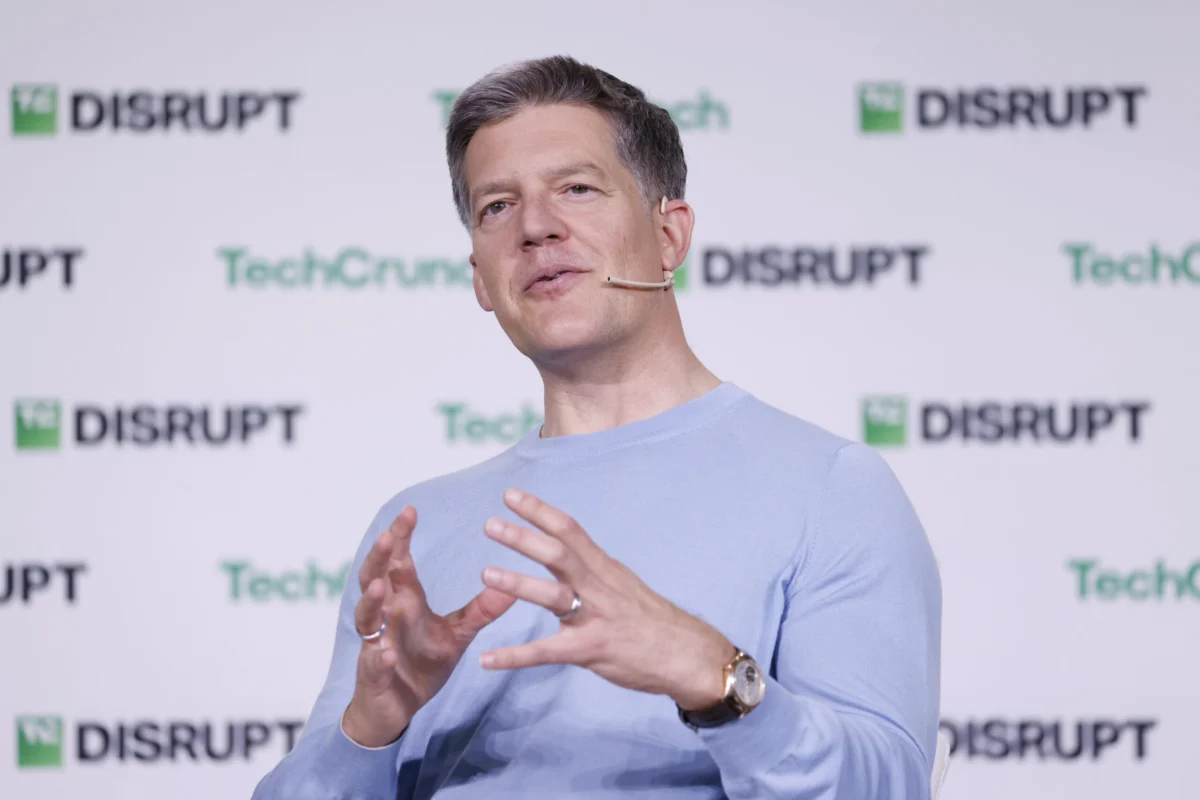
In a recent appearance on TechCrunch’s Equity podcast, Max Spero, co-founder and CEO of Pangram, addressed the philosophical and technical hurdles of his company’s mission. Spero argued that the solution isn’t simply to ban AI, but to create a layer of "provenance and transparency."
"We are not in the business of censoring content," Spero noted during the interview. "We are in the business of enabling choice. If a writer chooses to use AI to help structure their thoughts, that is a creative choice. But the reader has a right to know the provenance of that work. Our goal is to make the invisible visible."
The partnership with Substack is a blueprint for this vision. By integrating Pangram’s detection API, Substack allows writers to voluntarily—or, in some cases, systemically—disclose the degree of AI involvement in their newsletters. This "AI-assisted vs. AI-generated" distinction is crucial. Spero emphasizes that society must learn to distinguish between a tool used to polish a human idea and a machine that generates an entire narrative from a single prompt.
Implications for the Future of the Internet
The rise of the "trust layer" carries profound implications for the digital landscape:
1. The Death of the "Blind Trust" Era
We are witnessing the end of the period where content was assumed to be human-originated by default. Moving forward, the burden of proof will shift. Digital platforms will likely move toward a "verified human" tier, similar to how blue checks were intended to work on social platforms, but backed by more rigorous technical verification.
2. The Economic Shift
The $9 million investment in Pangram is only the beginning of a larger capital flow into "Verification-as-a-Service" (VaaS). Businesses that can prove the authenticity of their supply chains, their communications, and their consumer reviews will command a premium. Trust is becoming a quantifiable asset.
3. The Ethical Dilemma of Detection
There is a persistent risk in the cat-and-mouse game between AI creators and AI detectors. As detectors become more sophisticated, generative models are trained to bypass them. This cycle leads to a technological "arms race" that could potentially alienate users who feel they are constantly being monitored or audited by automated systems.
4. The Human Element
The ultimate implication is that "humanity" itself is becoming a luxury good. Content written by actual people, with all its inherent flaws, idiosyncrasies, and emotional weight, may eventually carry a premium. Platforms that successfully foster environments where human-authored content is clearly labeled and prioritized will likely thrive in the coming years.
Conclusion: The Road Ahead
The internet is at a crossroads. As we navigate the post-AI-flood landscape, the tools developed by companies like Pangram are necessary, but they are not a silver bullet. The problem of trust is as much sociological as it is technological. While algorithms can help identify synthetic text, the responsibility of maintaining a healthy, authentic information ecosystem rests with the platforms that host the content and the users who engage with it.
As Max Spero and the team at Pangram continue to refine their detection systems, the digital community must decide what it values most: the infinite, effortless scale of synthetic content, or the harder, more authentic experience of human connection. The "trust layer" is the infrastructure of this decision. Whether it proves to be a permanent solution or a temporary patch remains to be seen, but one thing is certain: the era of blind digital trust is over.
For those interested in the ongoing debate surrounding AI detection and the future of digital media, further discussion and expert analysis can be found on the latest episode of TechCrunch’s Equity podcast. Subscribe on YouTube, Apple Podcasts, or Spotify to stay informed on the shifting landscape of tech and venture capital.