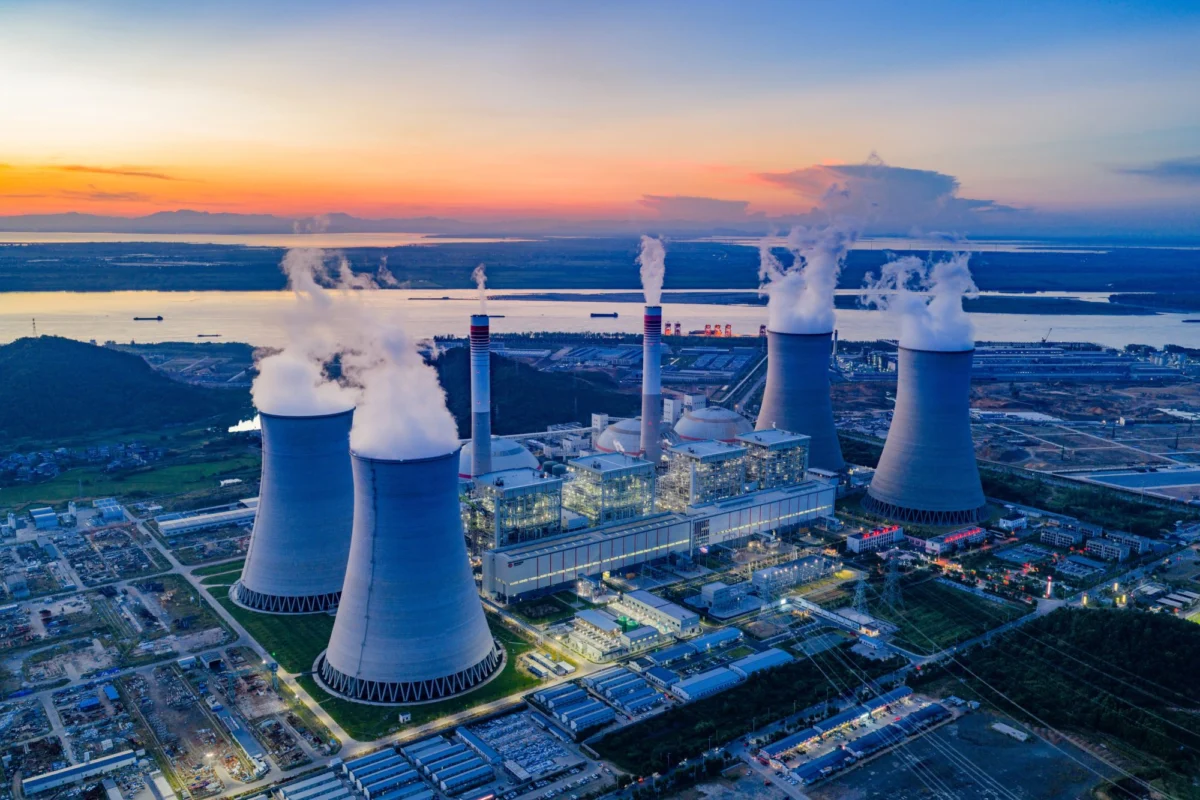
In the high-stakes arena of corporate climate action, Microsoft has emerged not merely as a participant, but as a dominant force. According to data from CDR.fyi, the tech titan’s appetite for carbon removal credits is unparalleled; Microsoft has secured five times more removal credits than the next 10 largest corporate buyers combined.
As the company marches toward its ambitious 2030 goal of becoming carbon-negative, it has moved beyond passive purchasing. Microsoft is now actively shaping the standards of an evolving, often chaotic, carbon removal market. By open-sourcing its internal methodologies and prioritizing projects with rigorous, science-backed verification, the company is attempting to rewrite the playbook for how corporations account for their environmental footprint. Yet, as the company’s own emissions rise in tandem with the infrastructure demands of the artificial intelligence boom, the question remains: Can even the world’s most aggressive carbon buyer outpace its own growth?
The Strategic Shift: Moving Beyond Offsets
For years, the voluntary carbon market was plagued by "avoidance" projects—credits generated by preventing deforestation or switching to renewable energy. These projects often failed to provide the "removals" necessary to address legacy carbon already in the atmosphere. Microsoft’s strategy marks a definitive shift toward high-quality, permanent, and measurable carbon removals.
In its most recent procurement cycle, Microsoft contracted for over 6 million credits across diverse sectors, including forestry, regenerative agriculture, and industrial carbon capture. This move is part of a broader corporate philosophy: to treat carbon removal not as a "check-the-box" compliance exercise, but as a core operational challenge. By sharing the technical reasons behind these specific investments, Microsoft is positioning itself as a steward of market integrity, providing a blueprint for other Fortune 500 companies struggling to navigate the murky waters of carbon accounting.
Chronology of an Evolution
The path to Microsoft’s current dominance in the carbon market has been iterative and occasionally fraught with lessons learned.
- 2020: The Big Promise. Microsoft announces its intention to be carbon-negative by 2030, pledging to remove more carbon from the environment than it emits.
- 2021–2022: Market Discovery. The company begins testing various removal technologies, from direct air capture (DAC) to soil carbon sequestration, realizing that the existing market lacked the transparency required for its corporate standards.
- 2023: Setting the Standard. Microsoft begins open-sourcing its procurement criteria, emphasizing "dynamic baselines" and third-party verification to avoid the pitfalls of "ghost credits."
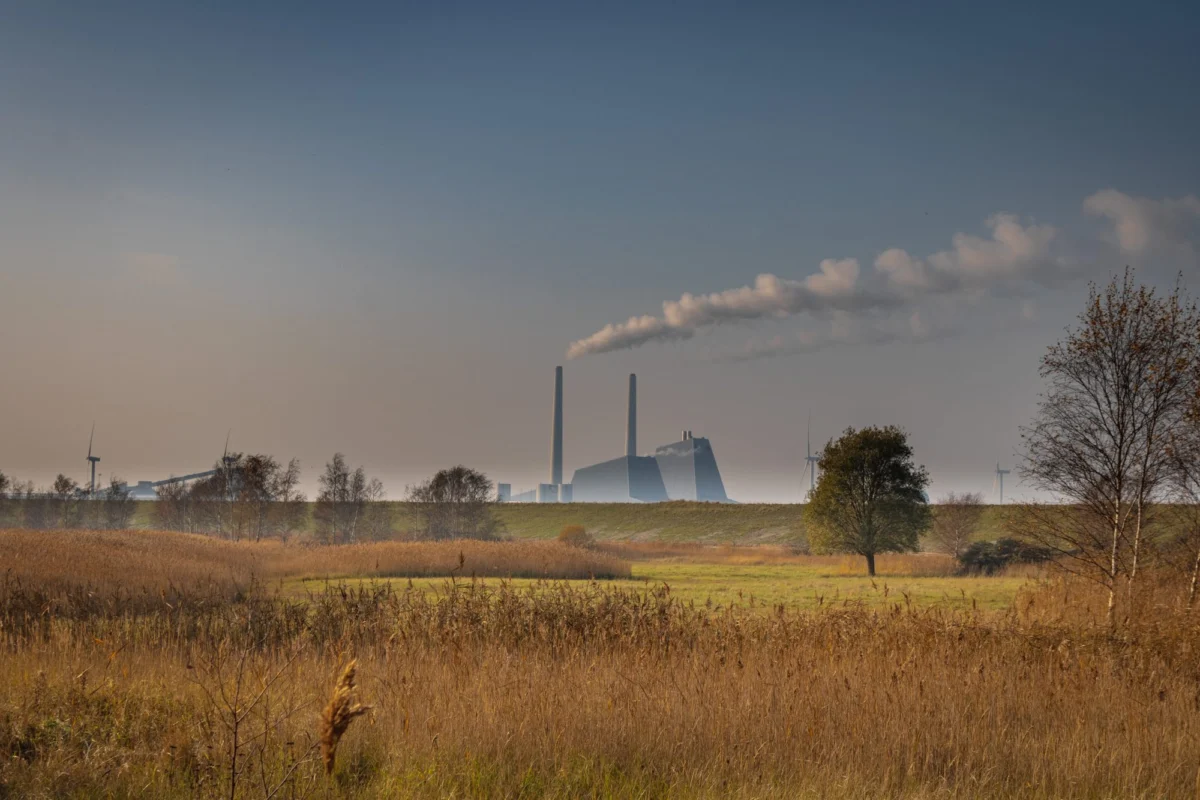
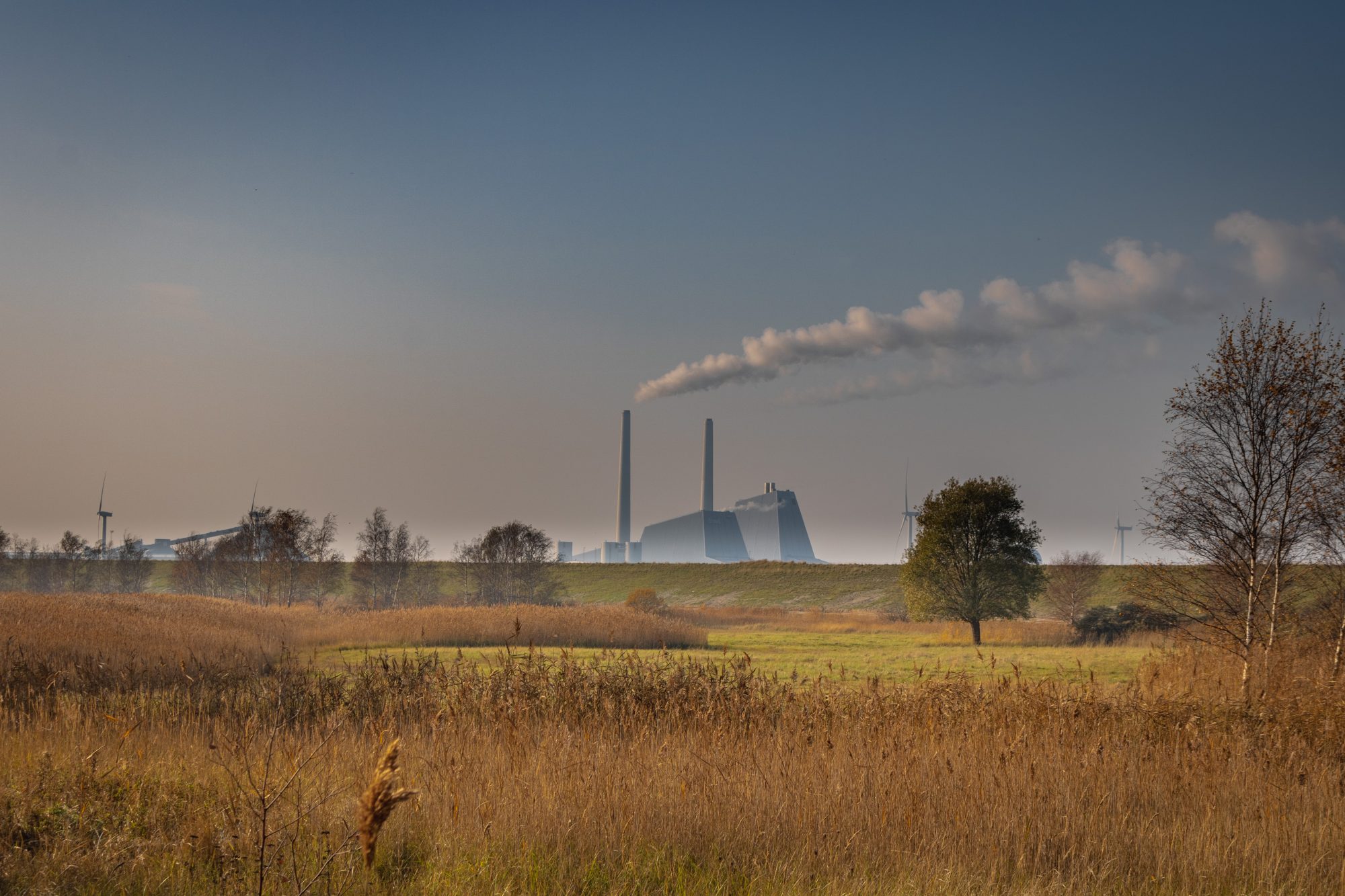
- 2024: Massive Scale-Up. The company contracts for 1 million credits from the Avedøre Power Station in Denmark, signaling a shift toward industrial-scale biomass energy with carbon capture and storage (BECCS).
- 2025: The AI Reality Check. Despite securing 45 million tons of removals, Microsoft’s total emissions surge by 25 percent, driven by the massive energy demands of data centers required to power generative AI.
Supporting Data: The Anatomy of a High-Quality Credit
Microsoft’s procurement team has focused on three pillars to avoid the scandals that have historically damaged the reputation of carbon markets:
1. The Death of Static Baselines
A "baseline" is the hypothetical scenario of what would have happened to a plot of land had a carbon project never occurred. In the past, developers often used static, overly optimistic baselines to inflate credit counts. Microsoft is now mandating "dynamic baselines" that evolve in real-time. For its reforestation work in Brazil, the company utilizes control areas—plots of land left unmanaged—that serve as a benchmark for how the forest would have fared naturally. If the control area survives, the project’s impact is adjusted accordingly, ensuring that only true "additional" sequestration is counted.
2. The "Measure and Model" Methodology
Transparency is the antidote to the "dubious credits" scandals identified by investigations like those from Bloomberg. Microsoft has partnered with developers like Indigo Carbon, which manages soil sequestration for farmers. By combining physical soil sampling with high-resolution satellite modeling and third-party verification, the project creates a multi-layered evidentiary chain. Similarly, in its forest-based investments with companies like Mombak, Microsoft utilizes drone-based remote sensing to provide visual and structural proof of tree health and carbon density, removing the ambiguity of manual reports.
3. Sustainable Sourcing Guidelines
The use of biomass (crop residues or organic waste) for carbon capture carries a significant risk: the "extractive" trap, where a project might incentivize deforestation to provide more fuel for a power plant. To mitigate this, Microsoft has aligned its Danish BECCS projects with the rigorous sustainable sourcing guidelines developed by Carbon Direct. These guidelines ensure that the biomass utilized is truly waste, preventing the project from inadvertently driving land-use change that would negate its carbon-capture benefits.
Official Responses and Corporate Philosophy
Microsoft’s sustainability leadership has been clear that they view themselves as a "first-mover" in a market that desperately needs maturity. In its 2024 sustainability report, the company emphasized that its goal is not just to buy credits, but to catalyze the development of a market that can eventually support global climate targets.
"We are not just purchasing credits; we are purchasing the development of the ecosystem," a company spokesperson suggested in recent communications. By providing long-term contracts to nascent carbon-capture startups, Microsoft acts as an "anchor buyer," allowing these companies to secure the financing necessary to scale their technologies. This is essential for the industry, as many of these solutions—such as direct air capture—are currently far too expensive to be commercially viable without corporate subsidies.
Implications: The AI Paradox
The most striking aspect of the current landscape is the "AI Paradox." Even as Microsoft becomes the world’s most sophisticated carbon remover, its total emissions are rising. The surge in data center construction and the electricity demand of AI models have caused a 25 percent spike in the company’s emissions.
This creates a structural tension. If Microsoft’s emissions grow at the rate of its AI adoption, the 6 million credits it once thought would suffice for its 2030 target may be woefully inadequate. While the company contracted for 45 million tons of removals in 2025—a massive figure—these are not all immediate removals; many are forward-contracts for projects that will take years to reach full capacity.
The implications for the broader market are twofold:
- Supply Constraints: Microsoft’s massive purchasing power is effectively "hoovering up" the supply of high-quality, verified credits. This leaves other corporations with a choice: either buy low-quality, "junk" credits from the open market or wait for the technology sector to develop more supply.
- Increased Scrutiny: As the gap between Microsoft’s carbon-negative ambitions and its actual emissions grows, the company faces mounting pressure from environmental groups. The omission of a new, updated estimate for how many credits are needed to hit the 2030 goal in its latest report has raised questions about whether the company is still on track, or if the "carbon negative" target has become a moving goalpost.
Conclusion: A Race Against Time
Microsoft’s leadership in the carbon removal market is an extraordinary feat of corporate environmental engineering. By demanding higher standards, utilizing advanced modeling, and providing the necessary capital for industrial innovation, the company has proven that it is willing to put its balance sheet behind its climate promises.
However, the laws of physics are indifferent to corporate sustainability reports. As the global economy pivots toward resource-intensive AI, the challenge for Microsoft is no longer just about buying the right credits; it is about decoupling its growth from its carbon footprint. Whether the company succeeds in its 2030 goal will depend on whether it can successfully scale these carbon-removal technologies faster than it scales its own data centers. For now, Microsoft remains the titan of the carbon market—a position that brings with it both the opportunity to save the planet and the potential to define what "accountability" means in the age of climate change.