In the modern theater of operations, the outcome of a conflict is no longer decided solely by the lethality of kinetic assets, but by the resiliency of the supply chains that sustain them. As the Pentagon pivots its strategic focus toward near-peer competition, "contested logistics" has emerged as a critical vulnerability—and the primary arena for technological innovation.
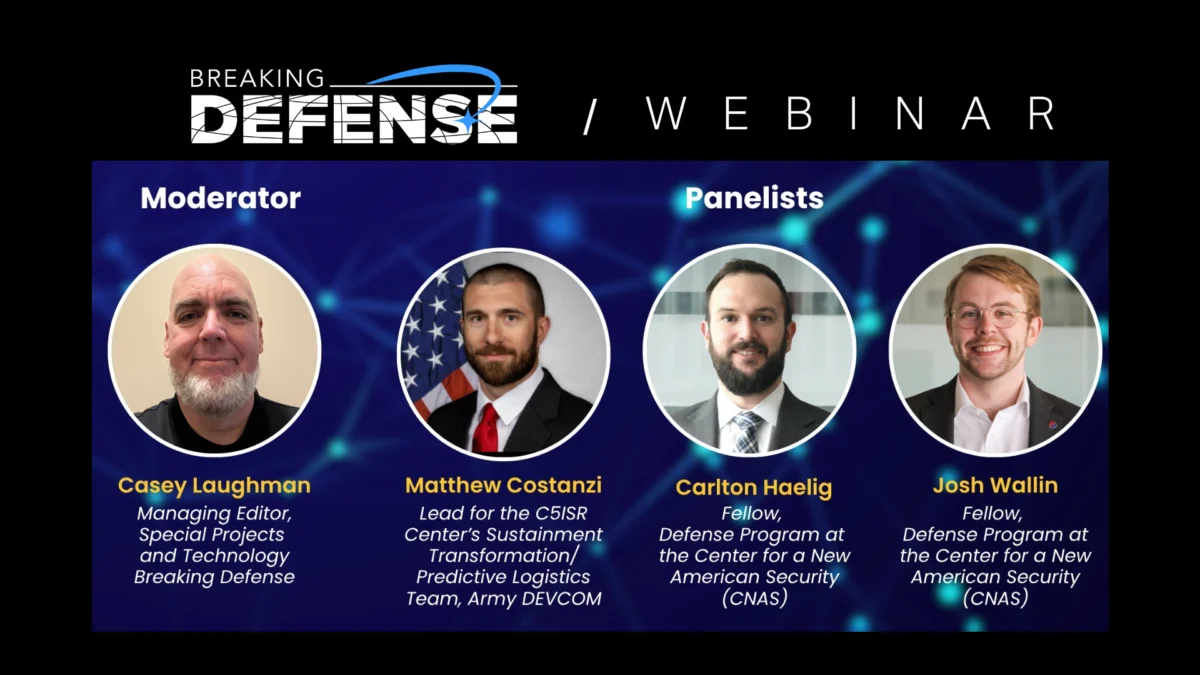
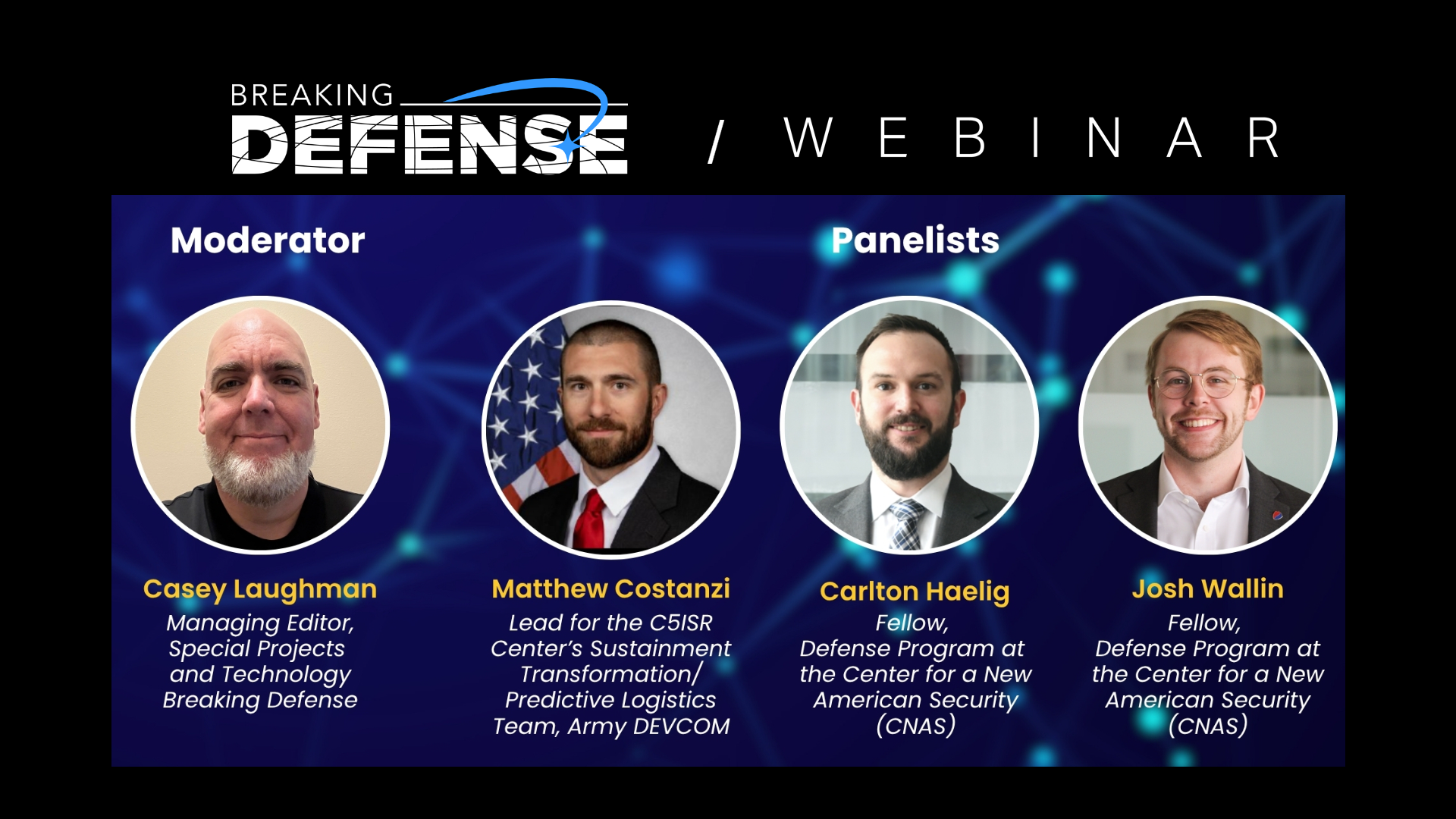
On October 21, 2026, Breaking Defense will host a landmark webinar, "Building Logistics Networks that Survive Contested Environments," featuring industry veteran Mike Zizza of Wind River. This discussion will tackle the paradigm shift required to maintain visibility, agility, and survivability in environments where electronic warfare, cyber intrusions, and kinetic strikes threaten to sever the digital lifelines of the modern military.
The New Reality: Logistics as the Center of Gravity
The logistical tail of the U.S. military has historically relied on predictable, uncontested environments. However, the rise of sophisticated adversaries capable of denying the electromagnetic spectrum and targeting command-and-control (C2) nodes has rendered legacy logistics models obsolete.
The Shift Toward Adaptive Systems
The modern battlefield requires a shift from static, centralized supply chain management to an "adaptive" model. This involves integrating software-defined systems that can reconfigure in real-time. If a communication node is jammed or a warehouse is compromised, the network must be intelligent enough to reroute supply data, prioritize critical munitions, and maintain asset visibility without centralized intervention.
The Role of Software-Defined Everything
Software-defined operations are the bedrock of this transition. By abstracting hardware functions into software, defense agencies can push updates to remote platforms, conduct predictive maintenance on autonomous vehicles, and secure endpoints through dynamic patching. This is not merely an IT challenge; it is a survival imperative.
Chronology of the Logistics Evolution
To understand how the Department of Defense (DoD) reached this inflection point, one must examine the timeline of shifting priorities:
- 2018–2020: The Wake-Up Call. Emerging intelligence reports highlighted the vulnerability of U.S. supply lines in the Indo-Pacific. The focus shifted from Middle Eastern counter-insurgency to "Great Power Competition."
- 2021–2023: Digital Transformation Initiatives. The Pentagon began massive investments in cloud computing, specifically the Joint All-Domain Command and Control (JADC2) initiative, which aimed to integrate sensor data across all military branches.
- 2024–2025: The Rise of the Tactical Edge. Recognition grew that cloud-only solutions fail when the "pipe" to the home front is cut. This led to the rapid deployment of edge AI, moving computation closer to the point of use.
- 2026–Present: The "Contested" Mandate. Policy shifts now mandate that all logistics hardware must be "spectrum-agile" and capable of autonomous operation in disconnected, intermittent, and low-bandwidth (DIL) environments.
Supporting Data: Why Connectivity is the New Ammunition
The efficacy of a modern logistics network is measured in "observable nodes." If a commander cannot see the status of a fuel tanker or the inventory of a forward-deployed ammunition depot, that asset is effectively lost.
The Connectivity Gap
Research suggests that in a high-intensity conflict, electromagnetic interference could render traditional GPS and standard radio communications unavailable for up to 60% of the operation time.
Private Tactical 5G: A Strategic Solution
Private 5G networks offer a breakthrough in localizing logistics data. Unlike public networks, private tactical 5G allows for:
- Low Latency: Enabling real-time monitoring of autonomous supply robots.
- Network Slicing: Prioritizing critical logistics traffic over administrative data.
- Security: Hardening the network against external interference through localized encryption keys.
When combined with smart warehousing—where AI monitors inventory shelf-life and mechanical health—the military can reduce its "footprint," making it harder for adversaries to target supply hubs.
Official Perspectives: Industry and the Pentagon
The collaboration between the DoD and private sector entities like Wind River is focused on bridging the "valley of death" between experimental technology and field-ready deployment.
The Tech Perspective: Mike Zizza
Mike Zizza, Sales and Growth Leader at Wind River, emphasizes that the primary obstacle is not the lack of AI, but the lack of integration. "We are moving away from monolithic, proprietary systems toward open-architecture, software-defined environments," Zizza notes. "The goal is to ensure that a piece of hardware—whether it’s a logistics drone or an automated pallet loader—can be updated in the field as easily as a smartphone. If the software is static, the platform is already dead."
Pentagon Strategy
Department leaders have consistently signaled that "Contested Logistics" is the highest-priority mission set for the next five years. The push for "Condition-Based Maintenance" (CBM) is a cornerstone of this strategy. By using AI to predict component failure before it occurs, the DoD can reduce the number of transport sorties required to move spare parts, thereby shrinking the logistics signature and decreasing the probability of detection.
Implications: The Future of the Battlefield
The implications of this technological push are profound. If the U.S. successfully builds a survivable logistics network, it gains a "decision advantage"—the ability to maneuver faster and more effectively than the adversary.
1. Survivability Through Distribution
The move toward decentralized, smart warehouses means that there is no longer a single "target" for an adversary to destroy. By distributing assets across hundreds of small, mobile, and intelligent nodes, the military creates a resilient network that can sustain itself even if individual nodes are destroyed.
2. The Human Element
Despite the focus on AI and automation, the human element remains paramount. The shift toward "observable" logistics requires a new generation of logisticians who are as comfortable with data analytics as they are with supply chain management. The upcoming Breaking Defense webinar offers 1 CPE credit, highlighting the professionalization of this field and the necessity of cross-training military and civilian personnel in business management and data-driven organization.
3. Economic and Industrial Strategy
The defense industrial base is currently undergoing a massive realignment. Companies that cannot provide secure, spectrum-agile, and open-architecture solutions are finding themselves increasingly marginalized in procurement processes. The "smart warehouse" is becoming the new standard, forcing traditional contractors to modernize or exit the space.
Conclusion: Preparing for the Future
As we look toward the potential conflicts of the late 2020s and beyond, the message from leadership is clear: Logistics is the front line. The ability to move, sustain, and repair in the face of an adversary who is actively working to stop you is the ultimate test of military capability.
The October 21st webinar hosted by Breaking Defense represents a vital checkpoint in this journey. By convening experts to discuss edge AI, resilient connectivity, and software-defined systems, the defense community is taking the necessary steps to ensure that when the next fight comes, the digital backbone holds firm.
For professionals looking to stay at the cutting edge of these developments, registration for the event is now open. Participants will gain critical insights into the shifting landscape of defense logistics and the technical standards that will define the next decade of military operations.
Webinar Details at a Glance
- Event: Building Logistics Networks that Survive Contested Environments
- Date: October 21, 2026
- Time: 2:00 PM ET / 11:00 AM PT
- Continuing Education: 1 CPE Credit (Field of Study: Business Management & Organization)
- Registration: Available via the Breaking Defense portal.
Note: To receive full credit for the CPE, attendees must remain present for the duration of the webinar and respond to all three polling questions presented during the live broadcast.