By Editorial Staff | October 2026
In the modern theater of operations, the age-old military adage remains true: "Amateurs talk strategy; professionals talk logistics." However, the definition of "logistics" has undergone a radical transformation. As the Department of Defense (DoD) shifts its focus toward peer-level competition, the primary challenge is no longer merely the movement of physical tonnage—fuel, ammunition, and spare parts—but the protection and synchronization of the digital backbone that underpins every movement on the battlefield.
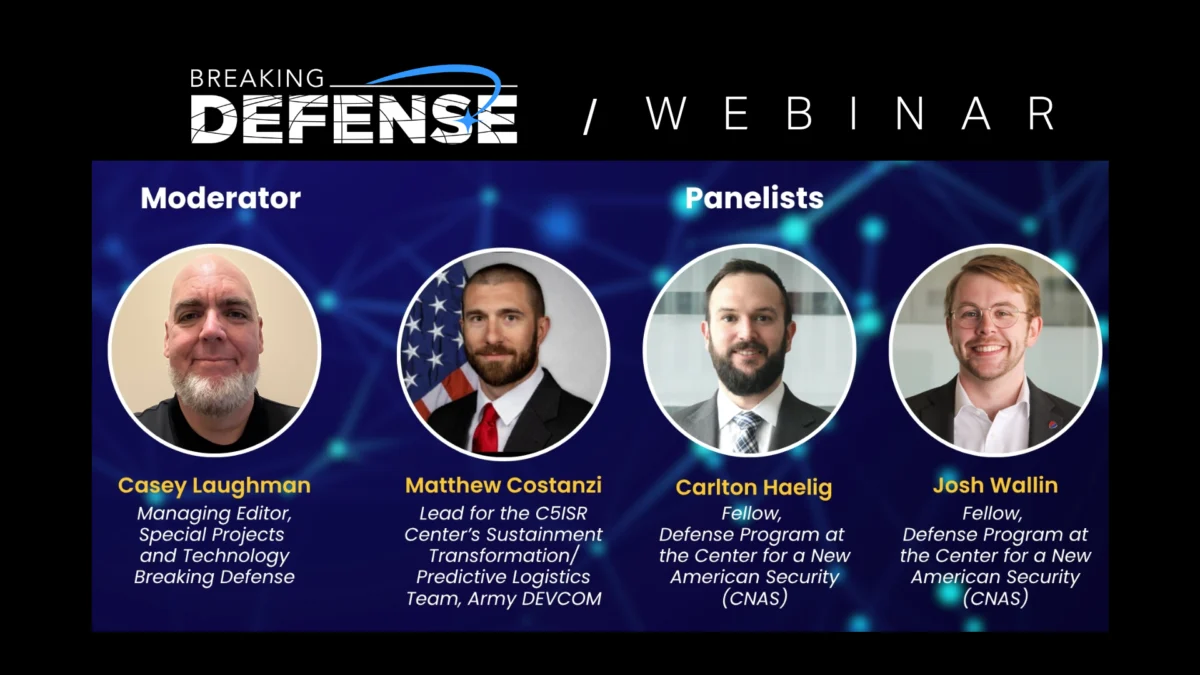
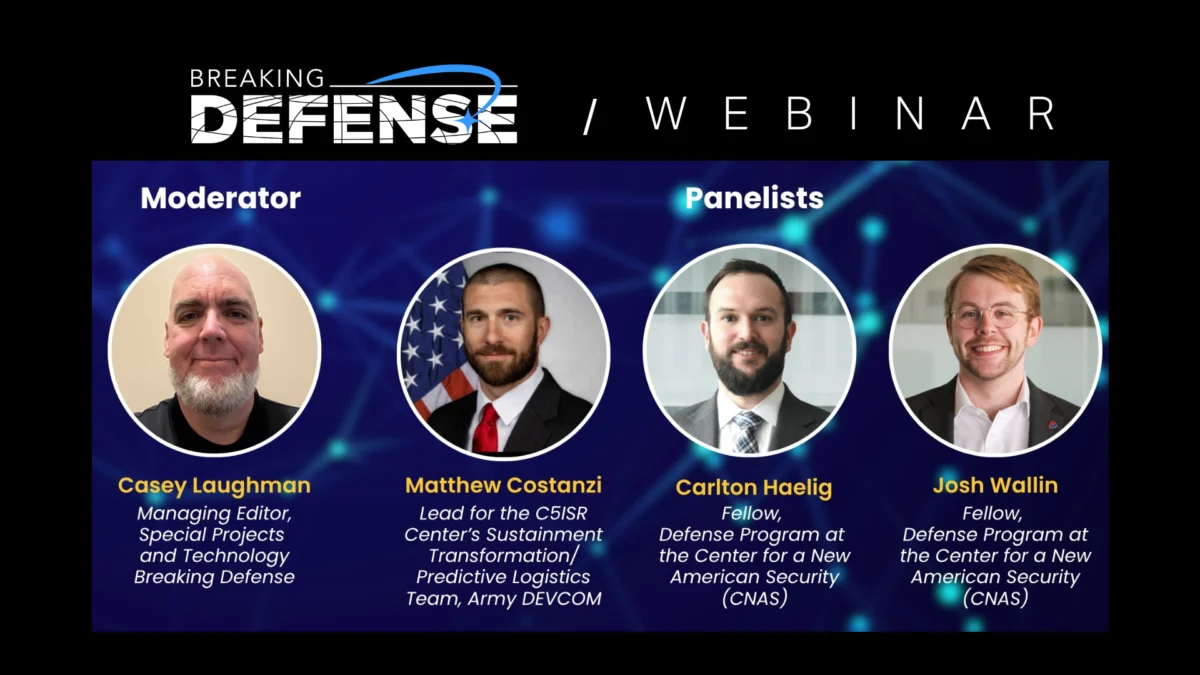
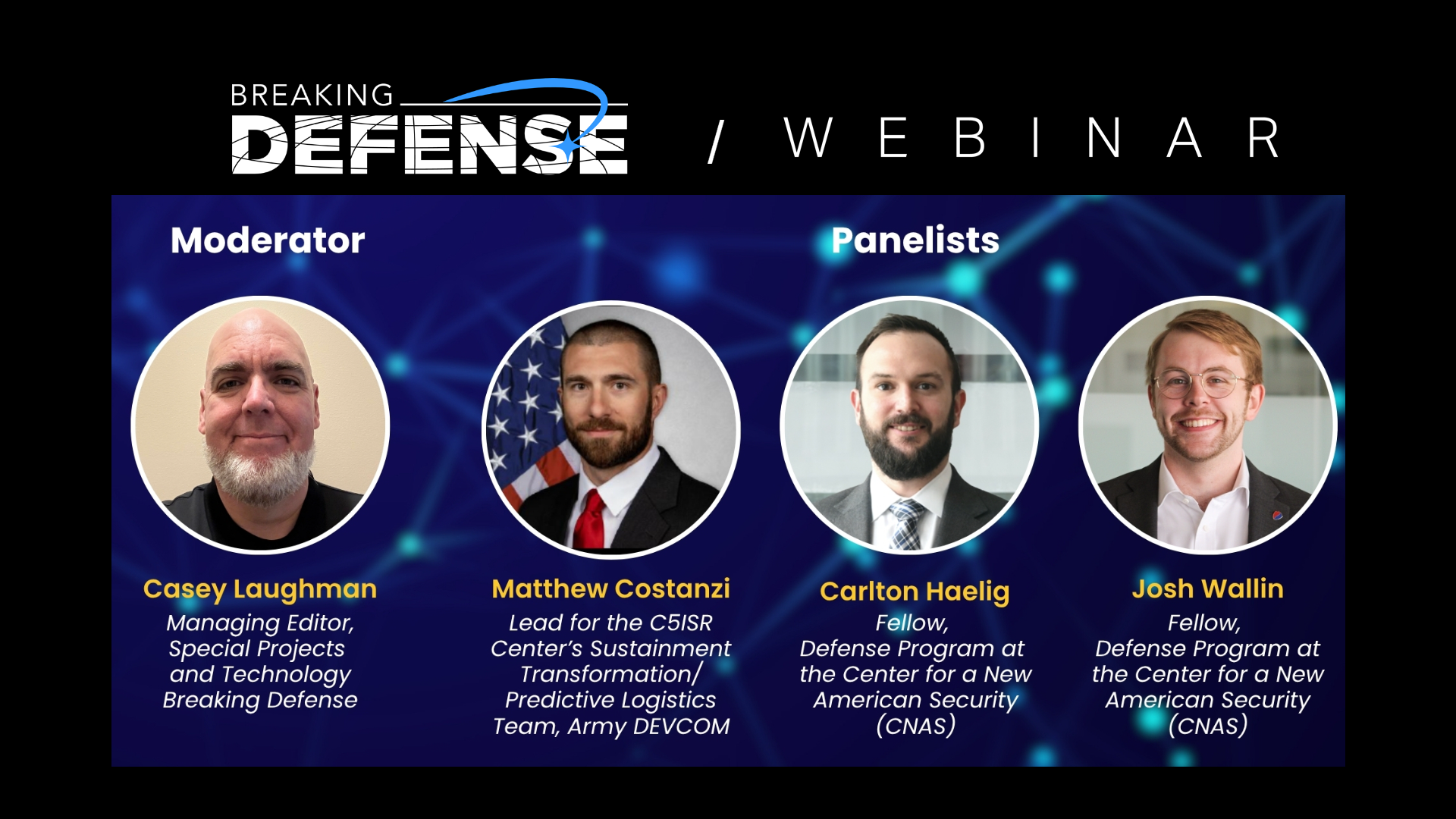
On October 21, 2026, Breaking Defense will host a landmark webinar, "Building Logistics Networks That Survive Contested Environments," featuring insights from industry leaders, including Mike Zizza, Sales and Growth Leader for Defense and Government (DoW) at Wind River. This discussion aims to address the critical nexus between software-defined systems, edge-based artificial intelligence (AI), and the survivability of supply chains in an era where connectivity is a luxury rather than a guarantee.
The New Reality: Contested Logistics and Digital Fragility
For decades, the U.S. military operated under the assumption of logistical dominance. With uncontested air superiority and secure communication lines, the challenge was one of efficiency—getting the right supplies to the right place at the right time. Today, that paradigm is defunct.
In a "future fight" scenario, the enemy is expected to employ advanced electronic warfare (EW), cyber-attacks, and kinetic strikes to degrade both physical supply routes and the digital networks that manage them. If a logistics commander cannot see their assets, track their condition, or communicate with the front lines, the supply chain effectively collapses.
Defining the "Contested" Environment
"Contested" is no longer just about geography; it is about the electromagnetic spectrum. Adversaries are actively developing the capability to jam, spoof, and intercept logistical data, creating a "fog of war" that is increasingly digital in nature. To remain adaptive, observable, and survivable, the DoD is moving toward a decentralized, software-defined logistics architecture.
Chronology of the Shift: From Paper to Predictive
The evolution of defense logistics can be categorized into four distinct phases of modernization:
- The Era of Manual Tracking (Pre-2010): Logistics relied on serialized paper records and disjointed inventory systems. Visibility was "lagging," meaning commanders often didn’t know an asset was missing until it was already needed.
- The Digitization Phase (2010–2020): The introduction of enterprise resource planning (ERP) systems allowed for centralized data management. While this improved efficiency, it created centralized "choke points" in the network that became high-value targets for cyber adversaries.
- The Connectivity Surge (2020–2025): The push for Joint All-Domain Command and Control (JADC2) prioritized connecting every sensor to every shooter. This phase highlighted the vulnerability of traditional satellite and terrestrial networks in contested zones.
- The Resilient/Distributed Phase (2026–Present): We are now in the age of the "Edge." By pushing intelligence—AI, processing power, and maintenance diagnostics—to the tactical edge, the military is seeking to build networks that can operate even when disconnected from the central hub.
Supporting Data: Why Connectivity and Edge AI Matter
The urgency of this transition is driven by the sheer complexity of modern military hardware. A single F-35 or an autonomous ground vehicle generates terabytes of data daily. Processing this centrally is impossible in a degraded environment.
- Edge AI Efficiency: By deploying AI models directly onto warehouse management systems and vehicle fleets, the military can shift from "scheduled maintenance" to "condition-based maintenance." This reduces the logistical tail by ensuring only necessary parts are shipped, preventing the "clutter" that makes logistics networks easy to track.
- Spectrum Agility: The future of logistical connectivity lies in "spectrum-agile" systems. Private tactical 5G networks, for instance, offer high-bandwidth, low-latency communication that can be deployed rapidly and reconfigured dynamically. Unlike traditional wide-area networks, tactical 5G can be segmented, making it significantly harder for an adversary to jam the entire network at once.
- The Survivability Metric: Research indicates that decentralized nodes are 60% more resilient to localized kinetic attacks than centralized depots. By utilizing "smart warehousing"—facilities that can autonomously organize and defend their data—the DoD can ensure continuity of supply even if the primary network backbone is severed.
Official Perspectives: The Industry Role
Mike Zizza of Wind River highlights that the solution is not just better hardware, but better software orchestration. "We are moving into an era where the software stack defines the capability of the platform," Zizza notes. "Whether it is a drone swarm or a remote supply depot, the ability to push remote updates, patch vulnerabilities, and execute autonomous logic at the edge is the new gold standard for logistical survivability."
The Strategic Shift
Industry partners are no longer just vendors; they are architects of the digital theater. The focus has moved from selling proprietary, "black-box" systems to creating open-architecture frameworks that allow for rapid interoperability. This is vital because, in a contested environment, the ability to integrate a commercial off-the-shelf (COTS) sensor into a military logistical network on the fly can be the difference between mission success and total failure.
Implications: The Future of the Battlefield
The implications of this shift are profound, affecting everything from procurement cycles to tactical doctrine.
1. Procurement and Acquisition Reform
The Pentagon is increasingly looking toward "agile acquisition." Instead of waiting years for a monolithic logistical software upgrade, the DoD is favoring smaller, incremental updates that can be pushed to the field as software patches. This mirrors the software development lifecycles of the private sector, specifically those in the telecommunications and cloud computing industries.
2. Tactical Autonomy
The goal is to empower small units at the edge to make logistical decisions without needing to check back with a central command. If a forward operating base (FOB) runs low on critical munitions, an edge-based AI system could automatically re-route nearby autonomous transport assets or prioritize the repair of equipment that has the highest readiness impact.
3. The Human Element
Despite the focus on AI and 5G, the human factor remains the most critical variable. Logisticians of the future will need to be part data scientist, part supply chain expert, and part cybersecurity analyst. Training personnel to operate in these "digitally contested" environments will require a complete overhaul of current military education curricula.
Conclusion: Registering for the Path Forward
As the DoD continues to refine its strategy for the next decade, the ability to maintain a transparent, responsive, and resilient logistics network will serve as the foundation of deterrence. The upcoming Breaking Defense webinar offers a critical opportunity for defense professionals to engage with these concepts in depth.
By exploring the intersection of smart warehousing, tactical 5G, and resilient software architectures, participants will gain a clearer understanding of how to sustain the fight—no matter how contested the environment becomes.
Webinar Details:
- Topic: Building logistics networks that survive contested environments
- Date: October 21, 2026
- Time: 2:00 PM ET / 11:00 AM PT
- CPE Credits: 1 credit (Field of Study: Business Management & Organization)
To receive full credit, attendees must respond to all three polling questions throughout the live program. Early registration is recommended to secure a spot in this essential discussion on the future of defense operations.