By Editorial Staff, Breaking Defense
In the modern theater of war, the phrase "logistics is the heartbeat of military operations" has evolved from a historical axiom into a high-stakes digital challenge. As the United States and its allies pivot toward potential large-scale conflicts in the Pacific and beyond, the Pentagon is confronting a reality where the "tyranny of distance" is compounded by the "tyranny of the contested environment."
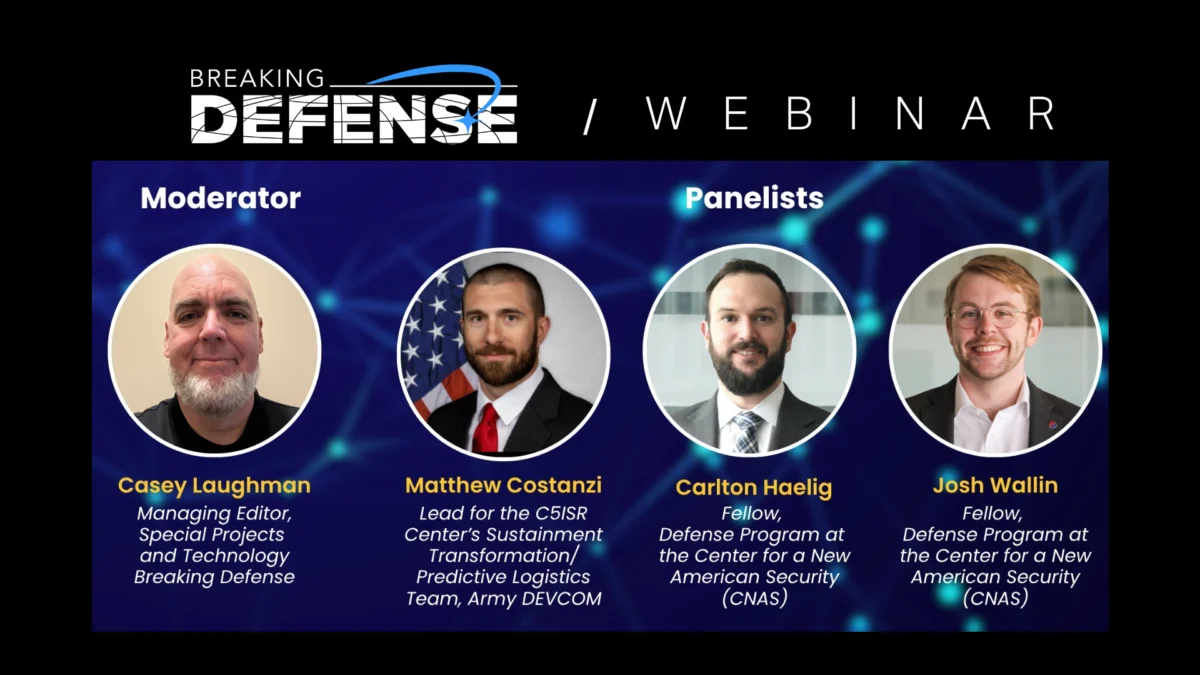
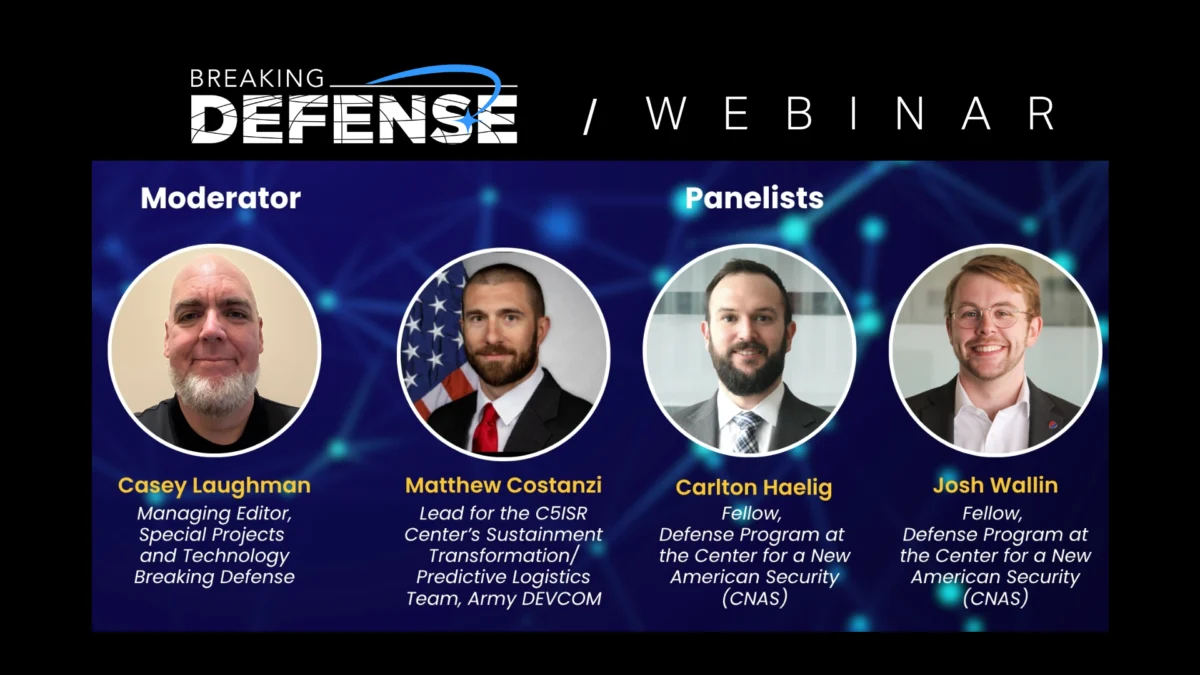
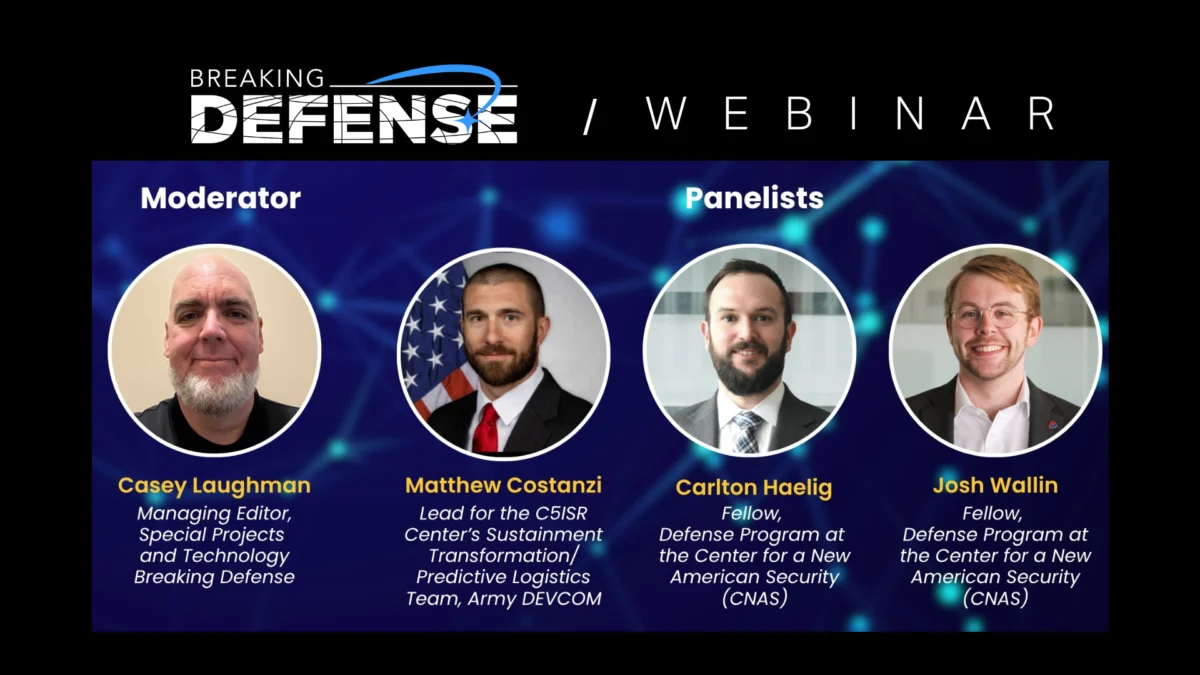
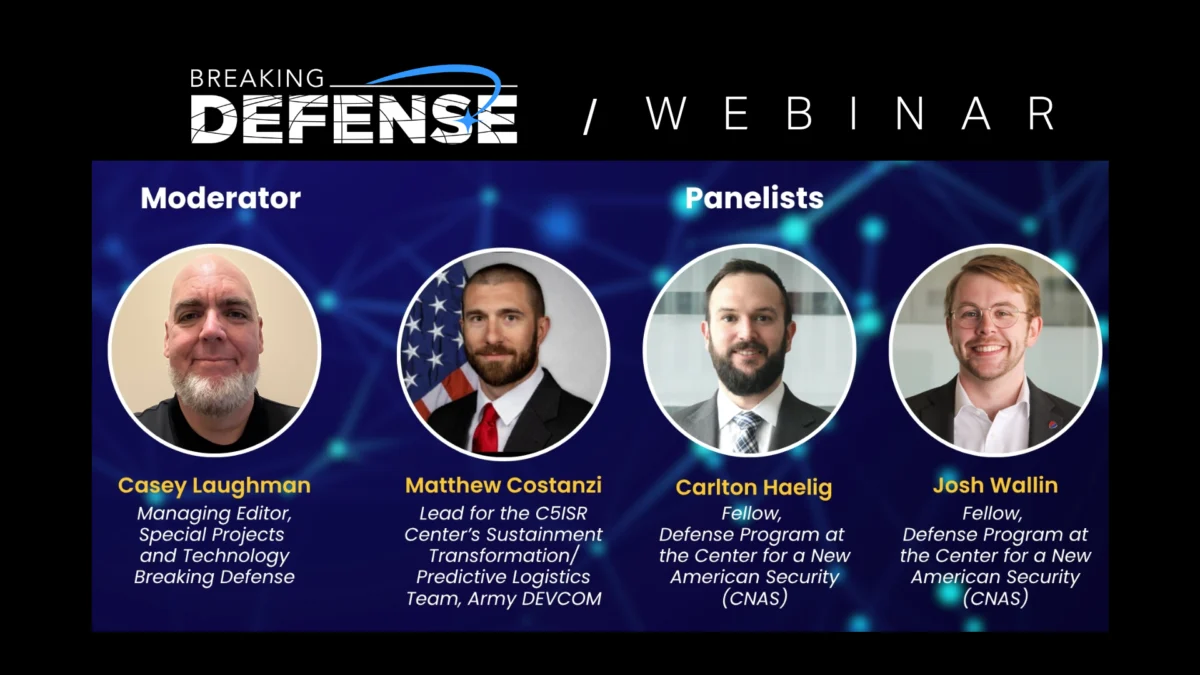
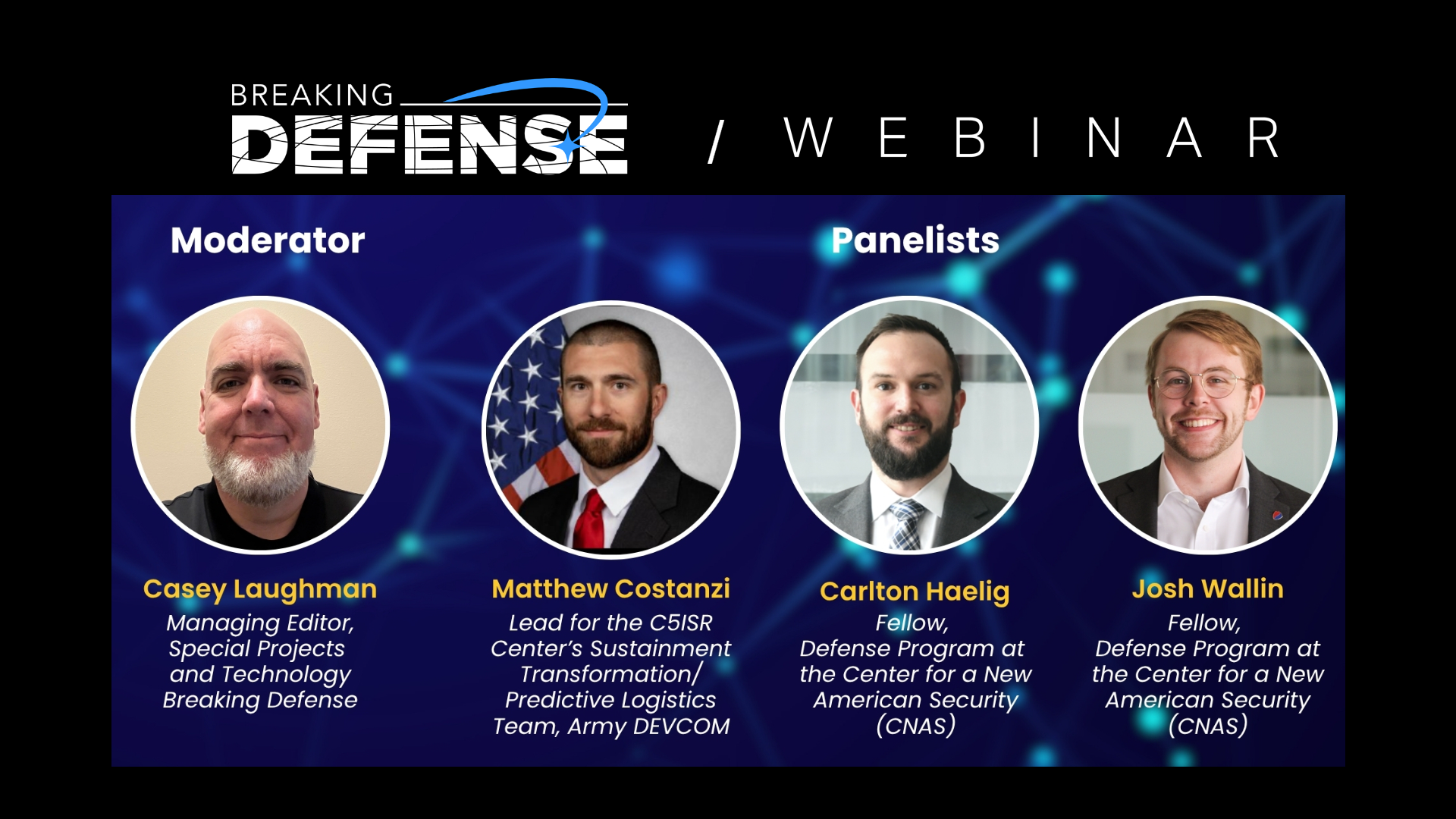
On October 21, 2026, at 2p ET, Breaking Defense will host a high-level webinar, "Building Logistics Networks That Survive Contested Environments," featuring industry expert Mike Zizza, Sales and Growth Leader for Defense and Government at Wind River. This event seeks to address the critical paradigm shift: winning the next fight will depend less on the sheer volume of supplies and more on the survivability of the digital backbone that tracks, manages, and predicts the needs of the frontline.
The Strategic Shift: Logistics as a Data-Centric Domain
Defining the Contested Logistics Challenge
Historically, logistics was treated as a support function—a "tail" that followed the "tooth" of combat units. In contemporary warfare, however, the supply chain is a primary target. Adversaries are employing long-range precision fires, sophisticated cyber-attacks, and electronic warfare to degrade, disrupt, or destroy military networks.
The Pentagon’s current strategy focuses on transforming logistics into an "adaptive, observable, and survivable" ecosystem. This requires a transition from legacy, disconnected paper-based or siloed systems toward a unified, software-defined architecture that can function even when traditional communication links are severed.
The Role of Software-Defined Systems
Software-defined systems are the bedrock of this transformation. By decoupling hardware from software, the military can push updates, patches, and new functional capabilities to logistics platforms—ranging from automated warehouses to autonomous cargo drones—without requiring physical presence. This agility is vital in contested theaters where hardware replacement is impossible, but software-driven optimization can keep assets operational.
Chronology: The Evolution of Military Logistics
To understand the urgency of the upcoming discussion, one must look at the rapid evolution of defense logistics over the last decade:
- 2020–2022: The Wake-Up Call: Supply chain vulnerabilities highlighted by global instability and early insights from the war in Ukraine demonstrated that "Just-in-Time" logistics are fragile. The focus shifted toward "Just-in-Case" resilience.
- 2023–2024: The Digital Integration Phase: The Department of Defense (DoD) began pilot programs for cloud-native logistics, focusing on moving data to the edge and integrating AI into predictive maintenance schedules.
- 2025–2026: The Hardening Effort: Current initiatives prioritize "Contested Logistics." This phase is characterized by the implementation of spectrum-agile connectivity and private tactical 5G networks, designed to operate in high-interference environments where GPS and standard satellite links are likely to be jammed.
Supporting Data: Why Connectivity is the New Frontline
The scale of modern logistics is staggering. A single carrier strike group or a dispersed Marine Littoral Regiment generates terabytes of data daily regarding fuel consumption, ammunition expenditure, and mechanical health.
The Connectivity Gap
Data from current wargaming scenarios suggests that the primary failure point for logistics in a conflict is not a lack of supplies, but a lack of visibility. Commanders who cannot see their inventory are effectively blind. Key statistics driving this shift include:
- Predictive Maintenance Efficacy: Implementing condition-based maintenance (CBM) has been shown to increase equipment uptime by up to 25% in high-tempo exercises.
- Latency Requirements: Tactical edge systems now require sub-millisecond latency to facilitate real-time autonomous movement, a feat only possible through private 5G and edge-based computing architectures.
Tech Perspective: Insights from Wind River
Mike Zizza, representing Wind River, will provide a deep dive into the technical requirements for these next-generation networks. Wind River’s involvement in the defense space focuses on high-reliability, real-time operating systems (RTOS) that serve as the foundation for mission-critical software.
"The future of logistics is not just about moving boxes; it’s about moving intelligence," Zizza notes. "When you operate in a contested environment, you have to assume the network will flicker. Your systems must be autonomous enough to operate in a disconnected state and intelligent enough to re-sync as soon as connectivity is restored."
Key Technical Pillars to be Discussed:
- Edge-Based AI: Shifting processing from the cloud to the device. By running AI locally, a sensor on a fuel truck can determine its own maintenance needs without needing to query a remote server, reducing the data footprint and the likelihood of interception.
- Smart Warehousing: Utilizing robotics and AI-driven inventory management to accelerate the throughput of supplies in theater, reducing the time that personnel and assets spend exposed in vulnerable hubs.
- Spectrum-Agile Connectivity: Moving away from static, easily jammed frequencies. Modern networks must hop frequencies and utilize mesh networking to ensure that even if one node is destroyed, the network "heals" itself.
Implications for Defense and Industry
The implications of these developments extend far beyond the battlefield. They necessitate a fundamental change in how the DoD acquires technology and how the Defense Industrial Base (DIB) produces it.
Shifting Industry Strategy
For defense contractors, the mandate is clear: proprietary, "locked" systems are being phased out in favor of open-architecture, modular designs. Industry partners who fail to build interoperability into their products will find themselves excluded from the Pentagon’s new logistics framework. The opportunity lies in providing "middleware"—the glue that allows legacy systems to talk to cutting-edge AI engines.
The Workforce of the Future
The webinar will also address the human element. Managing these digital logistics networks requires a new breed of warfighter—one who is as comfortable with data analytics and software troubleshooting as they are with traditional supply chain management. This has led to an increased focus on training and the integration of AI-assisted decision-support tools that lower the cognitive burden on logistics officers.
Registration and CPE Information
This Breaking Defense webinar is designed for program managers, logistics officers, defense industry executives, and technology architects. Participants can earn 1 CPE (Continuing Professional Education) credit in the field of Business Management & Organization.
Attendance Requirements:
To ensure the integrity of the CPE process, attendees must be present for the duration of the broadcast and respond to all three polling questions presented during the session.
Agenda Overview:
- Opening Remarks: The state of contested logistics in 2026.
- Technical Deep Dive: Implementing software-defined networks and tactical 5G.
- Panel Discussion: Bridging the gap between defense requirements and industry capabilities.
- Fireside Chat: Future-proofing logistics strategies and identifying emerging market opportunities.
Conclusion: The Path Forward
The challenge of contested logistics is the most significant hurdle facing military planners today. As we look toward the potential conflicts of the late 2020s, it is clear that the military that masters the digital domain will hold the ultimate advantage. By integrating AI, hardening networks with 5G, and embracing a software-defined mindset, the Pentagon aims to turn its logistics network from a vulnerability into a decisive strategic asset.
Register today to join the conversation on October 21, 2026. Don’t miss this opportunity to hear directly from experts who are shaping the infrastructure of the future fight.
Disclaimer: This article is provided for informational purposes as part of the promotion for the upcoming Breaking Defense webinar. The event is open to defense professionals and industry stakeholders. Please ensure your registration is completed at least 24 hours prior to the event to guarantee access.