Introduction: Cultivating Talent in a Digital Age
In the rapidly evolving landscape of the 21st-century economy, the traditional classroom curriculum is increasingly being supplemented by industry-led initiatives designed to bridge the gap between academic theory and professional practice. Recently, in the town of Llanelli, Wales, 48 pupils from St. John Lloyd Catholic Comprehensive School were given a window into their future, participating in an immersive, interactive event hosted by BT.
The "Work Ready" programme represents a strategic pivot in how telecommunications giants engage with local communities. By focusing on 11 to 14-year-olds—a critical formative age for career aspirations—BT is attempting to demystify the "changing world of work," equipping young people with the digital, human-centric, and practical skills necessary to thrive in an era defined by artificial intelligence, automation, and ubiquitous connectivity.
The Innovation Challenge: A Hands-on Approach
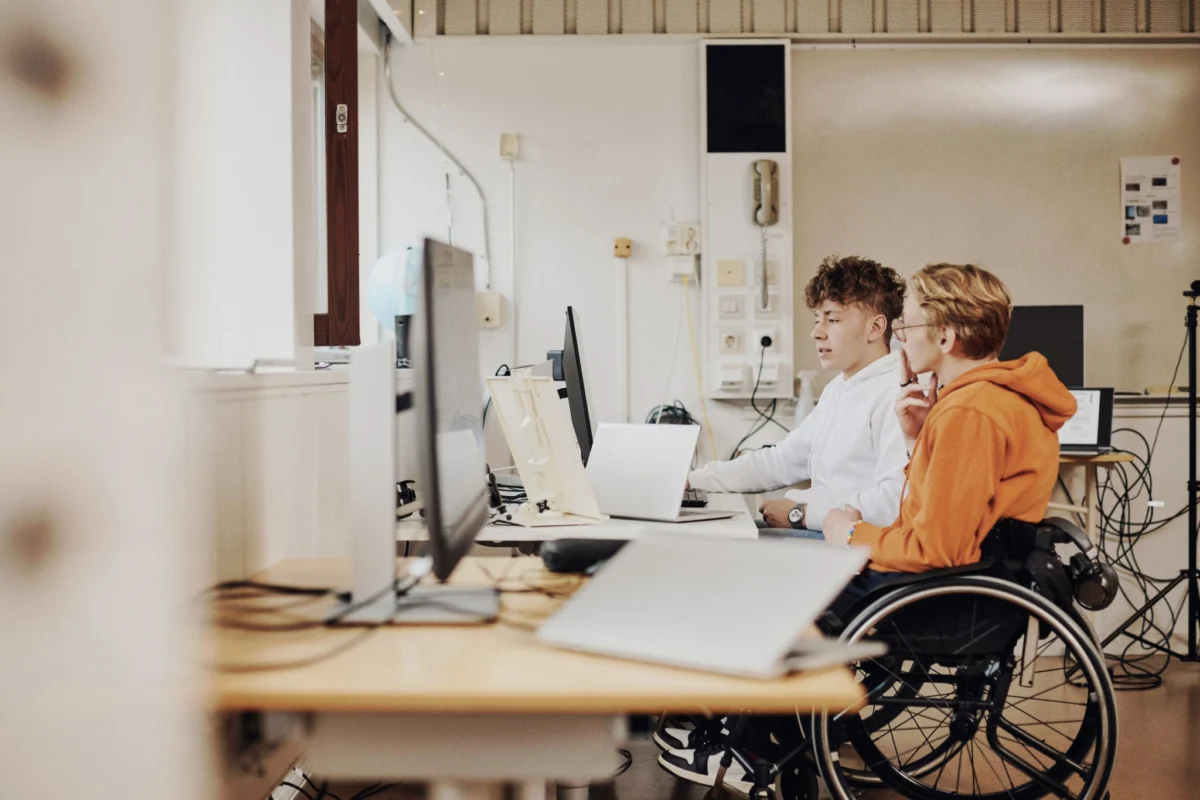
The core of the Llanelli workshop was an intensive, real-world innovation challenge that pushed students to move beyond passive learning. Tasked with a specific mission—designing a product to help their peers study more effectively—the pupils were required to synthesize creativity with technical logic.
Working in collaborative teams, students engaged in rapid ideation sessions, market analysis, and product design. This process was not merely an academic exercise; it was a simulation of the corporate product development lifecycle. The teams were required to iterate on their ideas based on peer feedback before stepping into the spotlight to present their solutions to the wider class. This public speaking component is vital, as it builds the soft skills—confidence, clarity, and articulation—that are often cited by employers as the most difficult attributes to find in recent graduates.
Beyond the design phase, the event was bolstered by the presence of BT employees. These professionals acted as mentors, offering pupils a rare glimpse into the "lived experience" of modern industry. By sharing their personal career trajectories—which often included unexpected turns and non-linear paths—the volunteers dismantled the intimidating barrier between students and the professional world. They discussed the day-to-day realities of their roles, the digital tools they utilize, and the human-centric problem-solving skills that allow them to navigate complex corporate environments.
Chronology and Scope: A Growing Welsh Initiative
The Llanelli event is the latest installment in a wider, coordinated effort across Wales to address the digital divide and the impending skills shortage. Since June 2025, the programme has gained significant momentum, marking a shift in how BT engages with regional educational bodies.
The Numbers Behind the Mission
- Total Reach: Since the inception of the current wave of sessions in June 2025, BT has engaged more than 330 students across Wales.
- Format Diversity: The programme utilizes a hybrid model to maximize impact. To date, 178 students have participated in intensive, face-to-face sessions, while 157 pupils have engaged through virtual, online-based modules.
- Regional Focus: By targeting schools in diverse Welsh communities, BT is ensuring that the benefits of digital connectivity are not restricted to urban centers like Cardiff or Swansea, but are extended to smaller hubs where economic opportunities may be harder to access.
This multi-modal delivery—blending the high-touch, interpersonal benefits of in-person workshops with the scalability of online learning—serves as a blueprint for how private enterprises can effectively support the public education sector.
The Strategic Vision: Official Perspectives
The success of the programme is viewed by educators and corporate leaders alike as a litmus test for future community-business partnerships.
The Educational Perspective
Michael Kent, Assistant Headteacher at St. John Lloyd Catholic Comprehensive School, highlighted the transformative potential of such external interventions. "It was great to see pupils getting involved in the activities, working together, and having the confidence to share their ideas with the class," Kent remarked.
For educators, the value lies in the "reality check" that corporate visitors provide. "Opportunities like this can make a real difference," he added. "Having support from organizations like BT gives our pupils the chance to meet people from the world of work, hear about their experiences, and get a better sense of the different paths open to them. It turns abstract career advice into tangible possibilities."
The Corporate Perspective
For BT, the initiative is a matter of both social responsibility and long-term economic sustainability. Susi Marston, Head of Public Sector Wales at BT Business, emphasized that digital infrastructure is meaningless without a skilled workforce to utilize it.
"Technology has the power to create opportunity across Wales, but only if people have the skills and confidence to make the most of it," Marston explained. "That’s why programmes like Work Ready are so important. By giving pupils practical experience and encouraging them to think creatively, we’re helping them explore future career opportunities and build skills that will support them throughout their lives."
Implications: Building the Digital Infrastructure of the Future
The "Work Ready" programme does not exist in a vacuum; it is a critical component of BT’s broader "Connect for Good" mission. The company has set an ambitious goal to reach 30 million people and businesses by 2030, providing the digital skills and connectivity required to sustain a modern economy.
Connectivity as a Foundation
The human-centric skills taught in Llanelli are intended to run parallel to the physical rollout of infrastructure. BT Group, through its subsidiary Openreach, is currently deep into the deployment of gigabit-capable, full-fibre broadband. The data underscores the scale of this ambition:
- Full Fibre Access: More than eight in 10 Welsh homes now have the capability to access full-fibre broadband.
- Mobile Coverage: EE’s 4G and 5G networks cover 99% and 93% of the Welsh population, respectively.
- Rural Connectivity: Notable projects in areas such as Penmachno and Clocaenog demonstrate a commitment to bridging the "not-spot to hotspot" divide, ensuring that even the most isolated communities have a seat at the digital table.
With a planned UK infrastructure investment exceeding £40 billion between 2020 and 2030, the company is betting on a future where geography is no longer a limiting factor for employment or education.
Conclusion: The Broader Discussion
The initiative at St. John Lloyd Catholic Comprehensive School serves as a microcosm for a national debate: are the UK’s telecommunications providers doing enough to ensure that the next generation is prepared for a technology-driven future?
While the digital divide—the gap between those who have access to technology and those who do not—is often discussed in terms of hardware and bandwidth, the "Work Ready" programme highlights that there is an equally pressing "skills divide." Providing a student with high-speed, full-fibre broadband is only half the battle; the other half is ensuring they have the confidence, creativity, and professional awareness to utilize that connection for career advancement.
As industry stakeholders gather at events like Connected Britain 2027 to debate the future of the nation’s digital landscape, the success of the Llanelli workshop offers a compelling case study. It suggests that the most effective way to secure the UK’s economic future is not just through cables and towers, but through the empowerment of its young people.
The road to a robust, digital-first economy is being paved in classrooms across the country. Through collaborative efforts like the Work Ready programme, the next generation is not just watching the digital revolution—they are being trained to lead it.
Related Developments in the UK Telecoms Sector
- Shared Rural Network: The rollout continues to make strides in national parks, with over 150 new 4G masts going live to support rural tourism and local businesses.
- Digital Inclusion Efforts: Competitors like Vodafone are simultaneously launching initiatives to bridge the UK’s digital divide, signaling a competitive landscape where social responsibility is becoming a key differentiator.
- Sustainability Goals: Virgin Media O2 has reported a significant reduction in its carbon footprint, cutting 5,200 tonnes of CO2, reflecting a growing industry-wide emphasis on "Green Tech" and ESG (Environmental, Social, and Governance) commitments as part of their national infrastructure rollouts.