For decades, humanity has looked to the stars with a mixture of wonder and trepidation. Yet, as we prepare to return to the Moon and eventually set foot on the red dust of Mars, space agencies have realized that the most effective way to train for the void is not necessarily in a vacuum, but under the crushing pressure of our own oceans.
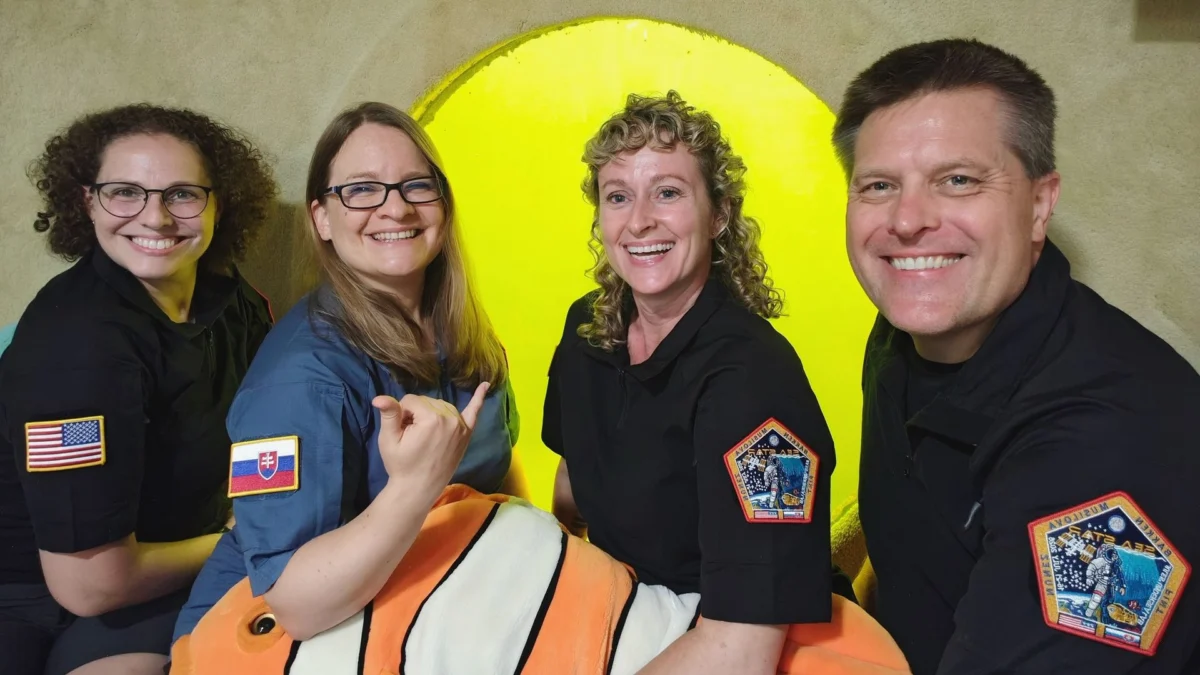
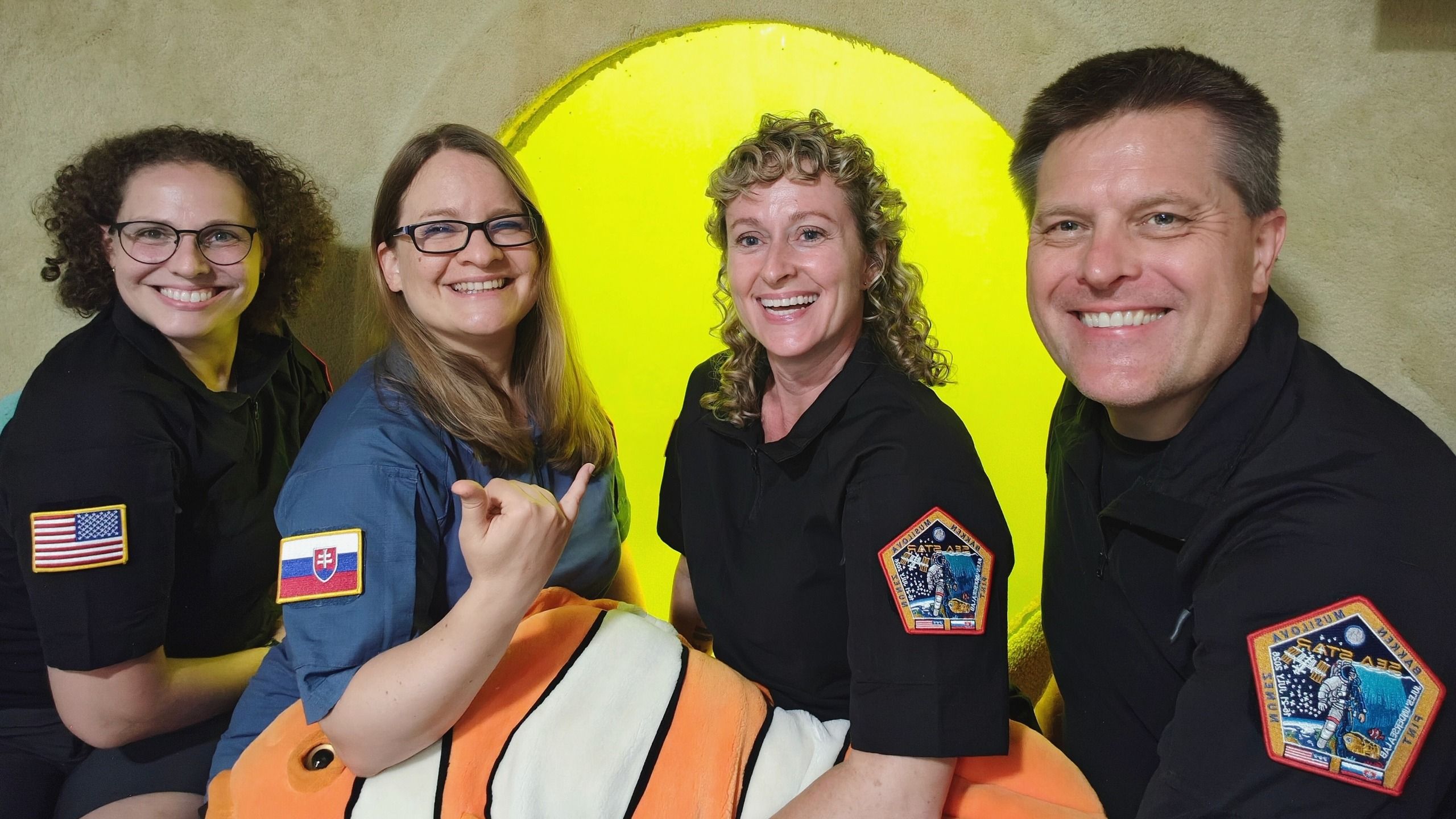
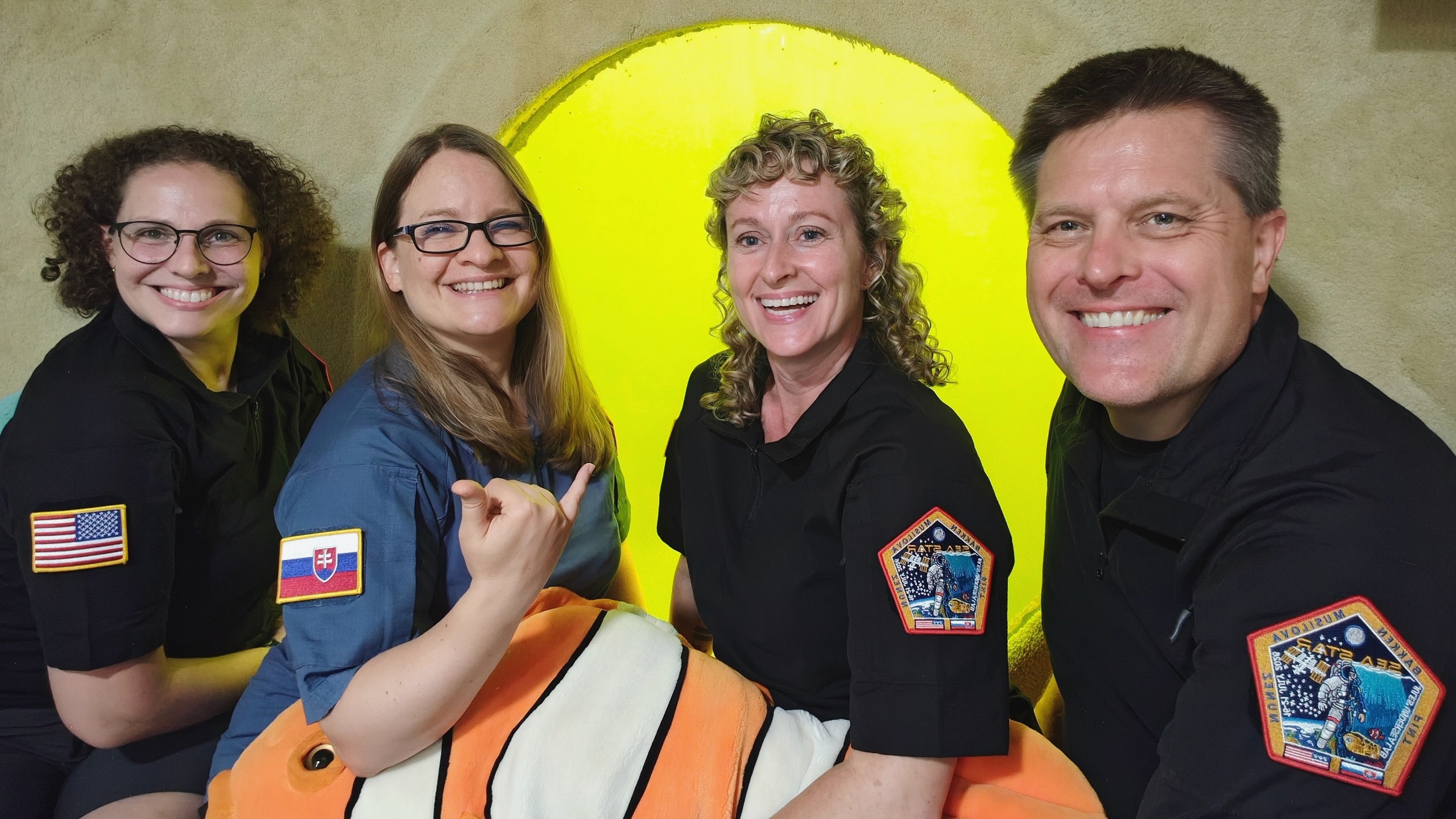
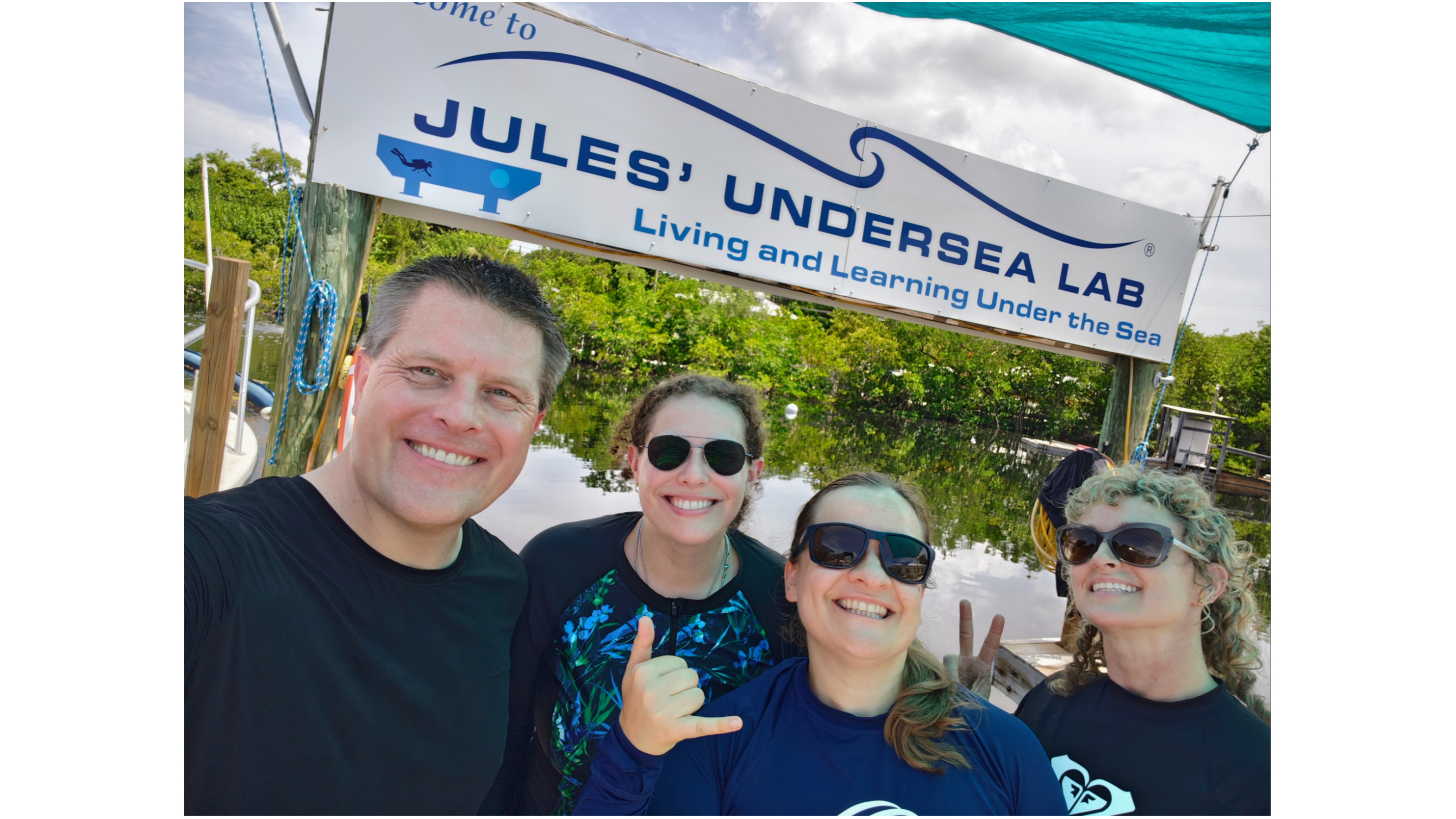
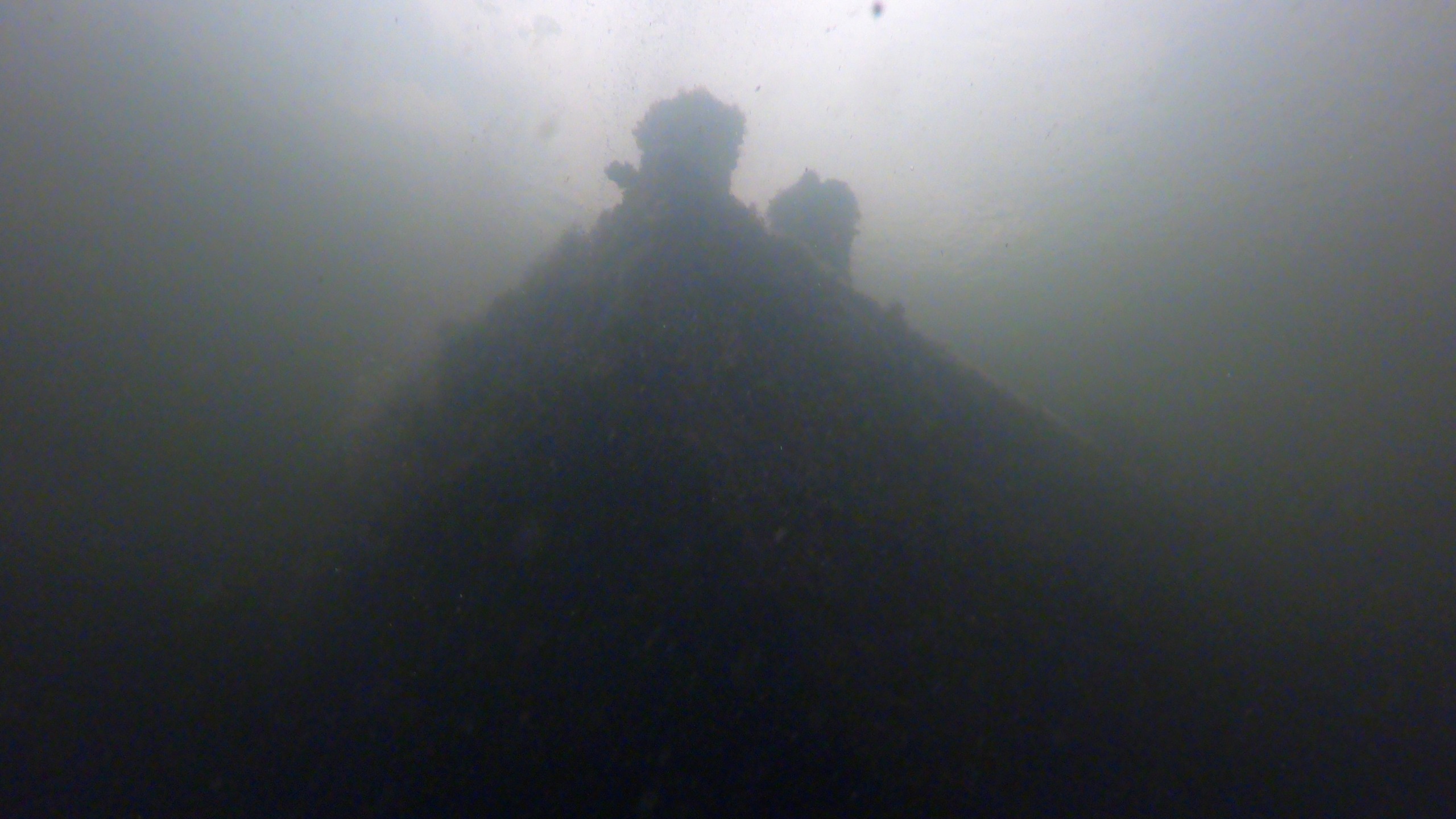
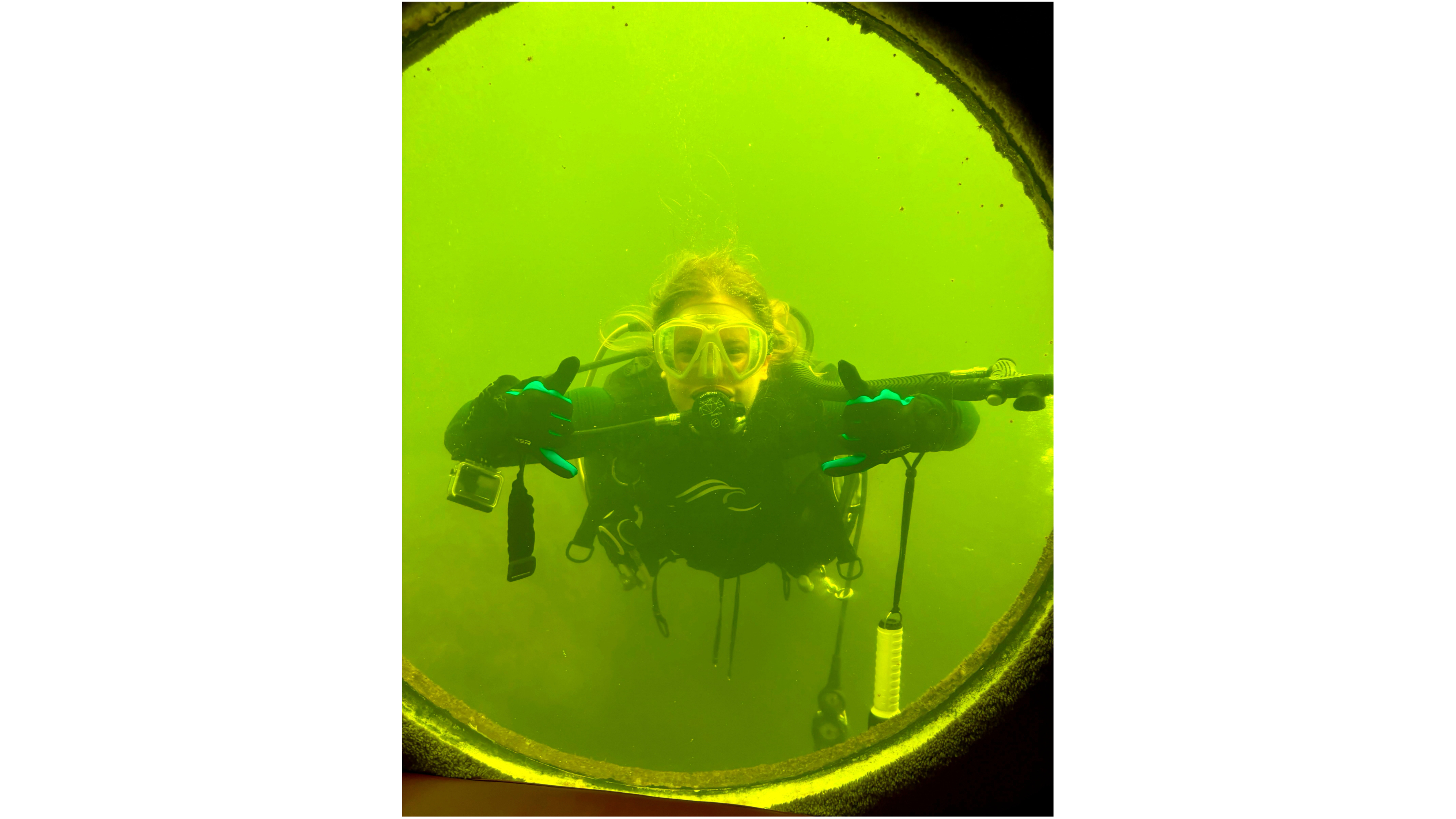
Dr. Michaela Musilova, an award-winning astrobiologist and veteran commander of 40 simulated space missions, recently stepped out of her comfort zone—not into the vacuum of space, but 22 feet (6.7 meters) beneath the Atlantic Ocean near Key Largo, Florida. Leading the SEA STAR mission, Dr. Musilova and her crew spent five days living in the Jules’ Undersea Lab, an immersive environment that pushed the limits of human endurance and provided a blueprint for the future of deep-space habitation.
The Objective: Bridging the Gap Between Sea and Space
The concept of "analog space missions" is a cornerstone of modern astronaut training. By simulating the constraints of the International Space Station (ISS) or future lunar colonies, researchers can study human factors, psychological stressors, and technical protocols in a controlled environment.
While Dr. Musilova has commanded nearly 40 missions on land, the SEA STAR project was a departure into a much higher-stakes arena. "The risks of something going wrong during a simulated spacewalk or even during basic maintenance activities underwater are significantly higher than during standard analog missions on land," Musilova notes.
The primary goal of SEA STAR was to replicate the intensity of the ISS. In this scenario, the "deadly environment" was not the vacuum of space, but the surrounding ocean. To be classified as an aquanaut, the team had to remain in a state of saturation—living and breathing under pressure—for at least 24 hours. This state is critical because it forces the human body to adapt to the surrounding environment, mirroring the physiological adaptations astronauts must undergo in microgravity.
A Chronology of the SEA STAR Mission
The journey to the seafloor was not a spontaneous endeavor. It was the culmination of over a year of rigorous planning, logistical coordination, and fundraising.
- Pre-Mission Phase: The team spent twelve months selecting crew members based on their specialized skills in engineering, medicine, and safety. This phase also involved setting up a land-based Mission Control Center, modeled after the real-world flight control centers that manage operations on the ISS.
- The Descent: Upon reaching the Jules’ Undersea Lab, the crew transitioned into their new reality. The act of diving to the habitat was the final psychological hurdle. As the hatch sealed, the external world was replaced by the constant, rhythmic pressure of the ocean.
- Operational Days: The crew followed a tightly structured schedule. Days were divided between conducting research projects—including microgreens cultivation and cognitive testing—and performing "spacewalks" underwater. These simulated EVAs (Extravehicular Activities) allowed the team to utilize neutral buoyancy to practice maintenance tasks.
- The Saturation Period: The crew remained in saturation for the duration of the five-day mission, ensuring that their systems and scientific data remained consistent with the parameters of deep-sea habitation.
The Crew: A Multidisciplinary Approach
The success of any mission, whether on the Moon or the seabed, hinges on the chemistry and competence of its participants. The SEA STAR team was composed of experts chosen for their ability to thrive under extreme pressure:
- Dr. Michaela Musilova (Commander): Responsible for overall mission integrity, crew health, and the successful execution of experimental protocols.
- Paul Bakken (Executive Officer): The logistical backbone of the mission, responsible for the intricate scheduling and operational flow between the lab and the surface.
- Dr. Brandy Nunez (Health and Safety Officer): Tasked with monitoring the physical and mental well-being of the crew while overseeing critical biological research, including the growth of microgreens—a key area of study for long-term space life support systems.
- Jenn Pint (Mission Specialist): An industrial safety expert who spearheaded a project to develop a new taxonomy for analyzing human-environmental interactions, collaborating with Interstellar Performance Labs to understand how stress affects performance in isolated environments.
Scientific Implications: Why Dive to Simulate Space?
The SEA STAR mission was more than a test of endurance; it was a platform for high-level scientific inquiry. The underwater environment provides a unique laboratory for several reasons:
1. Neutral Buoyancy and EVA Training
The most direct parallel to space is the ability to achieve neutral buoyancy. By manipulating their gear and air intake, the crew could simulate the sensation of weightlessness, allowing them to practice tool handling and maintenance procedures that would be nearly impossible to rehearse effectively on dry land.
2. High-Pressure Physiological Research
Living in a high-atmospheric pressure environment provides researchers with data on how the human body reacts to sustained pressure. This is a critical analog for the pressurized modules of future lunar or Martian bases, where air pressure, gas composition, and recycling efficiency are matters of life and death.
3. Human Factors and Cognitive Load
One of the most significant challenges for astronauts is the "cognitive load"—the mental exhaustion that comes from living in a hazardous, confined space. By testing the crew’s decision-making capabilities and mood under the pressure of a five-day saturation period, the team gathered invaluable data on how isolation affects group dynamics and productivity.
Official Perspectives: The Value of Analog Training
Organizations like NASA and the ESA have long supported the use of analog missions to bridge the gap between theoretical training and real-world execution. The SEA STAR mission aligns with the broader industry movement toward "Commercial Space," where private research initiatives increasingly inform the safety protocols of national space agencies.
The inclusion of Interstellar Performance Labs in the crew’s research underscores the growing importance of "human-in-the-loop" testing. By analyzing how crew members interact with their environment, researchers can design better interfaces for space stations, improve emergency response times, and refine the selection process for future long-duration missions to Mars.
The Psychological Dimension: Conquering the "Abyss"
Despite her extensive background in analog missions, Dr. Musilova admitted to experiencing significant anxiety leading up to the dive. "My brain went through all the terrible scenarios that could occur… from someone’s gear malfunctioning during a spacewalk underwater to storms forcing us to evacuate in the middle of the night."
This vulnerability is a hallmark of the professional explorer. The fear is not an indicator of weakness, but a catalyst for preparation. By acknowledging the risks—the isolation, the physical pressure, and the claustrophobia—the crew was able to implement robust safety protocols that turned potential disasters into manageable operational challenges. The transition from "nervous" to "calm" was only achieved through rigorous training and the cultivation of total trust in the team.
Looking Forward: The Path to Mars
The SEA STAR mission serves as a potent reminder that we are still in the early stages of human expansion into extreme environments. The lessons learned in the Jules’ Undersea Lab—how to grow food, how to maintain complex machinery in hostile conditions, and how to keep a small group of people cohesive in isolation—are directly applicable to the next generation of space exploration.
As Dr. Musilova continues her work, the focus remains on pushing the limits. Whether on the surface of Mars or the floor of the Atlantic, the requirements for success remain the same: rigorous preparation, a multidisciplinary approach, and the courage to step into the unknown. The SEA STAR crew has returned to the surface, but the data they gathered will continue to influence how we approach the next great frontier.
For those interested in the ongoing work of Dr. Musilova and the future of analog missions, her research and mission updates remain a vital resource. As she continues to bridge the gap between terrestrial science and extraterrestrial ambition, the world watches, waiting to see what she will dive into—or reach for—next.