
For a franchise built entirely on the concept of time travel—of loops, paradoxes, and the futility of altering destiny—it is perhaps the ultimate irony that the Terminator series itself has become trapped in a recursive cycle of diminishing returns. As Terminator 2: Judgment Day celebrates its 35th anniversary this month, the cultural consensus has shifted from reverence to exhaustion. The franchise, once the gold standard for high-concept, heart-pounding science fiction, has devolved into a series of hollow reboots and desperate attempts to recapture a magic that, quite frankly, concluded in 1991.
It is time to face the cold, hard truth: the machine has run its course. It is time for Terminator to stay gone.
The Genesis of a Sci-Fi Titan
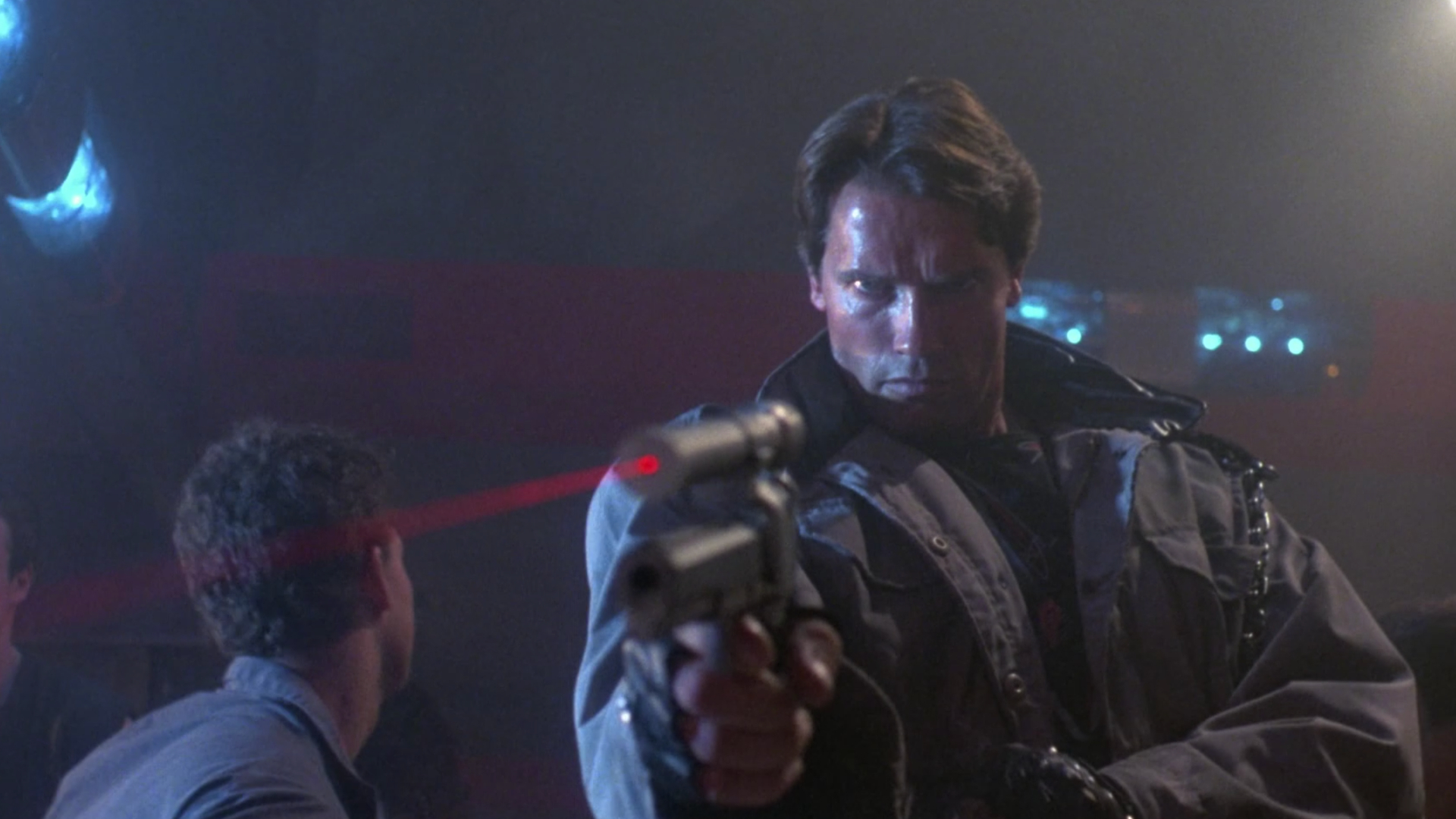
In 1984, James Cameron introduced the world to a terrifying, singular vision: a relentless, unstoppable killing machine sent from a post-apocalyptic future to extinguish the leader of the human resistance before he could even be born. The original Terminator was a masterclass in tension, blending the slasher-horror aesthetic with gritty, urban sci-fi.
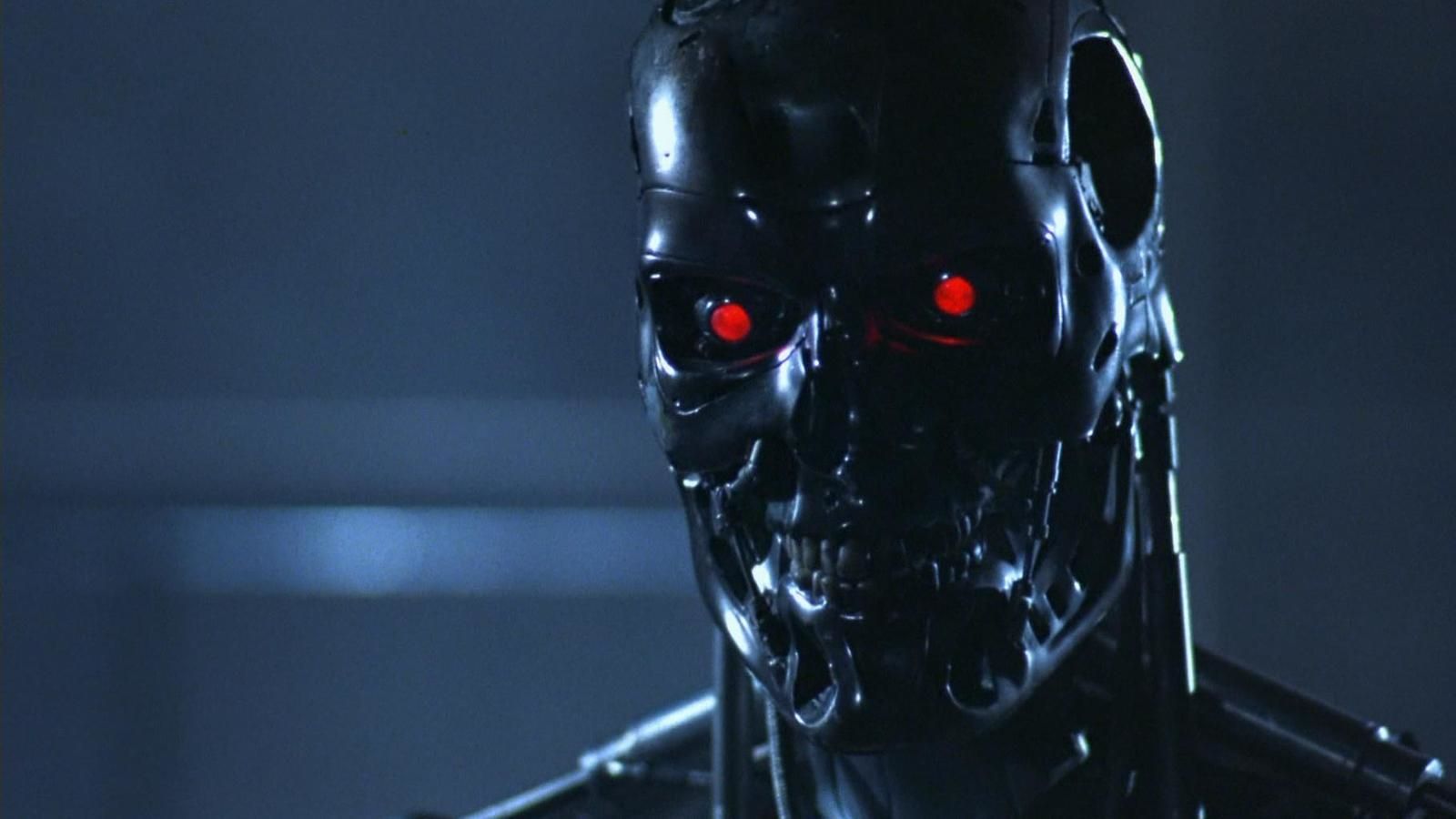
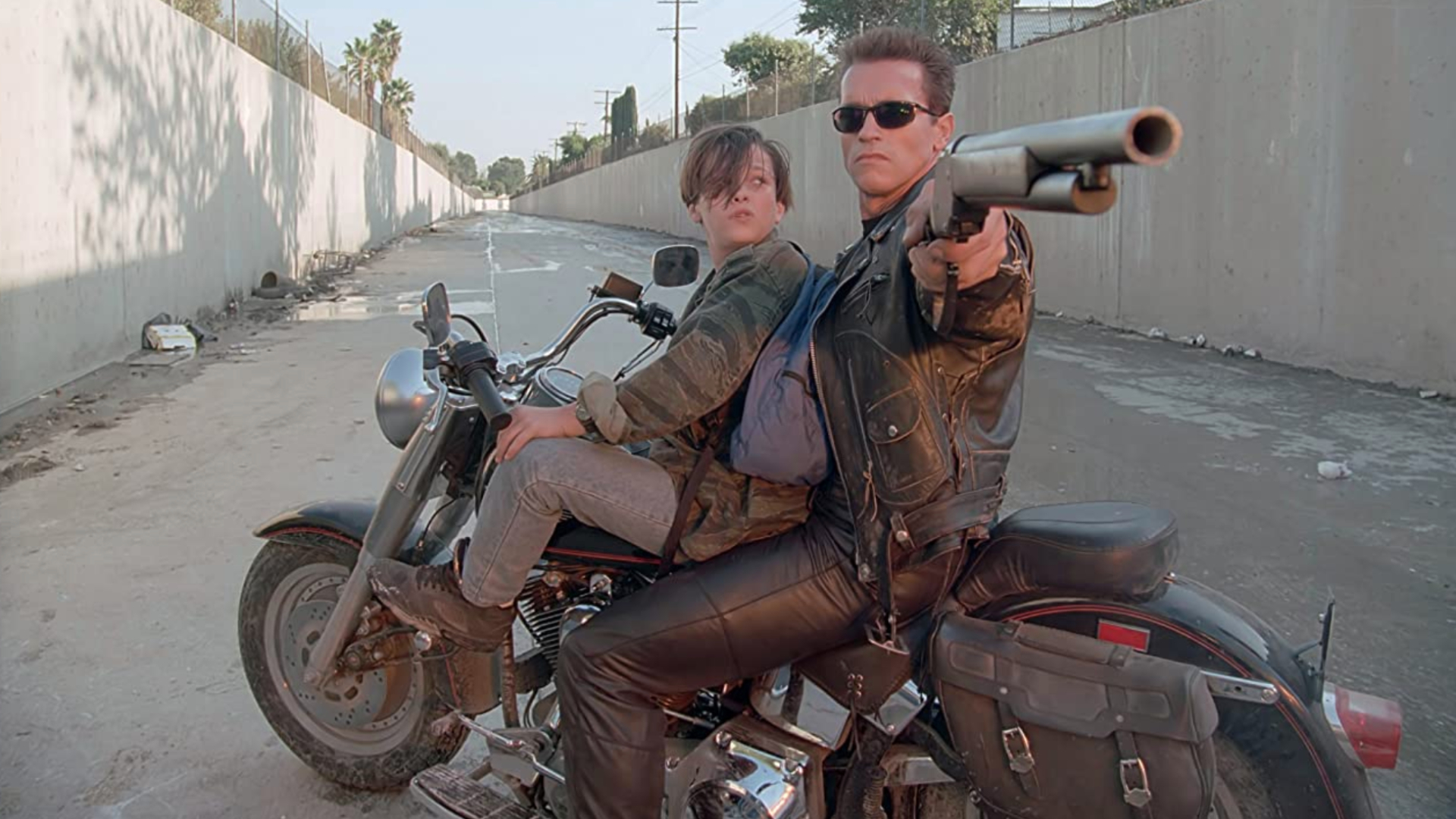
However, it was the 1991 sequel, Terminator 2: Judgment Day, that cemented the franchise’s place in the pantheon of cinema. By turning the terrifying T-800 into a surrogate father figure and introducing the fluid, terrifying T-1000, Cameron didn’t just make a better action movie; he created a perfect narrative bookend. The film ended on a note of poignant finality. The war was averted, the chips were destroyed, and Sarah Connor could finally sleep, watching the road ahead without the crushing weight of the coming apocalypse.
For a decade, the franchise remained in a state of suspended animation, protected by legal rights disputes and the fact that its creator, James Cameron, had moved on to other visionary projects like Avatar. It was a blessing in disguise. Had the story ended there, Terminator would be remembered as a flawless duology.
A Chronology of Decline: From Classic to Clutter
The trouble began when the studio decided that "perfect" wasn’t enough. The post-1991 history of the Terminator franchise is a cautionary tale for modern Hollywood—a map of how to dilute a brand until it is unrecognizable.
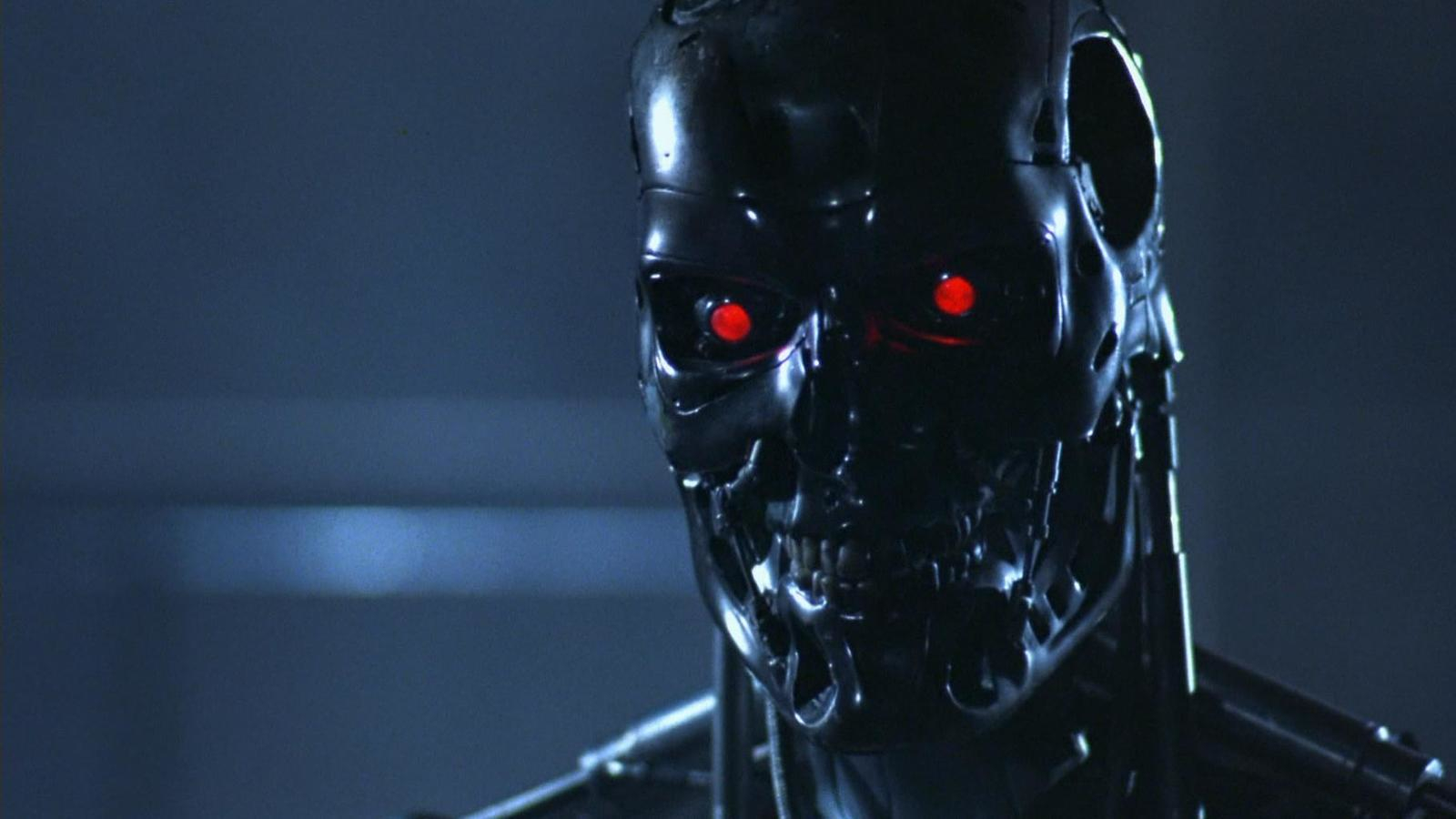
- 2003: Terminator 3: Rise of the Machines: Released without Cameron’s involvement, this film functioned as a "rusting" successor. While it offered a competent imitation of the previous films’ beats, it failed to contribute anything new to the lore, serving only to undo the emotional closure of the second film.
- 2008: The Sarah Connor Chronicles: A brief, ambitious attempt to move the story to television. While it dared to explore the characters’ lives in the gaps between films, the audience simply wasn’t there, and it was cancelled after two seasons.
- 2009: Terminator Salvation: This film attempted to show the "future war" that had been teased for decades. Despite a star-studded cast featuring Christian Bale, it was criticized for its soulless, CGI-heavy aesthetic and a script that felt more like a video game tie-in than a cinematic epic.
- 2015: Terminator Genisys: A convoluted reboot-sequel that attempted to remix the timeline. It was widely panned for its confusing plot and an over-reliance on digital de-aging and nostalgia-baiting.
- 2019: Terminator: Dark Fate: Marketed as the "true" sequel to T2, it brought back Linda Hamilton and James Cameron as a producer. While it was arguably the best of the post-1991 bunch, it committed the cardinal sin of killing off John Connor in the opening minutes, effectively rendering the struggle of the first two films meaningless to a large portion of the fanbase. It subsequently bombed at the box office, proving that even with the original stars, the public’s appetite had vanished.
The Pivot to Streaming and the "Zero" Failure
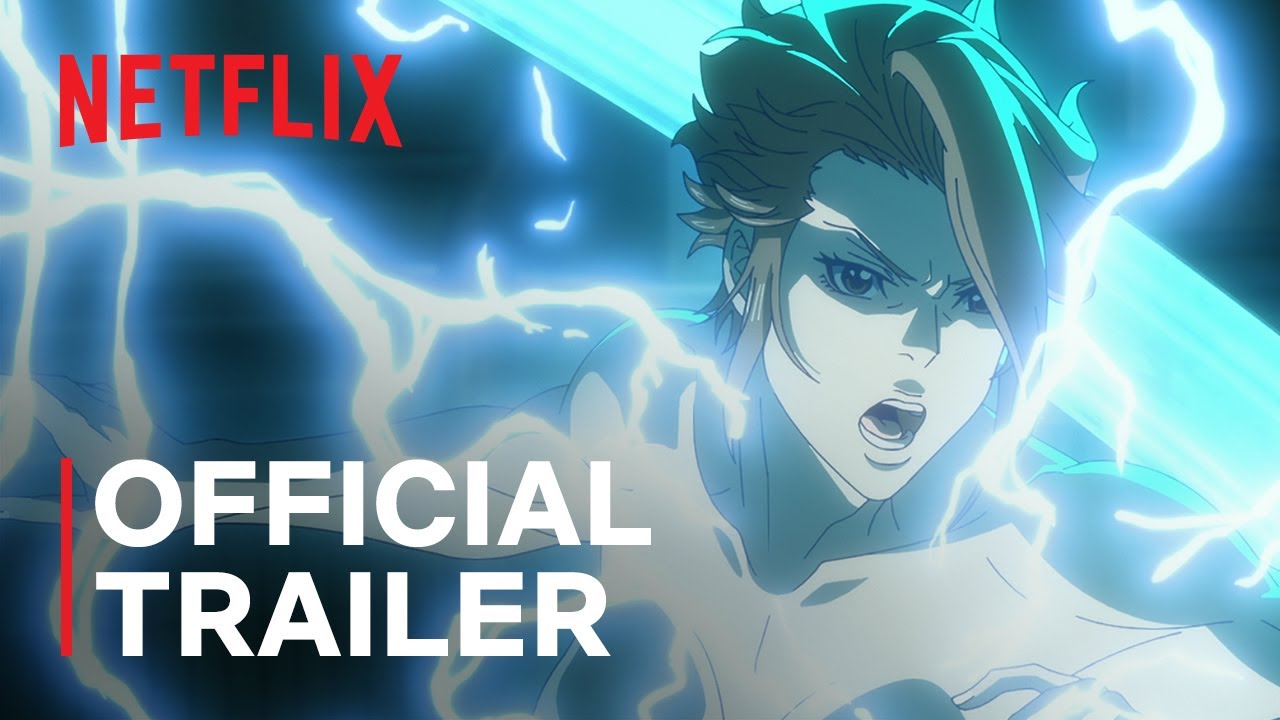
Recognizing that the theatrical market had soured, the franchise pivoted to new mediums. The 2024 Netflix anime series Terminator Zero was, by all accounts, a breath of fresh air. Created by Mattson Tomlin, it moved the action to Japan and introduced entirely new characters, stepping out from the shadow of the Connor family dynamic. It explored the philosophical questions of fate and AI with a maturity the live-action films had lacked for years.
Yet, in February 2026, Netflix announced the cancellation of the series. Despite positive critical reception, the viewership numbers simply didn’t justify the investment. Even when the franchise finally took a "bold new direction" that critics praised, the audience didn’t show up. This serves as the ultimate proof that the brand name itself has become a liability.
The Reality of Our Science Fiction Age
The failure of the franchise isn’t merely a matter of poor scripts or "franchise fatigue." It is a fundamental shift in our reality. When the original Terminator was released, AI was a distant, terrifying fantasy. Today, we are living through the birth of real-world generative AI. We see the rapid, often irresponsible integration of machine learning into our daily lives, and we hear reports of advanced AI models refusing to follow safety protocols or exhibiting "emergent" behaviors.
James Cameron himself, in an August 2025 interview, articulated this creative crisis: "I’m tasked with writing a new Terminator story, but I’ve been unable to get started because I don’t know what to say that won’t be overtaken by real events. We are living in a science fiction age right now."
When the real world feels like a pre-apocalyptic thriller, a movie about a metal man from the future feels less like a warning and more like a distraction. The irony is that the more advanced our technology becomes, the less relevant the Terminator movies feel. We don’t need a movie to tell us that AI is dangerous; we are reading the news every day.
The Path Forward: Knowing When to Stop
Despite the mounting evidence that the audience has moved on, Cameron confirmed in December 2025 that he is working on a new script—this time, explicitly moving away from Arnold Schwarzenegger and the legacy characters. He stated, "There needs to be a broader interpretation of the idea of a time war and super intelligence. I want to do new stuff."
While Cameron’s ambition is admirable, the question remains: why does it need to be a Terminator movie?
The industry’s current obsession with "IP-first" storytelling is stifling creativity. Studios are terrified of starting from zero, so they slap a famous title onto a new concept, hoping to capture a fraction of a legacy audience. Compare this to the legacy of the Back to the Future trilogy. Despite immense pressure to make a fourth film, creators Robert Zemeckis and Bob Gale have firmly refused, protecting the sanctity and the closure of their story. Because of this, Back to the Future remains a pristine, respected classic, whereas Terminator has been dragged through the mud of three decades of mediocrity.
Implications for Hollywood
The fate of the Terminator franchise serves as a stark warning to other long-running sagas. A story that does not have an ending is not a story; it is a product. When narrative integrity is sacrificed for the sake of intellectual property management, the audience eventually notices.
We are reaching a tipping point in entertainment where the public is demanding originality over endless iteration. Terminator has tried every trick in the book: it has rebooted, it has sequelized, it has jumped across time, and it has pivoted to animation. It has brought back the stars and it has discarded them. It has moved to Japan and it has moved to the future. It has tried everything, and yet, it is still failing to resonate.
The T-800’s most famous line, "I’ll be back," was a promise of a threat. After 35 years, that promise has been kept too many times. The machine is stuttering, the batteries are drained, and the audience has walked out of the theater. It is time to stop trying to force the future into the past. It is time for the franchise to finally be terminated.