By Space.com Staff
The quest to finalize the most powerful launch vehicle in human history hit a momentary snag on July 16, 2026. SpaceX’s highly anticipated 13th test flight of its Starship megarocket—a mission intended to demonstrate both hardware maturity and the deployment of next-generation satellite technology—was scrubbed just moments before liftoff.
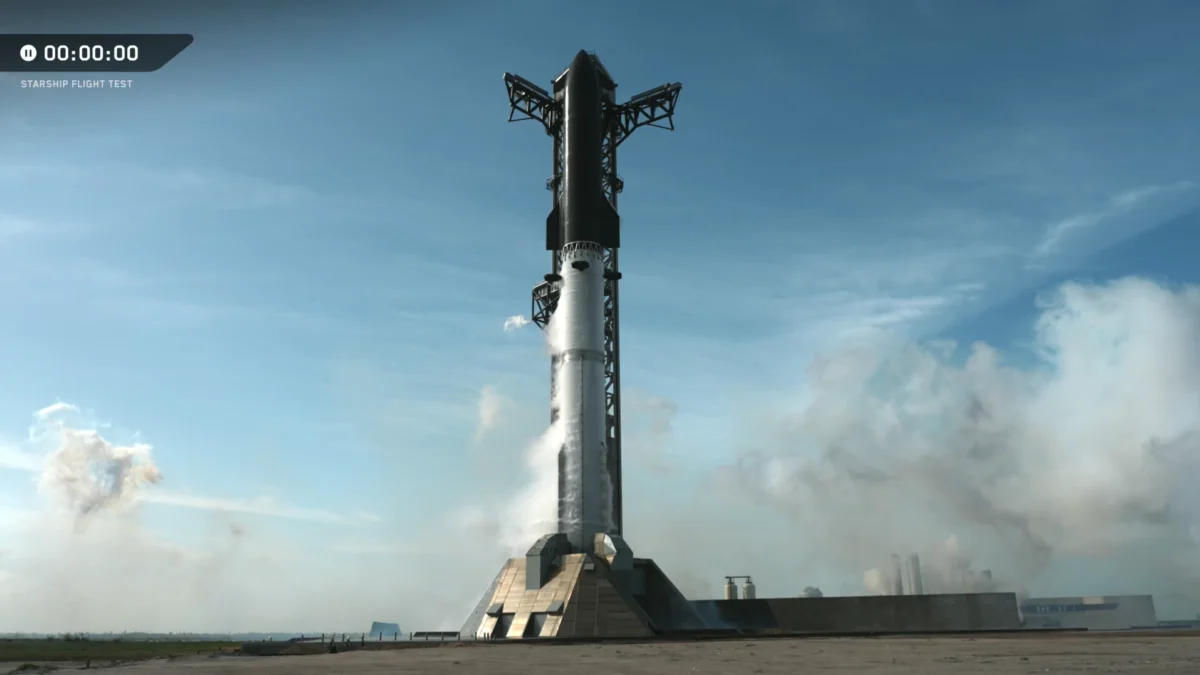
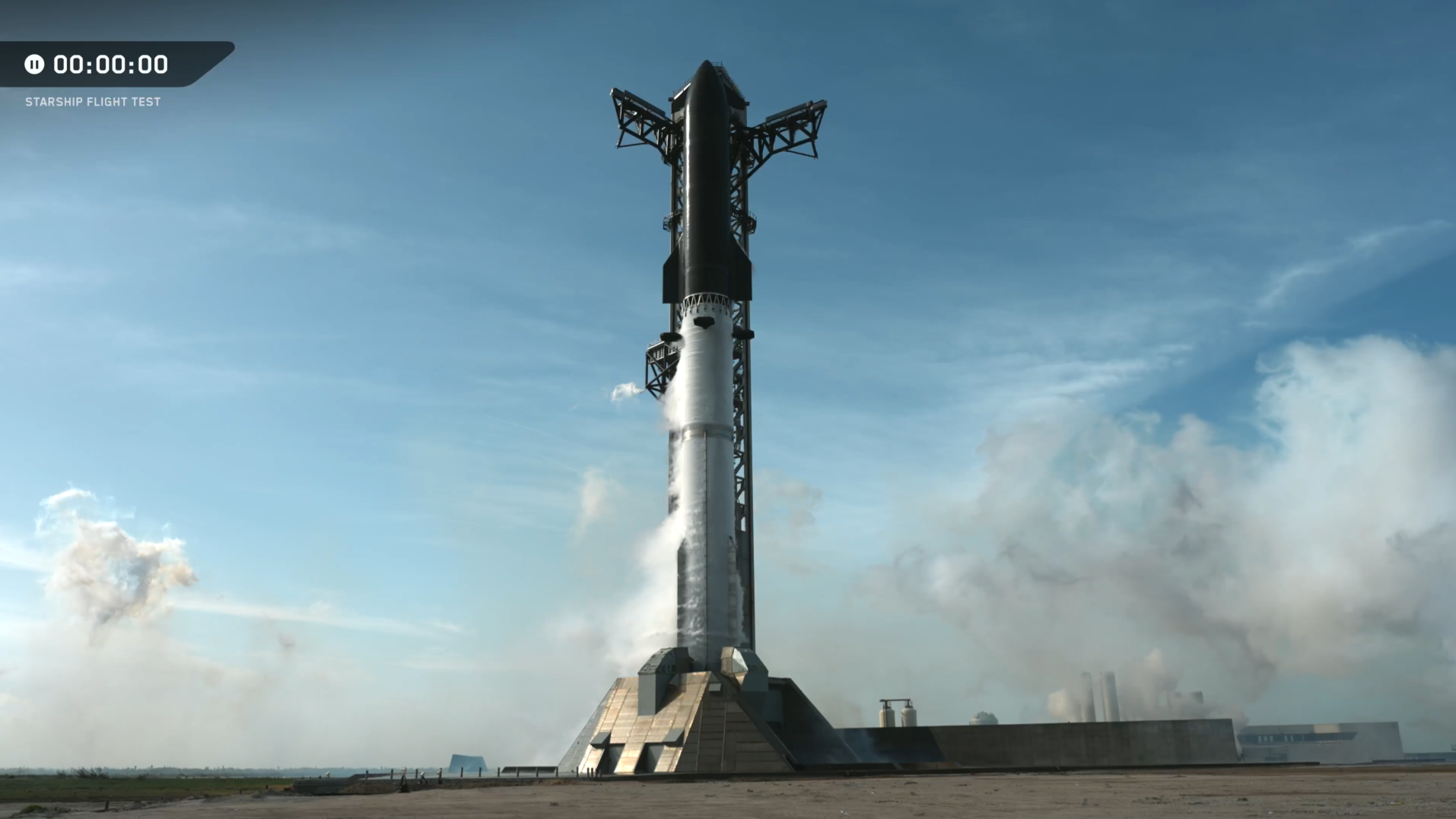
As the massive Super Heavy booster prepared to ignite its 33 Raptor engines at the company’s Starbase facility in South Texas, an automated abort sequence triggered, freezing the countdown at 6:45 p.m. EDT. While the abort was a setback for the team on-site, SpaceX founder and CEO Elon Musk was quick to clarify the path forward, indicating that the delay would be brief as the company works to ensure the integrity of the vehicle’s propulsion system.
The Anatomy of the Abort
The launch attempt was scheduled to occur at the start of a 90-minute window, with the towering Starship vehicle poised to ascend into the South Texas skies. However, as the automated flight computer initiated the final seconds of the sequence, an anomaly was detected during the engine startup phase.
In modern rocketry, automated aborts are not necessarily failures of the vehicle, but rather evidence that the safety protocols—designed to protect the multi-billion-dollar infrastructure—are functioning exactly as intended. SpaceX’s Dan Huot, speaking during the company’s live webcast, emphasized the methodical nature of the operation. "We’ll take some time, dig into what triggered that abort once the booster was igniting to launch, and then we’ll figure out what our path forward is going to be," Huot stated.
Within hours of the scrub, the company identified the specific hardware concerns. According to a post by Elon Musk on X, the decision was made to replace two of the 33 Raptor engines on the Super Heavy booster. This rapid turnaround underscores the "test-fly-learn" philosophy that has defined the Starship program since its inception, allowing SpaceX to pivot from a scrubbed mission to a hardware swap within a single business day.
A Chronology of the Starship V3 Evolution
To understand the significance of Flight 13, one must look at the trajectory of the Starship Version 3 (V3) program. Starship is not merely a rocket; it is a fundamental shift in space logistics, designed to replace the company’s entire fleet of Falcon vehicles with a fully reusable, heavy-lift system.
- May 22, 2026 (Flight 12): The inaugural flight of the V3 variant. While the mission was largely successful, it highlighted critical areas for improvement. The Super Heavy booster failed to execute its precision return to the Gulf of Mexico, and the upper "Ship" stage struggled with a Raptor engine relight in orbit.
- July 16, 2026 (Flight 13 Attempt): The current campaign aimed at refining the recovery of the booster and the operational deployment of payloads.
- Late July 2026 (Projected): With the engine replacements underway, SpaceX is targeting an early-next-week launch window to resume its flight test campaign.
The V3 variant is engineered specifically to achieve the high-cadence, operational status required for massive deployment missions. By refining the thermal protection systems and the engine performance of the V3, SpaceX is inching closer to the "Holy Grail" of aerospace: a vehicle that can be turned around for a new flight with minimal maintenance.
Supporting Data: The Mission Objectives
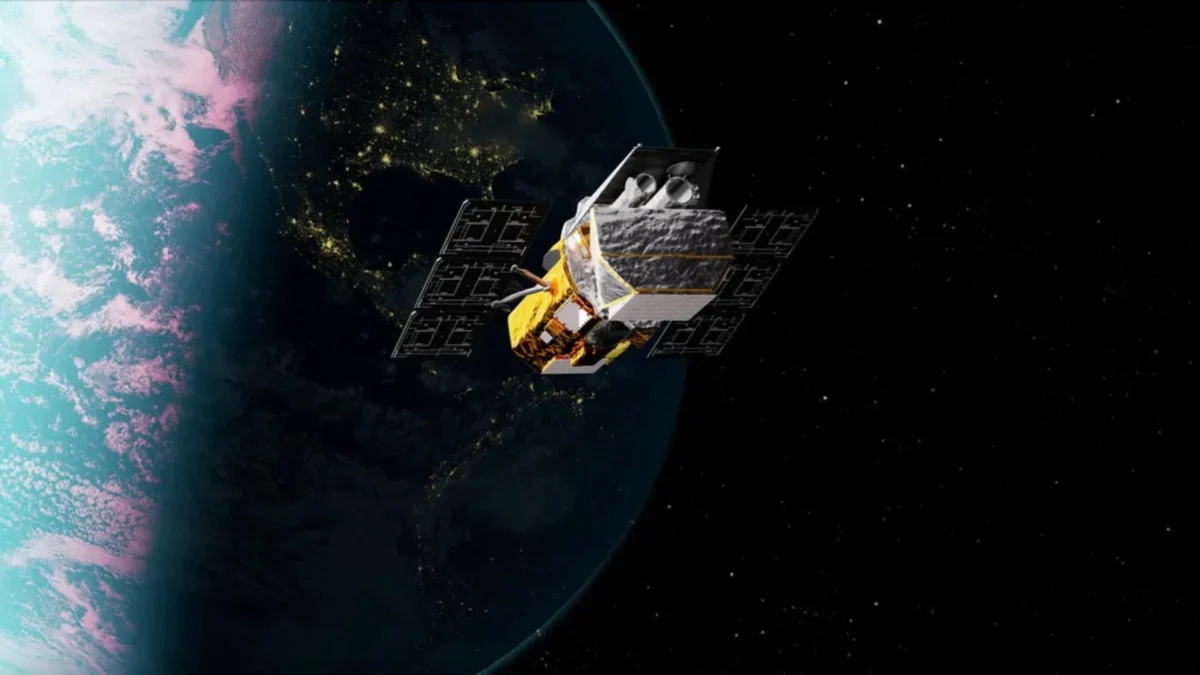
Flight 13 is distinct from its predecessors primarily due to its payload. While early test flights were focused on structural integrity and orbital mechanics, Flight 13 marks the first time Starship will act as a launch platform for the company’s own infrastructure: the Starlink V3 constellation.
Payload Specifications:
- Satellite Count: 20 next-generation Starlink V3 satellites.
- The "Mega-Constellation" Goal: SpaceX intends to deploy a fleet of 100,000 Starlink satellites into low Earth orbit (LEO). Flight 13 serves as the critical proof-of-concept for this massive deployment strategy.
- Experimental Imaging: Six of the 20 satellites will feature high-definition cameras mounted to their chassis. These are tasked with monitoring the Ship’s heat shield during the intense re-entry phase, providing real-time data on how the tiles handle the friction of atmospheric return.
It is important to note that these satellites are not intended for long-term service. They will be deployed during the suborbital trajectory and will be commanded to re-enter the atmosphere approximately 20 minutes after deployment, burning up upon descent. This allows SpaceX to test the deployment mechanisms in a live, high-vibration environment without cluttering orbit with non-functional hardware.
Official Responses and Strategic Implications
The public response from SpaceX leadership has been one of measured confidence. The decision to swap out two Raptor engines—complex, high-pressure machines—is a testament to the rigorous quality control standards now being applied to the V3 line.
From an industry perspective, the implication of these tests cannot be overstated. The global telecommunications market is watching the Starlink V3 deployment closely. If SpaceX can prove that Starship can deliver 20 or more satellites at a fraction of the cost of the Falcon 9, the economics of space-based internet will shift dramatically.
Furthermore, the "hot-swapping" of engines demonstrates the modularity of the Super Heavy booster. Rather than scrapping a vehicle due to an engine issue, SpaceX’s ground crews can replace components on the pad, effectively treating the rocket like an aircraft rather than a disposable missile. This is the core requirement for the company’s long-term vision of colonizing Mars and establishing a permanent presence on the Moon.
Looking Ahead: The Path to Flight 13
As the teams at Starbase work through the engine replacement, the broader space community is holding its breath. The next launch attempt, anticipated early next week, will be a high-stakes moment for the program.
The primary goals remain the same:
- Controlled Booster Splashdown: Achieving a successful, pinpoint landing of the Super Heavy in the Gulf of Mexico.
- Ship Re-entry: Ensuring the Ship survives the plasma environment of re-entry with its updated heat shield.
- Payload Deployment: Demonstrating that the Starship can safely deploy a large batch of satellites while maintaining its own flight stability.
The delay of July 16 is a minor footnote in the grand scale of the Starship program, yet it serves as a reminder of the immense technical complexity inherent in launching the largest rocket ever built. Every second that the countdown is held is a lesson learned in data, telemetry, and engineering—lessons that will ultimately pave the way for humanity’s return to the Moon and its first steps on the Red Planet.
For now, the Starship stands tall at the launch pad in South Texas, waiting for the go-ahead. With the Raptor engines swapped and the systems re-verified, SpaceX is once again poised to push the boundaries of what is possible in low Earth orbit. As Musk’s brief update confirmed, the mission is not cancelled—it is simply being refined to ensure the success that the company has come to expect from its flight campaigns.
Michael Wall is the Spaceflight and Tech Editor for Space.com. With a Ph.D. in evolutionary biology and a career dedicated to reporting on the frontier of human exploration, he continues to track the rapid developments at SpaceX’s Starbase.