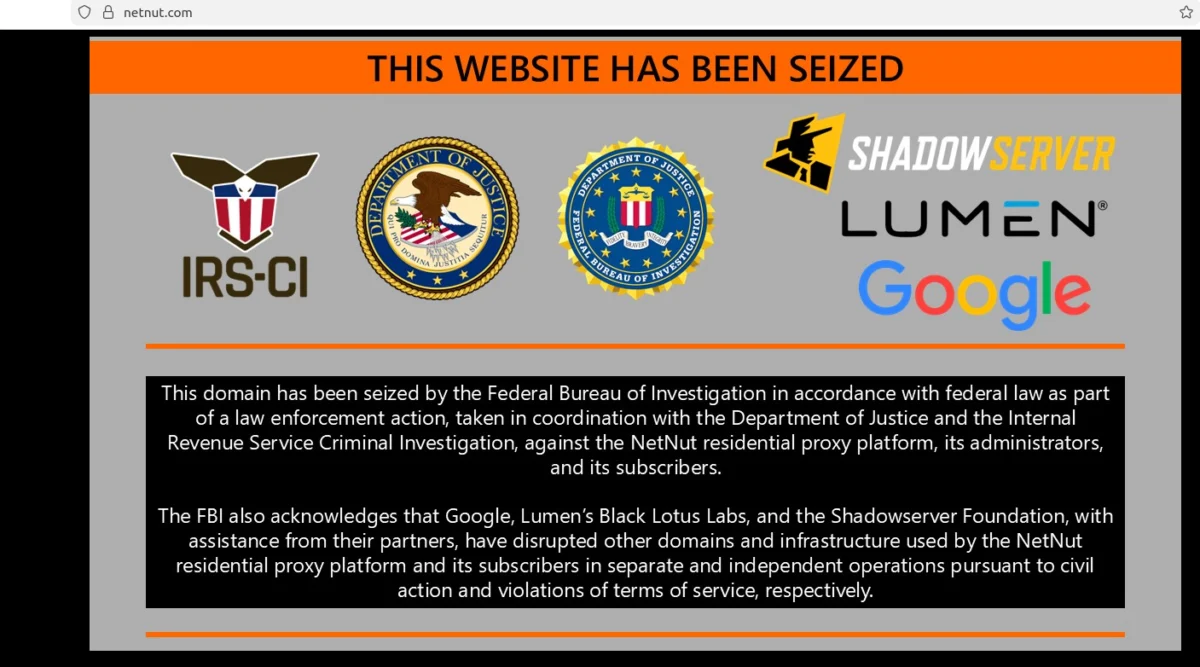
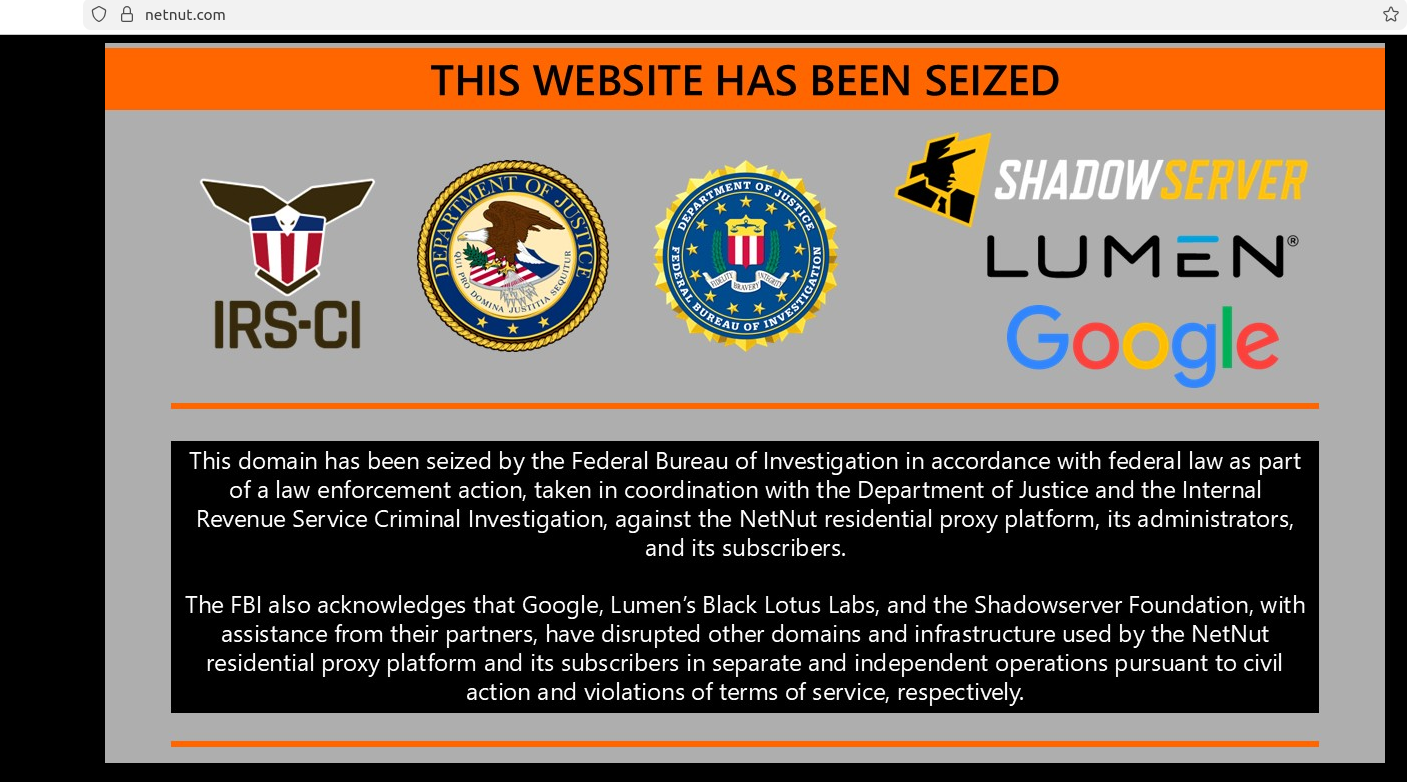
In a sweeping operation aimed at the backbone of global cybercrime, the Federal Bureau of Investigation (FBI), supported by the Internal Revenue Service (IRS) Criminal Investigation division and a coalition of industry titans, has seized hundreds of domains associated with NetNut, a sprawling residential proxy service operated by the publicly traded Israeli company Alarum Technologies (NASDAQ: ALAR).
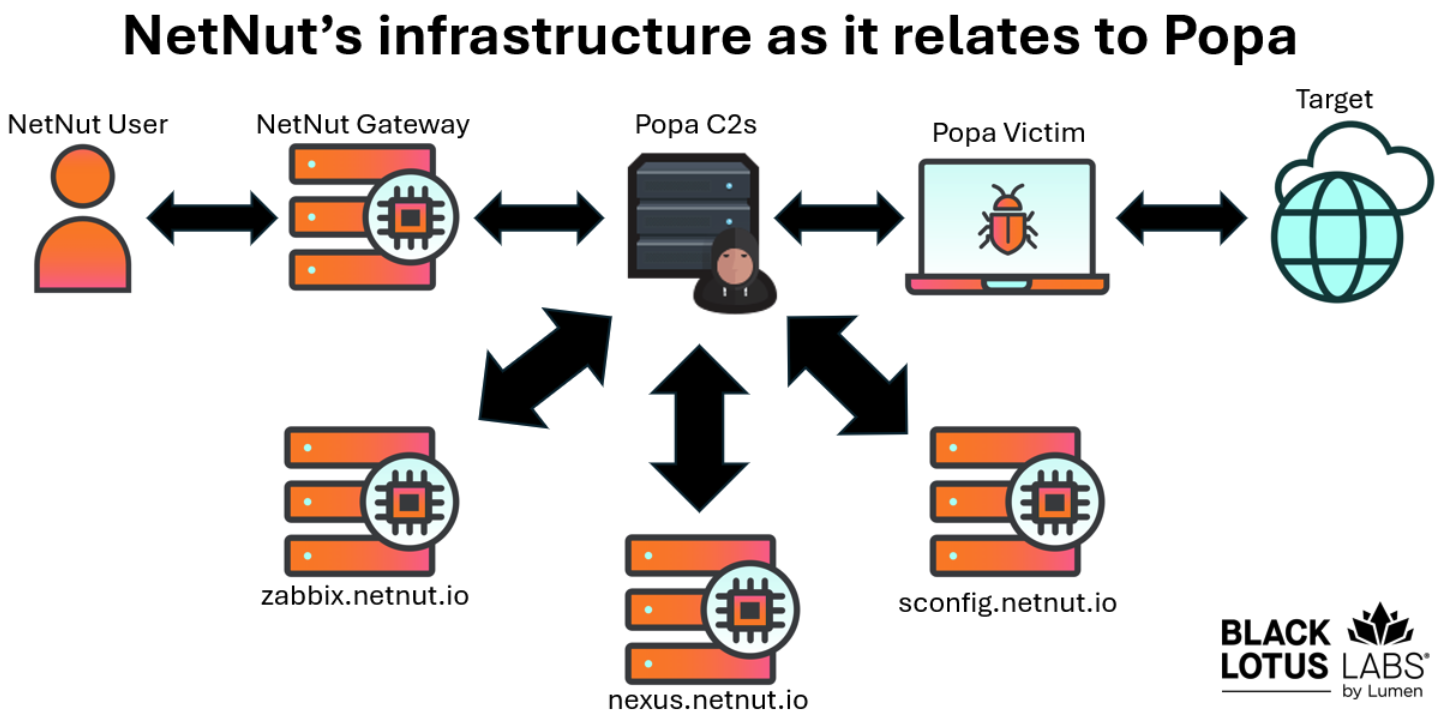
The enforcement action, which resulted in the immediate replacement of the NetNut homepage with an official U.S. government seizure notice, marks a pivotal moment in the ongoing battle against the weaponization of consumer internet-of-things (IoT) devices. According to federal authorities, NetNut served as a central conduit for the Popa botnet, a massive, illicit network consisting of at least two million compromised devices—ranging from smart TVs to streaming boxes—that had been converted into "always-on" proxy nodes without the knowledge or consent of their owners.
A Chronology of Discovery and Disruption
The downfall of NetNut was not an overnight occurrence but the culmination of months of investigative pressure from cybersecurity researchers and global tech platforms.
- Mid-2025 – Early 2026: Security researchers began identifying a troubling pattern of "proxy-enabled" malware infecting budget-tier Android streaming boxes. These devices were found to be pre-installed with software development kits (SDKs) that transformed the hardware into residential proxies.
- January 2026: Synthient, a proxy-tracking firm, publicly exposed the "Kimwolf" botnet, which utilized residential proxy connections to bypass firewalls and conduct large-scale Distributed Denial-of-Service (DDoS) attacks.
- June 19, 2026: Three independent security firms published concurrent findings explicitly linking the Popa botnet to NetNut’s infrastructure. The reports detailed how NetNut’s software was being used to harvest device resources, turning innocent home appliances into tools for mass content scraping, advertising fraud, and sophisticated account takeover (ATO) campaigns.
- Late June 2026: Google’s Threat Intelligence Group (GTIG) intensified its internal investigation, identifying that NetNut had become a primary service provider for threat actors seeking to mask their geographic origins.
- July 2026 (Present): The FBI and IRS-CI executed a coordinated seizure of the primary NetNut domain infrastructure, effectively paralyzing the service’s ability to route traffic for its thousands of illicit users.
The Mechanics of the Popa Botnet
The Popa botnet represents a sophisticated evolution in the proxy-for-hire ecosystem. Unlike traditional botnets that rely on a central server to push commands to infected computers, the Popa infrastructure utilized residential proxy nodes—the actual hardware located in private homes—to tunnel malicious traffic.
When a consumer unwittingly purchases a low-cost, uncertified streaming box, they often inherit a pre-installed, malicious SDK. This SDK turns the device into an exit node for the NetNut proxy network. When a cybercriminal in a different country wants to conduct an account takeover attack on a major bank, they route their traffic through these unsuspecting home devices. To the bank’s security systems, the traffic appears to originate from a legitimate residential IP address, making detection significantly more difficult.
Google’s GTIG report emphasized the secondary danger: "When a consumer device becomes an exit node, unauthorized network traffic passes through it. This means bad actors can access other private devices on the same home network, effectively exposing them to internet threats."
Supporting Data: The Scale of the Abuse
The scope of the operation, as documented by Google and third-party analysts, is staggering. In a single week in June 2026, Google observed 316 distinct clusters of threat actors—including state-sponsored espionage groups and organized cybercriminal syndicates—utilizing NetNut exit nodes to facilitate their activities.
Benjamin Brundage, founder of the proxy tracking service Synthient, noted that NetNut had surged in popularity following the earlier disruption of IPIDEA, another major player in the proxy space. "NetNut was on par with IPIDEA in terms of daily traffic, quality, size, and price per gigabyte," Brundage explained. "They had effectively captured a massive share of the illicit market, making their takedown a significant blow to the cybercrime community."
The reach of this infrastructure extended far beyond simple streaming boxes. A recent study by the security firm Spur revealed that approximately 42% of apps available for download on LG’s webOS (for smart TVs) and over 25% of apps for Samsung’s Tizen operating system contained SDKs capable of converting the television into a residential proxy node. This discovery underscores the ubiquity of the "proxy-as-a-service" business model, which has permeated even mainstream smart home appliances.
Official Responses and Corporate Accountability
The response from Alarum Technologies, the parent company of NetNut, has been one of cautious cooperation. Omer Weiss, legal counsel for the firm, issued a statement confirming that the company is fully aware of the FBI seizure and is actively working with law enforcement agencies.
"Alarum takes this matter seriously and will fully cooperate with law enforcement to ensure any misuse of its infrastructure is thoroughly investigated and those responsible are held to account," Weiss stated.
However, the industry sentiment remains skeptical of the "good actor" defense. Cybersecurity experts point out that for a company like Alarum to have been so deeply embedded in the Popa botnet’s infrastructure, there was likely a systematic failure in their "Know Your Customer" (KYC) protocols, or a deliberate turning of a blind eye to the source of their traffic.
Implications for the Global Cybersecurity Landscape
The disruption of NetNut serves as a warning, but experts caution against expecting a permanent end to the problem. The residential proxy ecosystem is notoriously fluid.
The "Whitelabel" Problem
Google’s research indicates that many smaller, "no-name" proxy providers are simply reselling bandwidth from larger, more established networks. When one "master" network like NetNut or IPIDEA is dismantled, these resellers often migrate to another, creating a recursive loop of infrastructure replacement.
The Consumer Responsibility Gap
The persistence of these botnets is fueled by the market for "sketchy" or uncertified consumer electronics. Devices that bypass the Google Play Protect certification process are effectively Trojan horses. Google has urged consumers to:
- Stick to name brands: Avoid purchasing off-brand streaming boxes from online marketplaces that do not guarantee official Android TV/Play Protect certification.
- Exercise caution with apps: Be highly selective about the apps installed on smart TVs and streaming devices. If an app is not from an official, vetted app store, it is highly likely to contain malicious SDKs.
- Check for Certification: Users can verify the legitimacy of their Android-based devices through the official Google Play support documentation.
Long-Term Impact on DDoS Mitigation
Perhaps the most significant silver lining of the NetNut takedown is the anticipated reduction in the efficacy of large-scale DDoS botnets. By disabling the proxy nodes that allowed hackers to tunnel into local networks, law enforcement has effectively cut off the "remote control" mechanism for the Kimwolf and similar botnets.
As the digital ecosystem continues to grapple with the security implications of an "always-on" internet, the NetNut case serves as a landmark reminder that every device connected to the network is a potential participant in a global conflict. While federal authorities celebrate the dismantling of this specific node, the underlying architecture of the residential proxy market remains a battlefield that will require continued vigilance from both tech giants and the end-users they serve.