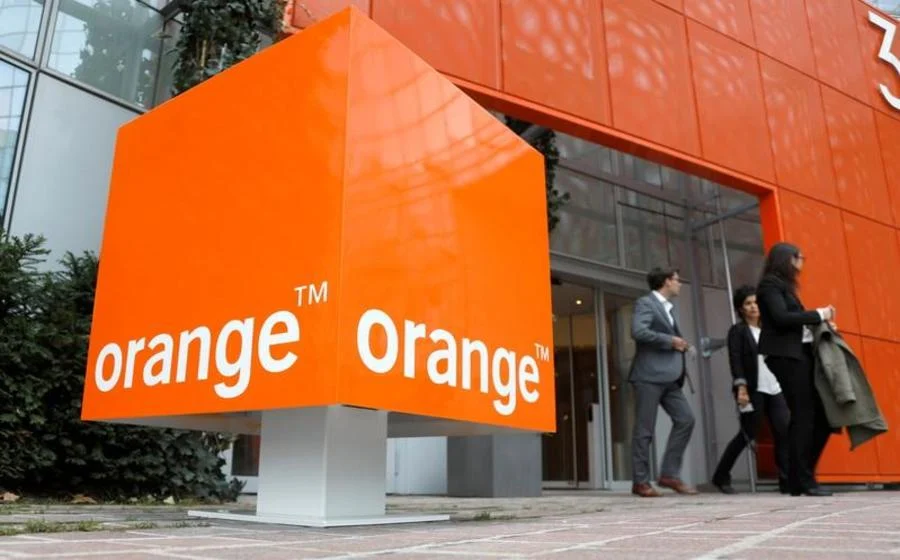
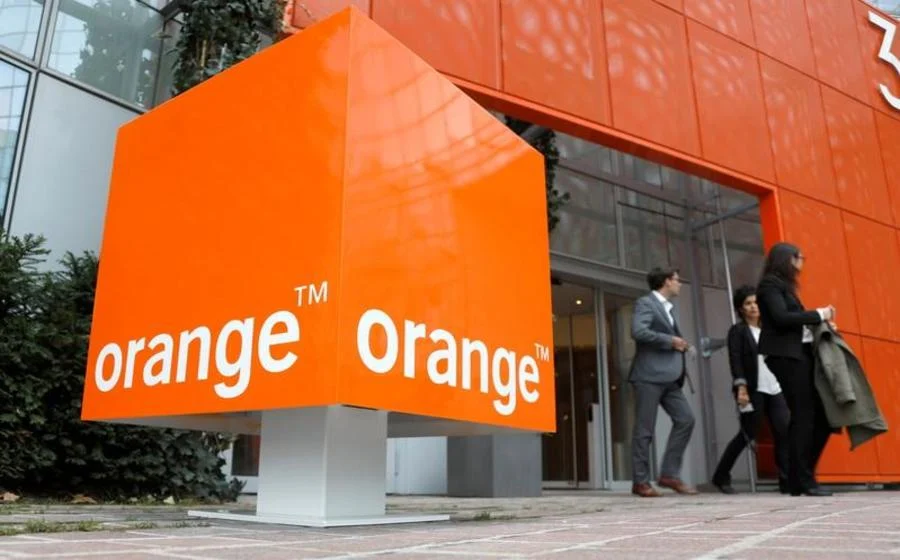
In a decisive move that signals the end of a brief but transformative chapter in European telecommunications, Orange has officially rebranded its Spanish unit, retiring the "MásOrange" moniker in favor of "Orange España." This strategic shift follows the French telecommunications giant’s acquisition of full control over the entity earlier this year, marking a total consolidation of its position in one of Europe’s most competitive markets.
While the corporate name is changing, the company has been careful to reassure its vast customer base that its extensive ecosystem of consumer-facing brands remains untouched. The move is widely seen as a symbolic alignment of its Spanish operations with the group’s unified global identity.
A Chronology of Consolidation: From Merger to Full Ownership
To understand the weight of this rebranding, one must look at the rapid evolution of the Spanish telecommunications landscape over the past two years.
The €22 Billion Genesis
In 2024, the industry witnessed a seismic shift with the finalization of a €22 billion merger between Orange’s Spanish operations and the MasMovil Group. This joint venture was designed to create a market leader, combining Orange’s robust infrastructure with MasMovil’s aggressive market agility. The resulting entity, dubbed "MásOrange," instantly became the largest telecommunications provider in Spain by customer volume, commanding a massive footprint of mobile and fixed-broadband subscribers.
The Path to Total Control
The joint venture structure, while effective for merging operations, was always subject to the strategic maneuvers of its stakeholders. By the end of 2025, Orange sought to tighten its grip on the Spanish market. In a definitive move, the group reached a binding agreement to acquire the 50% stake held by its joint venture partner, Lorca (an investment vehicle backed by private equity firms), for a valuation of €4.25 billion.
The Rebranding: A Clean Break
Following the completion of that acquisition, the "MásOrange" brand—which served as a temporary bridge between two distinct corporate cultures—became redundant. The transition to "Orange España" serves as a public declaration that the integration phase is complete and that the Spanish business is now fully integrated into the DNA of the global Orange Group.
Supporting Data: The Scale of the Spanish Giant
The numbers behind this transition underscore why Spain remains a critical pillar of Orange’s international strategy. The merger created a telecommunications powerhouse that effectively reshaped the market dynamics of the Iberian Peninsula.
- Subscriber Base: The entity serves approximately 1 million mobile subscribers and manages a fixed-broadband network catering to roughly 7 million homes.
- Market Leadership: As of the latest filings, the combined entity holds the top spot in the Spanish market, surpassing rivals such as Telefónica (Movistar) in total customer volume.
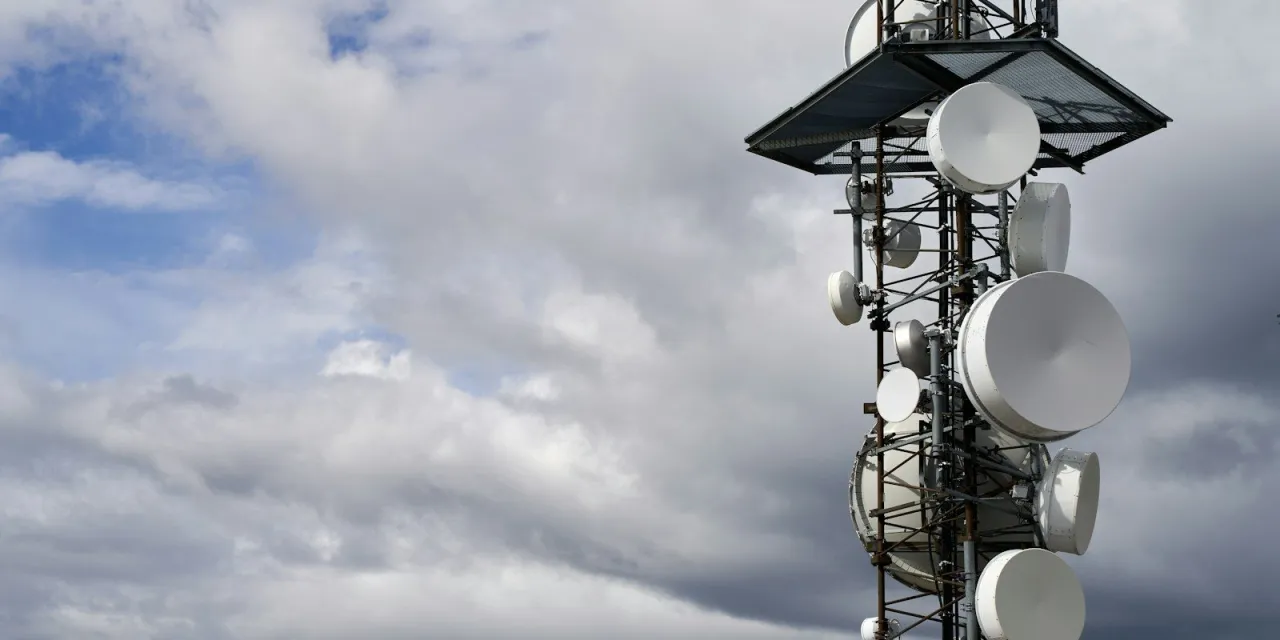
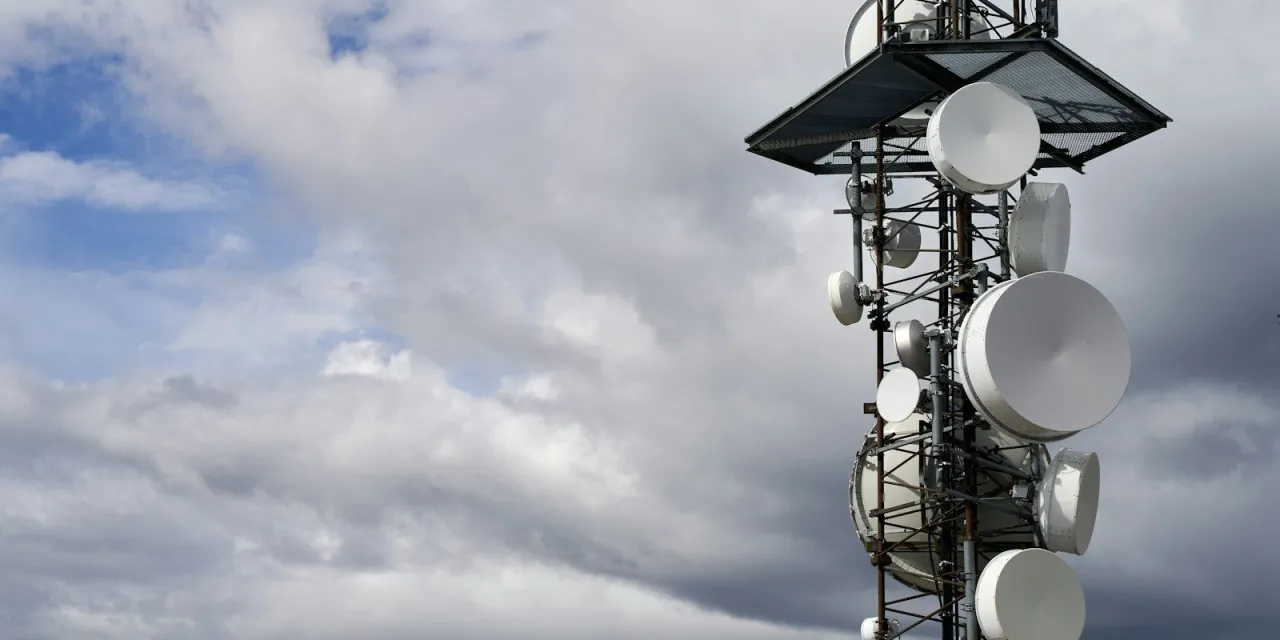
- Investment and Innovation: The rebranding is not merely cosmetic; it coincides with an ongoing commitment to massive capital expenditure. The firm has consistently emphasized its role as a leader in digital infrastructure, including the deployment of 5G across Spain and the expansion of fiber-to-the-home (FTTH) networks into underserved regions.
- The Portfolio: The business maintains a multi-brand strategy that covers every segment of the market, from premium service to budget-conscious users. The retained brands include Orange, Yoigo, Jazztel, MásMóvil, Pepephone, Simyo, Euskaltel, R, and Telecable.
Official Responses and Corporate Strategy
The leadership at Orange España has been quick to frame this transition as a natural evolution rather than a pivot in strategy.
Meinrad Spenger, CEO of Orange España, provided clarity on the rationale behind the name change. "Orange España is one of the most recognised brands in our country," Spenger noted. "It explains in a clear and simple way the company that we are today: the leading operator of the Spanish market by number of customers and by satisfaction with a clear vocation of investment, innovation, and commitment to the digital development of our country."
Spenger’s comments reflect a desire to project stability. By moving away from the "MásOrange" name, the company aims to move past the "merger" narrative and focus on its identity as a unified, forward-looking tech enterprise. For stakeholders and investors, the message is clear: the integration friction is gone, and the company is now focused on operational synergy and market expansion.
Implications for the Spanish Telecom Market
The transition to Orange España carries significant weight for the broader telecommunications landscape in Europe.
1. Brand Simplification and Market Confidence
By aligning its Spanish arm with its international brand, Orange is leveraging the strength of its global reputation. In a market often fragmented by regional players and secondary brands, the "Orange" name represents a level of security, R&D capacity, and service reliability that helps retain high-value customers in an era of intense competition.
2. Operational Efficiency
Operating under a unified brand name simplifies internal corporate communications, marketing budgets, and regulatory reporting. While the consumer-facing brands (such as Yoigo or Pepephone) remain, the parent company’s singular identity allows for better resource allocation across the board. The company can now streamline its infrastructure management, leveraging the unified network assets acquired during the merger without the burden of maintaining a dual-brand corporate identity.
3. Impact on Competitive Rivalry
The consolidation of Orange’s power in Spain puts significant pressure on competitors. With a clear, singular leadership structure, Orange España is better positioned to negotiate with government regulators regarding digital development projects and infrastructure rollouts. Competitors like Telefónica and Vodafone must now contend with an entity that is not only larger but also more tightly integrated than ever before.
4. The Future of Multi-Brand Strategy
Industry analysts are watching closely to see if Orange will eventually prune its extensive list of consumer brands. While the company has stated that the existing portfolio remains "unaffected," the logic of efficiency might eventually lead to a consolidation of these smaller brands. For now, however, the strategy appears to be one of "market segmentation"—keeping distinct brands to capture different consumer demographics, while housing them all under the singular, powerful umbrella of Orange España.
Looking Ahead: The Digital Horizon
As the dust settles on the rebranding, Orange España faces the typical challenges of a market leader: maintaining service quality, satisfying a demanding consumer base, and navigating the high costs of infrastructure maintenance.
The company’s commitment to "digital development" suggests that the coming years will focus on the maturation of 5G services and the expansion of the "Internet of Things" (IoT) within the Spanish market. With the internal restructuring complete, Orange España is arguably better equipped to pursue these goals than it was as the joint venture "MásOrange."
The name change is, in many ways, the final milestone of the 2024 merger. It signifies that the internal integration—which often consumes a significant amount of executive energy—is complete. The company is now operating as a fully-fledged, unified entity, ready to leverage its massive scale to influence the future of Spanish digital infrastructure.
For the Spanish consumer, the change may be subtle—appearing on a bill or a mast sign—but for the telecom industry, it represents the solidification of a new era of dominance in one of Europe’s most vibrant digital markets. As the company moves forward under the Orange España banner, the focus will undoubtedly shift from internal corporate politics to the external challenges of maintaining market share and driving technological innovation in a rapidly changing world.