The rapid proliferation of artificial intelligence has done more than just revolutionize the tech industry; it has sparked a massive, unexpected stress test on the United States’ electrical infrastructure. As data centers consume electricity at rates previously reserved for heavy industrial manufacturing, the nation’s aging power grid is creaking under the strain. While alarmists warn of skyrocketing utility bills and the looming threat of rolling blackouts, a more nuanced narrative is emerging from the front lines of energy technology: the AI energy crisis may be the catalyst required to force a long-overdue modernization of the American power grid.
The Collision of AI and Infrastructure
At the heart of the current crisis is a fundamental mismatch between the speed of the digital revolution and the inertia of physical infrastructure. AI data centers require 24/7, high-density power, often demanding hundreds of megawatts of capacity in localized regions. This concentrated load, combined with the integration of renewable energy sources and the electrification of transportation and heating, has created a complex web of variables that traditional grid management systems were never designed to handle.
Critics have rightly pointed out that this upswell in connections is pushing the grid to its breaking point. In the short term, this leads to localized congestion and increased pricing volatility; in the long term, experts fear that without significant intervention, the lack of sufficient transmission capacity could lead to systemic failures, including grid instability and severe, widespread outages.
Chronology of the Crisis: From Efficiency to Urgency
The trajectory of this energy strain can be traced through the evolution of the modern digital economy:
- 2020–2022: The Initial Wake-Up Call: As the pandemic accelerated cloud computing adoption, utilities began noticing a tick upward in demand. Companies like WeaveGrid began securing funding, anticipating that electric vehicle (EV) integration would be the primary stressor on the grid.
- 2023–2024: The AI Inflection Point: With the mainstream adoption of Large Language Models (LLMs), energy demand shifted from linear growth to exponential curves. Power demand projections for 2030 were revised upward by massive margins, catching grid operators off guard.
- 2025–2026: The TechCrunch Disrupt Consensus: By the time industry leaders convened at TechCrunch Disrupt in May 2026, the narrative had shifted. The consensus was no longer that the grid was "dying," but rather that it was in a state of forced transition.
- Late 2026: The Era of Innovation: The recent $110 million Series C raise by Veir serves as a microcosm of the current moment: venture capital is flowing toward "hard-tech" solutions that can solve the transmission bottlenecks that software alone cannot address.
Supporting Data: The Scale of the Challenge
To understand the magnitude of the pressure, one must look at the physical limitations of current transmission. Traditional copper and aluminum lines are reaching their thermal limits. When a power line gets too hot, it sags, risking contact with trees or structures, which forces utilities to throttle power delivery—a catastrophic outcome for a data center requiring constant uptime.
According to data presented by industry experts, the current grid suffers from:
- Capacity Constraints: Existing transmission corridors are largely full, with new projects facing years of permitting delays.
- Efficiency Losses: Traditional cables lose a significant percentage of energy as heat during long-distance transmission.
- Load Diversity: The grid now must balance the unpredictable load of AI data centers with the intermittent nature of wind and solar power, alongside the steady, growing demand from EV charging networks.
The solution is not merely "generating more power," but "moving power more intelligently."
Official Responses and Strategic Pivots
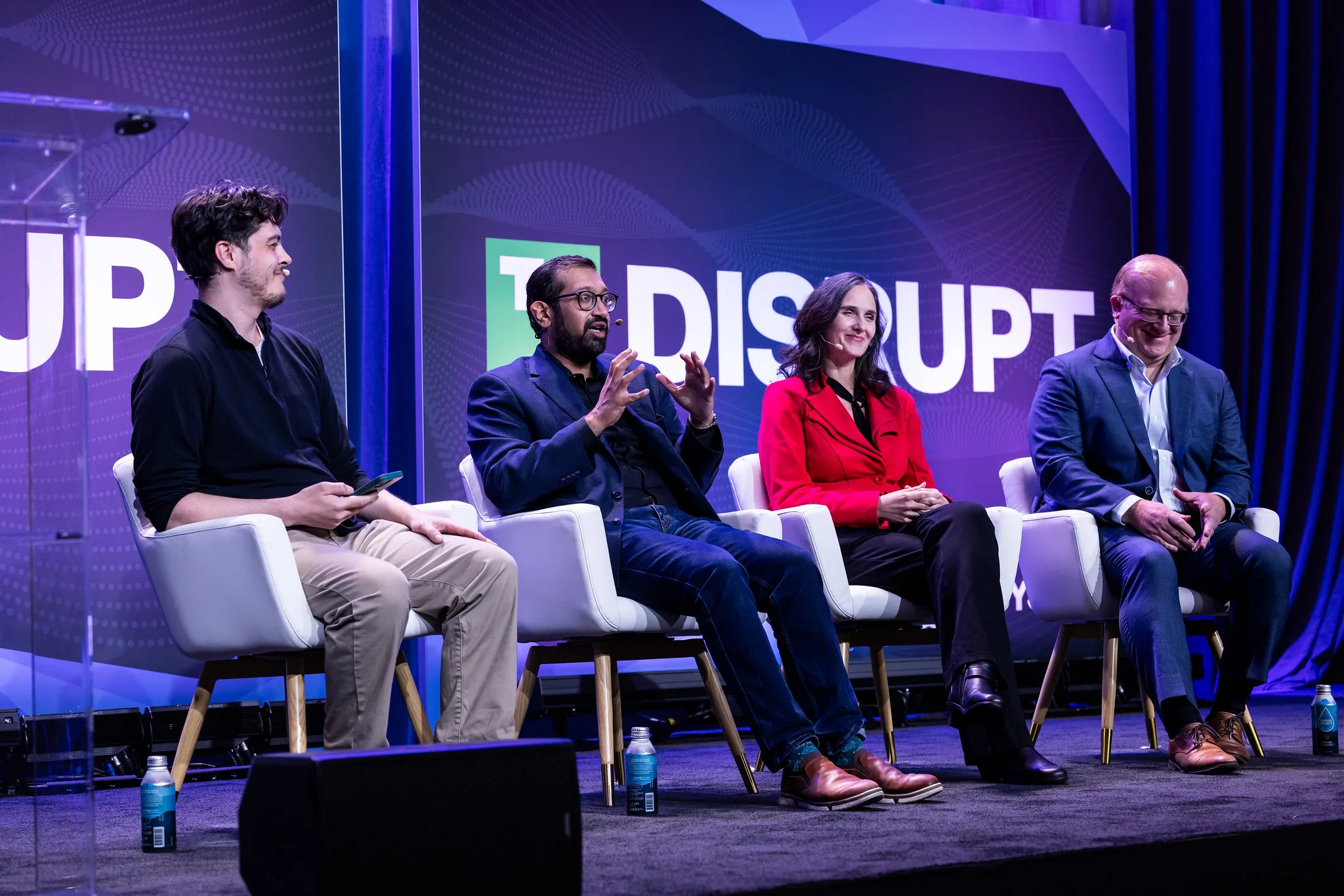
At the recent TechCrunch Disrupt panel, three key voices—Apoorv Bhargava (WeaveGrid), Tim Heidel (Veir), and Kristin Eberhard (Rewiring America)—offered a roadmap for how the sector is responding to these systemic pressures.
Orchestrating the Load
Apoorv Bhargava, founder of WeaveGrid, emphasizes that the grid is now a software-defined asset. "It’s a very different electric grid, right?" Bhargava noted. "We’re dealing with a ton of new variables… the ability to manage and orchestrate is fundamentally what utilities are now grappling with."
WeaveGrid’s approach is to use data analytics to manage how and when electricity is pulled from the grid. By optimizing the "load," the company helps prevent spikes that trigger surges in utility prices, effectively smoothing out the demand curve so the existing infrastructure can accommodate more users without requiring an immediate, full-scale rebuild.
The Superconducting Revolution
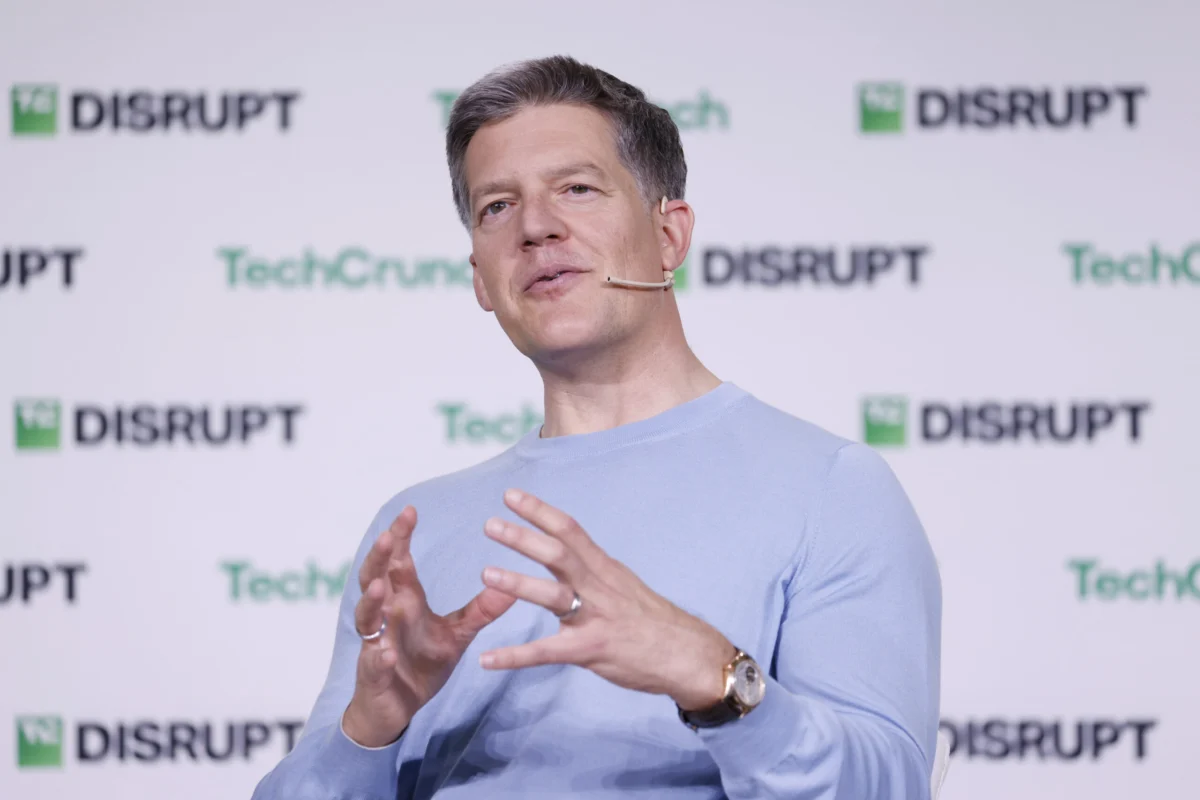
Tim Heidel, CEO of Veir, is taking a more aggressive, physical approach. Veir is deploying high-temperature superconducting power lines that can carry energy at significantly higher densities than traditional materials.
"The scale of the investment in AI infrastructure is driving a tremendous amount of innovation," Heidel stated. His company’s technology allows for power to be transferred five times further while requiring 20 times less space. By miniaturizing the physical footprint of transmission lines, Veir aims to allow data centers to locate near power sources—or allow power to reach data centers in congested urban hubs—without the need for massive new transmission towers that face intense local community opposition.
The "Improv" Era of Policy
Kristin Eberhard of Rewiring America views this crisis through a policy lens. She characterizes this moment as an "improv era" of infrastructure development. "There’s a lot of ‘yes-and-ing’ going on," she explained. "Yes, we need more transmission lines. Yes, we need more centralized power plants, and we also need to make sure that we’re taking advantage of all this other stuff that we had previously been leaving on the table."
Eberhard argues that the urgency of AI demand has finally aligned the interests of regulators, tech giants, and climate advocates. By creating an environment where industry is willing to "try new things," the AI boom is effectively breaking the regulatory gridlock that has paralyzed energy projects for decades.
Implications: A Future Defined by Adaptation
The long-term implications of this energy crunch are profound. We are witnessing a decoupling of economic growth from traditional grid limitations. If the current wave of innovation succeeds, the grid of the 2030s will look nothing like the grid of the 2010s.
Economic Consequences
While consumers initially face the risk of higher costs, the long-term goal is a more efficient market. By utilizing software to manage load and superconducting materials to minimize transmission losses, the total cost of energy per unit could theoretically stabilize. However, the transitional period remains precarious. Utilities must balance the cost of these massive infrastructure upgrades with their mandate to provide affordable service to ratepayers.
Environmental Impact
Paradoxically, the AI boom might accelerate the transition to green energy. Because tech giants are under intense pressure to meet ESG (Environmental, Social, and Governance) goals, they are becoming the primary financiers of large-scale renewable energy projects. When a company like Microsoft or Google demands clean, 24/7 power for a data center, they are not just buying electricity; they are funding the battery storage and carbon-free generation technologies that the rest of the country will eventually use.
The Societal Contract
Ultimately, the role of data centers is being renegotiated. As Heidel suggested, the goal is to make these massive facilities "the best community neighbors." This involves not just consuming energy, but contributing to the grid’s resilience—perhaps by serving as decentralized energy storage nodes or by funding local infrastructure improvements that benefit surrounding municipalities.
Conclusion: Turning Strain into Strength
The narrative of a "failing grid" is incomplete. While the infrastructure is undoubtedly under stress, the confluence of AI-driven capital and engineering innovation is creating a unique window of opportunity. The urgency of the situation has forced the hands of regulators and utility providers, clearing the path for technologies that were, until recently, relegated to the laboratory.
As the industry moves forward, the success of the AI-powered economy will be inextricably linked to the success of the grid. If the "improv era" of energy policy and technology continues to foster collaboration, the energy crunch of the mid-2020s may be remembered not as a period of decay, but as the foundational moment for the modern, digitized, and highly efficient energy network of the future. The stress test is real, but the result may be a stronger, more resilient foundation for the next century of technological advancement.