The boundary between Earth and the final frontier is often thinner than it appears. While the vacuum of space and the crushing pressure of the deep ocean are environmental opposites, the psychological toll, the necessity for flawless equipment, and the isolation of operating in hostile territory create a shared experience for explorers.
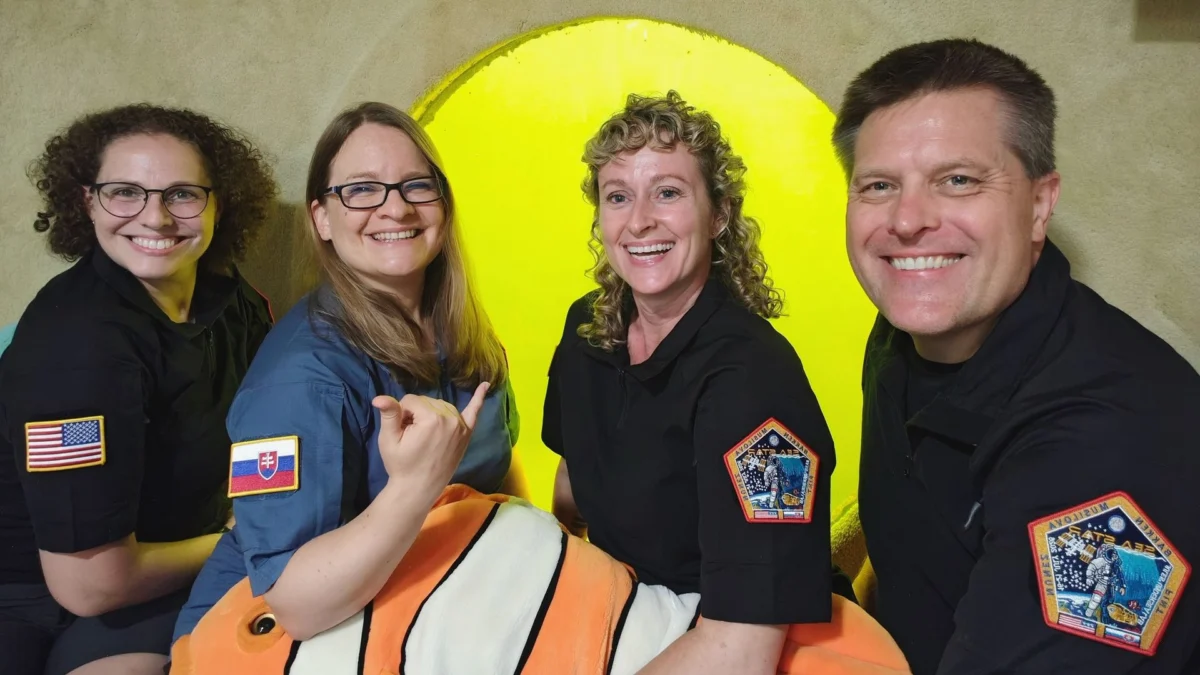
Dr. Michaela Musilova, a seasoned astrobiologist and veteran commander of nearly 40 analog space missions, recently completed the SEA STAR mission—an underwater expedition designed to push the limits of human endurance and simulate the rigors of Extra-Vehicular Activities (EVAs), or "spacewalks." By living in the Jules’ Undersea Lab in Florida, Musilova and her crew didn’t just study the ocean; they used the abyss as a crucible for future lunar and Martian exploration.
The Reality of the "Aquanaut" Life
The SEA STAR mission was far from a simple dive. To simulate the "saturation" state that deep-sea divers experience, the crew lived 22 feet below the surface for five days. This state is a physiological condition where the body’s tissues become fully saturated with inert gases, like nitrogen, at a specific pressure. Once saturated, there is no quick path back to the surface; a rapid ascent would lead to lethal decompression sickness.
For Musilova, this created a psychological shift. Unlike land-based analog missions where a crew member can theoretically open a hatch or step outside their habitat to breathe fresh air, the SEA STAR crew was effectively locked in. "I have worn many different types of spacesuits on Earth during my career," Musilova notes, "but for the first time in my life, I knew that I couldn’t just stop to breathe the air outside if there were an emergency."
Chronology of an Underwater Spacewalk
The mission structure was designed to mimic the high-stakes environment of the International Space Station (ISS). The daily rhythm was governed by strict protocols and a relentless focus on safety.
- Pre-Mission Preparation: Weeks were spent planning the logistics of the five-day stay. This included rigorous training on life-support systems, communication protocols, and emergency extraction scenarios.
- Saturation Phase: Upon arrival at the Jules’ Undersea Lab, the crew began the process of saturation. This required constant monitoring of physiological vitals and internal habitat pressure.
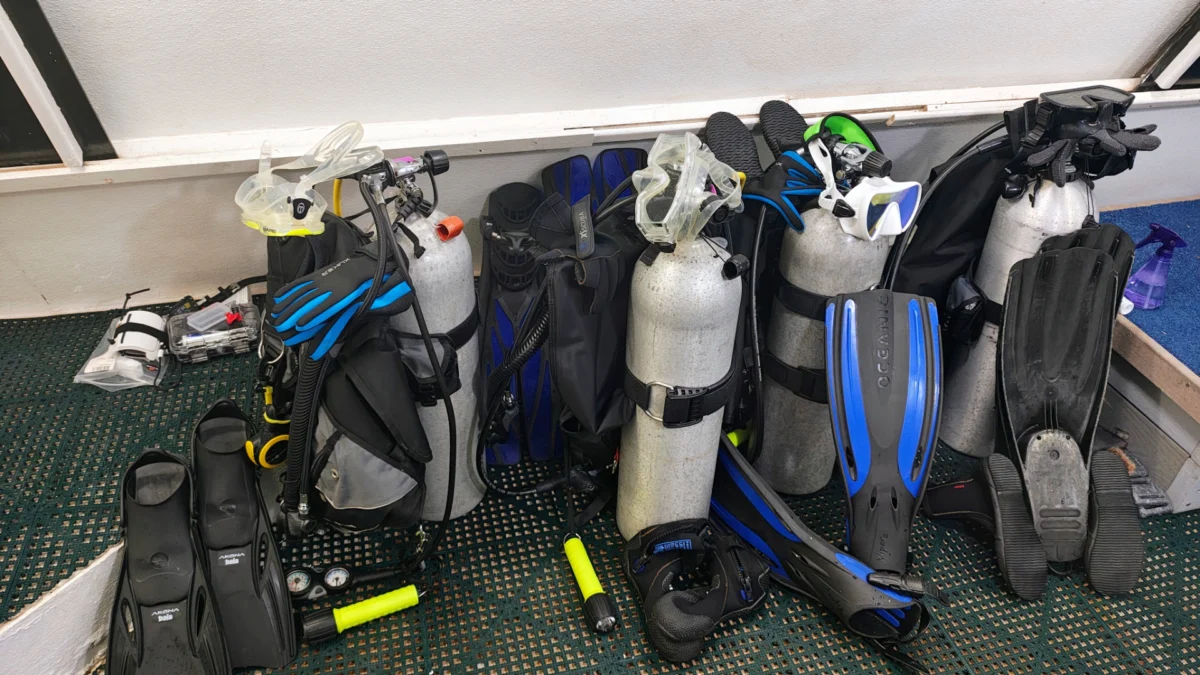
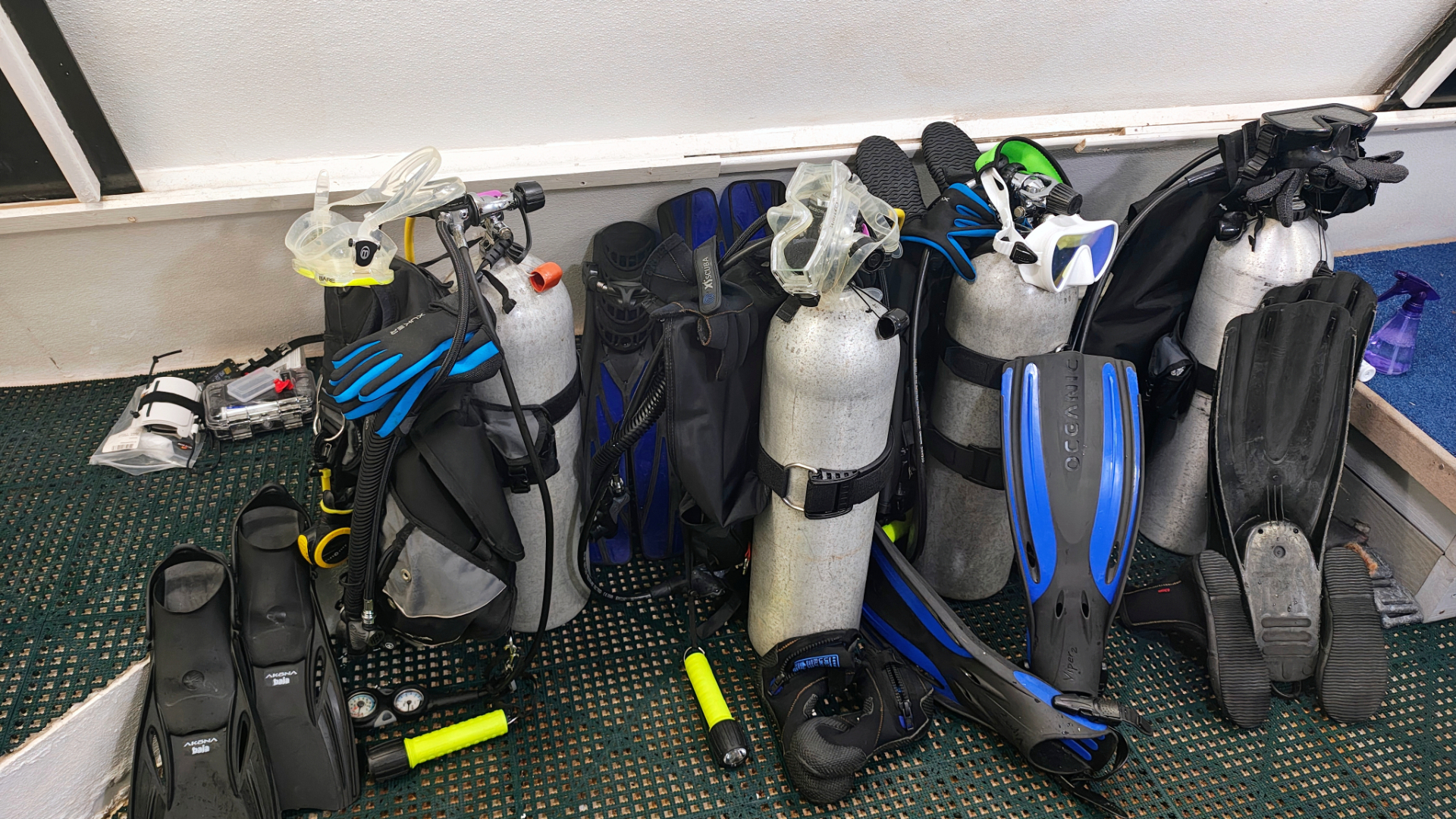
- The EVA Phase: Each day involved planned excursions outside the habitat. Unlike traditional diving, these were conducted as "spacewalks." Every movement was calculated to simulate the limitations of a pressurized, 310-pound space suit, even though the crew was wearing lighter, specialized scuba gear.
- Operational Challenges: The crew performed maintenance tasks, camera operation, and environmental cleaning—all while wearing thick gloves to simulate the loss of dexterity experienced by astronauts in orbit.
- Mission Conclusion: Following the completion of the research objectives, the crew underwent a controlled decompression phase, ensuring their bodies could safely return to surface pressure levels.
Engineering Challenges: Testing Technology in the Deep
One of the primary objectives of the SEA STAR mission was to test "analog" spacesuit technology. While a true NASA Extravehicular Mobility Unit (EMU) weighs over 300 pounds, the suits used by the SEA STAR crew were lightweight—roughly 30 pounds. However, the utility of the gear was the focus of the study.
The Role of Sensory Deprivation and Dexterity
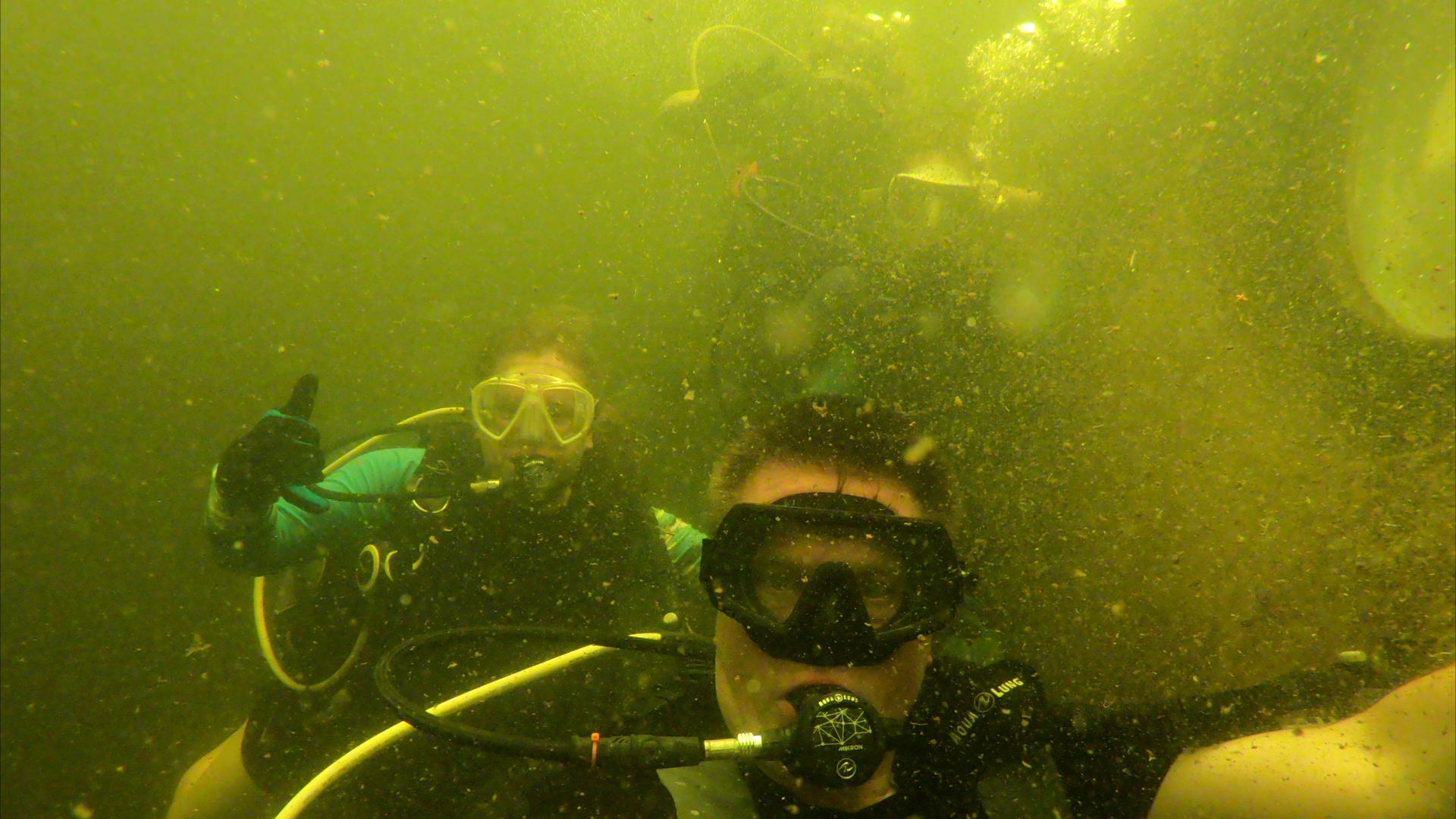
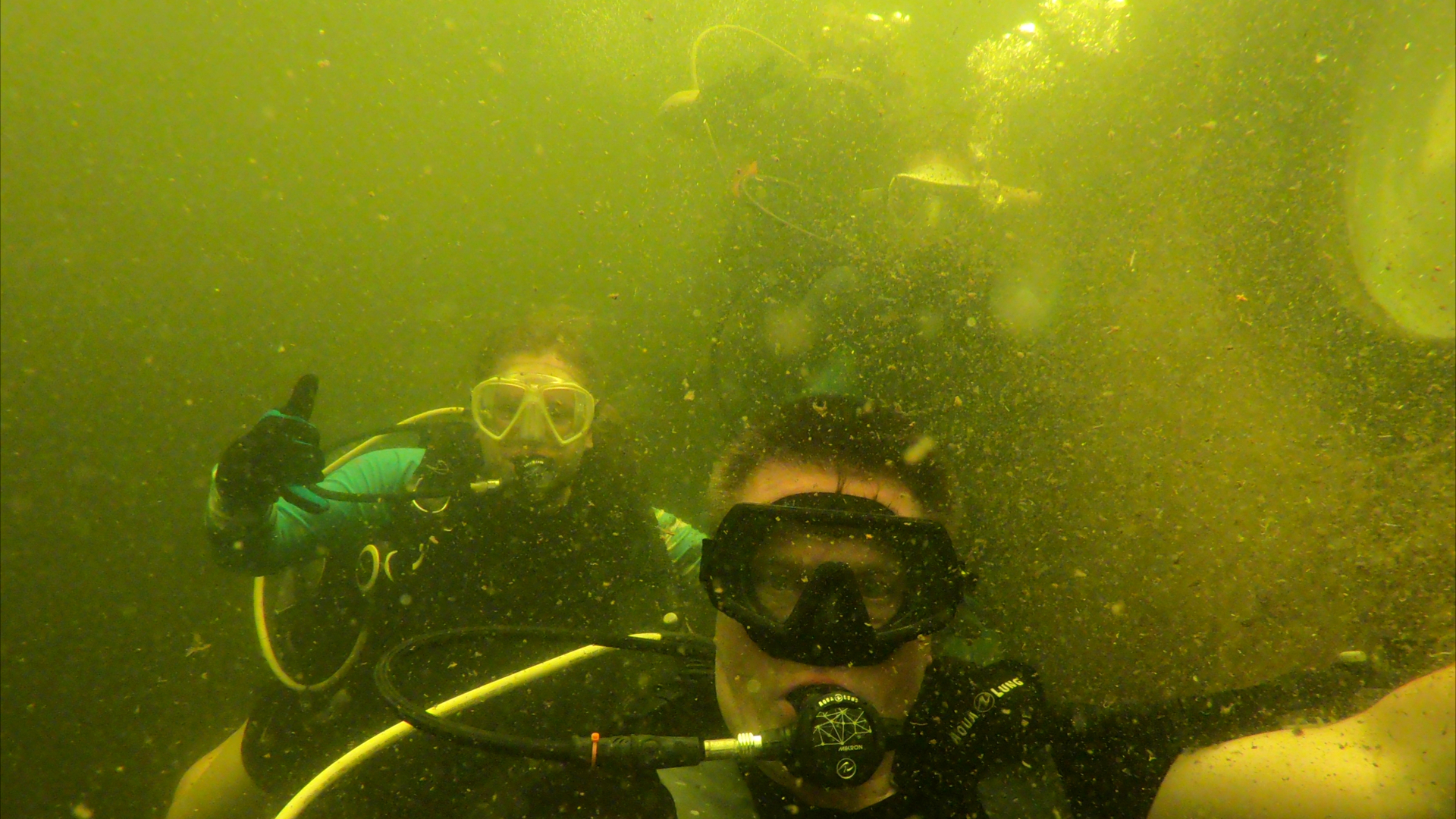
The underwater environment provided an unintentional but perfect simulation of the "dark side" of space. With low visibility, the crew relied on flashlights and tethered movement to maintain contact. This forced the team to rely heavily on non-verbal communication.
"We used standard scuba diving sign language to communicate, and we created some new mission-specific signals," Musilova explains. These visual communication protocols are vital for space missions where radio silence or equipment failure might isolate an astronaut. Furthermore, the use of gloves while manipulating delicate instruments served as a critical test for human-machine interaction in space, highlighting how even minor tasks, such as cleaning a lens or tightening a bolt, become monumental challenges in pressurized suits.
The Psychological Dimension of Isolation
While the technical aspects of the mission were rigorous, the psychological findings were equally significant. When operating in an environment where there is "no immediate out," the pressure on the commander is immense.
Musilova, having led more analog missions than perhaps any other researcher, noted that the responsibility for her crew’s safety during the SEA STAR mission induced a higher state of vigilance than she had previously experienced. The fear of getting lost, the danger of equipment failure, and the inherent risks of decompression sickness all contribute to a unique form of stress known as "operational anxiety."
This data is invaluable for NASA and other space agencies. By studying how commanders and crews manage stress in extreme, high-stakes environments, researchers can develop better screening processes for long-duration missions to Mars, where the delay in communication with Earth will mean that astronauts must be entirely self-reliant.
Implications for Future Space Exploration
The implications of the SEA STAR mission reach far beyond the ocean floor. As humanity sets its sights on the Moon’s South Pole and, eventually, the red dust of Mars, the lessons learned from aquanaut missions provide a blueprint for survival.
Key Takeaways for NASA:
- Human-Machine Interface: The study confirmed that glove dexterity remains the single greatest bottleneck in EVA efficiency. Future suit designs must prioritize tactile feedback and joint mobility.
- Communication Redundancy: Relying on technology is necessary, but the SEA STAR mission proved that visual, gesture-based communication must be a standard training requirement for all future lunar explorers.
- Psychological Resilience: The "no-exit" nature of the Jules’ Undersea Lab provided a high-fidelity psychological model for deep-space missions. Understanding how to mitigate the stress of total isolation is key to preventing crew conflict and burnout.
A Legacy of Exploration
Dr. Michaela Musilova’s career is defined by her ability to bridge the gap between theoretical science and practical field application. As an astrobiologist who has worked with NASA and the European Space Agency, her leadership in the SEA STAR project highlights the necessity of "Earth-bound" space research.
"Despite not being able to see very much ahead of me, and all while keeping a watchful eye on my crewmembers, I finally truly felt like an astronaut on a spacewalk," Musilova reflects. "Darkness was all around me, but my determination and curiosity propelled me toward exploring the unknown."
As we look toward the future, the ocean remains the closest analog we have to the unforgiving nature of the cosmos. Through the work of dedicated researchers and the daring of aquanauts, we are learning that before we can master the stars, we must first master the art of survival in the dark, silent places of our own planet. The lessons of the Jules’ Undersea Lab ensure that when the first human steps onto the surface of Mars, they will be equipped with the resilience, the protocols, and the hard-won experience of those who explored the depths before them.