By Financial News Desk
October 27, 2026
In a landmark move that underscores the shifting landscape of venture capital, Dallas-based investment firm Disruptive has officially announced the closing of a staggering $10 billion flagship fund. The move, confirmed by the firm on Tuesday, marks one of the most significant capital raises in the history of the venture ecosystem, solidifying the firm’s position as a titan of late-stage investment.
With a mandate to deploy substantial capital—with individual check sizes reaching as high as $1 billion—Disruptive is setting its sights on the most capital-intensive and transformative sectors of the modern economy: Artificial Intelligence (AI) and defense technology.
The Core Mandate: Betting Big on AI and Defense
The $10 billion vehicle is designed to back at least 10 high-growth, late-stage companies. By providing "megafund" liquidity, Disruptive intends to provide the runway necessary for companies to scale rapidly in an environment where competition for AI infrastructure and national security-grade defense tech has reached a fever pitch.
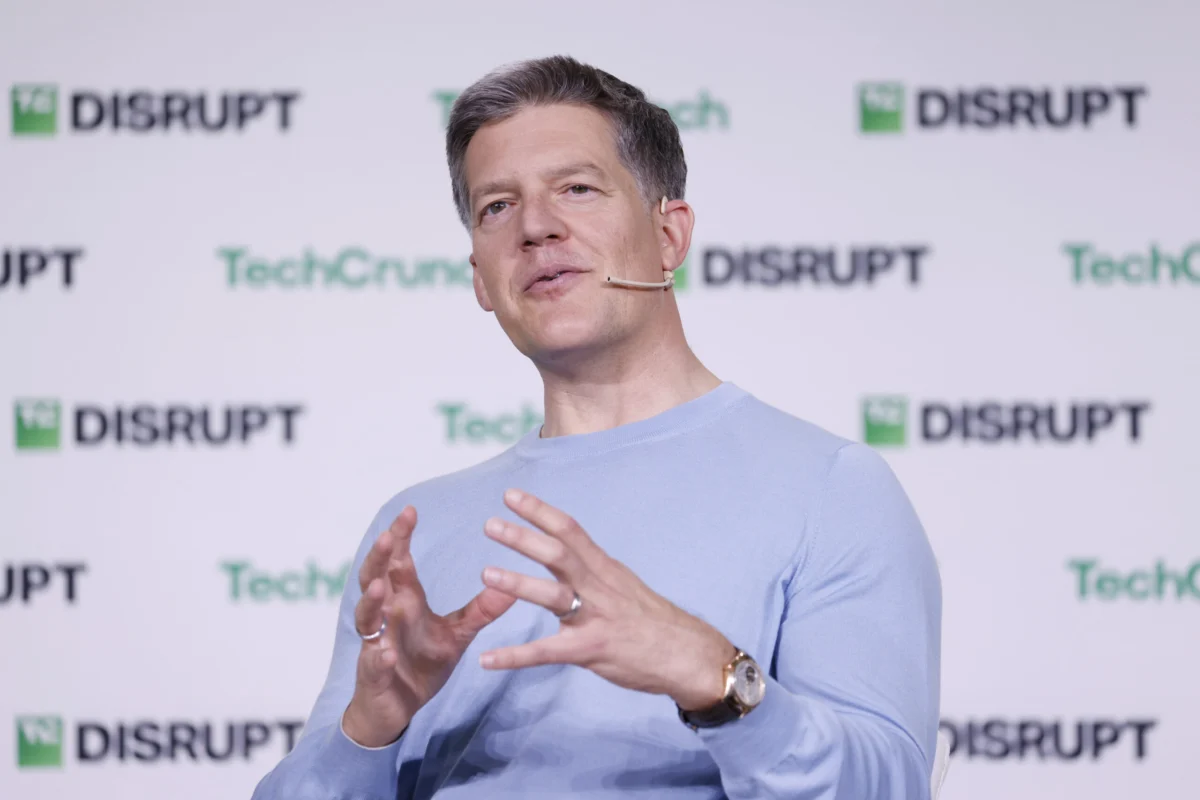
The firm, led by founder Alex Davis—the grandson of legendary oil magnate Marvin Davis—has long operated with a unique investment philosophy. Since its inception in 2012, Disruptive has built a reputation for identifying unicorns early. Its portfolio, which boasts heavy hitters such as Palantir, Airbnb, and Spotify, demonstrates a knack for navigating the volatile waters of private equity.
A Chronology of the Rise: From SPVs to Blind-Pool Powerhouse
The journey to this $10 billion milestone represents a significant evolution in Disruptive’s operational structure.
- 2012: Alex Davis founds Disruptive, establishing a niche as an aggressive, high-conviction investor.
- 2012–2026: For over a decade, the firm operated primarily through a deal-by-deal model. Using Special Purpose Vehicles (SPVs), the firm allowed investors to back individual startups on a case-by-case basis. This structure provided agility but limited the firm’s ability to act as a permanent, flexible source of capital for its portfolio companies.
- Early 2026: Reports begin to circulate in the financial press, notably via The Wall Street Journal, that Disruptive is testing the waters for a massive blind-pool fund.
- October 2026: After successfully securing $7.5 billion in initial commitments, the firm hits its final target, officially closing the $10 billion fund.
- October 27, 2026: The firm makes the official announcement, setting a new record for the largest venture fund in Texas history.
This transition to a "blind-pool" structure—where investors commit capital without knowing the specific companies the firm will eventually acquire—is a hallmark of a mature, institutional-grade firm. It signals that Disruptive’s limited partners (LPs) have developed a profound level of trust in Davis’s investment strategy and the firm’s proprietary deal flow.
Supporting Data: By the Numbers
The scale of this fund is difficult to overstate. To put it in perspective, the $10 billion raise is not merely a regional victory for Texas; it is a global indicator of where the "smart money" is flowing.
- Return on Investment: According to internal data shared with LPs and reported by Bloomberg, Disruptive has historically delivered impressive returns. The firm claims to have returned more than $6 billion to its investors on an initial deployment of approximately $1.9 billion. This performance ratio—roughly 3x capital return—is the engine that powered the confidence behind the new $10 billion fund.
- Strategic Focus: The firm’s recent high-profile activity includes substantial investments in Groq, the AI chip manufacturer aiming to disrupt the dominance of incumbents, and ElevenLabs, a leader in AI voice-generation technology.
- Geographic Significance: As reported by the Dallas Business Journal, this fund is the largest venture capital vehicle ever raised in the state of Texas. It marks a significant milestone in the ongoing decentralization of the venture capital industry, which is slowly shifting away from the traditional Silicon Valley axis toward emerging tech hubs in the American South.
Official Stances and Market Sentiment
While the firm has maintained a relatively low profile regarding the specific mechanics of the new fund, the sentiment within the broader venture community is one of awe and anticipation.
The shift to a blind-pool model is particularly noteworthy. Industry analysts suggest that this structure will allow Disruptive to move with unprecedented speed. In the fast-moving world of AI, the ability to write a $1 billion check without waiting to syndicate the deal across a dozen different partners provides an immense competitive advantage.

"The move to a blind pool indicates that Disruptive has moved beyond the ‘deal-hunter’ phase," says one venture strategist familiar with the firm. "They are now a platform. By consolidating capital, they are insulating themselves from the fundraising friction that often plagues growth-stage startups, ensuring they can double down on their winners at a moment’s notice."
However, the firm has not been without its challenges. Earlier this year, the industry saw some friction regarding secondary markets. As companies like Anthropic warned investors against secondary platforms offering access to private shares, firms like Disruptive—which have thrived on the secondary market—have had to navigate an increasingly complex regulatory and reputational environment. Disruptive’s new fund suggests they are moving toward primary, high-conviction backing, perhaps as a way to circumvent the volatility of secondary trading.
Implications for the Tech Ecosystem
What does a $10 billion, AI-focused fund mean for the average tech startup?
1. The "Arms Race" Escalates
With $10 billion dedicated to AI and defense, the barrier to entry for new startups in these sectors is effectively being raised. Disruptive’s ability to inject massive capital into companies like Groq means that incumbents now face a challenger with nearly unlimited runway. This will likely trigger a new wave of consolidation, as smaller competitors find it impossible to keep pace with the R&D spending of firms backed by such massive capital pools.
2. A Paradigm Shift for Texas
For years, the narrative of the tech industry has been dominated by California and New York. By raising the largest venture fund in Texas history, Disruptive is signaling that the infrastructure for high-stakes finance is becoming globally distributed. This will likely draw more talent and secondary support services (law firms, accounting, specialized engineering talent) to the Dallas area, further diversifying the tech map.
3. The Future of Late-Stage Investing
The "megafund" era is here to stay. As AI development requires billions in compute costs, the traditional $50 million to $100 million Series B and C rounds are no longer sufficient. Disruptive is positioning itself to be the "lender of last resort" or the "primary anchor" for the next generation of industrial-scale tech companies. By focusing on defense—a sector that requires massive, multi-year contracts and heavy hardware investment—Disruptive is betting that the convergence of silicon and sovereignty will be the most profitable trade of the next decade.
Conclusion: A High-Stakes Bet on the Future
As the year 2026 draws to a close, the financial world is looking at Disruptive with a mix of curiosity and intense scrutiny. The transition from a boutique deal-by-deal shop to a $10 billion institutional juggernaut is a rare feat.
If Alex Davis and his team can replicate the success they found with their initial $1.9 billion portfolio, they will not only solidify their firm’s legacy but potentially alter the trajectory of the AI and defense sectors for years to come. In an era where capital is often treated as a commodity, Disruptive is betting that, when deployed with the right vision, it remains the ultimate force multiplier.
As they begin the process of identifying their next 10 targets, the rest of the venture world will be watching closely to see which companies are deemed worthy of the largest checks in the industry. For the tech startups currently in the crosshairs of the AI revolution, the message is clear: the capital is here, the stakes are record-breaking, and the race has officially begun.