Introduction: The Hidden Backbone of Modern Civilization
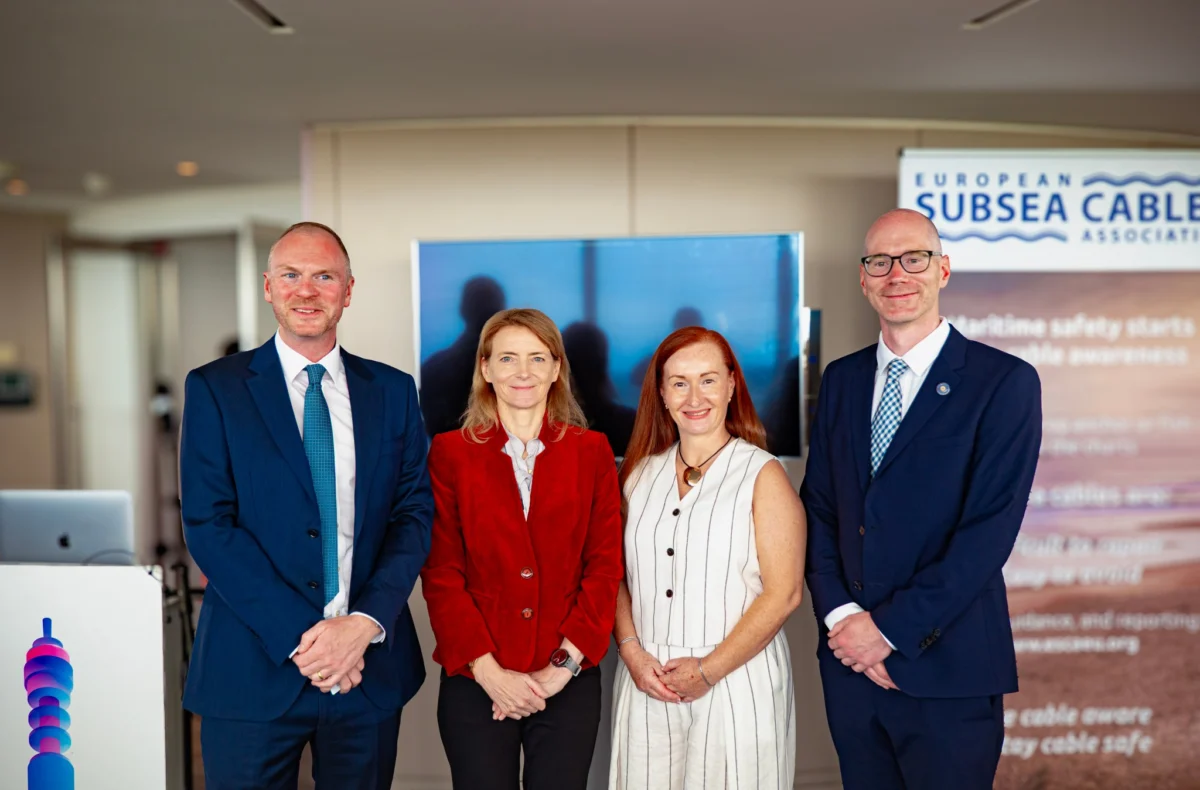
While global attention often fixates on the geopolitical sensitivity of underwater infrastructure, a critical, human-centric conversation is taking place at the highest levels of government and industry. This week, at London’s iconic BT Tower, a coalition of ministers, industry titans, and academic leaders gathered for the Subsea Cables Summer Reception to address a looming challenge: the urgent need to inspire, train, and retain the next generation of professionals tasked with building, maintaining, and protecting the world’s most vital digital arteries.
Subsea telecommunications cables are not merely cables; they are the silent, pressurized conduits of modern existence. Carrying more than 99% of all intercontinental digital data, this infrastructure underpins everything from high-frequency financial markets and international diplomacy to cloud computing and global supply chains. Yet, despite its importance, the industry suffers from a visibility crisis. The goal of this week’s summit was to pull these "invisible architects" into the light and address the urgent skills gap threatening to undermine global digital resilience.
Chronology: A Movement Towards Workforce Resilience
The initiative to bolster the subsea workforce did not emerge in a vacuum. It is the result of a concerted effort by a coalition of key organizations, including the European Subsea Cables Association (ESCA), the International Cable Protection Committee (ICPC), and the SubOptic Foundation.
- Early 2024: Industry leaders identified a critical bottleneck in the recruitment pipeline. Despite an explosion in data demand, the number of qualified engineers and specialized marine personnel was not keeping pace with the global rollout of new fiber-optic networks.
- Spring 2024: Planning began for a collaborative "cross-sector" approach to education, moving away from siloed recruitment to a unified industry narrative.
- June 2024 (The Summit): The Subsea Cables Summer Reception at BT Tower served as the focal point for this strategy. The event brought together the UK’s Minister for Digital Economy, Baroness Lloyd, and Gus Jaspert of The Crown Estate, alongside industry veterans and the "NextGen Subgroup."
- The Future Horizon: The momentum established at the summit is scheduled to carry forward into larger industry forums, including the Submarine Networks EMEA 2027 conference, where educational pathways will be a central pillar of the agenda.
The Anatomy of the Industry: A Diverse Ecosystem
To understand why a specialized workforce is required, one must understand the sheer complexity of the environment. Subsea work is not limited to cable laying; it is a multifaceted discipline that requires a unique blend of high-tech engineering and rugged maritime capability.
The Role of the Professionals
The industry requires a diverse, highly specialized workforce, including:
- Mariners: The backbone of the fleet, operating the cable-laying vessels that navigate the world’s most treacherous waters.
- Subsea Engineers: Specialists in ROVs (Remotely Operated Vehicles) and trenching technology who perform delicate repairs on the ocean floor, often kilometers beneath the surface.
- Environmental Specialists: Scientists responsible for mapping the seabed to ensure that cable routes minimize ecological impact and remain stable over decades.
- Project Managers: The orchestrators who navigate international law, regulatory compliance, and massive logistical supply chains to land cables on foreign shores.
This workforce operates in some of the most difficult conditions on Earth—from the crushing pressures of the deep sea to the complex legal jurisdictions of international waters.
Supporting Data: The Skills Gap and the Digital Demand
The urgency of this initiative is backed by the meteoric rise in data consumption. As AI, cloud computing, and streaming services continue to push the boundaries of bandwidth, the demand for physical cable capacity has reached unprecedented levels.
- 99% Dependency: The statistic that 99% of intercontinental traffic relies on these cables is often cited, but the implications are rarely explored in terms of human capital. If a cable fails, the repair process is not automated; it requires specialized ships, crews, and expertise that take years to develop.
- The "NextGen" Pipeline: The ESCA’s NextGen Subgroup, which currently counts around 120 students and early-career professionals, represents a small but growing force. However, industry analysts estimate that the sector needs to increase its intake of apprentices and graduates by a significant margin annually to replace the retiring "silver generation" of engineers.
- Educational Diversification: One of the key findings discussed at the BT Tower was that there is no "standard" entry route. Data shows that the most successful professionals often come from a mix of maritime academies, traditional civil engineering degrees, and vocational apprenticeship programs.
Official Perspectives: Aligning Government and Industry
The summit highlighted a rare alignment of interests between government, which views the cables as a matter of national security, and industry, which views them as a matter of commercial survival.
Baroness Lloyd, Minister for Digital Economy:
"Subsea cables are the hidden backbone of our economy and everyday lives, carrying the data that keeps people, businesses and public services connected. Building a resilient future for this critical infrastructure means investing not just in technology, but in the skilled people who install, maintain and protect it. Events like this are vital to inspiring the next generation to take up those opportunities."
Gus Jaspert, Managing Director – Marine at The Crown Estate:
"Subsea cables are a critical part of our national life and complex marine ecosystem. Our resilience as a nation depends just as much on the people who operate, maintain, and restore these systems—sometimes in very difficult conditions. It is great to come together with partners from across this vital sector to champion their work and underline the importance of encouraging young people to consider careers that will underpin our resilience and security for future generations."
John Wrottesley, Executive Director of the European Subsea Cables Association (ESCA):
"If we want resilient digital infrastructure in the future, we need to invest in the workforce that makes it possible. That starts by inspiring more people to see this as an exciting, rewarding, and globally important career."
Implications: Building a Resilient Future
The implications of failing to secure this talent pipeline are profound. A lack of skilled labor translates directly into longer downtime for subsea cable repairs, slower deployment of new infrastructure, and increased vulnerabilities in the global supply chain.
Bridging the Gap
The strategy discussed at the summit involves three core pillars:
- Vocational Training: A move toward recognizing vocational certifications as equivalent to traditional university degrees in terms of career progression.
- Increased Visibility: The industry must transition from being "invisible" to becoming a "career of choice" for STEM graduates. This involves marketing the thrill of maritime work combined with the cutting-edge nature of telecommunications.
- Cross-Sector Mobility: Encouraging professionals from the offshore wind and oil and gas sectors to transition into subsea telecommunications, leveraging their existing maritime and subsea engineering skills.
Security and Geopolitics
Beyond the economics, the security of these cables has become a primary concern for governments worldwide. A workforce that is well-trained, ethically grounded, and highly capable is the best defense against both technical failure and malicious interference. By investing in the people who handle the infrastructure, the UK and its international partners are essentially investing in the "human firewall" of the global digital economy.
Conclusion: The Path Forward
The message from the BT Tower was clear: the submarine cable industry is at a crossroads. As the world becomes increasingly reliant on the data that flows through the abyss, the people who keep that data moving are no longer in the background—they are the essential, front-line workers of the digital age.
The initiative launched this week is the beginning of a long-term campaign to bridge the gap between education and the deep-sea frontier. For students, apprentices, and professionals looking for a career that combines technical challenge, global impact, and long-term stability, the subsea cable sector offers an unparalleled opportunity.
As the industry prepares for the Submarine Networks EMEA 2027 conference, the focus will remain firmly on the human element. The future of global connectivity depends on it.
For those interested in exploring career paths or engaging with the industry, further discussions and networking opportunities are available through the Submarine Networks EMEA 2027 platform.