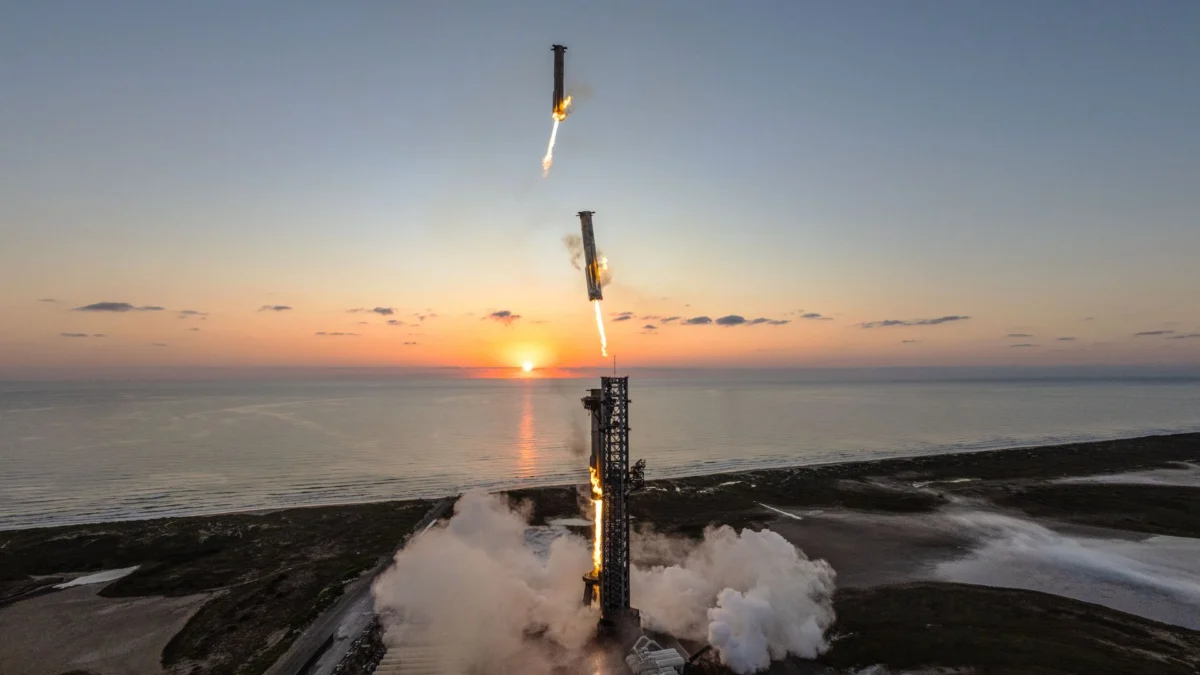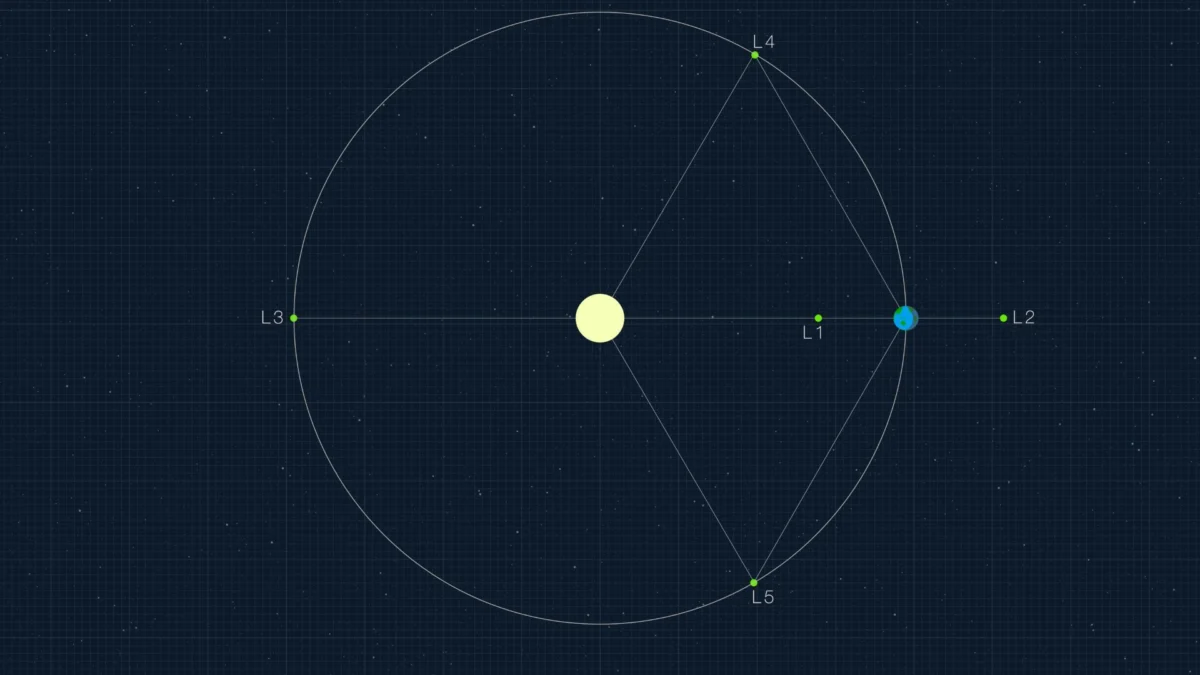
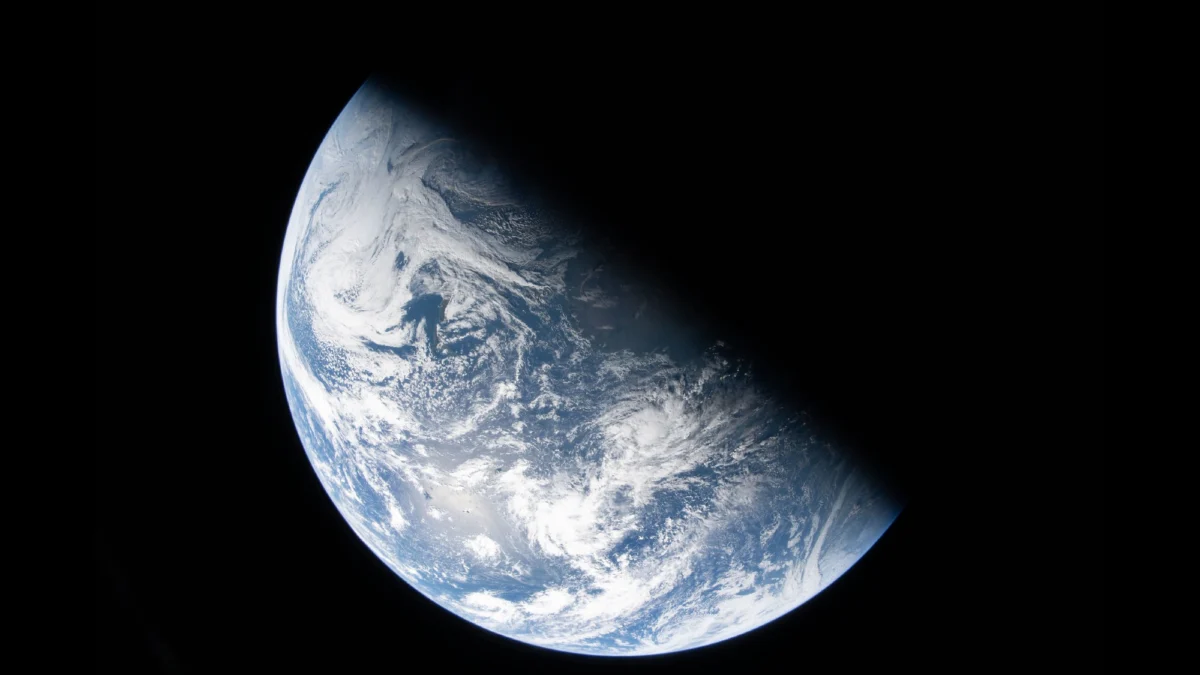
For millennia, the night sky has been a canvas for human wonder, a source of navigational certainty, and the primary laboratory for our species to understand its place in the cosmos. Today, that ancient view faces an existential threat. A surge in plans for massive orbital data centers and light-reflecting mirror constellations—spearheaded by private entities including SpaceX, Blue Origin, and startup Reflect Orbital—is poised to permanently alter the heavens. Astronomers warn that the result will not merely be a few stray dots of light, but a catastrophic, luminous "Saturn-like ring" of artificial objects encircling the Earth, visible to the naked eye from every corner of the planet.
The New Orbital Frontier: A "Saturn’s Ring" of Technology
The proposed shift in orbital utilization is driven by the desire for "24-hour sunlight." To maintain constant power and operational efficiency for high-capacity AI data centers and solar-reflecting mirrors, companies are targeting specific orbits that trace the "terminator line"—the boundary between day and night.
Hugh Lewis, a professor of astronautics at the University of Birmingham, warns that this necessity creates a geometric bottleneck. Because these satellites must remain in constant sunlight to function, they cannot be distributed evenly like the current Starlink network. Instead, they must be stacked in the same orbital plane, following the dawn-dusk line as the Earth rotates.
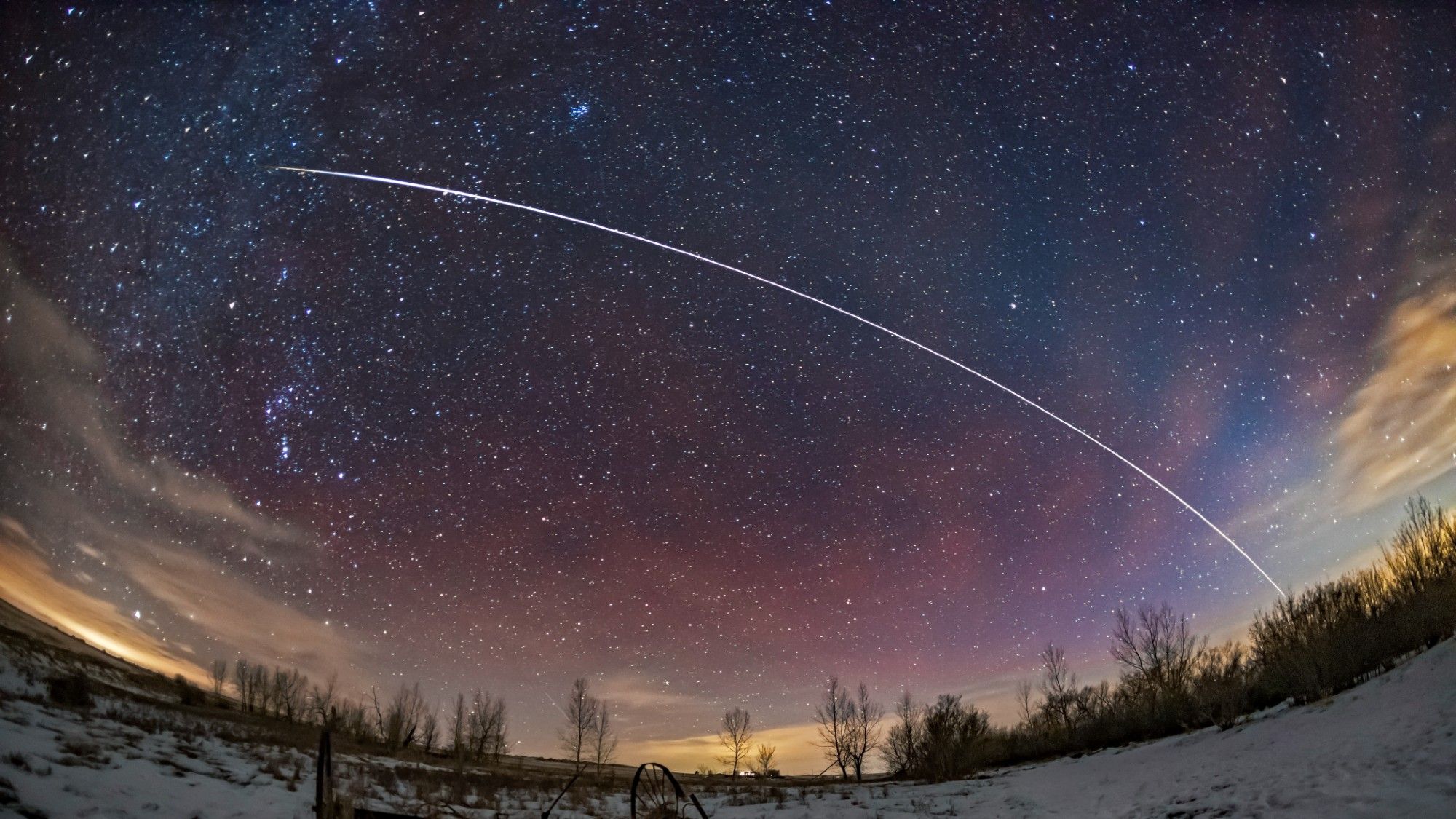
"If you were to look up at night, they would be all in one plane, really close together, moving in the same direction," Lewis explained. "The impact on the night sky would be absolutely catastrophic. We are talking about an artificial band of light that would outshine every star and planet, potentially even the full moon."
Chronology of the Orbital Frenzy
The transformation of the night sky from a scientific resource to a commercial utility has accelerated rapidly:
- 2023–2024: A "data center frenzy" begins as major tech and aerospace firms file applications with the U.S. Federal Communications Commission (FCC) to launch over a million satellites.
- Early 2025: China announces a five-year plan to develop its own orbital data center network, signaling an international space race for orbital bandwidth and processing power.
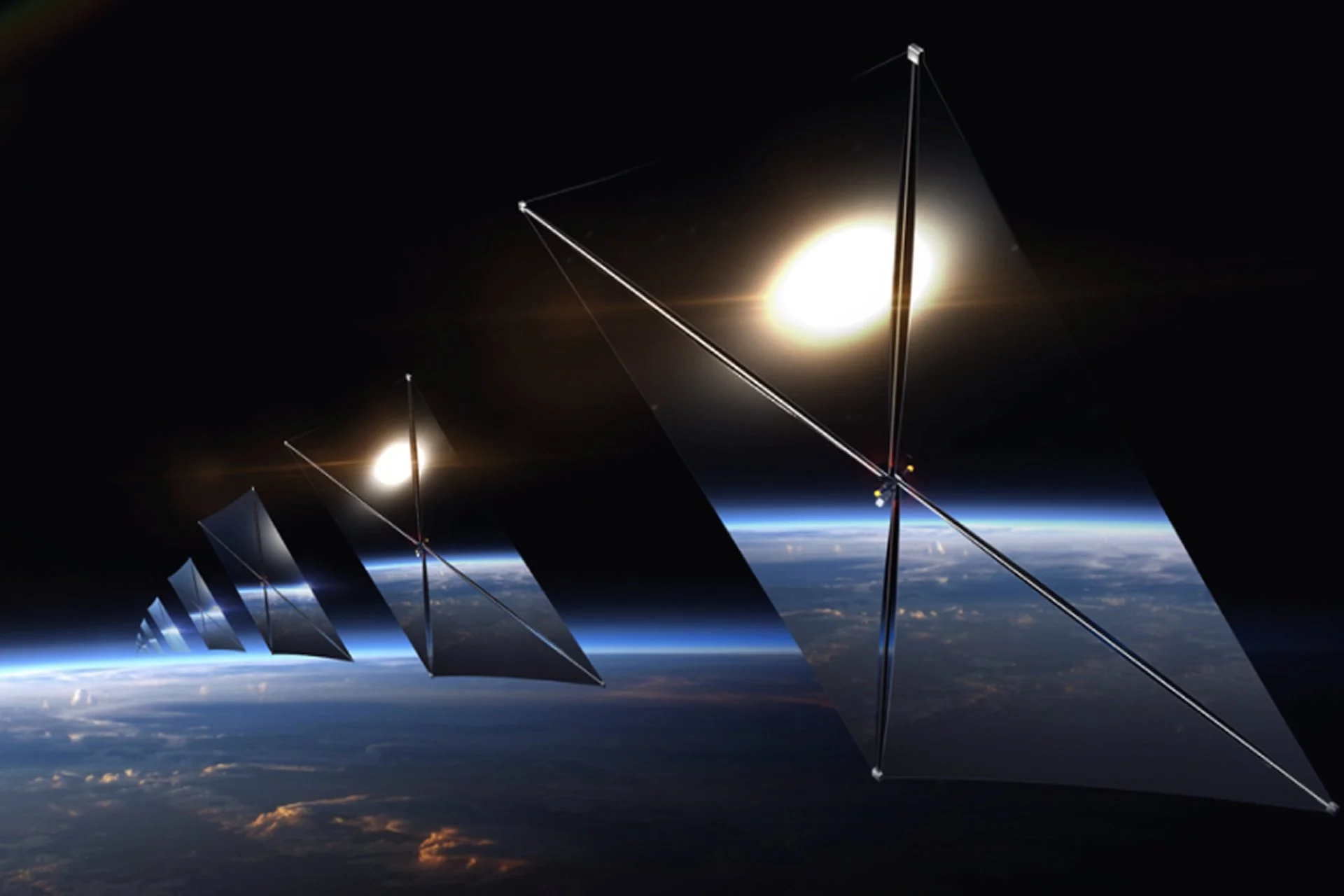
- July 10, 2025: The FCC grants Reflect Orbital a license to launch Earendil-1, a 60-by-60-foot prototype mirror satellite designed to reflect sunlight to Earth.
- Late 2025 (Projected): Earendil-1 is scheduled for launch, serving as the proof-of-concept for a potential fleet of 50,000 mirrors.
- Future Outlook: Astronomers anticipate that if these deployments proceed as planned, the "twilight observing window"—the most critical time for detecting near-Earth asteroids and deep-space phenomena—will be permanently compromised.
The Mirage of Utility: Supporting Data and Projections
The economic arguments for these projects are compelling on paper. Earth-based data centers consume vast quantities of water for cooling and place heavy burdens on local power grids. Proponents argue that placing this infrastructure in space, where cooling is passive and solar energy is abundant, is a sustainable evolution.
However, the scientific community argues that the cost is too high. Samantha Lawler, an astronomer at the University of Regina, has led computer modeling efforts to visualize the impact of these fleets. Her findings suggest that the satellites will not just be numerous; they will be blindingly bright.
"The scattered light from that ring would continue brightening the sky for up to two hours after it sinks below the horizon," Lawler noted. Her simulations show that in certain regions, particularly near the equator, these satellites would form an "X" shape in the sky as different orbital planes intersect, moving across the horizon twice daily.
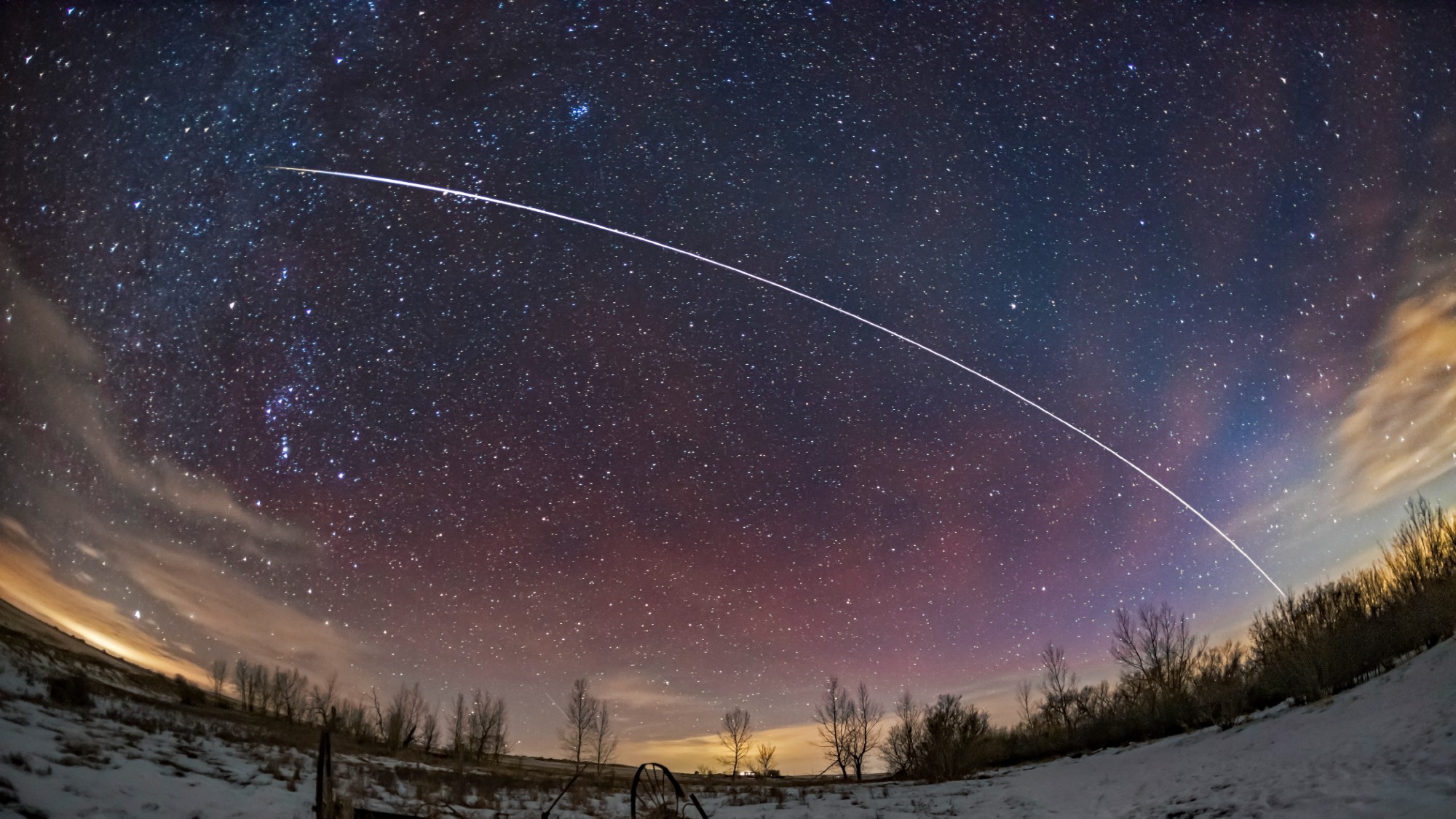
The European Southern Observatory (ESO) has provided data indicating that a fleet of 50,000 mirrors, as envisioned by Reflect Orbital, would increase the brightness of the night sky by up to 300 percent. For professional observatories, this represents an insurmountable barrier. Many telescopes, designed to capture the faint light of distant galaxies, would be rendered obsolete by the constant presence of these artificial "stars."
Official Responses and Regulatory Gaps
The licensing process has become a major point of contention between private enterprise and the scientific community. The American Astronomical Society (AAS) has been vocal in its opposition, particularly regarding the FCC’s recent approval of the Earendil-1 mission.
In a formal statement, the AAS highlighted risks that extend beyond astronomy: "This harm could include damage to sensitive research telescope equipment, potential flash-blinding of pilots and drivers, and… potential permanent eye damage to anyone looking through a mid-sized telescope."
Crucially, the FCC’s official response to these concerns has been that such impacts fall outside their regulatory mandate. In their "Order and Justification" for the license, the Commission stated: "The Commission’s rules do not address the protection of optical astronomy, and thus we decline to interpret commenters’ concerns in connection with the Commission’s mandate."
This response has left a gaping regulatory void. Currently, there is no international body or national agency with the authority to weigh the environmental and cultural value of a dark sky against the commercial benefits of orbital expansion. Robert Massey, executive director of the U.K. Royal Astronomical Society, described the situation as a "bad precedent" that facilitates the full-scale deployment of megaconstellations without adequate oversight.
The Ethical and Scientific Implications
The implications of this "ringed planet" status are profound. We are no longer just talking about a few satellites that can be filtered out of astronomical data; we are talking about a permanent, physical alteration of the human experience.
1. The Loss of Scientific Discovery
The search for "Near-Earth Objects" (NEOs)—asteroids that could potentially strike our planet—is one of the most critical functions of modern astronomy. A crowded, bright sky makes the detection of these objects significantly more difficult. If the night sky is consistently illuminated by reflective satellite tracks, our "early warning system" for planetary defense could be severely weakened.
2. The Cultural and Existential Toll
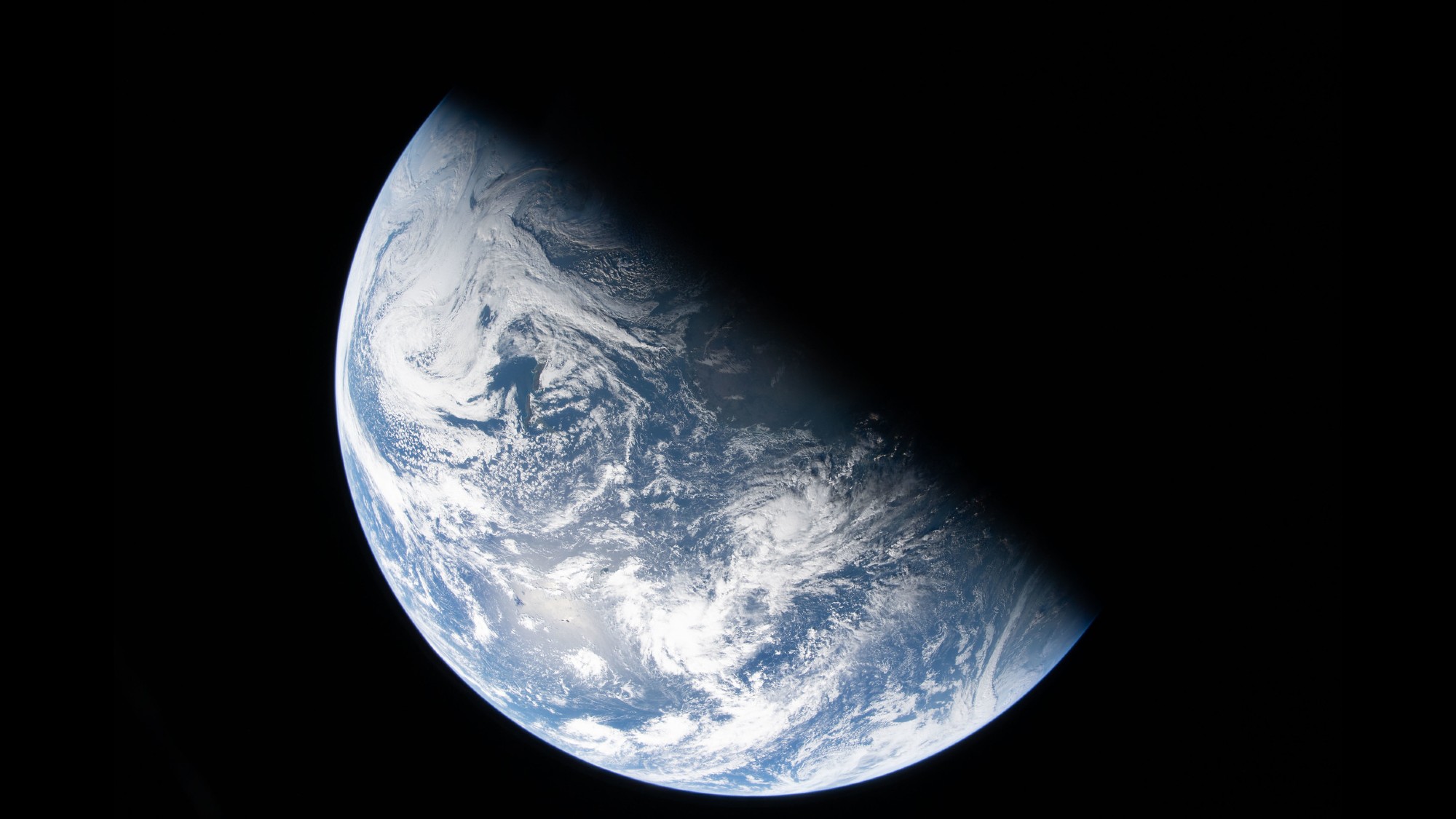
John Barentine, a noted dark sky advocate, emphasizes that the issue is not merely technical. "Humanity has already fundamentally altered the cosmos to the point where Earth is now an artificial ‘ringed planet’ choked by satellites and space debris," he says. "We aren’t talking about a just scattered field of bright, moving dots anymore. Rather, this is a permanent, artificial ‘ring of Saturn’ effect."
3. The Failure of Mitigation
While SpaceX has previously experimented with "dark paint" and sunshades to minimize the reflectivity of its Starlink satellites, these efforts have been undermined by the increasing size of new hardware. Modern satellites are now ten times heavier than their predecessors, and their increased surface area makes them inherently brighter, regardless of anti-reflective coatings.
Conclusion: A Turning Point for Humanity
The rapid privatization of the final frontier has outpaced our ability to regulate it. As Reflect Orbital and other firms move toward their launch dates, the scientific community is making a final, desperate plea for a pause. They argue that once these constellations are in orbit, they are effectively permanent, as the current technology for active debris removal is nowhere near the scale required to clear a million satellites.
The question currently facing the global community is whether the convenience of space-based data and artificial light is worth the sacrifice of the stars. If the current trajectory holds, future generations may look up at night to see not the vast, silent majesty of the Milky Way, but a buzzing, luminous cage of human industry. The decision to proceed is not just a policy choice; it is a fundamental shift in our relationship with the universe, one that may leave us significantly more isolated from the cosmos than we have ever been.