By Analysis Desk
July 22, 2026
As Apple approaches the 20th anniversary of the iPhone—the device that fundamentally redefined the modern mobile landscape—the company is once again preparing to shift the paradigm of consumer technology consumption. Starting next week, Apple will launch a strategic partnership with the fintech giant Klarna, allowing U.S. customers to spread the cost of high-end hardware over a period of up to three years.
This move marks a critical evolution in Apple’s business strategy, moving the tech titan closer to a full-scale “Hardware-as-a-Service” (HaaS) model. By decoupling the high upfront cost of premium devices from the act of ownership, Apple is positioning itself to maintain its aggressive upgrade cycle, even in the face of significant macroeconomic headwinds and rising manufacturing costs.
Main Facts: The New Financial Architecture
The essence of the Apple-Klarna arrangement is to offer a subscription-like payment structure for hardware, effectively lowering the barrier to entry for the company’s most expensive products. Under this new initiative, users can secure the latest iPhones, iPads, and MacBooks for a manageable monthly fee, rather than a significant one-time capital expenditure.
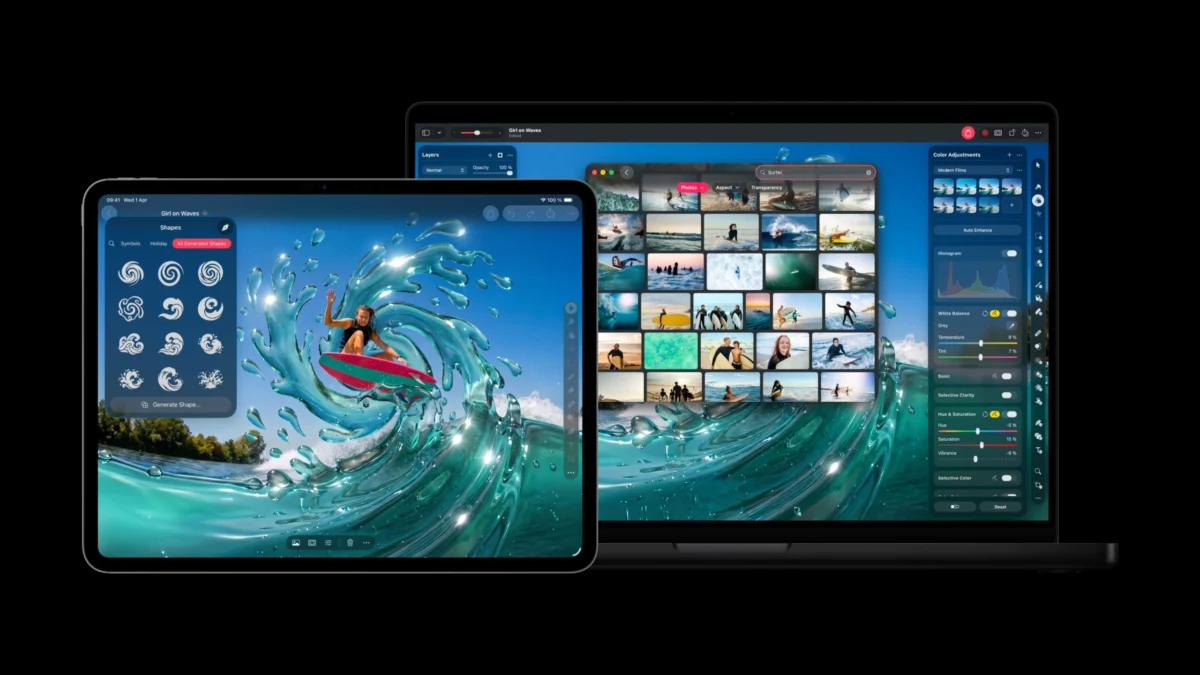
While this brings Apple’s hardware in line with the subscription-heavy nature of its software ecosystem—including Apple One and Creator Studio—there is one notable omission: AppleCare. Customers opting for the Klarna payment plan will still need to purchase extended service coverage as an add-on. Furthermore, the program will not apply to the entire catalog; entry-level devices such as the Apple Watch SE, the base-model iPad, and the current iPhone 16 are excluded. Apple clearly views these products as accessible enough to maintain steady sales without the need for financing assistance.
A Decade in the Making: The Chronology of HaaS
The transition to a service-oriented business model has been a long-term project for Cupertino.
- 2016–2018 (The Services Pivot): Under CEO Tim Cook, Apple began aggressively expanding its services revenue, setting ambitious multi-billion dollar targets. This era saw the introduction of the Apple Upgrade Program, the first real step toward normalizing the idea of annual device replacement.
- 2022–2024 (The Failed Internal Bid): Apple toyed with the idea of building an in-house “Buy Now, Pay Later” (BNPL) engine. However, as global interest rates climbed and the risk profile of consumer lending shifted, Apple ultimately shelved its proprietary financial infrastructure in 2024.
- 2025 (The Inflationary Shift): A combination of AI-driven memory costs (“RAM-ageddon”) and supply chain pressures forced Apple to raise prices across its Mac and iPad lines. These price hikes threatened to dampen consumer appetite, necessitating a new strategy to protect the upgrade cycle.
- 2026 (The Klarna Partnership): With the upcoming launch of a $2,500 foldable iPhone and expected price hikes for the iPhone 17 series, the partnership with Klarna represents a pragmatic solution to ensure market penetration in an uncertain economy.
Supporting Data: Why Now?
The economic climate of 2026 is defined by volatility. The intersection of rising inflation and the high cost of advanced AI-capable hardware has created a "perfect storm" for consumers.
IDC analyst Francisco Jeronimo notes that the timing is not accidental. “Apple Upgrade lands at precisely the moment Apple needs it,” Jeronimo wrote in a recent advisory. With the cost of memory spiking due to the demands of advanced AI processing, Apple has been forced to pass these costs onto the consumer.
Key Market Indicators:

- Installed Base: Apple currently boasts an active global hardware installed base exceeding 2.5 billion devices.
- Services Revenue: Services have become the company’s second-largest revenue driver, trailing only the iPhone. With over 1 billion paid subscriptions globally, the ecosystem is primed for this transition.
- The "Access over Ownership" Trend: Consumer resistance to renting or leasing hardware has plummeted compared to the last decade, mirroring broader trends seen in the automotive industry, where manufacturers like GM are aggressively pushing subscription-based features and financing models.
Strategic Implications: Risk Management and Circular Economy
By opting for a third-party partnership with Klarna rather than acting as the lender itself, Apple is employing a masterclass in risk management.
Offloading Financial Risk
By utilizing Klarna’s infrastructure, Apple captures the demand upside—the ability to keep selling premium devices—without absorbing the credit risk onto its own balance sheet. In an era where central bank rates remain unpredictable, this move shields Apple’s stock price and balance sheet from the volatility of consumer loan defaults.
The Circular Economy and EOL Control
Perhaps the most significant long-term implication is the control this gives Apple over the "End-of-Life" (EOL) cycle of its devices. By effectively leasing the devices, Apple retains a tighter grip on the second-hand market.
- Refurbishment: Apple gains a steady stream of trade-ins, which can be professionally refurbished and sold again, expanding the company’s reach into the budget-conscious segment of the market.
- Recycling: As a leader in sustainability, Apple can ensure that rare earth materials are reclaimed from returned devices more efficiently than if those devices were lost in the chaotic "grey market" of independent resale.
Market Outlook: The Subscription Society
We are witnessing a fundamental shift in the definition of consumer ownership. As technology becomes more sophisticated and expensive, the concept of paying once and owning for five years is becoming obsolete.
Critics argue that this creates a "subscription trap," where consumers never truly own their devices. However, proponents suggest that this is the only way to democratize access to cutting-edge AI technology. By reframing a $2,000 device as a $60-a-month utility, Apple is transforming its hardware into a service, ensuring that its users remain locked into the ecosystem for the long haul.
As Jeronimo observed: “Reframing a device as a low monthly payment protects that [upgrade] cadence and allows Apple to start marketing their products as device-as-a-service to consumers, which no other vendor was ever able to do.”
The "One More Thing" Factor
This strategy also sets the stage for future hardware bundles. It is not difficult to imagine a near-future where a single monthly payment covers an iPhone, an Apple Watch, and a full suite of cloud services, including AI compute power.
As we look toward the next twenty years of Apple, the company is clearly betting that its customers will prioritize the convenience of a monthly bill over the traditional concept of hardware ownership. Whether this shift will continue to buoy Apple’s stock in the face of global economic uncertainty remains the primary question for investors and analysts alike. For now, the "Hardware-as-a-Service" experiment is set to begin in earnest, and the rest of the tech industry will undoubtedly be watching.