Date: August 26, 2026
Subject: The Evolution of DoD Zero Trust Architecture (ZTA)
As the Department of Defense (DoD) approaches the two-year horizon for its mandated Zero Trust (ZT) compliance deadlines, the strategic focus is shifting from a foundational rollout to a complex, multi-layered expansion. While the initial phase of Zero Trust implementation centered on securing user identities and enterprise-level devices, the next iteration is far more ambitious: integrating industrial control systems, weapon platforms, and the precarious environment of the tactical edge into a unified security architecture.
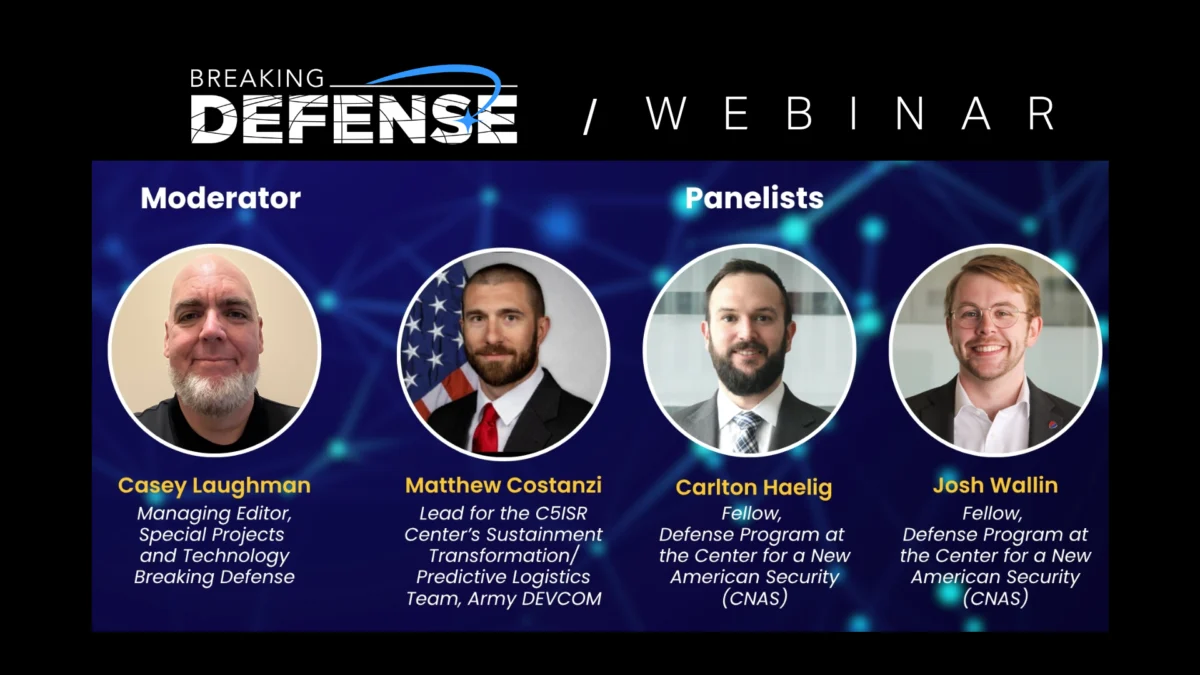
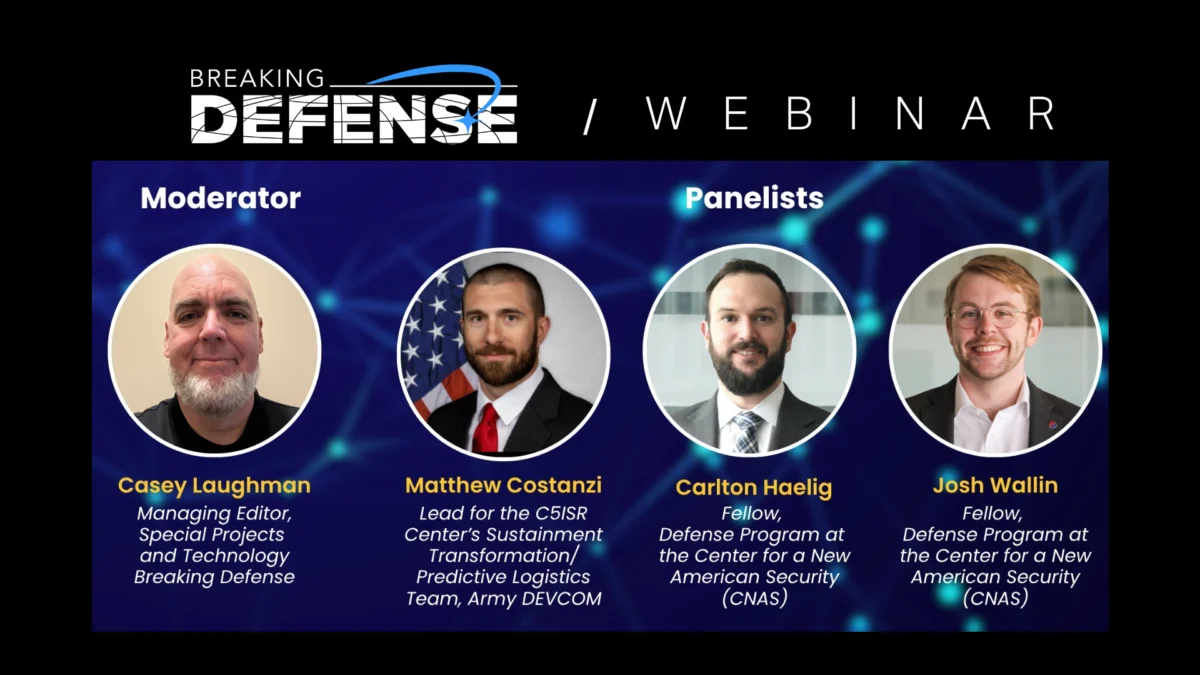
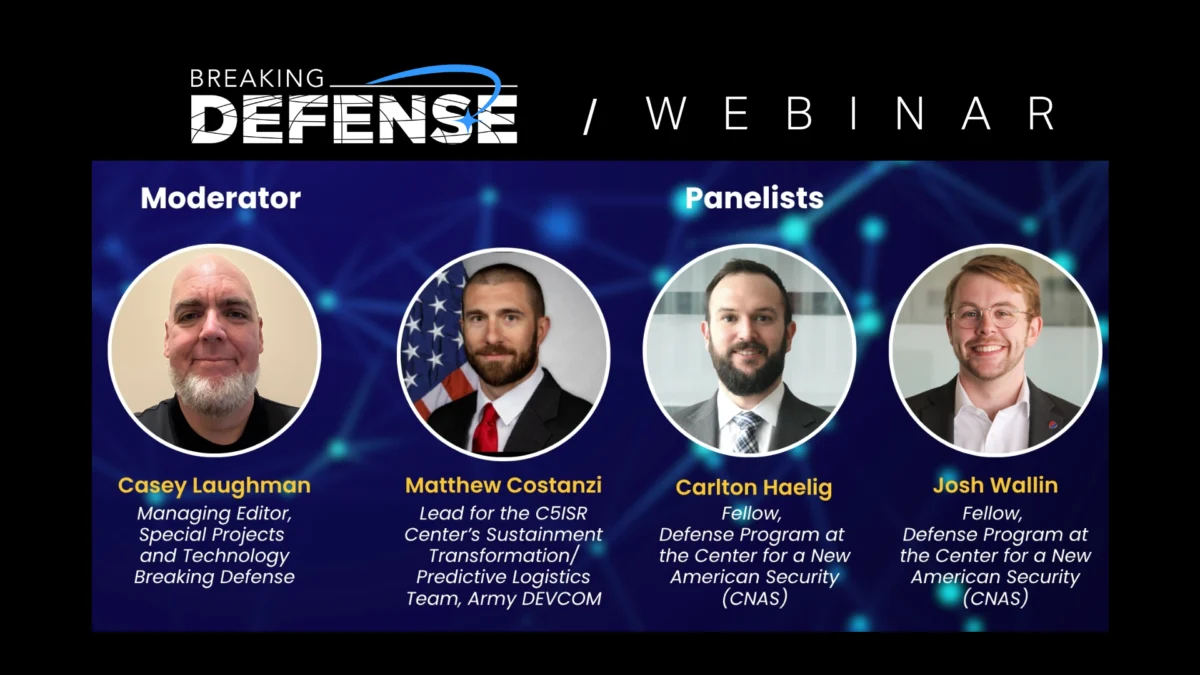
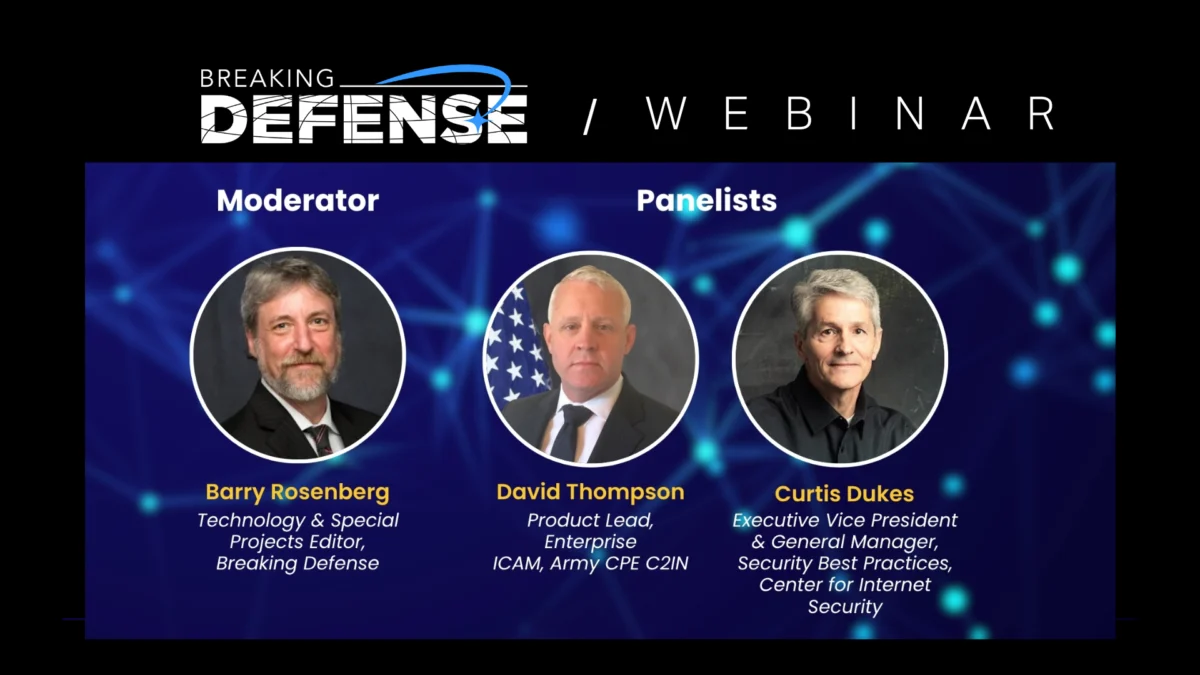
On August 26, 2026, industry leaders and defense officials will convene for a critical webinar, “Zero Trust Leaders to Level Set Status and Discuss New Initiatives,” to examine the state of these transitions. As the threat landscape evolves, the DoD’s ability to "never trust, always verify" must now extend beyond the server room to the front lines of global conflict.
The Strategic Imperative: Beyond IT Systems
The Pentagon’s journey toward Zero Trust has been defined by a fundamental shift in philosophy. For decades, defense networks relied on the "castle-and-moat" model, where security was focused on perimeter defense. However, the rise of sophisticated nation-state cyber actors and the proliferation of remote work necessitated a transition to ZT, where security is pervasive, dynamic, and identity-centric.
Moving Beyond Users and Devices
While the DoD has made significant strides in securing traditional IT networks—ensuring that every user and device is verified before accessing specific resources—the next stage of implementation is far more daunting. Current initiatives are targeting the integration of Operational Technology (OT), including industrial control systems (ICS) that manage utility grids and logistics hubs, as well as the Internet of Things (IoT) sensors embedded throughout defense installations.
Perhaps most critical is the move to apply Zero Trust principles to weapon systems. As modern weapon platforms become increasingly interconnected and software-defined, they represent the next frontier of cyber-vulnerability. Securing these systems against unauthorized lateral movement is now a top-tier priority for the DoD Chief Information Officer (CIO) and the various service branches.
Chronology of the Zero Trust Mandate
To understand where the DoD is headed, one must look at the timeline that brought the defense enterprise to this juncture.
- 2021-2022: The Foundation. Following the catastrophic SolarWinds breach, the White House issued Executive Order 14028, mandating that federal agencies move toward Zero Trust. The DoD responded with the publication of the DoD Zero Trust Strategy and Roadmap, outlining a vision for a secure, data-centric enterprise.
- 2023-2024: The Pilot Phase. The services began implementing "Target Level" Zero Trust capabilities. This involved intense focus on Identity, Credential, and Access Management (ICAM) and the hardening of enterprise endpoints.
- 2025: The Integration Challenge. As implementation progressed, the limitations of IT-only security became apparent. Agencies began grappling with the interoperability of legacy OT systems, which were never designed with modern cybersecurity protocols in mind.
- 2026: The Tactical Pivot. The current year represents a turning point. The focus has moved toward the "Tactical Edge," where bandwidth is constrained, connectivity is intermittent, and the risk of physical capture of hardware is a constant threat.
Supporting Data: Measuring Success in a Complex Ecosystem
A primary challenge facing defense leadership today is the quantification of ZT success. Traditional metrics—such as the number of patches deployed or the number of blocked phishing attempts—are insufficient for evaluating the maturity of a Zero Trust architecture.
During the upcoming panel discussions, experts will likely highlight the shift toward outcome-based metrics. These include:
- Mean Time to Containment (MTTC): How quickly can a breach be isolated once an anomaly is detected within a segmented ZT environment?
- Resource Authentication Latency: Can the system verify access requests in milliseconds without impeding mission-critical operations?
- Policy Compliance Coverage: What percentage of total enterprise assets (IT, OT, and weapon systems) are currently covered by active, enforced ZT policies?
As the DoD pushes toward full compliance, these metrics will determine which services are leading the pack and which areas require additional funding or technological intervention.
Official Perspectives and Service Coordination
The DoD’s Zero Trust mandate is not a monolithic effort; it is a collaborative, albeit complex, orchestration across the Army, Navy, Air Force, Marine Corps, and Space Force. Each branch faces unique challenges.
For the Space Force, Zero Trust is a matter of orbital security, where the delay in signal transmission necessitates decentralized verification mechanisms. For the Navy, ZT must account for shipboard environments that may operate in "disconnected, intermittent, and low-bandwidth" (DIL) states.
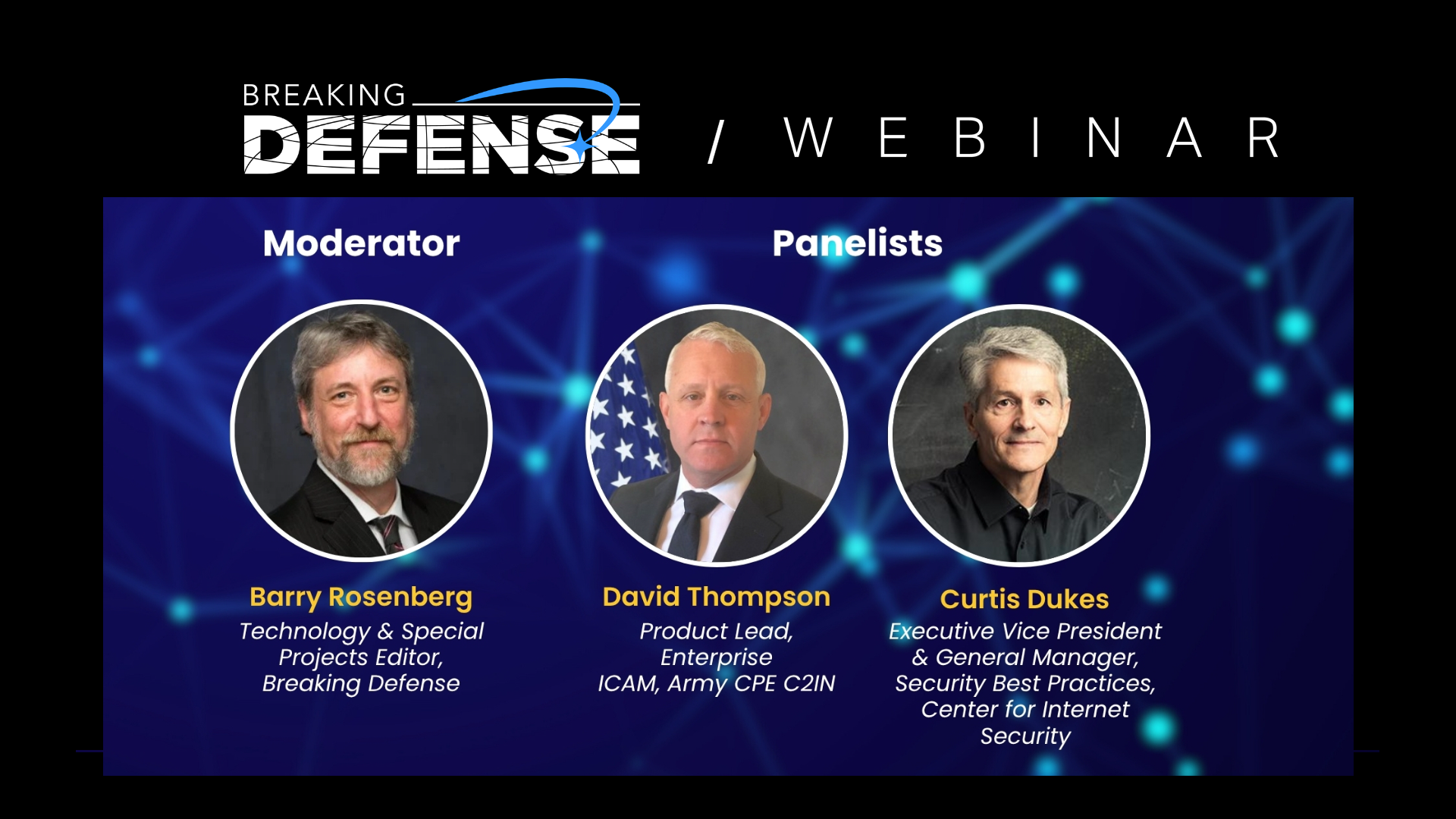
Defense officials have emphasized that ZT is not merely a product that can be purchased; it is a cultural shift. The "coordination" aspect mentioned in the webinar agenda is paramount. The DoD CIO’s office acts as the architect, but the execution rests on the shoulders of the service-level commands, who must ensure that their specific mission requirements—whether it be flight-line maintenance or battlefield communications—are not hindered by security constraints.
Implications: Zero Trust at the Tactical Edge
The most significant takeaway for the coming year is the application of Zero Trust in the "Tactical Edge." In a forward-deployed combat zone, the traditional cloud-based authentication servers may not be accessible.
Decentralization vs. Security
The industry is currently researching how to push ZT policy enforcement points closer to the warfighter. This implies:
- Edge Compute Security: Utilizing local authentication caches that allow devices to verify identities without reaching back to a central Pentagon server.
- Hardware-Rooted Trust: Leveraging Trusted Platform Modules (TPMs) embedded directly into weapon systems to ensure that the code running on a platform has not been tampered with.
- Resilience under Fire: Ensuring that even if a communication link is severed, the Zero Trust policies remain active to prevent unauthorized access to local tactical networks.
The challenge is to balance security with "mission agility." A security policy that is too rigid could result in a soldier being unable to access critical target data during a firefight. Therefore, the development of Context-Aware Policies—which adjust security stringency based on the current mission status—is the holy grail of modern defense cybersecurity.
Professional Development and CPE Credits
For professionals participating in the upcoming webinar, the event provides more than just strategic insights. It offers 1 CPE (Continuing Professional Education) credit in the field of Business Management & Organization.
The inclusion of CPE credits underscores the professionalization of the cybersecurity workforce within the defense industrial base. Understanding the nuances of ZT implementation is no longer just a technical requirement for IT staff; it is a foundational knowledge requirement for program managers, acquisition officers, and defense contractors.
Learning Objectives for Participants:
- Grasp the Macro-Architecture: Understand how the DoD’s ZT roadmap intersects with broader national security initiatives.
- Operationalize Security: Learn how to translate high-level CIO directives into tangible, daily operational security workflows.
- Identify Emerging Tech: Gain insights into the role of AI and machine learning in automating threat detection within Zero Trust architectures.
Conclusion: The Path Forward
As the August 26, 2026, webinar will illustrate, the Pentagon’s commitment to Zero Trust is absolute, but the execution remains an ongoing struggle against technological inertia and an evolving threat landscape. The transition from IT systems to weapon systems and the tactical edge is the most critical hurdle the Department has faced to date.
The success of these efforts will ultimately define the DoD’s posture in the next decade of "great power competition." By moving beyond the initial compliance phase and focusing on the deep, structural integration of Zero Trust across all domains—from the data center to the cockpit—the DoD is building a resilient, adaptable, and highly secure foundation for the future of warfare.
For defense contractors, service members, and cybersecurity professionals, the message is clear: the era of assuming safety behind a firewall is over. The era of continuous, rigorous, and automated verification has arrived, and it is here to stay.
To participate in the live discussion and engage with the leaders spearheading these initiatives, industry stakeholders are encouraged to attend the August 26, 2026, session. Active participation in polling questions is required for CPE credit eligibility.