SANTA CLARA, Calif. — For years, the Altera name was buried under the massive, bureaucratic shadow of Intel’s Programmable Solutions Group (PSG). Today, however, the brand is not only back—it is moving with a velocity that has surprised industry analysts and competitors alike.
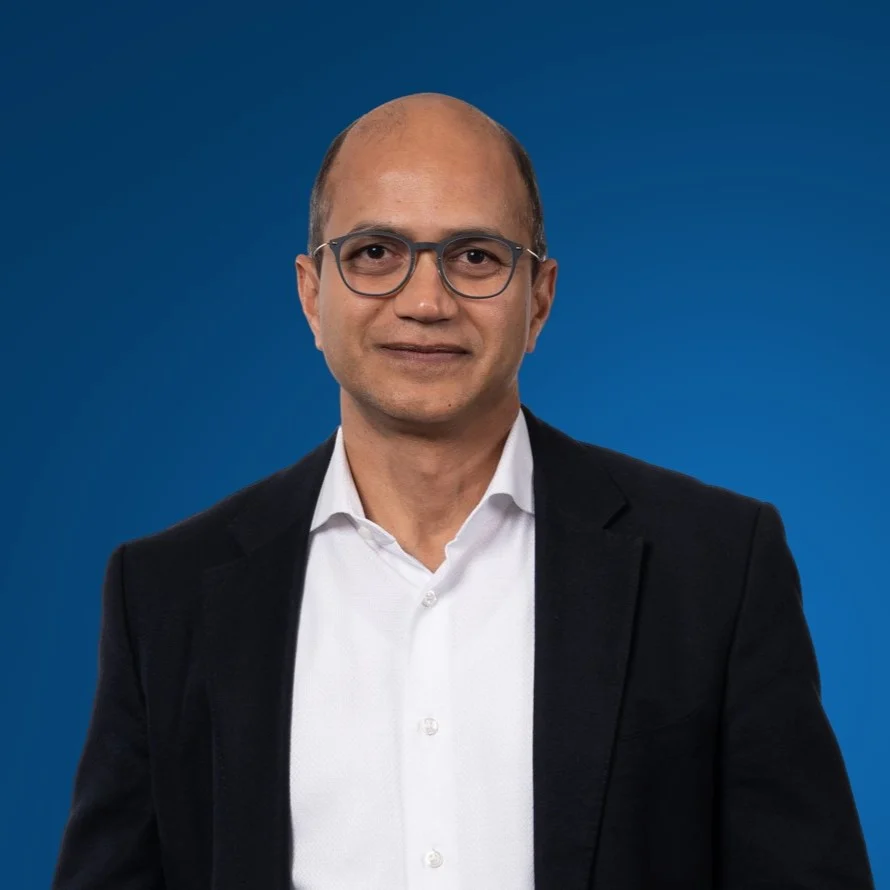
A little over a year into his tenure as CEO, and nine months removed from the formal independence of the company from its former parent, Raghib Hussain has executed a radical transformation. By shedding the "baggage" of a multi-layered corporate giant and fostering a culture of agility, Hussain has steered Altera toward a period of record-breaking productivity. With six tape-outs in just three months—half of which were ahead of schedule—and a 60% reduction in product returns (RMAs), Altera is proving that, for a chipmaker, speed and precision are the ultimate competitive advantages.
The Mandate for Execution: From Intel Subsidiary to Agile Independent
When Hussain first took the reins, his diagnosis of the company’s ailments was blunt: Altera was suffering from a terminal lack of focus on execution. Under the Intel umbrella, the business had become synonymous with slow decision-making, excessive hierarchy, and a risk-averse culture that stifled innovation.

"Full independence was needed to implement our culture, our style, without anyone telling us what to do," Hussain told EE Times. "I’m super happy with our Silverlake partnership, which gives us full freedom to do the right thing for the business."
The transition, which involved disentangling from 125 transitional service agreements (TSAs) with Intel, has been a massive logistical undertaking. With 110 of those agreements now terminated, the company is finally operating on its own infrastructure, from IT systems to engineering compute platforms. For Hussain, this wasn’t just a corporate separation; it was a "reset." He compares the process to moving house: a rare opportunity to audit every legacy process and ask, "Do we really need this?"
Chronology of the Turnaround
The transformation of Altera did not happen overnight, but it followed a deliberate, accelerated path:

- Pre-Independence (The Intel Era): The business struggled with a bureaucratic structure that featured up to 12 layers of management, leading to a perception that chip tape-outs were multi-year, arduous marathons rather than efficient engineering sprints.
- The First 90 Days: Hussain initiated a top-down cultural shift, replacing the "it can’t be done" attitude with a "yes, we can" mindset. He began the process of severing the 125 TSAs with Intel.
- The Six-Month Mark: The leadership team was overhauled. Hussain personally interviewed at least 20 candidates for every key position to ensure that passion, not just a paycheck, was the primary motivator for new hires.
- The Nine-Month Milestone (Current): The company achieved a landmark tape-out for its next-generation product in just nine months and two weeks—a process that historically would have taken at least 18 months. Simultaneously, the company successfully stockpiled years’ worth of DRAM, anticipating supply chain volatility that might have crippled a less agile organization.
Supporting Data: Efficiency Metrics and Financial Health
The proof of this cultural and structural shift lies in the data. Under Hussain, the "normal" pace of Altera’s development has been shattered.
Engineering Discipline
Historically, an Altera tape-out was a four-year undertaking. Today, the team is compressing portfolio development cycles from the industry-standard five-to-seven-year window down to three years. The most telling statistic is the company’s recent streak: six tape-outs in three months, three of which were completed ahead of schedule.
Operational Excellence
Beyond R&D, the company has seen a 60% drop in Return Merchandise Authorizations (RMAs). This is a direct reflection of the improved focus on quality control and the shortening of the distance between the customer’s needs and the engineer’s workbench.

Financial Performance
The financial results are equally compelling. Revenue is growing in the 20% range annually, and the company has successfully doubled its cash balance since becoming independent. Furthermore, Altera has already secured 68% of its design-win goals for 2026, signaling that the market is responding favorably to the new, more accessible version of the company.
Official Responses and Strategic Shifts
Hussain’s management philosophy is centered on the belief that "there are no bad engineers, only bad management." By eliminating roughly half of the internal hierarchy and flattening the organization into two distinct pillars—sales support and engineering—he has effectively removed the "middlemen" who previously obscured customer feedback.
"When I came in, there were four or five layers between the customer and final engineering," Hussain noted. "Many times, things didn’t even get to our engineering teams, so they didn’t know the actual issues. Throughout my career, I have worked very closely with the customer because unless you do that, you won’t understand the real problem."

This direct line to the customer has been critical. By visiting "difficult" clients—those who haven’t used Altera in over a decade—Hussain is gathering raw, unfiltered feedback. The common refrain from these customers is a simple, yet powerful acknowledgment: "Finally, Altera is back."
Implications for the Future: Markets and Momentum
The pivot is not just about doing old things faster; it is about attacking new, high-growth markets. Altera is aggressively positioning its FPGAs for roles in robotics, drones, and embedded AI. These sectors represent a significant revenue opportunity, with FPGA content potentially reaching several hundred dollars per unit in advanced robotics. While these products are currently in the R&D pipeline, their impact on the balance sheet is expected to materialize by 2028-2029.
The company’s brand identity is also undergoing a physical transformation. The "Intel-i" has been stripped away, and a refreshed logo is appearing on products as they hit the market. It is a symbolic move to remind the industry that Altera is an independent, dedicated FPGA house, not a secondary priority within a larger microprocessor company.

The "Tree" Metaphor
Despite the monumental progress, Hussain acknowledges that the work is far from finished. Looking out from his fifth-floor office, he can see the Intel headquarters, though it is partially obscured by trees. His comment—"We just need those trees to grow a little bit"—serves as a metaphor for the company’s evolution.
The goal for the coming year is to create a "humming system": a self-sustaining, independent, high-performance organization. By shedding the baggage of the past and refusing to be defined by the limitations of its former parent, Altera is positioning itself not just to participate in the future of semiconductors, but to lead it.
As the industry watches, the question is no longer whether Altera can survive outside of Intel, but how much market share it can reclaim as it proves that a focused, lean, and customer-obsessed organization can outmaneuver the giants. With its current momentum, the "Altera Renaissance" is no longer a corporate goal—it is a measurable reality.