Introduction: The Rise of the Agentic Developer
In the rapidly evolving landscape of software engineering, the emergence of "agentic coding" has fundamentally shifted how developers interact with their codebases. At the forefront of this movement is Claude Code, an AI-powered command-line interface (CLI) that transformed the terminal into an autonomous collaborator. By bridging the gap between natural language intent and execution, these tools allow developers to describe complex architectural changes, file edits, and terminal commands, which the AI then executes independently.
However, as the adoption of these tools grows, so does the scrutiny regarding cost, flexibility, and architectural constraints. A coding agent is only as good as its "harness"—the orchestration layer that manages file system access, context window management, tool execution, and multi-step reasoning. While Claude Code set the benchmark, many developers are finding that a "one-size-fits-all" model-locked approach is insufficient for diverse professional workflows. This article explores the top seven alternatives to Claude Code, evaluating them on the criteria of model flexibility, extensibility, and their capacity to integrate into modern development environments.
The Core Problem: Why Look Beyond the Market Leader?
The primary limitation of many proprietary coding agents is the "walled garden" effect. When a tool is tightly coupled with a single model provider, developers face two significant hurdles: high recurring costs and a lack of local execution capability. For developers working on proprietary or sensitive codebases, the ability to run local models (via Ollama or LM Studio) is not just a preference—it is a security requirement. Furthermore, power users demand deeper customization of the "harness"—the ability to inject custom plugins, fine-tune agent memory, and define specific coding standards that the agent must adhere to across sessions.
1. OpenCode: The Flexible Powerhouse
OpenCode distinguishes itself by offering a truly agnostic approach to the development lifecycle. Unlike tools that restrict you to a specific cloud model, OpenCode is designed for flexibility.
Key Features and Workflow
OpenCode functions seamlessly across terminal interfaces, IDEs, and dedicated desktop applications. Its standout feature is its intelligent integration of language servers, which allows it to maintain a deep, context-aware understanding of your codebase. This is a significant leap over agents that treat code as mere text.
- Model Agnosticism: You are not locked into one vendor. If a specific task requires the reasoning capabilities of Claude 3.5 Sonnet, but a simpler task can be handled by a cheaper model or a local Llama-3 instance, OpenCode facilitates this transition without friction.
- Workflow Customization: For teams that need to enforce specific review patterns, OpenCode allows the creation of specialized "Planning" or "Review" agents, effectively automating the PR process before a human even lays eyes on the code.
2. Pi: The Modular Architect
For developers who prefer a minimalist, "do-it-yourself" philosophy, Pi provides a lightweight harness that prioritizes extensibility over bloat.
The Philosophy of Modularity
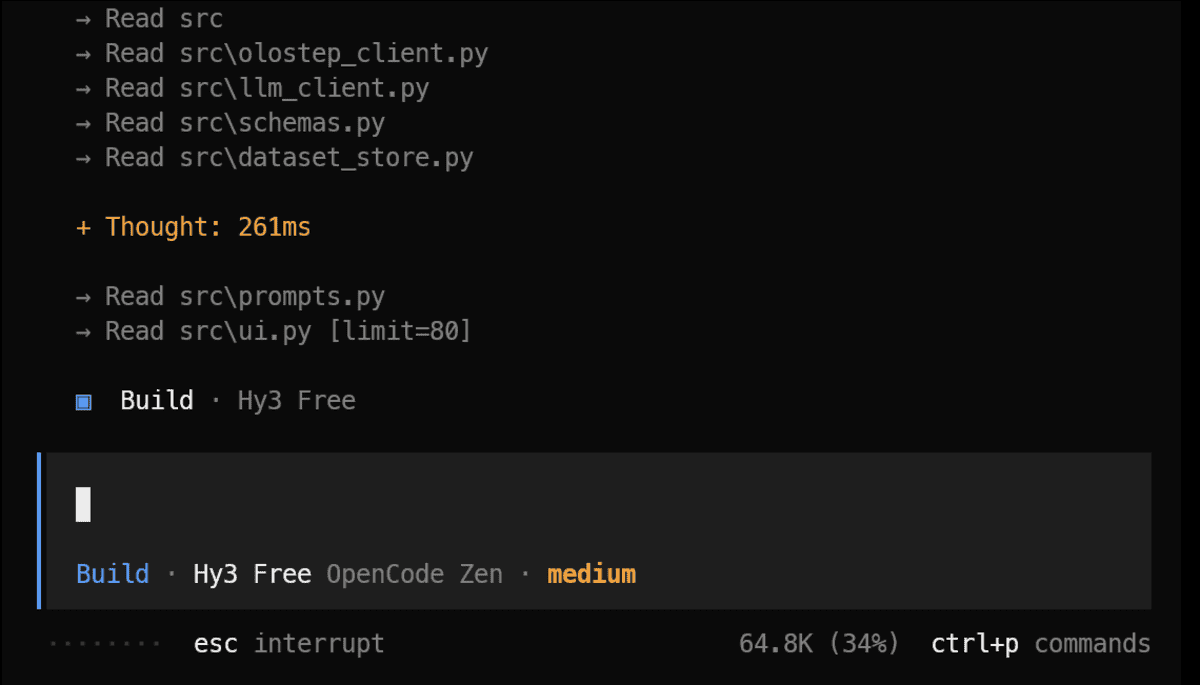
Pi treats the coding agent as a modular system. It ships with a tiny, efficient core system prompt that minimizes token usage, which is essential for managing costs in long-running sessions. Users can then augment the agent with "Skills" and "Extensions."
- Multi-Model Switching: Pi supports over 15 providers, including Anthropic, Google, and Kimi. The ability to switch models mid-session is a game-changer for developers who encounter a bottleneck and need to switch to a more capable reasoning model to debug a complex race condition.
- Customization: While it requires more setup than a "plug-and-play" tool, Pi is arguably the best choice for engineers who want to build a personalized coding environment tailored to their specific tech stack.
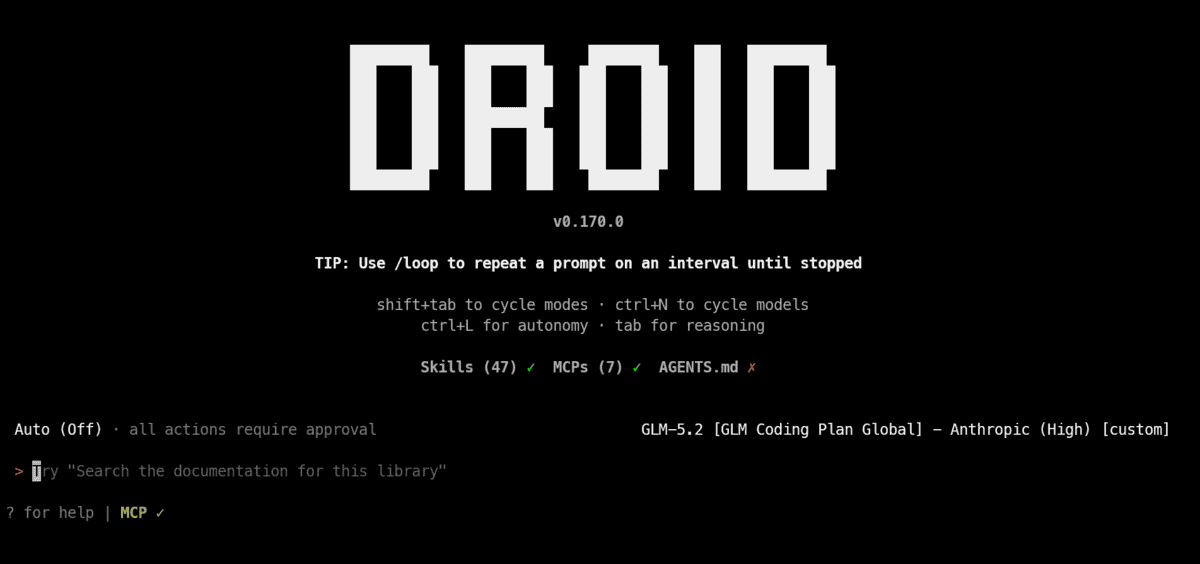
3. Factory Droid: Enterprise-Grade Automation
Factory Droid is designed for the scale of enterprise development. While other agents focus on the individual developer, Factory Droid focuses on the development process.
Implications for CI/CD
The droid exec mode is the crown jewel of this tool. It enables non-interactive, automated execution of complex tasks—perfect for CI/CD pipelines where you need an agent to run tests, identify breaking changes, and suggest patches automatically.
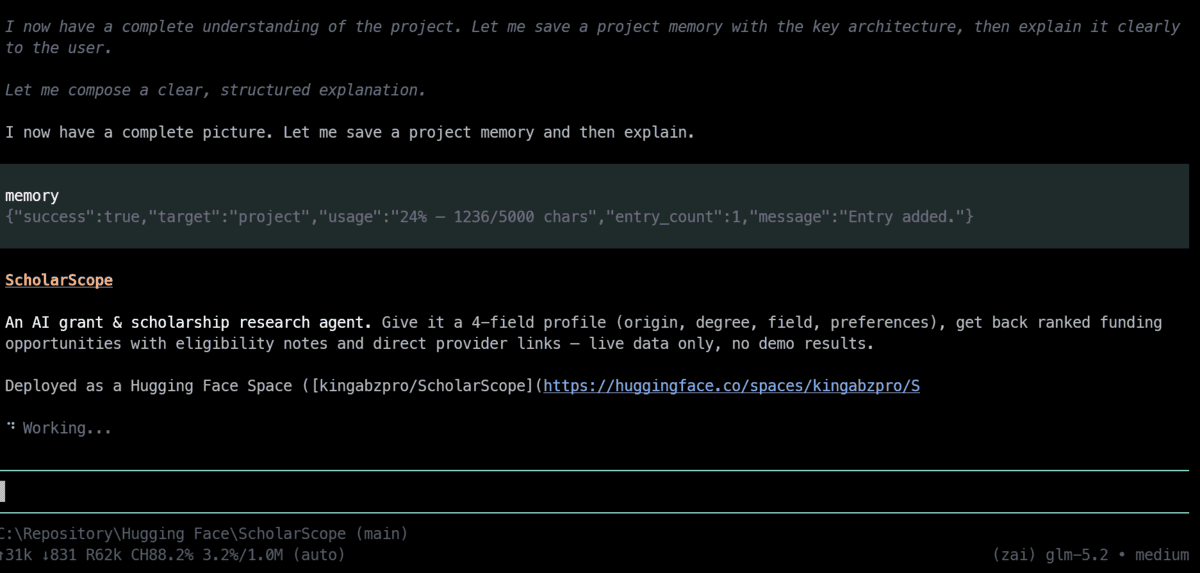
- Mission Control: Factory Missions allow users to decompose massive features into atomic tasks. These tasks are assigned to specialized sub-agents, which report back to the "Mission Commander." This parallelized approach significantly reduces the time-to-completion for large-scale refactoring efforts.
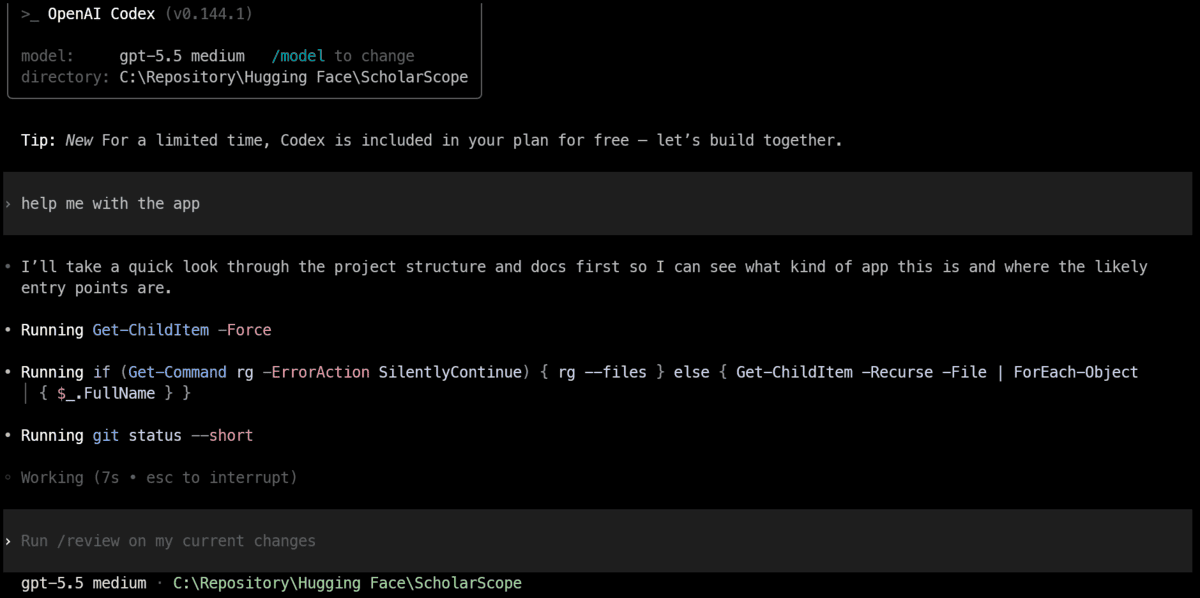
4. Codex CLI: The ChatGPT Ecosystem Play
Codex CLI serves as a reminder that the best tool for the job might already be in your pocket. As an open-source offering from the team behind OpenAI’s models, it leverages the same intelligence that powers ChatGPT.
Why Choose Codex?
For the millions of users already paying for a ChatGPT Plus subscription, Codex CLI offers a value proposition that is hard to ignore. It effectively utilizes the existing usage tiers, meaning you aren’t paying for an additional subscription to get high-level coding assistance. Its integration with sandboxed environments ensures that even with broad access, the agent remains constrained within the boundaries you set.
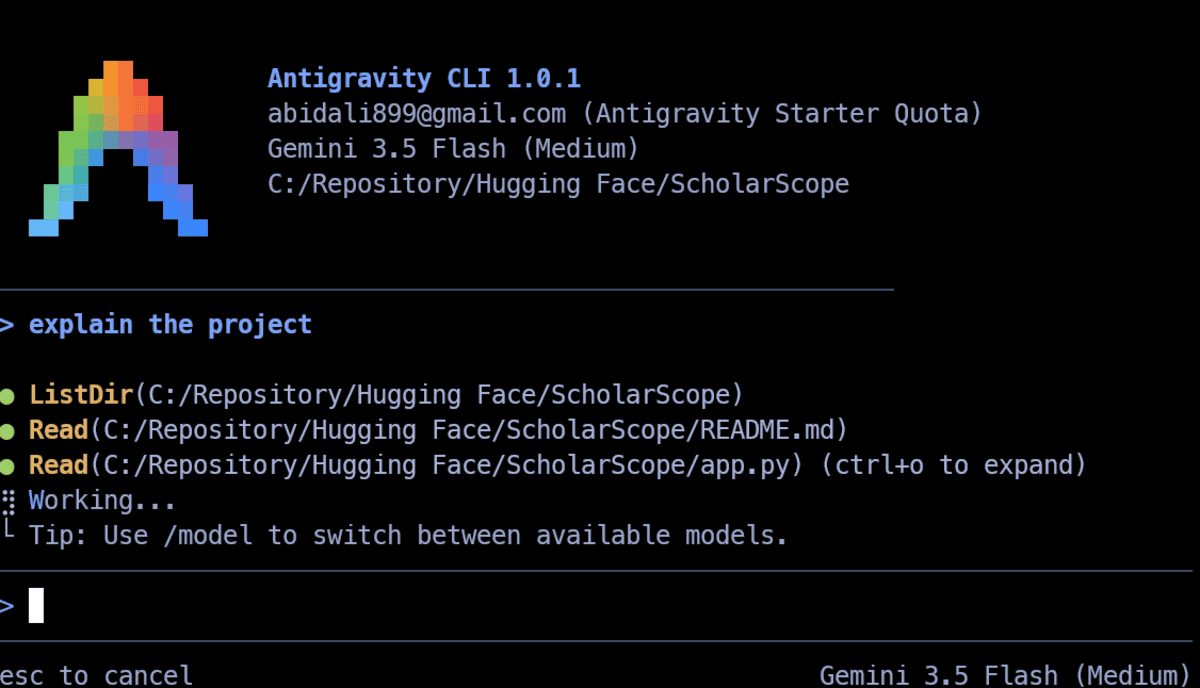
5. Antigravity CLI: Google’s High-Performance Terminal Agent
Antigravity CLI is built by Google, optimized for those who live in the terminal and require high-speed, remote-capable workflows.
Performance and Remote Access
Built with keyboard-first navigation in mind, Antigravity excels in SSH-heavy environments. If you are developing on a remote server or a cloud-based development environment, this tool offers a low-latency experience that many GUI-based agents struggle to match.
- Multi-Agent Orchestration: It allows for non-blocking execution. One agent can be deep-diving into documentation or researching a library’s API, while a second agent is concurrently applying those changes to the codebase. This asynchronous capability is a massive productivity multiplier.
6. Cline: The Cross-Platform Contender
Cline stands out as a versatile, open-source solution that bridges the gap between the terminal and traditional IDEs like VS Code and JetBrains.
The Power of Integration
Cline is unique because it isn’t just a CLI; it is a unified agent experience. By using the same underlying logic across your CLI and your IDE, you maintain a consistent "state" of the project. Its support for parallel sub-agents and a built-in Kanban board makes it the most project-management-friendly tool on this list. It allows developers to visualize their coding tasks as a series of manageable, automated steps.
7. Goose: The Universal Agent
Goose is perhaps the most comprehensive tool on this list. It is an open-source agent designed not just for coding, but for general-purpose automation.
Beyond the IDE
Goose is effectively a "Swiss Army Knife." It connects to over 70 MCP (Model Context Protocol) extensions, allowing it to interact with databases, browser tools, and cloud infrastructure. If your coding task involves more than just writing code—such as updating a database schema, deploying to a staging server, or running a data analysis script—Goose is the most capable orchestrator.
Comparative Data: Selecting Your Agent
| Agent | Best For | Model Support | Key Strength |
|---|---|---|---|
| OpenCode | Flexibility | Agnostic | Language Server Integration |
| Pi | Customization | 15+ Providers | Lightweight/Low Tokens |
| Factory Droid | Teams/CI/CD | Multiple | Mission/Sub-agent Workflow |
| Codex CLI | ChatGPT Users | OpenAI Native | Value/Existing Subscription |
| Antigravity | Remote/SSH | Google/Gemini | High-Speed Async Agents |
| Cline | IDE/CLI Sync | Agnostic | Kanban/Project Management |
| Goose | Automation | 15+ Providers | 70+ MCP Tool Extensions |
Implications: The Future of the "Agentic" Workforce
The transition from manual coding to agentic coding is not merely a change in tooling; it is a shift in the role of the software engineer. We are moving toward a paradigm where the engineer acts as an "Architect-in-Chief," defining the logic and the guardrails while the agent handles the implementation.
However, this shift brings significant implications for code security and quality. As we delegate more responsibility to these agents, the need for robust "harnesses"—the systems that define the agent’s permissions and scope—becomes paramount. Developers must move away from blind trust in the AI model and toward rigorous validation of the agent’s execution.
Final Thoughts
The "best" agent is ultimately defined by your specific workflow. If you are a solo developer prioritizing cost and customization, Pi or OpenCode offer the best path forward. If you are working in a team environment where CI/CD integration and project management are vital, Factory Droid or Cline represent the gold standard.
Regardless of the choice, the era of the agentic terminal is here. By exploring these seven alternatives, developers can break free from the constraints of a single ecosystem and build a coding environment that is as powerful, flexible, and secure as the software they are creating.