In the vast, dark tapestry of the cosmos, some of the most brilliant beacons of light are also the most enigmatic. Quasars—the hyper-luminous hearts of distant galaxies, fueled by the insatiable appetites of supermassive black holes—have long served as cosmic lighthouses. Now, thanks to a sophisticated marriage of artificial intelligence and cutting-edge survey data, astronomers have uncovered a rare and elusive phenomenon: quasars acting as gravitational lenses.
This discovery, involving seven newly identified candidate systems, offers a transformative new lens through which we can observe the evolution of galaxies and the growth of the gargantuan black holes that reside within them. By leveraging the immense observational power of the Dark Energy Spectroscopic Instrument (DESI), researchers are effectively turning the universe’s own gravity against itself to peel back the layers of cosmic history.
The Mechanics of a Cosmic Lens
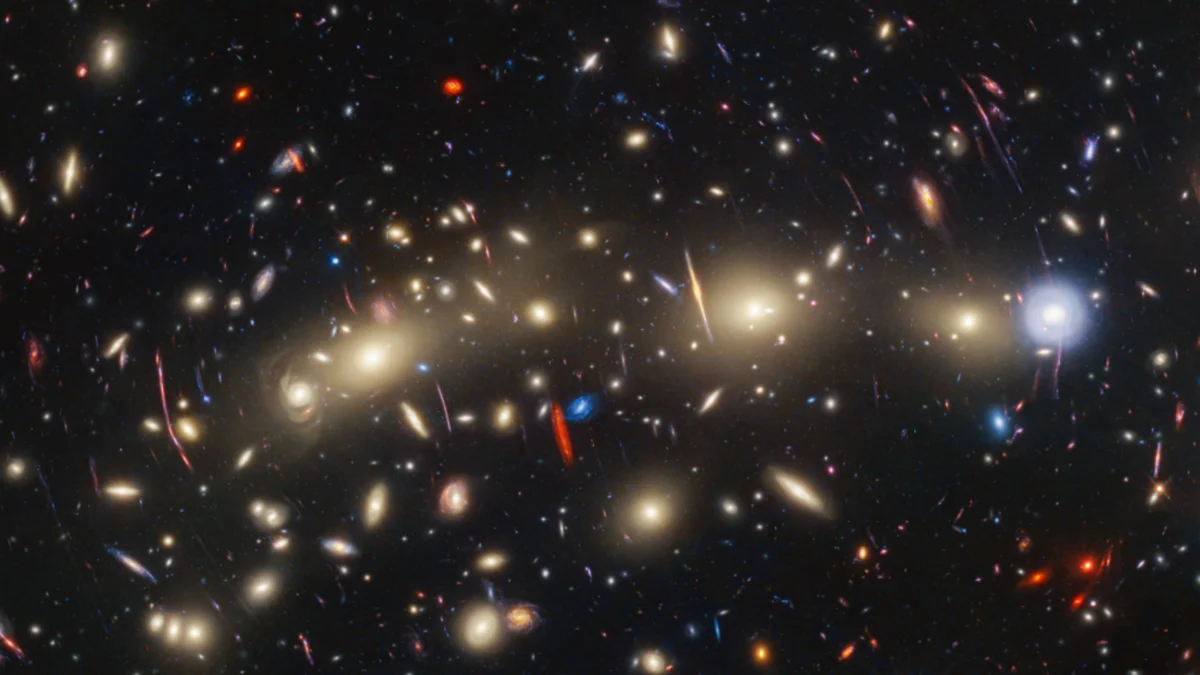
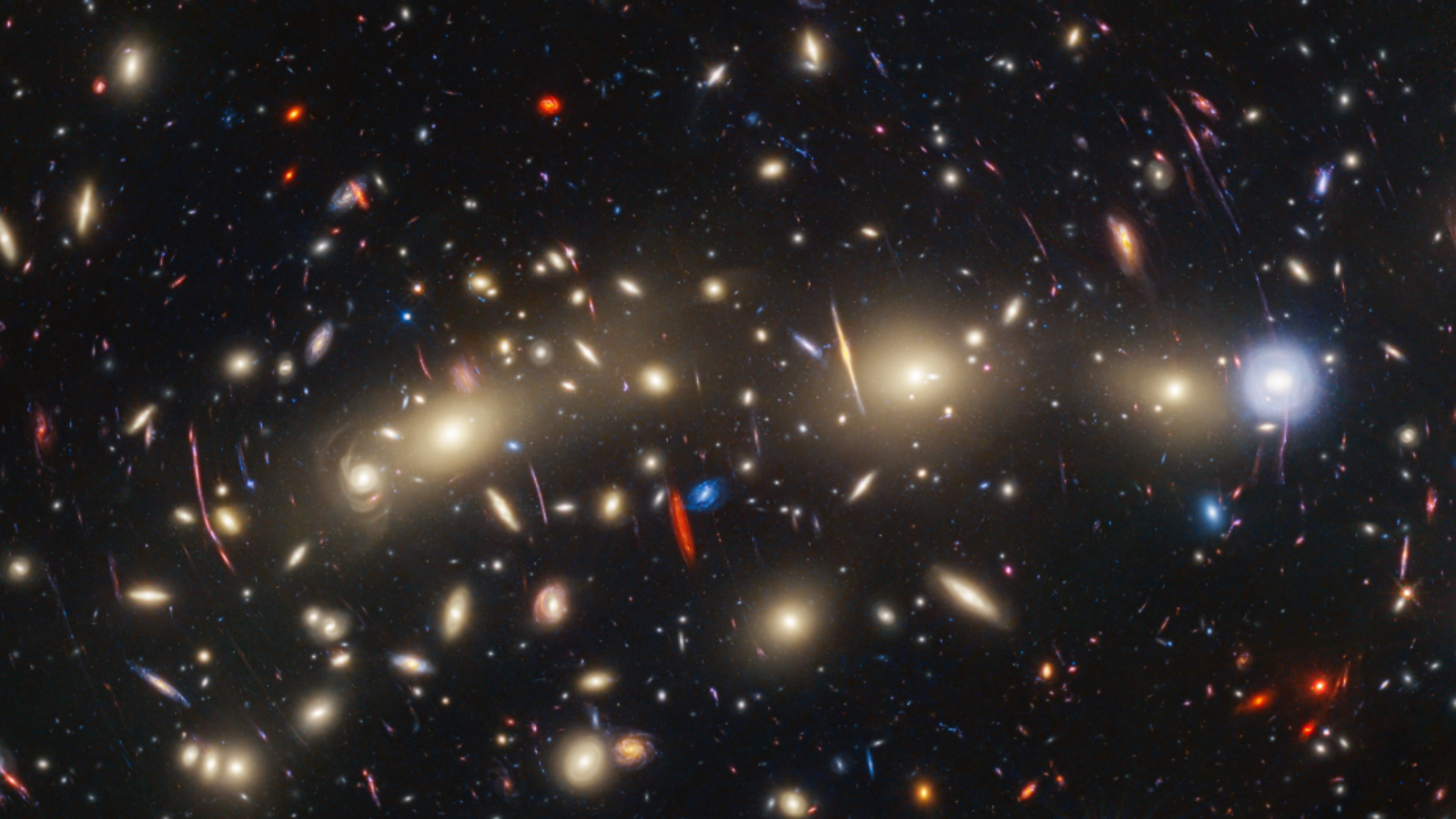
To understand the significance of this discovery, one must first appreciate the phenomenon of gravitational lensing. Predicted by Albert Einstein’s theory of general relativity, gravitational lensing occurs when a massive object—such as a galaxy or a cluster of galaxies—sits directly between an observer on Earth and a more distant source of light.
The sheer mass of the intervening object warps the very fabric of space-time, acting as a natural telescope. As light from the background source travels toward us, it follows these curved paths, resulting in magnification, distortion, or the creation of multiple images of the same distant object. While scientists have identified thousands of these lenses, finding instances where a quasar acts as the lens is exceptionally rare.
Quasars are notoriously difficult to study because their luminosity is so extreme that they frequently outshine their host galaxies, creating a "glare" that obscures the details of the very environment they inhabit. When a quasar acts as a gravitational lens, however, it provides a unique geometric alignment that allows researchers to isolate and study both the lens (the quasar and its host) and the background source being magnified.
Bridging the Gap: From Quasars to Black Holes
The research, recently published in The Astrophysical Journal, highlights a critical bridge in our understanding of cosmic development. Lead author Everett McArthur, a graduate student in astronomy at The Ohio State University, emphasizes the "baby picture" analogy for these objects.
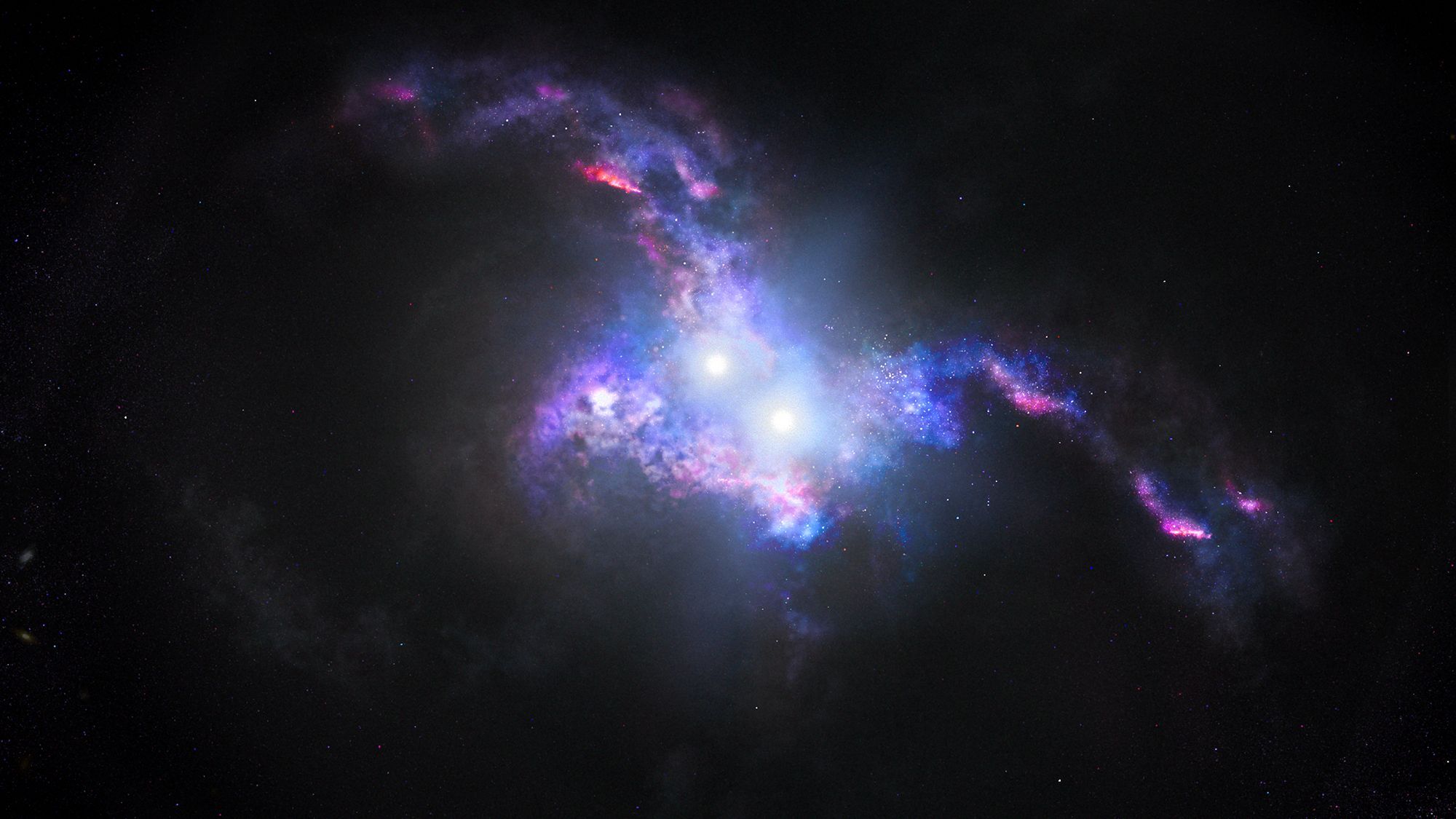
"Quasars are like the baby pictures of a supermassive black hole," McArthur stated. "So, exploring how we get from quasars to those black holes is really important."
As supermassive black holes feed on surrounding gas and dust, they reach a stage of intense activity—the quasar phase. Over billions of years, these objects grow, stabilize, and eventually influence the structure of their host galaxies. However, observing this process in its infancy is hindered by the immense energy output of the quasar. By identifying these seven new gravitational lens candidates, the team has effectively unlocked a "magnifying glass" that could allow future telescopes, such as the James Webb Space Telescope (JWST), to peer into the structural nuances of these early galaxies without the interference of the central engine’s glare.
Chronology of a Data-Driven Breakthrough
The path to this discovery was not paved by traditional manual observation, but by the application of advanced machine-learning algorithms to massive datasets. The project proceeded through several distinct stages:
1. Data Aggregation
The research team began with the colossal catalog generated by the Dark Energy Spectroscopic Instrument (DESI). DESI is currently engaged in the most comprehensive 3D mapping of our universe to date, tracking the light of millions of galaxies and quasars to probe the nature of dark energy. The team isolated roughly 800,000 quasars from this dataset as their starting point.
2. The AI Training Phase
One of the primary obstacles facing the team was the scarcity of known quasar lenses. Machine-learning models require vast amounts of training data to recognize patterns; since there were so few known examples of this specific cosmic alignment, the researchers had to be creative. They generated thousands of high-fidelity, simulated images of gravitational lenses, effectively "teaching" the AI how to identify the subtle light distortions characteristic of such a system.
3. Automated Scanning and Filtering
With the model trained, the algorithm was unleashed on the 800,000-quasar dataset. The AI successfully narrowed the field from nearly a million candidates down to approximately 200 potential matches.
4. Human Verification
Artificial intelligence is a powerful tool for pattern recognition, but it is not infallible. The final 200 candidates were meticulously reviewed by the research team. Through this rigorous manual filtration process, the seven most promising quasar-lens candidates were confirmed, effectively doubling the number of such systems known to science.
The Role of Modern Sky Surveys
The discovery underscores a broader shift in modern astronomy: the transition from "telescope-time-intensive" research to "data-mining-intensive" research. In the past, astronomers would spend nights waiting for a single target to appear in the eyepiece or on a sensor. Today, instruments like DESI produce datasets so large that they would be impossible for a human to process in a lifetime.
DESI’s ability to map vast swaths of the sky provides a unique opportunity to find the "needles in the cosmic haystack." As these surveys continue to collect data, the marriage of AI and big data will likely become the standard procedure for identifying rare transient events and complex spatial alignments that were previously invisible to the scientific community.
Implications for Future Cosmology
What does this mean for the future of astrophysics? The implications are far-reaching. By confirming these seven candidates, astronomers gain seven new "laboratories" to test their models of galaxy formation.
Investigating Dark Matter
Gravitational lensing is one of the most effective ways to map the distribution of dark matter. Because dark matter exerts gravitational pull but does not emit light, it is invisible. However, its presence affects how light is bent around a lens. These newly discovered systems could allow researchers to map the dark matter halos surrounding the lensing quasars with unprecedented precision.
Measuring the Expansion of the Universe
The timing of light arriving from different "images" of a lensed object can be used to measure the Hubble constant—a figure that describes the expansion rate of the universe. Currently, there is a well-documented tension between different methods of measuring this expansion. Adding more high-quality lensed quasars to the sample pool could help resolve this discrepancy.
Understanding Black Hole-Galaxy Co-evolution
The central question remains: how does a black hole influence its host galaxy, and how does the galaxy, in turn, feed the black hole? By using the magnification provided by these lenses, scientists hope to observe the inflow of gas into the black hole and the subsequent feedback—the energy outflows—that might inhibit further star formation in the host galaxy.
Expert Perspectives and Official Responses
The academic community has received the findings with significant enthusiasm. In a statement issued by Ohio State University, the researchers highlighted the collaborative nature of the project. The discovery was not merely a triumph of technology but a testament to the power of multi-institutional, large-scale sky surveys.
The team emphasized that while the AI identified the candidates, the next phase of the research requires follow-up spectroscopy. By using large ground-based telescopes to look at the spectra (the light signature) of these objects, astronomers can confirm the redshift and distance of both the lens and the background source, verifying that the lensing effect is indeed occurring.
The Path Ahead
As we look toward the future, the integration of AI in astronomy is expected to accelerate. The Vera C. Rubin Observatory, with its upcoming Legacy Survey of Space and Time (LSST), is poised to generate even larger volumes of data than DESI. The methodologies pioneered by McArthur and his team provide a template for how we will handle the next generation of celestial discovery.
We are currently in a golden age of astronomical observation. From the "baby pictures" of supermassive black holes to the dark matter maps of the deep universe, the seven quasar lenses discovered by this AI-led project are just the beginning. As we refine our algorithms and continue to peer deeper into the void, we move ever closer to answering the most fundamental questions about our origins and the ultimate fate of the universe.
The work published on July 22 serves as a reminder that even in an age of automated, data-driven science, the human element—the curiosity to ask "what if?" and the persistence to verify the results—remains the driving force of discovery. These seven quasars, once hidden in the digital noise of a massive survey, have now been brought into the light, ready to reveal the secrets of the cosmos to those who know how to look.