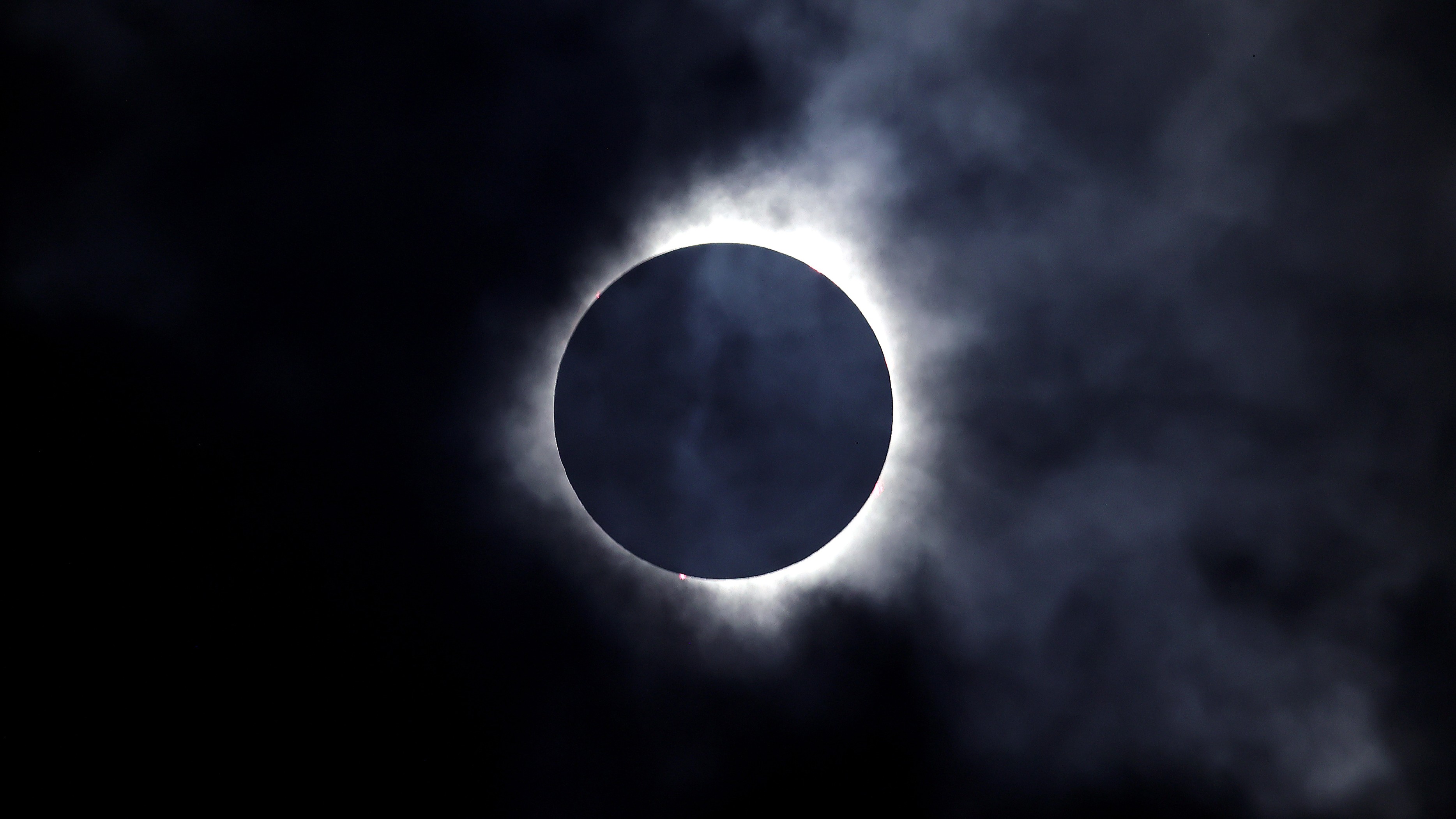
As August 12, 2026, approaches, the global community of amateur astronomers, travel enthusiasts, and casual stargazers is gripped by a familiar, frantic obsession: the weather forecast. For those positioned along the narrow path of totality for the upcoming total solar eclipse, or the broader regions slated for a partial view, the sky holds a promise of rare celestial spectacle. Yet, looming over the excitement is the "dirty word" of eclipse chasing—clouds.
The human instinct to control our environment is never more visible than in the days leading up to an eclipse. We track satellite imagery, refresh weather apps with obsessive regularity, and negotiate with the atmosphere as if it were a sentient entity capable of being swayed by our collective desire for clear skies. However, as experienced eclipse chasers know, the reality of the sky is rarely so obliging.
The Reality of Totality: Why Clouds Are Not a Failure
There is a persistent, damaging myth in the world of astronomy: that a "successful" eclipse requires a perfectly clear, unobstructed view of the sun’s corona for the duration of totality. This belief often leads to unnecessary anxiety, as enthusiasts rank their success based on the number of minutes they witnessed the event, rather than the experience itself.
The truth is more nuanced. Nature is indifferent to our travel plans. Even in regions statistically favored for clear skies—such as Texas during the April 8, 2024, eclipse—weather patterns can shift, favoring instead unexpected locations like the wintry landscapes of Maine or New Brunswick.
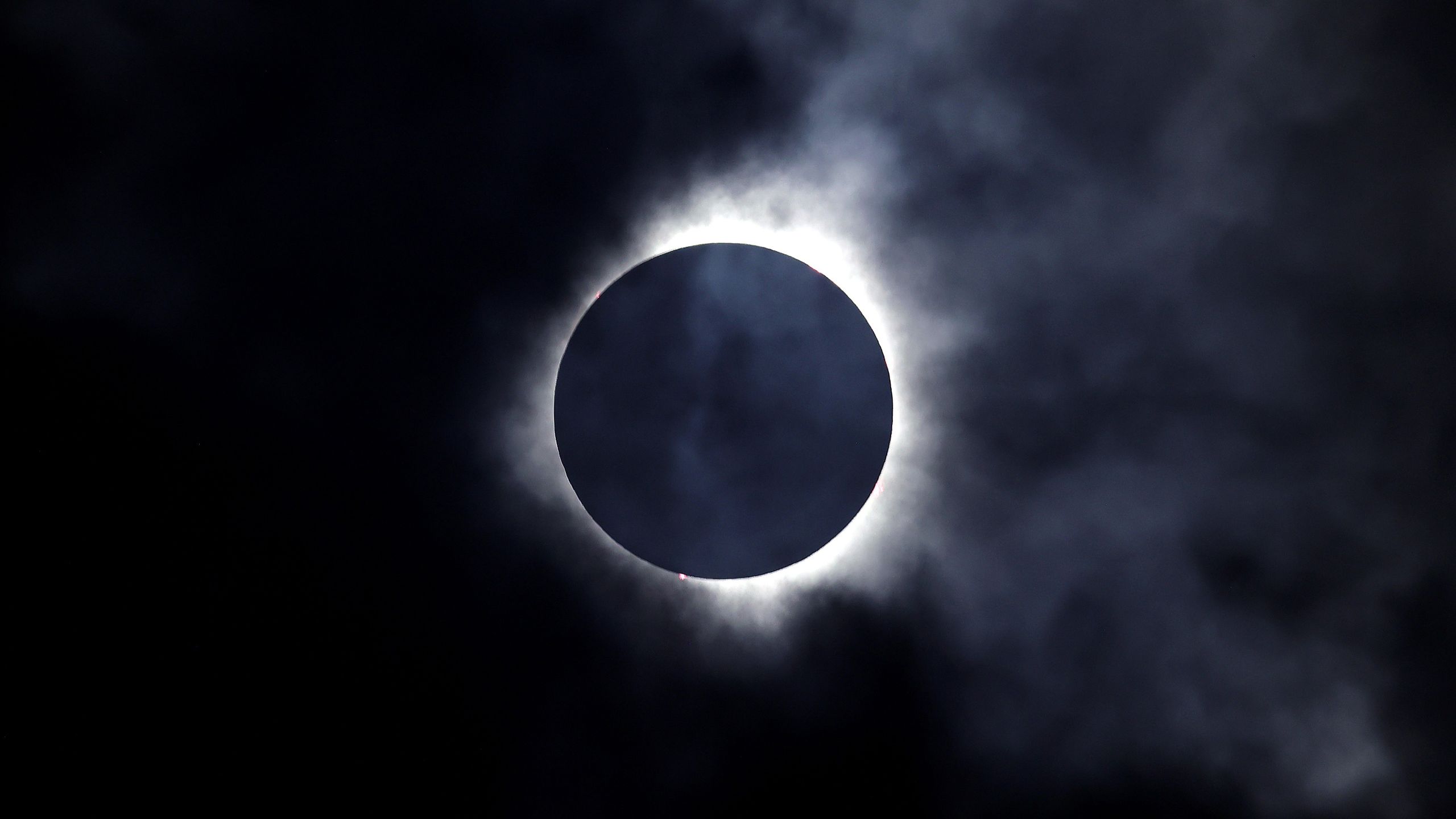
For the seasoned observer, a single, fleeting second of a clear sky during totality is not a "consolation prize." It is the event itself. Furthermore, clouds often impart a unique, dramatic quality to the experience. A low, milky cloud layer can make the sudden descent into darkness during totality feel significantly more profound and immersive. When the corona breaks through a gap in the clouds, the visual impact is often amplified by the contrast, turning a clinical astronomical observation into a visceral, cinematic moment.
Chronology: The Celestial Alignment of August 12, 2026
The events of August 12, 2026, represent one of the most significant dates in recent astronomical history. The moon’s shadow is scheduled to traverse a track across the Northern Hemisphere, providing a rare convergence of events.
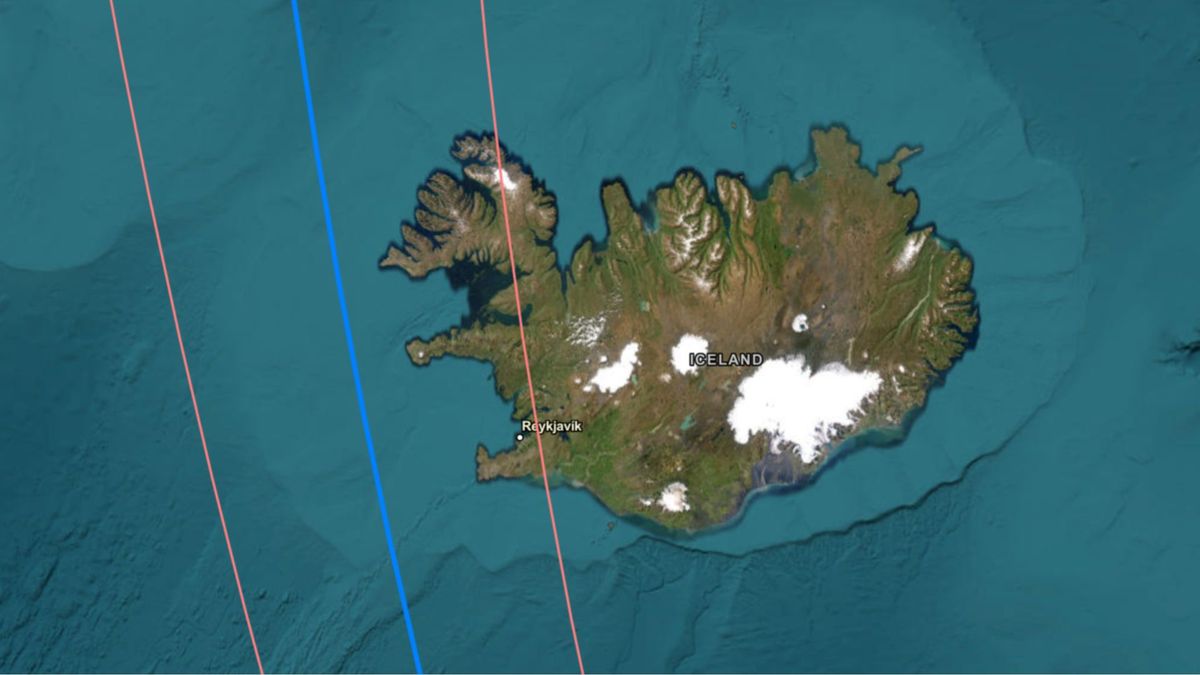
- The Path of Totality: The lunar shadow will first touch down over eastern Greenland before sweeping across western Iceland and northern Spain. Small portions of Portugal will also fall within the reach of the umbra.
- The Window of Darkness: From within the path of totality, observers will experience up to 2 minutes and 18 seconds of complete solar coverage.
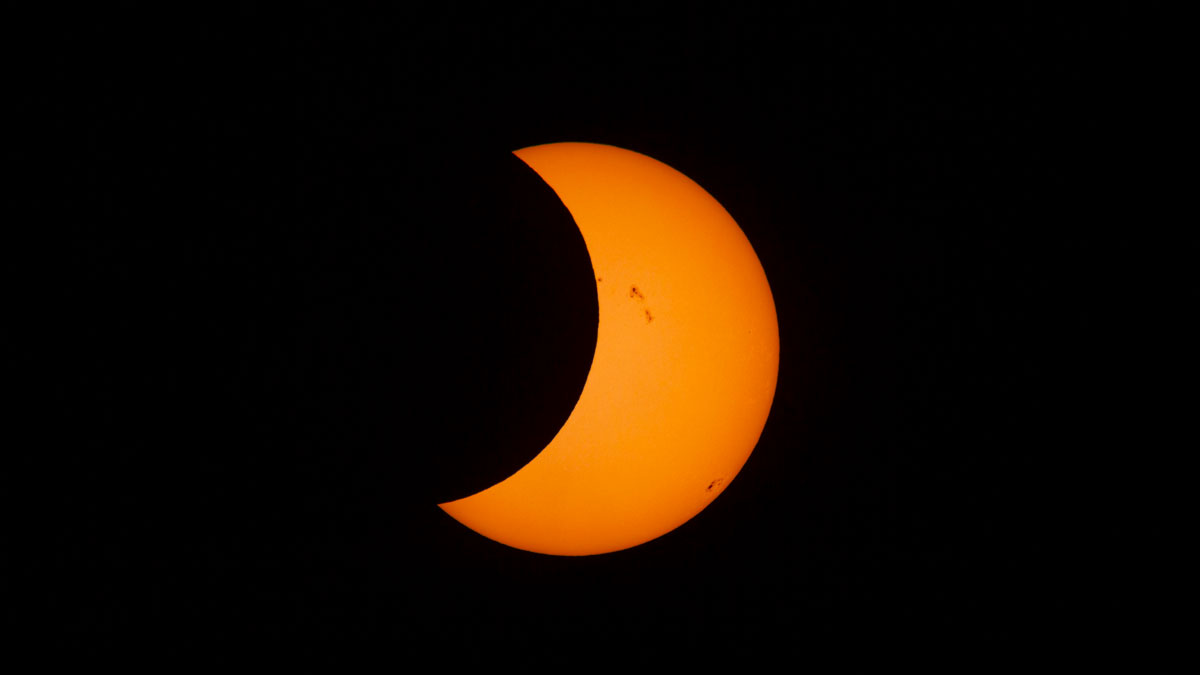
- The Partial Phase: A wider partial solar eclipse will be visible across much of the United Kingdom, continental Europe, parts of North America, and northwest Africa.
- The Nocturnal Finale: As night falls on the same day, the sky will play host to the peak of the Perseid meteor shower, offering a secondary, spectacular reward for those who remain under the stars.
Supporting Data: Regional Visibility and Observation Tips
For those not positioned within the narrow band of totality, the partial eclipse still offers a profound, if different, experience.
The European Perspective
The United Kingdom is set for a particularly deep partial eclipse. Residents in London, Manchester, and Glasgow can expect roughly 91% of the sun to be obscured. The timing is critical, with maximum eclipse occurring between 7:05 p.m. and 7:13 p.m. BST. Because the sun will be low on the western horizon, the choice of viewing location is paramount. Watching from behind urban architecture—buildings, trees, or offices—will likely result in a missed opportunity. A coastal cliff, an open field, or a high hilltop will be essential for success.
The North American Perspective
While the event is less pronounced in North America than in Europe, the northeastern regions will see a significant partial eclipse. Northern Maine remains the prime U.S. location for the "deepest" view, while major metropolitan areas like Boston, New York, and Philadelphia will witness a noticeable "bite" taken from the sun’s disk. Atlantic Canada, particularly Newfoundland, will see the most significant coverage in the region, offering a better display than the majority of the U.S.
Official Safety Guidelines: Protecting Your Vision
Regardless of the degree of coverage, the rules of solar observation remain absolute. It is never safe to look directly at the sun without ISO-certified eclipse glasses or, for optical instruments, professional-grade solar filters.
- The Myth of Thin Clouds: Many observers mistakenly believe that thin cloud cover acts as a natural filter. It does not. The intensity of the sun’s radiation remains high enough to cause permanent retinal damage even when partially obscured.
- Equipment Safety: If using binoculars or telescopes, solar filters must be placed securely over the front (objective) lenses. Never use an eyepiece-based solar filter, as the concentrated heat can shatter the glass or plastic, leading to immediate eye injury.
- The "One-Second" Rule: Even when the eclipse is at its peak, only the moments of total darkness are safe to view with the naked eye. In any partial phase, use certified equipment.
Implications: The Psychological Impact of Eclipses
Beyond the scientific interest, solar eclipses function as a "great equalizer." They are environmental events that affect the entire ecosystem. As totality approaches, the environment undergoes a rapid transformation: the temperature drops, the wind shifts, and the sounds of wildlife—birds, insects, and animals—often fall into a sudden, eerie silence.
The human experience of this transition is profound. When we detach from the compulsion to photograph every second, we allow ourselves to be present in the moment. The "distraction of documentation"—the tendency to spend the precious seconds of totality looking at a camera screen—is a hazard that deprives the observer of the true scale of the event.
The 2026 eclipse offers a rare opportunity to pair this atmospheric event with the Perseid meteor shower. While the eclipse demands our focus during the day, the evening offers a chance to witness one of the year’s best meteor showers under nearly perfect moonless conditions. This combination—a solar eclipse followed by a meteor shower—is a rare alignment that underscores the dynamic nature of our solar system.
Constellation of the Week: Perseus
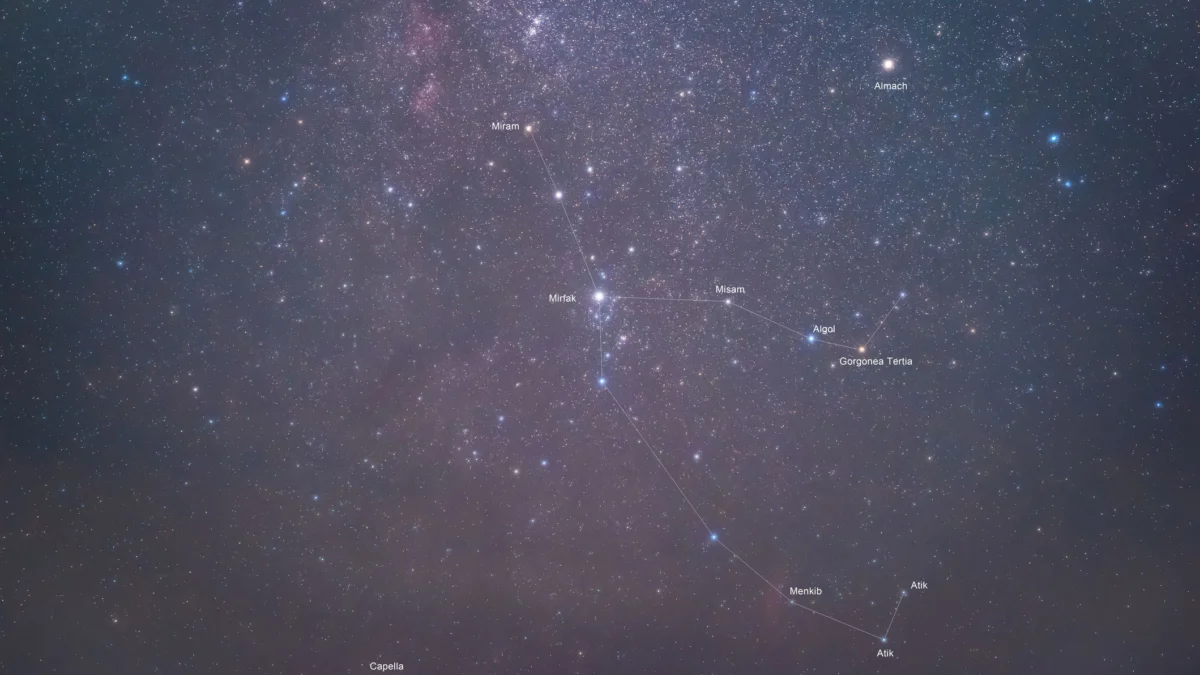
As the sun sets on August 12, the focus of the skyward gaze will shift to the constellation Perseus. Despite the name, the meteors of the Perseid shower do not originate from the stars within the constellation itself. Instead, they appear to radiate from that region as Earth passes through the debris left behind by a comet.
To observe the shower effectively, observers should:
- Locate the Radiant: Look toward the northeast in the late evening, positioned below the distinctive "W" shape of Cassiopeia.
- Avoid the "Radiant Trap": A common beginner error is to stare directly at the radiant point. Instead, use Perseus as an anchor, but scan the widest possible patch of dark sky. The meteors will appear to streak across various parts of the sky, and a wider field of view increases the likelihood of catching them.
- Practice Patience: The meteor shower is not a performance on a timer; it is a passive experience that rewards those who allow their eyes time to adapt to the dark.
Final Thoughts: Embracing the Cosmic Clockwork
As we prepare for the events of August 2026, the best approach is one of humility. Science has allowed us to calculate the path of the moon’s shadow with incredible precision, yet the chaotic nature of the atmosphere remains beyond our control.
If you are traveling to Greenland, Iceland, or Spain, prepare for the logistics, pack your filters, and study your local timings. But once you arrive, leave the stress behind. If the clouds obscure your view, remember that you are still experiencing the profound environmental shift of a total eclipse. If the clouds part, cherish that window. Whether it lasts for two minutes or two seconds, the event is a reminder of our place within the vast, rhythmic clockwork of the universe.
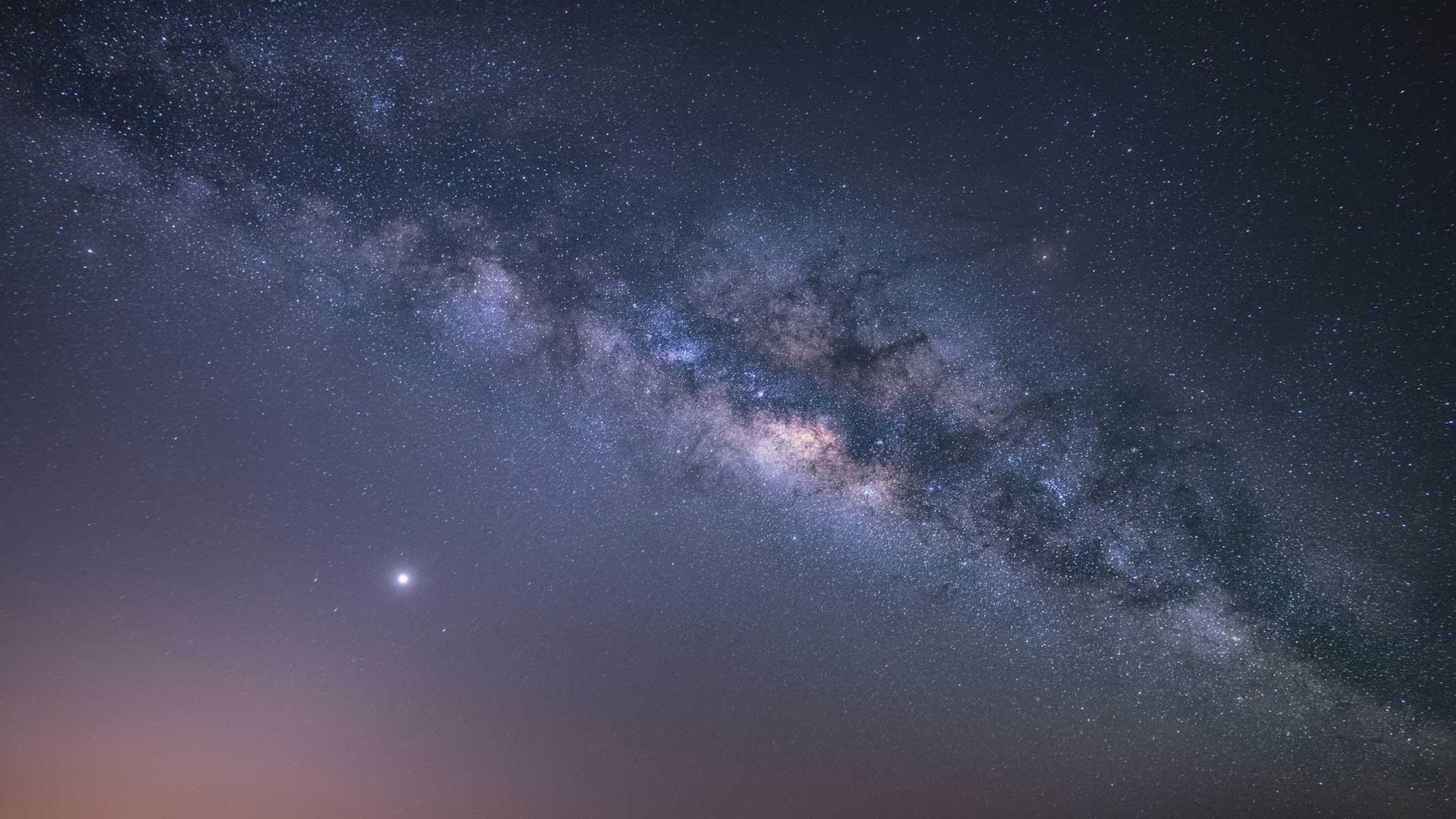
Do not view the eclipse as a test you must pass. View it as a privilege to witness. With the Milky Way arching high across the night sky and the potential for a meteor display to follow, August 12, 2026, promises to be a date etched in the memories of skywatchers for generations to come.