In the rapidly evolving landscape of artificial intelligence, the barrier between proprietary cloud-based systems and local, open-weight models is thinning at an unprecedented rate. Among the latest contenders to disrupt this space is Muse Glimmer, a model that has sent shockwaves through the local AI community. With performance metrics that frequently eclipse the established 27B-class models—most notably the formidable Qwen variants—Muse Glimmer is positioning itself as the gold standard for "vibe coding" and autonomous agentic workflows.
For developers and AI enthusiasts, the ability to run such sophisticated intelligence on consumer-grade hardware is no longer a pipe dream; it is a functional reality. By leveraging the high-performance inference engine llama.cpp, the speed-boosting DFlash speculative decoding framework, and the Pi coding agent, users can now transform their local machines into self-contained software development environments.
Main Facts: The Rise of Muse Glimmer
Muse Glimmer represents a significant milestone in open-model efficiency. While many models boast large parameter counts, Glimmer distinguishes itself through its architectural refinement, particularly in code generation and logical reasoning.
Why Muse Glimmer Matters:
- Competitive Edge: It is consistently outperforming Qwen-27B-class models in specific coding benchmarks, particularly in tasks involving multi-step logic.
- Efficiency: When paired with DFlash drafters, the model achieves token-per-second (TPS) rates that make interactive coding feel fluid rather than sluggish.
- Privacy and Control: By running locally on hardware like the RTX 3090, 4090, or 5090, users retain absolute ownership over their code and data, eliminating the latency and privacy risks associated with third-party API providers.
Chronology: Implementing the Local AI Stack
Transitioning from a standard local environment to a high-powered AI agent setup requires a disciplined approach. The following guide outlines the necessary steps to deploy the stack effectively.

Phase 1: Preparation and Downloading
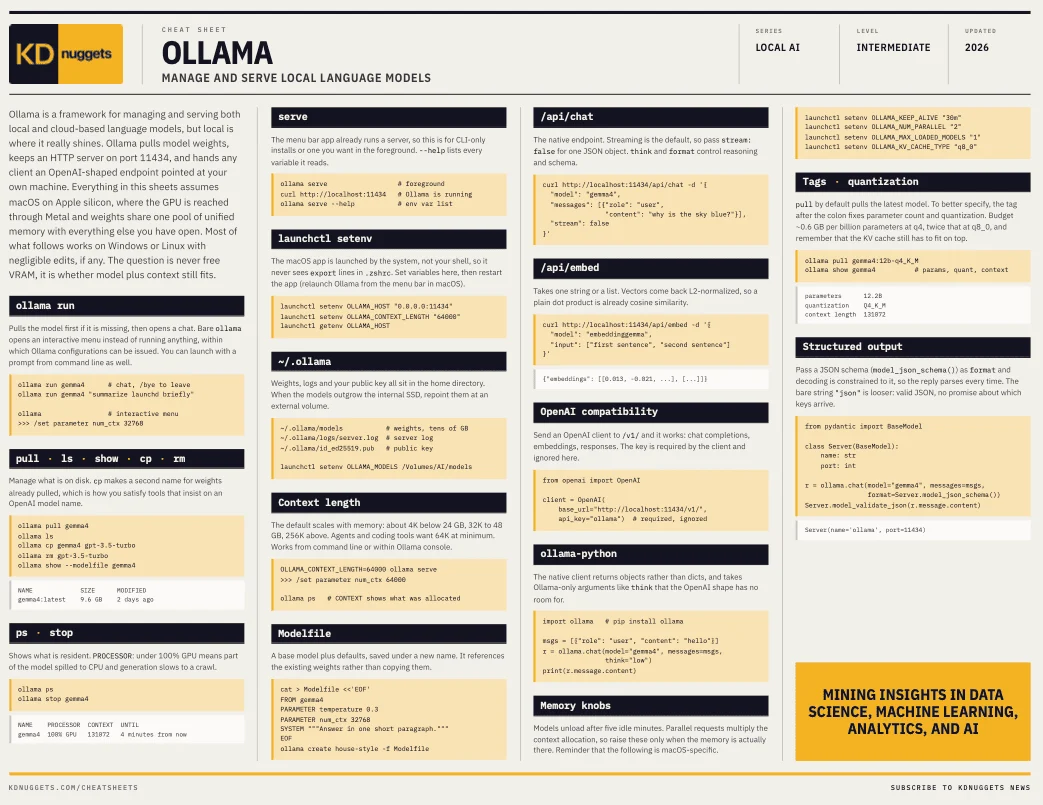
To get started, one must utilize the Hugging Face CLI to fetch the core components. Ensure your environment is configured for high-bandwidth downloads, as the model weights are substantial.
- Install the CLI: Utilize the standard
curlcommand to install the Hugging Face hub tools. - Authentication: Use
hf auth loginto ensure you have the necessary permissions for restricted model repositories. - Deployment Directory: Create a dedicated workspace (e.g.,
/workspace/muse-glimmer) to house both the 16.8 GB main GGUF file and the 1.63 GB DFlash drafter.
Phase 2: Installing llama.cpp with CUDA
The efficacy of Muse Glimmer is entirely dependent on the underlying inference engine. To maximize speed, compiling llama.cpp with CUDA support is non-negotiable.
- Compilation: Clone the repository and use
cmaketo build the binary, ensuring-DGGML_CUDA=ONis enabled. This links the model directly to your GPU’s compute cores. - Launching the Server: The command-line arguments are critical here. By using
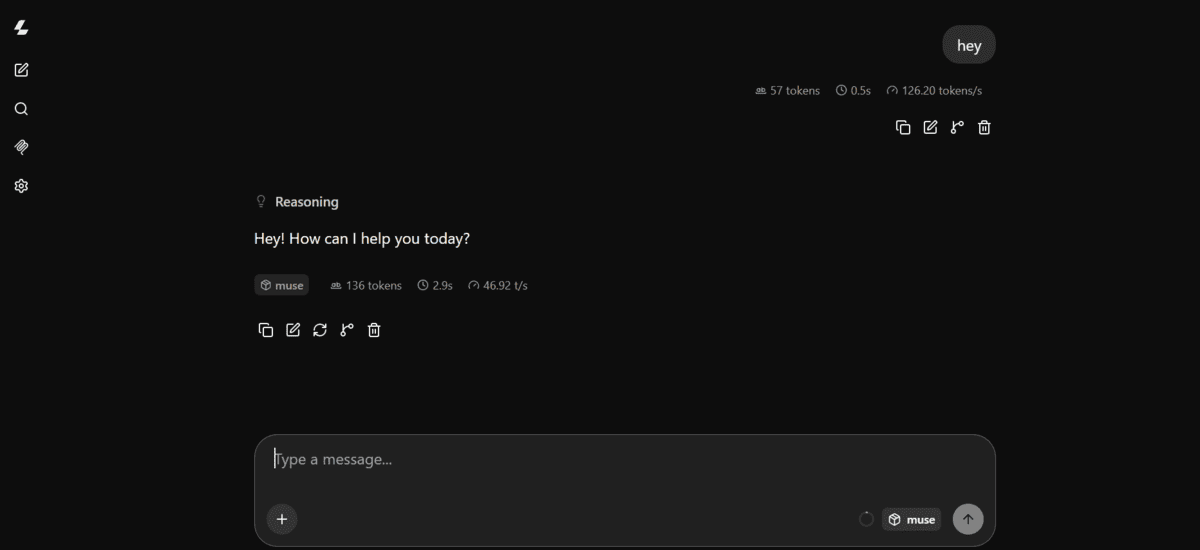
--spec-type draft-dflashand setting a--spec-draft-n-maxof 15, you allow the model to "guess" upcoming tokens, which the main model then validates. This speculative decoding is the secret sauce that pushes throughput well beyond 100 tokens per second.
Phase 3: Integrating the Pi Coding Agent
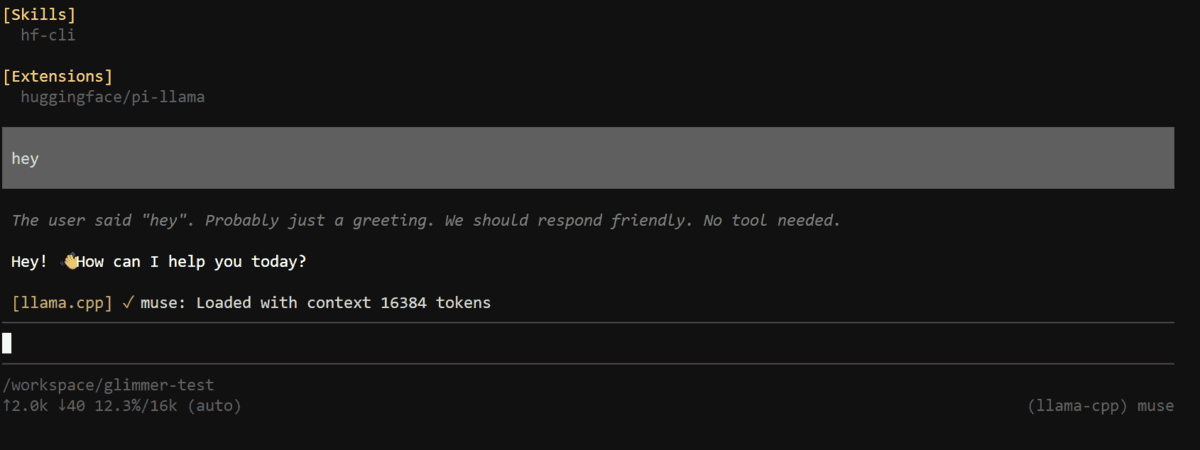
Once the server is live and responding at localhost:8080, the next step is the integration of Pi. Pi acts as the orchestration layer, translating high-level developer prompts into actionable terminal commands.
- Pi Installation: Install via the provided shell script.
- Extension Hook: Use
pi install git:github.com/huggingface/pi-llamato bridge the gap between the Pi interface and the llama.cpp backend. - Auto-Discovery: Because the
pi-llamaextension adheres to the OpenAI-compatible API standard, it will automatically detect the Muse Glimmer model without manual JSON configuration.
Supporting Data: Performance Benchmarks
During rigorous stress testing, the combination of Muse Glimmer and DFlash demonstrated significant performance variance based on the complexity of the task.

- Inference Speed: Initial prompt processing clocked in at approximately 46 tokens per second. However, during extended generation—typical in coding tasks—the system surged to 127 tokens per second.
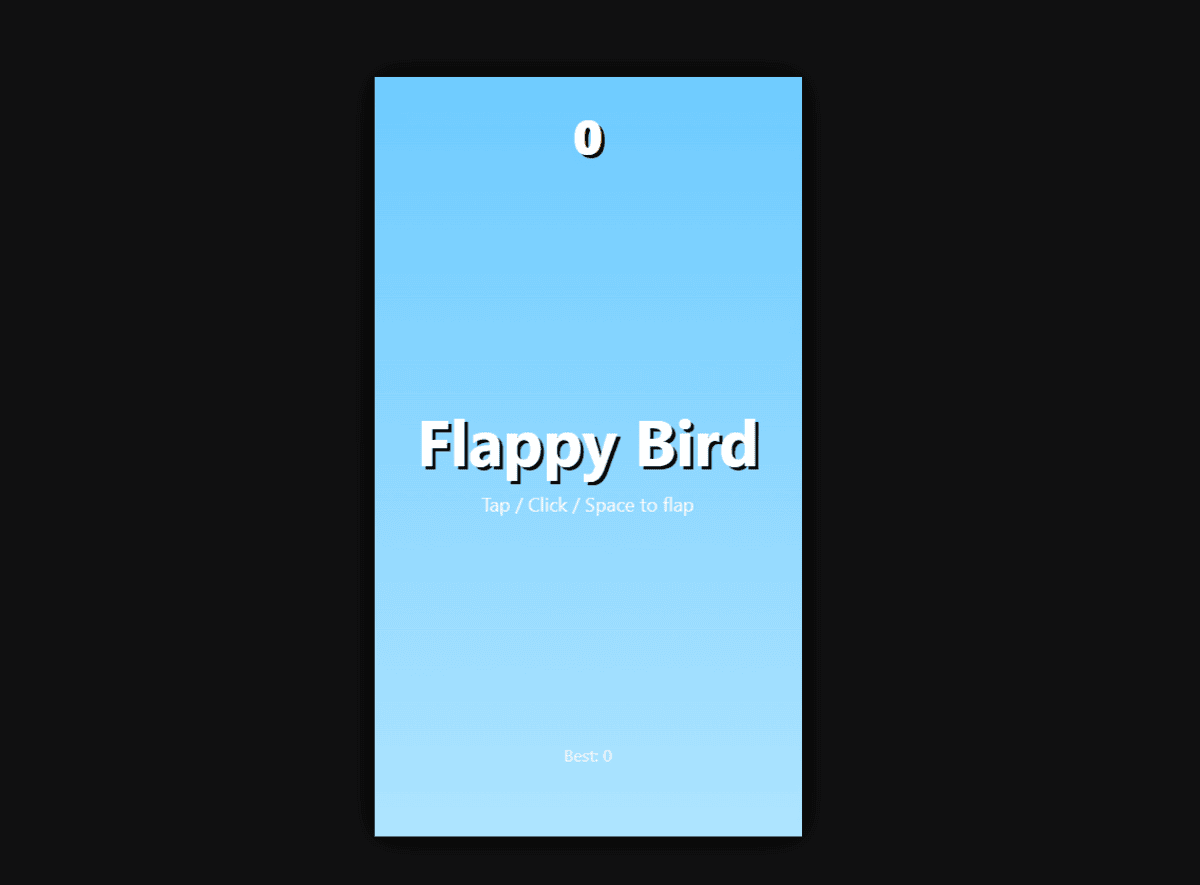
- Quality of Output: While Muse Glimmer showed remarkable speed, its output quality for creative tasks (like building standalone HTML games) remained slightly behind the Qwen3.8-27B baseline. However, for structured backend tasks, such as generating a FastAPI project with SQLite persistence and integrated
pytestsuites, it excelled. - Agentic Reliability: In an autonomous loop—where the model is tasked with writing, running, and debugging code—Muse Glimmer completed a full Python task management API in under two minutes, successfully passing all self-generated unit tests.
Official Responses and Developer Community Sentiment
The developer community, particularly on platforms like GitHub and X, has responded with guarded optimism. Meta’s continued commitment to open-model weights has provided the foundation for this surge in local capability.
Prominent figures in the AI space suggest that the "rough edges" currently observed—such as occasional hallucinations in complex frontend UI code—are primarily data-related rather than architectural. As the community refines the fine-tuning datasets for Muse Glimmer, it is expected that these minor deficiencies will vanish, potentially placing local models on par with industry giants like GPT-4 or Claude 3.5 Sonnet in the context of pure coding efficiency.
Implications for the Future of Software Engineering
The rise of the "local vibe coder" signals a profound shift in the software development lifecycle.
1. The Death of Subscription-Based Coding
As local models approach the intelligence threshold of proprietary systems, the economic justification for monthly AI subscriptions begins to erode. For professional developers, the ability to train, test, and deploy code without ever leaving a local environment is a significant competitive advantage.

2. The Rise of Autonomous Agents
The experiment with the Python task management API highlights a future where the developer’s role shifts from "writer" to "architect." Muse Glimmer’s ability to self-debug—iteratively refining its own code based on test failures—is a precursor to a new paradigm where the human provides the intent, and the machine handles the implementation.
3. Democratization of AI Power
We are reaching a state of technological parity where an individual with a single high-end GPU can match the productivity of an entire team of junior developers. This democratization of power means that specialized software, once out of reach for small startups or solo entrepreneurs, is becoming trivial to produce.
Final Thoughts
Muse Glimmer is more than just another model; it is a bellwether for the maturation of local AI. While there are still limitations to be ironed out, the speed and agentic capabilities currently on display are nothing short of impressive. For anyone possessing an RTX 3090, 4090, or the latest 5090, the path forward is clear: the local machine is the new frontier. Whether you are building complex APIs or experimenting with agentic workflows, the infrastructure to do so is now mature, fast, and—most importantly—entirely your own.
As we look toward the next iteration of tools like llama.cpp and Pi, the question is no longer "what can AI do," but rather "what will you build with it?" The barrier to entry has never been lower, and the potential for innovation has never been higher.