BELFAST — In a move that signals a profound shift in regional security architecture, Finland and Sweden have formally entered into an enhanced bilateral defense agreement. The pact, aimed at fortifying Helsinki’s counter-drone and aerial surveillance capabilities, serves as a direct response to a mounting wave of airspace incursions and provocative maneuvers along the Finnish-Russian border. As the Russia-Ukraine conflict continues to destabilize the Baltic and Nordic theaters, the two newest members of NATO are effectively moving to treat their northern flank as a single, integrated security zone.
The Escalation: A Pattern of Aerial Incursions
The decision to deepen cooperation follows a series of troubling incidents that have kept Nordic defense officials on high alert throughout 2026. The airspace over the Gulf of Finland, a critical artery for regional maritime and air traffic, has become a hotspot for "gray zone" activities—actions that fall just below the threshold of open warfare but serve to test the resolve and response times of NATO’s newest members.
In recent months, unidentified aerial assets, including suspected surveillance drones, have been detected skirting the Finnish border. These events have forced the Finnish Air Force to scramble F/A-18 Hornet fighters on multiple occasions, most notably over Helsinki and the sensitive maritime corridors of the Gulf. While Finnish President Alexander Stubb has consistently maintained that the country does not currently face a "direct military threat," the frequency and precision of these incursions have necessitated a more robust, collective posture.
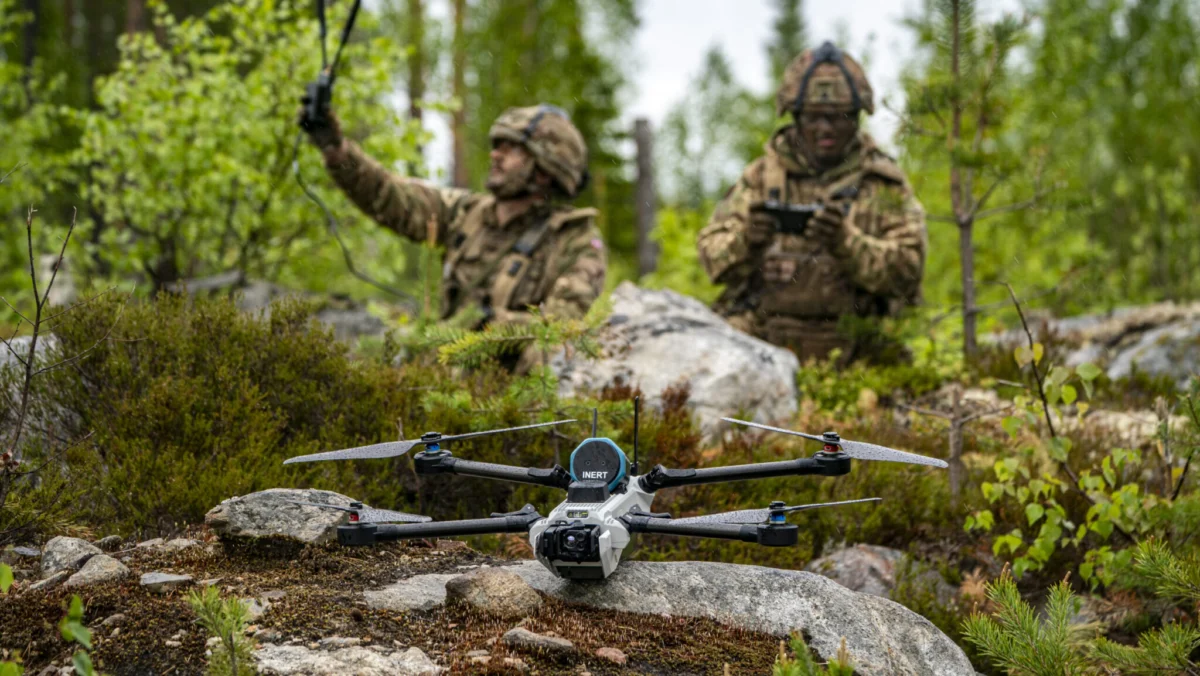
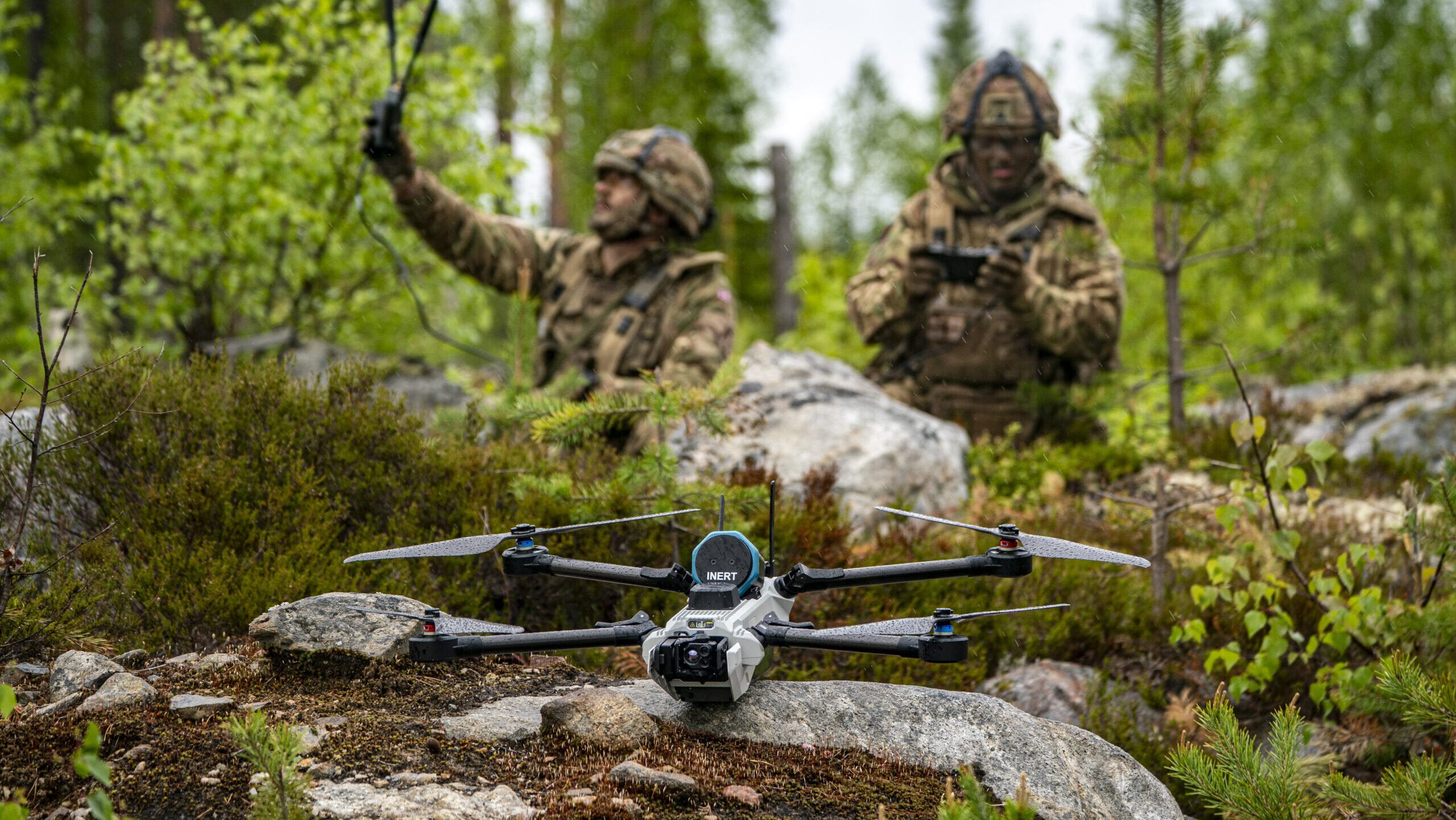
The strategic anxiety is compounded by the geography of the region. With Finland sharing an 830-mile border with Russia, the vulnerability of its eastern frontier is the primary concern for the Finnish Ministry of Defence. The deployment of Anduril Bolt drones during the recent Exercise Northern Star near the border highlighted the tactical necessity of persistent, low-altitude monitoring—a capability that both nations are now determined to pool and optimize.
Chronology of a Shifting Security Landscape
The trajectory toward this bilateral integration did not occur in a vacuum; it is the culmination of years of rapid policy shifts and geopolitical necessity:
- April 2023 – April 2024: Finland and Sweden undergo the historic transition from non-aligned status to full NATO membership, spurred by Russia’s full-scale invasion of Ukraine.
- Early 2026: A notable increase in GPS jamming and unexplained drone sightings occurs across the Baltic Sea region, affecting civilian aviation and maritime logistics.
- May 2026: Exercise Northern Star takes place, showcasing the integration of advanced drone technology in border surveillance roles.
- August 2026: The Finnish government announces a €50.2 million supplementary budget specifically for counter-drone technologies, signaling the start of a major procurement push.
- Present Day: Finland and Sweden announce the formalization of joint patrols, with Stockholm pledging the deployment of Saab JAS 39 Gripen fighters and naval assets to support Finnish territorial integrity.
Supporting Data: Investment in Deterrence
The financial commitments backing this security pivot are substantial. The Finnish Ministry of the Interior, in coordination with the Ministry of Defence, has earmarked €50.2 million ($58.3 million) to address the deficiencies in current aerial detection systems.
The allocation is bifurcated:
- €44 million is dedicated to the Finnish Border Guard, focusing on the acquisition of next-generation radar systems, signal intelligence suites, and kinetic/non-kinetic counter-UAS (Unmanned Aerial System) platforms.
- €6.2 million is designated for the national police force to enhance civil-military coordination in detecting unauthorized drone flights over urban centers and critical infrastructure.
This investment is not merely about hardware; it is about building a shared "common operating picture." By integrating Swedish sensor data with Finnish ground-based systems, the two nations aim to eliminate the blind spots that have historically plagued independent border surveillance operations.
Official Responses and Diplomatic Strategy
The diplomatic rhetoric surrounding this agreement emphasizes unity and the "Total Defense" philosophy shared by the Nordic nations.
"The move demonstrates our ability to act together and take responsibility for security in the region and on NATO’s eastern flank," the Finnish Ministry of Defence stated in a formal communique. Minister of Defence Antti Häkkänen underscored that the expansion from maritime and air cooperation to holistic territorial surveillance marks a "new chapter" in bilateral military history.
President Alexander Stubb, utilizing his platform on X, captured the sentiment of the partnership with a message of resilience: "We trust one another, and together we are stronger."
The Swedish perspective, while less vocal on the specifics of hardware, is equally firm. Reports from SVT, the Swedish public broadcaster, confirm that Stockholm has approved a request from Helsinki to deploy Saab Gripen fighters and naval vessels to Finnish territory. This is a significant logistical and political commitment, as it effectively embeds Swedish combat power within the Finnish national defense network, moving beyond standard interoperability exercises into real-world operational support.
Implications for the Baltic and Arctic Theater
The ramifications of this pact extend far beyond the Finnish-Russian border. The integration of Finnish and Swedish defense assets creates a formidable "Nordic Wall," complicating any Russian attempts to project power into the Baltic Sea or exert influence over the Arctic approaches.
1. Interoperability as Deterrence
By standardizing the response to incursions, Finland and Sweden are reducing the "decision time" required to intercept intruders. A unified command-and-control structure allows for seamless handoffs of intercept missions, ensuring that if a target enters from one national sector, the other is already tracking it.
2. Technological Evolution
The focus on counter-drone technology suggests a recognition of the "Ukraine Lesson." In the modern theater, the ubiquitous use of cheap, disposable drones for surveillance and targeting has rendered traditional, expensive radar systems insufficient. The push for localized, high-density drone defense networks is likely to become the standard for all NATO members on the eastern flank.
3. NATO’s Northern Strategy
For NATO, this bilateral development is a "force multiplier." It allows the alliance to focus its high-end resources on broader strategic goals, knowing that the northern tier is being secured by two of the most capable and well-equipped militaries in Europe. It also serves as a warning to Moscow that the "gray zone" tactics—while intended to cause friction—have instead accelerated the integration of the very nations they sought to keep divided.
Looking Ahead
As the winter months approach, the increased presence of Swedish assets in Finnish airspace will likely become the new normal. The challenge for both governments will be maintaining the operational tempo without provoking an unnecessary escalation.
However, the consensus in Helsinki and Stockholm is clear: the cost of inaction is higher than the cost of vigilance. By binding their security fates together, Finland and Sweden have transformed their northern border from a potential point of weakness into a showcase of modern, collaborative defense. In an era where the boundary between peace and conflict is increasingly blurred by drones and electronic warfare, this Nordic partnership offers a blueprint for how smaller, highly capable nations can assert their sovereignty against a revisionist neighbor.
The path forward will likely involve further procurement of advanced electronic warfare systems and perhaps the creation of a joint air-defense command structure. For now, the message to any would-be intruders is unambiguous: the North is no longer a collection of separate entities, but a unified, watchful, and increasingly integrated force.