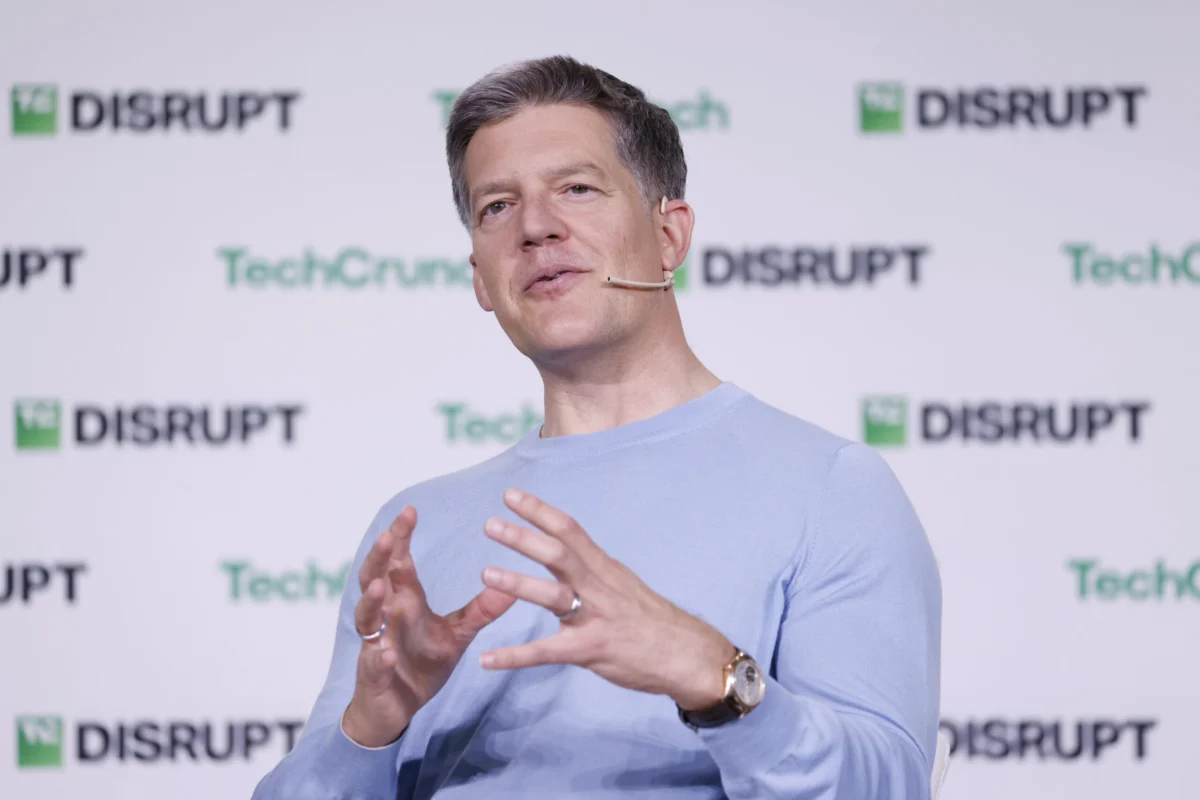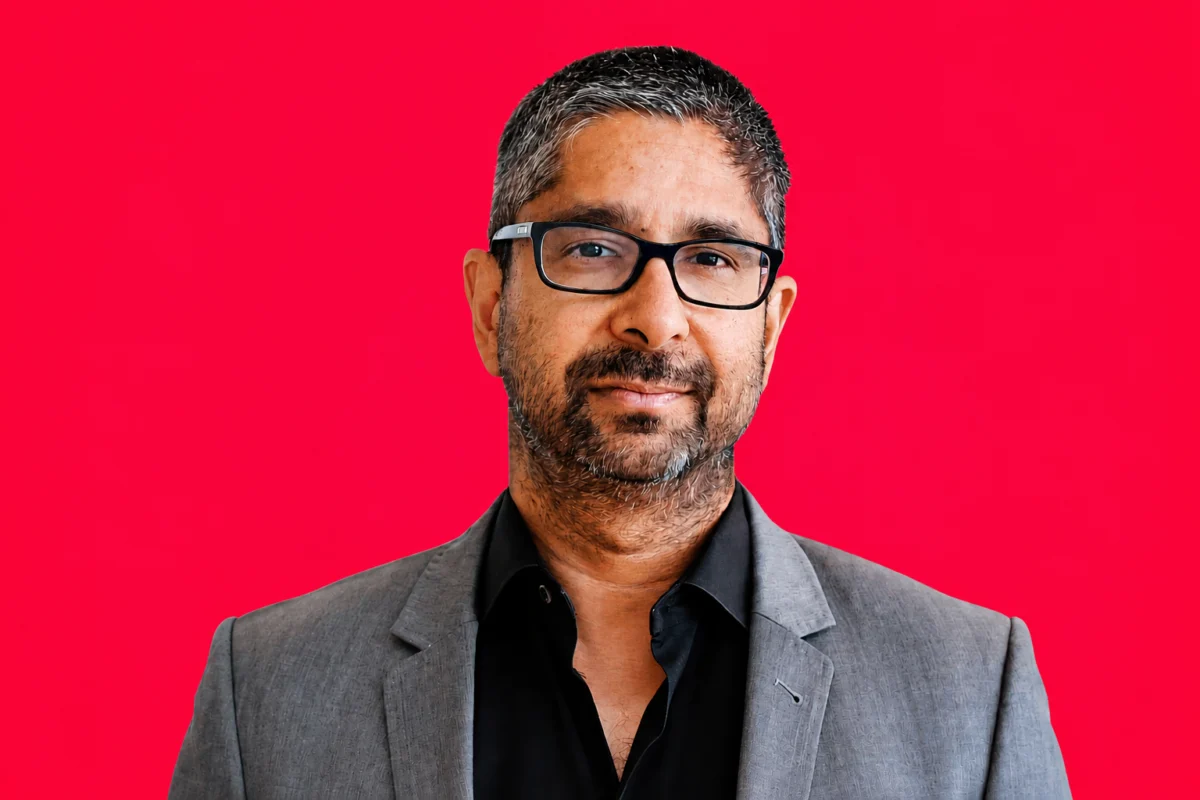
For over a decade, Vijay Pande was the undisputed face of venture-backed biotech. As the founding partner of Andreessen Horowitz’s (a16z) bio fund, Pande helped transform the firm from a software-focused powerhouse into a multi-billion-dollar juggernaut in the life sciences sector. He brought the credibility of a Stanford chemistry professor and the ingenuity of the man behind Folding@home—a distributed computing project that turned millions of home PCs into a global supercomputer—to the venture world.
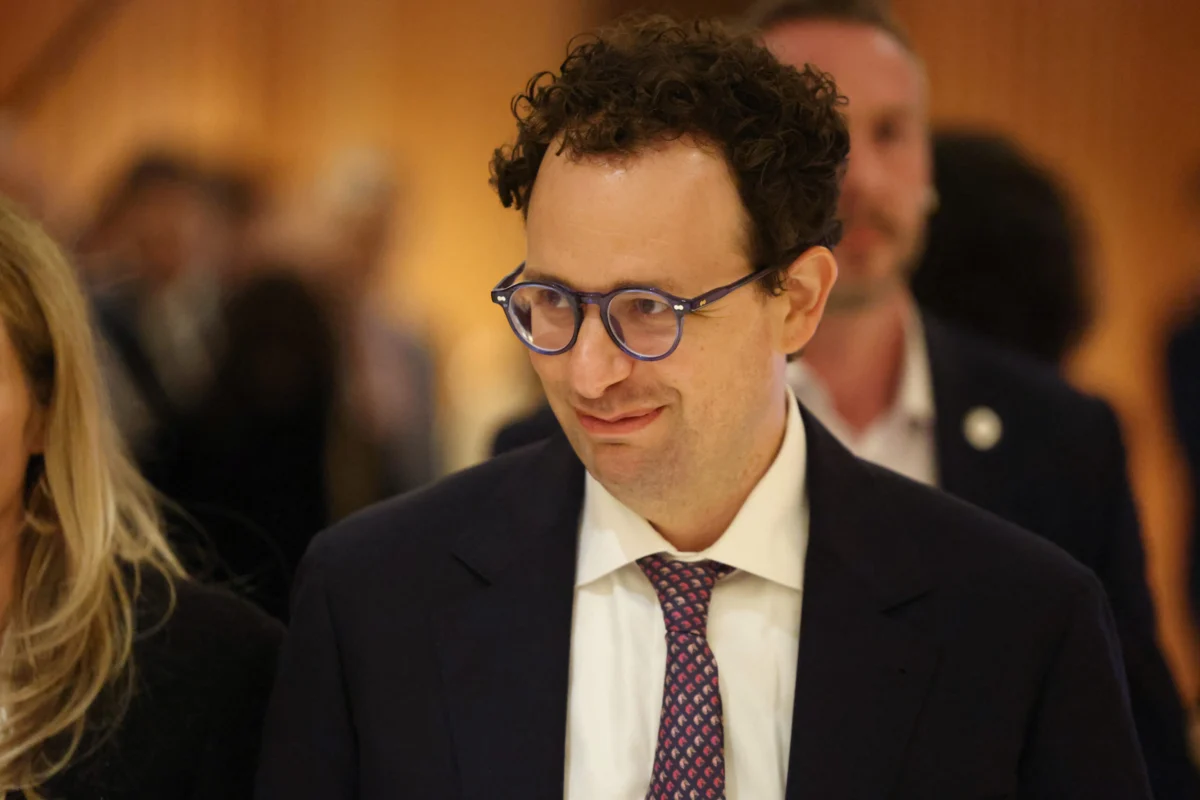
Yet, in June of last year, Pande made a move that stunned the industry: he walked away from the massive scale of a16z to co-found VZVC, an ultra-lean, highly concentrated firm alongside longtime investor Zach Werner. By ditching the traditional VC model of "spraying and praying" with dozens of bets, Pande is signaling a fundamental shift in how the next generation of medical breakthroughs will be funded and built.
The Chronology of a Paradigm Shift
To understand Pande’s current strategy, one must look at his trajectory. Twelve years ago, when Marc Andreessen and Ben Horowitz decided to break their self-imposed ban on healthcare and life sciences, they tapped Pande to lead the charge. At the time, the intersection of biology and computing was considered a fringe academic pursuit. Under Pande’s stewardship, that "fringe" practice grew into a nearly $4 billion fund.
However, the rapid growth of the sector created a misalignment for Pande. While the industry pushed for more capital and faster deployment, Pande began to see the limitations of traditional, expansive venture capital. In mid-2023, he exited a16z, choosing to trade institutional size for agility. VZVC is the result of that reflection. Unlike the sprawling infrastructure he left behind, VZVC operates with no associates, relying instead on proprietary AI agents to handle the daily grind of investment analysis. It is a "boutique" firm in an era of "mega-funds," focused on a handful of high-conviction, long-term bets rather than volume.
The Engineering of Biology: A New Frontier
Pande’s core philosophy—that biology is shifting from a science of discovery to a discipline of engineering—is the catalyst for his new firm.
"For a lot of the way drugs have been developed, there was very much a fortuitous aspect to it," Pande explains. "I think what’s shifted is that AI and machine learning allow computers to wrap their understanding around something very, very complicated."
This transition is critical because it addresses the "valley of death" in pharmaceutical development: clinical trials. Historically, the failure rate for drugs progressing from phase one to the conclusion of phase three is a staggering 80%. These failures aren’t usually due to flawed biological theory, but rather the reliance on animal models—like mice—which often fail to accurately predict how a human body will react to a compound.
"The AI model is not going to be perfect," Pande admits, "but it’s going to be way better than any animal model would be, and once it crosses that bar, that’s where it gets really exciting."
The Data Conundrum: Walled Gardens vs. Open Science
One of the most profound challenges in the AI-biotech revolution is the nature of data itself. Unlike the tech industry, where Large Language Models (LLMs) can scrape the entirety of the open internet to learn, biological data is siloed. It cannot be easily scraped; it is proprietary, hard-won in laboratories, and zealously guarded by pharmaceutical giants and startups alike.
This creates a paradox: how can we build the "Foundation Models" of biology if the data is trapped in walled gardens?
Pande believes the solution lies in a shift toward open-source biological foundation models. He draws a direct comparison to the trajectory of software engineering. "As they become more common, I think we’ll see the same thing that’s happened with open-source LLMs, which do very well against the corporate ones: open-source foundation models in biology having a very broad impact."
Solving the Silo Problem
The medical field is historically plagued by territoriality—oncologists, endocrinologists, and cardiologists often operate in bubbles, unaware of how a patient’s systemic data might intersect across specialties. Pande views AI as the great equalizer. By synthesizing data that a single human doctor couldn’t possibly aggregate, AI can act as a multi-disciplinary specialist, effectively simulating a room full of the world’s top experts analyzing a single patient’s case simultaneously.
Strategic Implications: Why Less is More
VZVC’s structure is a direct critique of the "growth-at-all-costs" venture model. By limiting themselves to roughly five investments per year, Pande and Werner are changing the nature of the investor-founder relationship.
"Adding a company at a typical fund is like adding a Facebook friend—that’s something you do pretty quickly," Pande notes. "For Zach and I, it’s more like wanting to have another child. This is a big deal for us."
The "Go-to-Market" Imperative
Despite his background as a scientist and academic, Pande has gained a sobering respect for the business side of biotech. He emphasizes that the most common mistake he sees among brilliant founders is an obsession with the technology while neglecting the commercial path.
"I tell my founders, especially the ones who are coming from the science or the product side… the go-to-market part is at least as hard or harder than the technology side."
This is why VZVC isn’t chasing "hot" rounds. Instead, they are positioning themselves as high-touch partners for founders who value longevity. Pande looks for "high integrity" individuals—people who are interested in a 5-to-10-year horizon rather than a quick exit. He isn’t interested in beating competitors; he is interested in "winning together."
The Hype Check: Where Reality Diverges from Marketing
As with any sector experiencing a gold rush, AI-biotech is not without its share of hyperbole. Pande is quick to temper expectations regarding the "AI will cure everything" narrative.
"The thing that always gets tricky is when there’s this call that AI is going to cure everything," he says. "The reason for hesitance there is not because of any doubt about AI—it’s about doubt of the data. When the data is simply not there, then AI can’t magically solve that problem."
Pande’s skepticism is his greatest asset. By focusing on AI for healthcare delivery and clinical trial optimization, he is targeting areas where data does exist and where the impact is tangible.
Conclusion: A Blueprint for the Future
Vijay Pande’s transition from the massive machinery of a16z to the precision of VZVC serves as a bellwether for the venture capital industry. We are entering a phase where the "spray and pray" model is no longer sufficient to navigate the complexities of modern, AI-driven biology.
Instead, the future belongs to those who understand that in a world of proprietary data, the most valuable commodity is not just capital, but deep, long-term, and highly focused expertise. By choosing to work with fewer founders, leveraging AI to manage operations, and insisting on the primacy of go-to-market strategy, Pande is not just changing his business model—he is setting a new standard for how we translate the promise of artificial intelligence into the reality of human health.
As the lines between code and chemistry continue to blur, Pande’s "concentrated" approach may prove to be the most effective way to engineer the future of medicine.