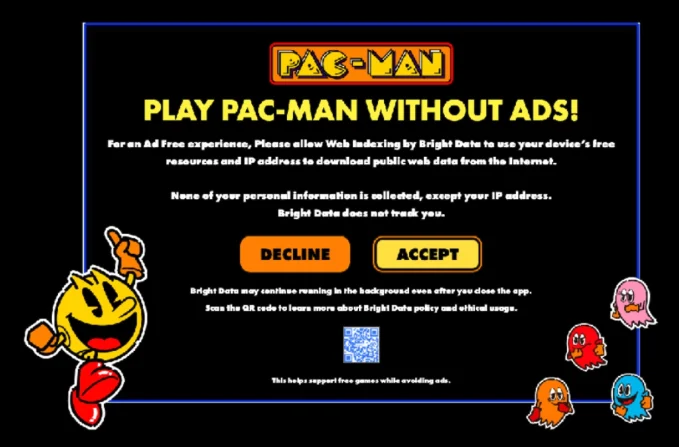
In a significant shift regarding consumer privacy and device security, LG Electronics USA has announced a sweeping initiative to scrub its webOS platform of applications that transform household televisions into residential proxy nodes. This decision follows a cascade of security research highlighting the extent to which smart devices are being quietly co-opted into global data-scraping networks, often without the explicit, long-term understanding of the end-user.
The crackdown, confirmed this week by LG leadership, targets software development kits (SDKs) that allow unknown third parties to route internet traffic through a consumer’s home IP address. While the move is being hailed as a win for digital privacy, it underscores a growing tension between the monetization of "Internet of Things" (IoT) devices and the fundamental security of the home network.
The Anatomy of the Proxy Problem
At the heart of the controversy is a business model that treats the smart TV not just as an entertainment console, but as a valuable piece of networking infrastructure. Residential proxy providers, such as Bright Data, offer services that allow businesses and researchers to mask their web traffic behind real, residential IP addresses. By routing traffic through a "peer" device—such as a smart TV—these companies can bypass geo-blocking, conduct market research, or scrape data from websites that might otherwise flag or block corporate data-center traffic.
For app developers, the incentive is clear: integrating these SDKs into a simple game, screensaver, or utility app provides a consistent, passive revenue stream. However, for the consumer, the trade-off is often obscured. Users are frequently presented with a one-time "opt-in" prompt, often buried in dense Terms of Service agreements, that authorizes the device to function as an always-on gateway for third-party traffic.
Chronology of the Investigation
The current regulatory pressure on LG and other manufacturers originated from a July 2026 investigation conducted by the security firm Spur. The research, which sent shockwaves through the consumer electronics industry, quantified for the first time the prevalence of these proxy SDKs.
- Early July 2026: Researchers at Spur publish an in-depth analysis of the webOS and Tizen (Samsung) application ecosystems. The data reveals that 42% of apps on the LG webOS store contained code that turned the device into a residential proxy node.
- Mid-July 2026: Following the report, media outlets, including KrebsOnSecurity, begin questioning major manufacturers about their vetting processes and their knowledge of these proxy components.
- July 22, 2026: LG Electronics USA formally responds, stating it is actively working with developers to excise these SDKs from the platform. The company sets a clear ultimatum: remove the functionality or face total suspension from the webOS store.
- Late July 2026: Industry analysts begin looking at the broader implications, noting that while LG has taken a public stance, the prevalence of these SDKs remains a "persistent design flaw" in the smart device market.
Supporting Data: The Scale of the Intrusion
The statistics provided by Spur paint a concerning picture of the modern smart home. By auditing apps available for download on major smart TV platforms, researchers discovered that these proxy components are not relegated to obscure or "shady" applications. Instead, they are found in common, everyday software.
Prevalence by Platform
- LG (webOS): 42% of reviewed applications contained residential proxy SDKs.
- Samsung (Tizen OS): Over 25% of reviewed applications contained similar components.
These figures represent a significant portion of the app store ecosystem. The apps affected range from basic file managers and utility tools to recreational software like versions of Pac-Man. In many instances, the app offers the user a binary choice: watch advertisements or allow the television to be used as a proxy node. This "monetization by proxy" model forces users to choose between intrusive ads and the potential security risks associated with hosting unknown internet traffic on their home network.
Official Responses and Corporate Stance
The LG Perspective
LG Senior Vice President John Taylor, speaking on behalf of the company, emphasized that residential proxy networks do not align with the intended utility of their products.
"A residential proxy network is not an intended use for LG smart TVs," Taylor stated in an email. "LG Electronics is working with developers to remove the residential proxy option from their apps on the webOS platform. If this option is not removed, these apps will be suspended."

Taylor confirmed that a platform-wide review is currently underway. Moving forward, the company intends to harden its developer submission guidelines to prevent these SDKs from entering the app store in the first place, citing a commitment to "platform quality and user experience."
The Proxy Provider Defense
Bright Data, identified by Spur as one of the primary providers of these SDKs, defended its business model in a statement provided to KrebsOnSecurity. The company maintains that its network is predicated on user consent and strict oversight.
"Every peer opts in through a dedicated screen and receives value in return," the company noted. Bright Data further highlighted that their practices have undergone independent audits by firms like PwC and that they employ "know-your-customer" (KYC) processes to ensure that their clients are not utilizing the network for malicious purposes. They argue that they incorporate technological countermeasures to prevent proxy users from accessing other devices on a customer’s local area network (LAN), thereby mitigating the risk of lateral movement.
Implications: The Security of the Smart Home
While proxy providers argue that their services are legitimate, security experts like Trevor Sutter of Spur remain unconvinced that the current model is sustainable or safe.
1. The Myth of "Informed Consent"
The primary criticism leveled by security researchers is that a single, one-time consent prompt is insufficient. Smart TVs are communal devices. A parent might consent to a proxy agreement, but a minor child or a guest may be the primary user of the device. There is no ongoing transparency regarding when the device is acting as a node, nor is there a simple, centralized dashboard for users to revoke consent once it has been granted.
2. The Burden of Audit
Most consumers do not possess the technical expertise to monitor their TV’s outbound traffic. When a device is acting as a proxy, it is essentially leasing the home’s network identity. If a third party uses that node to perform illegal activity—such as bypassing security filters for hacking or harassment—the digital "fingerprint" left behind belongs to the homeowner’s IP address.
3. Emerging Conflicts of Interest
The timing of LG’s announcement is complicated by broader concerns regarding their software ecosystem. Concurrent with the proxy controversy, the YouTube channel Gamers Nexus revealed that certain LG LCD monitors were automatically installing promotional software for McAfee antivirus via Windows Update without user intervention. This has led to broader public skepticism regarding LG’s commitment to "clean" software environments, with critics suggesting that the company is struggling to balance consumer trust with the pursuit of third-party partnership revenue.
Conclusion: A Turning Point for IoT?
The decision by LG to purge proxy SDKs is a rare and welcome instance of a hardware manufacturer taking responsibility for the software ecosystem they host. However, it also highlights a critical vulnerability in the modern smart home: the lack of standardized security protocols for IoT devices.
As homes become increasingly saturated with "smart" appliances, the industry must decide whether these devices are meant to be tools for the user or conduits for third-party data monetization. Until there is greater transparency, platform-level oversight, and a rejection of "monetization at any cost," the smart TV will remain a potential liability in the home network. LG’s move is a step in the right direction, but as the industry continues to innovate, the onus will remain on both the manufacturer and the consumer to ensure that the convenience of a connected home does not come at the expense of its security.