WASHINGTON — In a strategic move designed to modernize the defense industrial base and accelerate the pace of innovation, the U.S. Department of Defense (DoD) has announced the formal launch of the “Secure Space Network.” This ambitious initiative seeks to dismantle one of the most persistent bottlenecks in the military procurement ecosystem: the lack of accessible, certified facilities for handling classified data.
By deploying approximately 50 new Sensitive Compartmented Information Facilities (SCIFs) across the United States, the Pentagon aims to democratize access to classified defense work, effectively inviting a broader range of small businesses and non-traditional contractors into the fold.
The Core Objective: Lowering the Barrier to Entry
For years, the "classified gap" has served as an unintended gatekeeper in the defense sector. Small, agile technology companies often possess the exact hardware or software solutions the Pentagon requires, yet they are frequently disqualified from bidding on high-level projects because they lack the physical infrastructure to handle top-secret briefings or sensitive data.
A SCIF is not merely a secure room; it is a fortress of information security. According to the National Institute of Standards and Technology (NIST), a SCIF is a facility accredited to meet rigorous Director of National Intelligence (DNI) standards, designed to prevent physical forced entry, acoustic eavesdropping, and electronic espionage.
Building such a facility is an expensive, time-consuming, and highly bureaucratic process. For a startup or a mid-sized engineering firm, the capital expenditure required to achieve SCIF certification can be prohibitive. The Secure Space Network is the Pentagon’s answer to this market failure, functioning as a "work-share" model for national security.
A Chronology of the Initiative
The development of the Secure Space Network did not emerge in a vacuum. It represents the culmination of a multi-year effort to identify vulnerabilities in the U.S. industrial base.
- 2021–2022: The Office of the Under Secretary of Defense for Acquisition and Sustainment (A&S) began formal assessments of the "valley of death"—the gap between prototype development and full-scale procurement. Feedback from industry roundtables consistently highlighted the lack of SCIF space as a primary impediment.
- Early 2023: The DoD prioritized "Industrial Base Resilience" in its budget planning, recognizing that global threats require a surge capacity that the current, limited footprint of secure facilities cannot support.
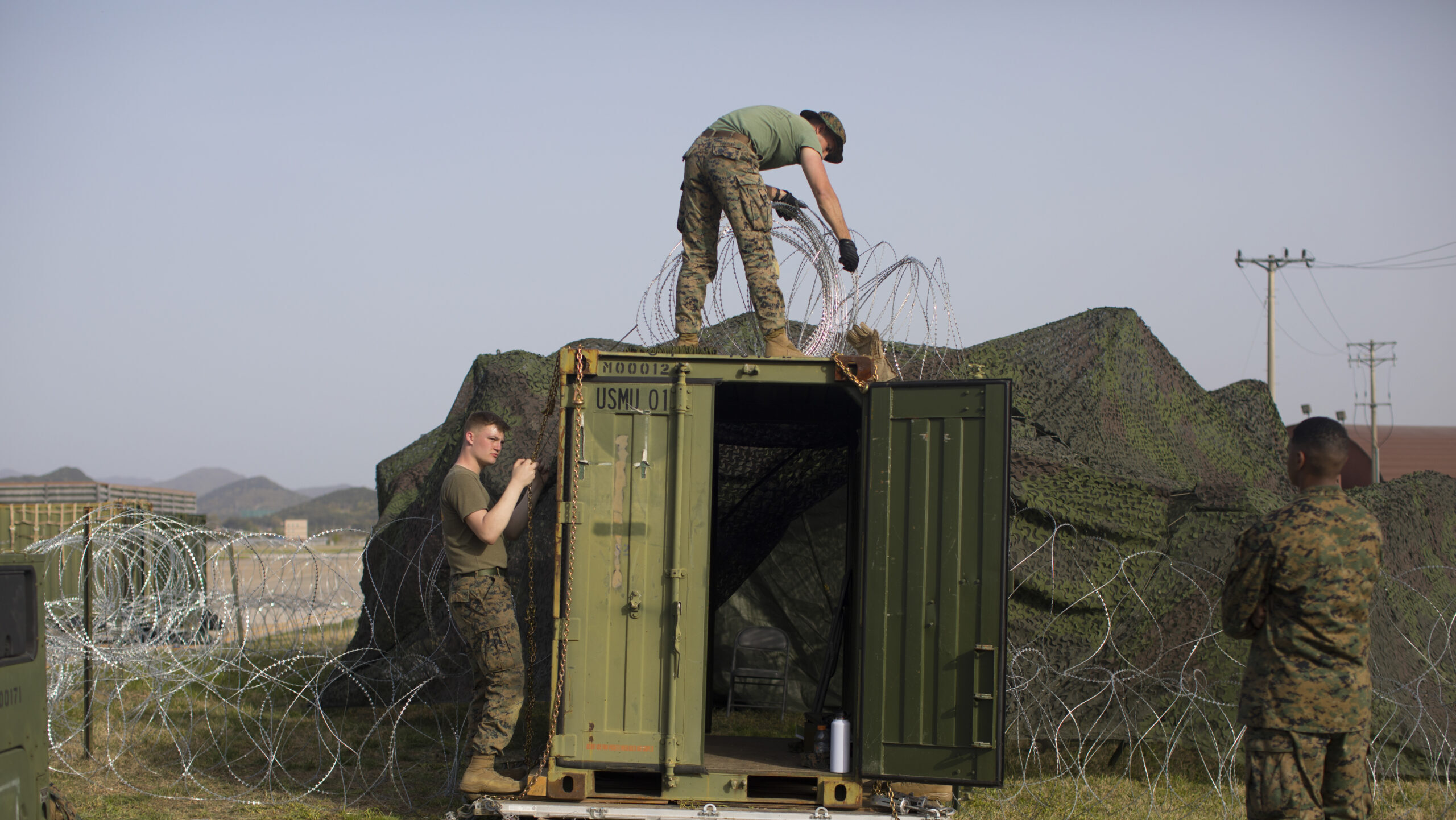
- April 2023: Tactical experiments, such as those conducted by Marine Aircraft Group 12 in South Korea, demonstrated that temporary, modular SCIFs could be deployed effectively in field conditions, proving the viability of scalable secure workspaces.
- Late 2025 – Early 2026: Planning phases for the Secure Space Network finalized, focusing on "repeatable capability" designs that allow for standardized, rapid construction.
- September 2026: The official announcement of the network, marking the beginning of the procurement process for the 50 initial facilities.
Supporting Data and Strategic Rationale
The Pentagon’s decision to move forward with the Secure Space Network is supported by a growing body of evidence suggesting that the traditional defense industrial base is too brittle to handle the rapid technological shifts necessitated by modern great-power competition.
The Geography of Security
The network will not be confined to traditional military bases. Instead, the DoD plans to place these facilities in "mission-relevant" locations, including sites near APEX Accelerators—programs designed to assist businesses in navigating government contracting—and regional technology hubs. This geographic distribution is intentional; it allows the Pentagon to "fish where the fish are," bringing secure infrastructure to the innovation clusters of Silicon Valley, the Research Triangle, and the burgeoning defense tech corridors of the Midwest.
Scalable Production Capacity
The program is built around the concept of "modular accreditation." By utilizing pre-approved designs for the facilities, the Pentagon expects to reduce the time from groundbreaking to operational status significantly. This "surge" capacity is critical. Should a national emergency arise, the network is designed to be expanded rapidly, ensuring that contractors can pivot their workforces to classified tasks without waiting years for new facility construction.
Official Responses and Strategic Intent
James R. Mismash, the Deputy Assistant Secretary of War for Industrial Base Growth and Director of the Office of Small Business Programs, framed the announcement as a necessity for modern warfare.
"We must make it easier for capable companies to contribute at every level of the mission," Mismash stated during the announcement. "Industry has identified access to classified environments as a major barrier, and the Secure Space Network directly addresses that challenge by opening the door to classified work for more companies."
Mismash emphasized that the program is not just about real estate; it is about human capital. "With strong partnership across the agency and support from Congress, this effort will strengthen our supplier base and help deliver the capabilities our warfighters need faster and at greater scale," he added.
Despite the optimism, some industry analysts have pointed out the ambiguity surrounding the program. The Pentagon’s initial disclosure was noticeably lean on specifics, failing to disclose the exact square footage of the planned facilities, the total budget allocation, or the specific timeline for completion. This lack of transparency has led some in the contracting community to call for a more granular roadmap, particularly regarding how companies will apply for access to these facilities once they are operational.
Implications for the Defense Industrial Base
The implications of the Secure Space Network are profound, touching upon both national security strategy and the economics of defense contracting.
1. Disrupting the "Big Five" Monopoly
Historically, the defense market has been dominated by a handful of prime contractors that possess the internal infrastructure to handle classified projects. By providing "plug-and-play" SCIF access, the DoD is effectively lowering the barrier to entry for smaller, innovative firms. This creates a more competitive marketplace, which theoretically drives down costs and incentivizes incumbents to innovate more rapidly.
2. Enhancing Resilience
The "surge" capability of the network is a direct response to lessons learned from the COVID-19 pandemic and recent supply chain disruptions. By creating a decentralized network of secure workspaces, the Pentagon is building a more resilient infrastructure that is less susceptible to localized failures or single-point-of-failure vulnerabilities.
3. The Shift to "Defense-Tech"
The network signals a broader shift in how the Pentagon views technology. The DoD is no longer waiting for major primes to develop solutions; it is actively creating the environment necessary for non-traditional players to collaborate. This cultural shift, if successful, could see a surge in dual-use technologies—products designed for both commercial and military application—finding their way into the hands of warfighters.
Challenges Ahead: Security and Logistics
While the promise of the Secure Space Network is significant, the execution will be fraught with challenges. Managing physical security across 50 disparate, off-base locations creates a massive logistical and counter-intelligence burden.
Furthermore, the accreditation process for SCIFs is notoriously stringent. Maintaining the "chain of custody" for classified information across a network of facilities managed by varying third-party contractors will require a new tier of cybersecurity and physical oversight. The DoD will need to reconcile the ease of access with the reality that these facilities will be high-value targets for foreign intelligence services.
Conclusion
The Secure Space Network is a bold experiment in industrial policy. By investing in the "connective tissue" of the defense industry—the secure physical space required to do the work—the Pentagon is attempting to bridge the gap between its urgent need for modern technology and the reality of its rigid, legacy procurement systems.
As the program moves from announcement to implementation, the eyes of the defense industry will be fixed on the rollout. If successful, the network will not only increase the volume of classified work being performed across the country but will also signal a fundamental transformation in how the U.S. military engages with the private sector. The race for technological superiority is on, and the Pentagon has decided that the best way to win it is to bring its contractors inside the wire.