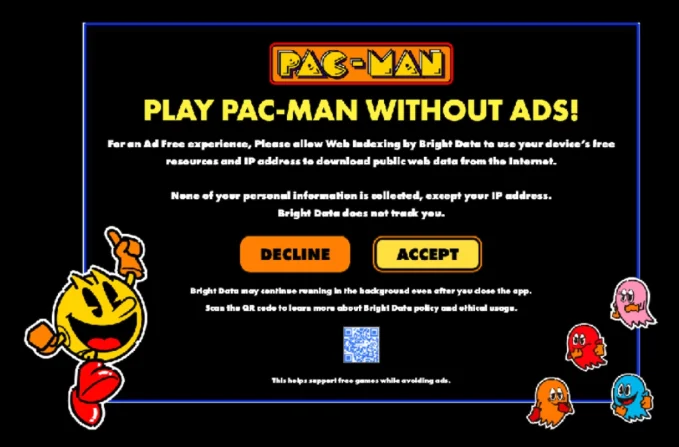
In a significant shift regarding consumer privacy and device security, LG Electronics USA has announced a sweeping initiative to scrub its webOS platform of applications that transform household smart televisions into "always-on" residential proxy nodes. This decision follows a startling industry revelation that a vast percentage of applications available on LG’s app store were effectively turning consumer hardware into tools for third-party traffic routing without sufficient user awareness.
The crackdown, confirmed this week by LG leadership, marks a pivotal moment in the ongoing battle between device manufacturers and third-party software developers who seek to monetize the idle bandwidth and IP addresses of everyday household devices.
The Genesis of the Crisis: Unmasking the Proxy SDKs
The issue first gained widespread attention in early July 2026, when security researchers at the firm Spur released a technical analysis detailing the prevalence of residential proxy software development kits (SDKs) embedded within smart TV applications. The findings were sobering: more than 42 percent of the applications available for download on LG’s webOS platform contained code that enabled the device to function as a residential proxy node.
A residential proxy node allows a third party to route their internet traffic through a home’s IP address. To the outside world, the traffic appears to originate from a residential household rather than a data center, making it highly valuable for web scraping, ad verification, and bypassing geo-blocking restrictions.
While proxy networks have long existed, the "smart-ification" of home appliances has created a new, massive, and largely unvetted pool of IP addresses. The Spur research highlighted that this trend was not limited to LG; more than a quarter of the applications developed for Samsung’s Tizen operating system were found to incorporate similar proxy components. From simple puzzle games—such as versions of Pac-Man—to screensavers and file management utilities, the infection was widespread, effectively turning living room entertainment systems into silent, background internet infrastructure.
Chronology of the Intervention
The timeline of this incident reflects a rapid escalation from discovery to corporate policy shifts:
- Early July 2026: Researchers at Spur publish their findings, documenting the high density of proxy SDKs in LG and Samsung smart TV apps. The report categorizes the trend as a significant, under-regulated privacy risk.
- Mid-July 2026: Public scrutiny intensifies as privacy advocates and tech media outlets begin questioning the ethical implications of "consensual" proxy participation on devices not designed for such complex networking tasks.
- Late July 2026: LG Electronics USA responds to inquiries from journalists, confirming that it is actively reviewing its app ecosystem.
- July 22, 2026: LG publicly formalizes its intent to suspend any applications that continue to use residential proxy SDKs, establishing a deadline for developers to strip the offending code or face expulsion from the webOS platform.
The Mechanics of Monetization
The inclusion of these SDKs is not a technical glitch; it is a business model. Developers, often struggling to monetize low-cost or free utility apps, have found a lucrative secondary revenue stream in residential proxy providers. These providers pay developers to integrate their SDKs, which then effectively "rent out" the user’s home internet connection to the provider’s clients.
In many instances, the "consent" mechanism is buried within the end-user license agreement (EULA) or presented as a vague toggle during the initial app setup. For the average consumer, the choice is often presented as a binary: either watch advertisements to play a game, or "opt-in" to the proxy network to remove them. This trade-off is often poorly understood by the end user, who rarely grasps that their TV is now acting as a gateway for anonymous, and potentially illicit, web traffic.
Official Responses and Corporate Stance
LG Electronics’ Commitment
John Taylor, Senior Vice President at LG Electronics, provided a firm stance on the company’s trajectory. "A residential proxy network is not an intended use for LG smart TVs," Taylor stated. "LG Electronics is working with developers to remove the residential proxy option from their apps on the webOS platform. If this option is not removed, these apps will be suspended."
Taylor emphasized that the company is currently engaged in a comprehensive audit of all applications on its platform. Beyond the immediate purge, LG is reportedly refining its developer submission guidelines to prevent similar SDKs from entering the ecosystem in the future. "As part of our ongoing efforts to enhance platform quality and the user experience, LG will continue to strengthen our evaluation process for developer-submitted apps," Taylor noted.

The Perspective of Proxy Providers
Bright Data, one of the primary providers identified in the Spur research, has defended its business model, arguing that it operates with transparency and strict ethical standards. In a statement, the company noted: "Every peer opts in through a dedicated screen and receives value in return; every customer is vetted, and our practices have now undergone a second independent audit by PwC."
Bright Data asserts that it maintains a rigorous "Know Your Customer" (KYC) process to ensure its services are used for legitimate purposes, such as competitive market research or data scraping. Furthermore, the company claims to employ technological safeguards designed to isolate proxy traffic from the user’s local network, theoretically preventing outsiders from accessing other connected devices within the home.
Implications for Consumer Security and Privacy
Despite the assurances from proxy providers, security researchers remain skeptical. The primary concern is not just the traffic routing itself, but the lack of transparency and the potential for abuse.
1. The Consent Deficit
Trevor Sutter, a lead researcher at Spur, has argued that the current model of "consent" is fundamentally flawed. "A one-time consent prompt buried in a TV app is not a substitute for meaningful transparency, ongoing control, and platform oversight," Sutter wrote. The complexity of smart home networks means that a single user—perhaps a minor or a guest—might click "Accept" on a prompt without understanding the security implications, effectively compromising the integrity of the entire household’s digital footprint.
2. Network Integrity
When a TV becomes a proxy node, it essentially acts as a middleman for potentially malicious traffic. If that traffic triggers security alerts or blacklists, it is the home user’s IP address—not the proxy provider’s—that faces the consequences. This can result in users being blocked from accessing certain websites or services, as their IP address is flagged for suspicious activity.
3. The "Unseen" Computer
The fundamental challenge is that consumers view their TVs as appliances, not as powerful, connected computers. This cognitive gap allows developers to deploy sophisticated networking code on devices that users are not equipped to monitor, update, or audit. Unlike a desktop PC, where a user might see suspicious background processes in a task manager, a smart TV offers almost no visibility into what the system is doing behind the scenes.
A Broader Pattern of Invasive Software?
The move by LG to clean up its app store comes at a time when the manufacturer is facing criticism on other fronts. Recently, the technology analysis channel Gamers Nexus highlighted an issue involving LG’s high-end LCD monitors. According to their findings, these monitors were automatically installing a McAfee antivirus promotional application via Windows Update, without explicit user consent.
This development has exacerbated concerns among privacy advocates that LG’s "platform quality" initiatives may be inconsistent. While the company is taking a commendable step in banning proxy SDKs, critics argue that the underlying philosophy—prioritizing partnerships and monetization over user autonomy—remains a systemic issue.
Whether this marks a genuine change in corporate culture or a reactive measure to bad press remains to be seen. What is clear, however, is that the era of the "dumb" appliance is over, and the battle for control over the home network is only just beginning. As smart TVs continue to serve as the hubs of our digital lives, manufacturers will face increasing pressure to treat them with the same security rigor as laptops and smartphones—or face the consequences of eroding consumer trust.