Introduction: A Technological Leap for British Agriculture
The landscape of British agriculture is undergoing a quiet, high-tech transformation. In West Sussex, a collaborative initiative known as the "Growing Sussex" programme has reached a significant milestone, integrating advanced private 5G connectivity with cutting-edge agritech to redefine livestock welfare. By partnering with Boldyn Networks and the specialist firm Pneumonitor, West Sussex County Council is providing local farmers with a transformative tool: near real-time, granular data on the environmental conditions within livestock pens.
As climate change introduces more frequent and severe heatwaves, the traditional methods of monitoring livestock—often reliant on manual inspection or static wall-mounted sensors—are proving insufficient. The new deployment utilizes 5G Reduced Capability (RedCap) technology to place sensors directly where animals live, offering a sophisticated early-warning system that promises to improve animal health, increase farm productivity, and bolster the long-term resilience of the rural economy.
The Core Innovation: Moving Beyond the Wall
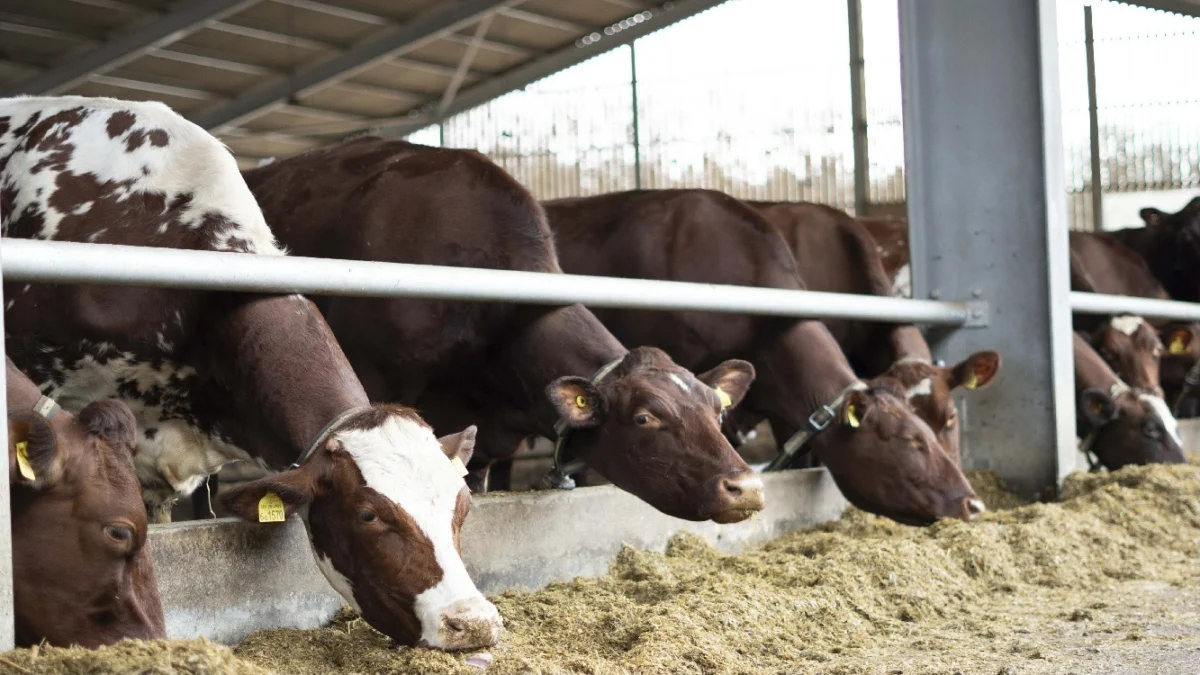
For decades, environmental monitoring in livestock housing has been limited by hardware constraints. Most existing sensors are fixed to the walls of a barn or shed, providing data that often fails to account for the micro-climates that develop within the pens themselves, where animals spend the vast majority of their time.
Pneumonitor’s breakthrough lies in its mobility and placement. By positioning sensors directly within the pen, the device captures the specific air quality, humidity, and temperature levels that directly affect the livestock. This "animal-centric" approach allows farmers to identify early signs of heat stress or poor air quality—factors that are well-known precursors to respiratory disease—long before they become visible to the human eye.
The Role of 5G RedCap
The deployment is underpinned by 5G RedCap (Reduced Capability), a technology specifically optimized for the Internet of Things (IoT). Unlike standard 5G, which provides high-speed throughput for bandwidth-heavy applications, RedCap is designed for efficiency. It offers lower power consumption, smaller battery requirements, and extended device longevity. For the agricultural sector, this is a game-changer: it enables the deployment of scalable, low-maintenance sensors across vast farm footprints without the need for frequent site visits to replace batteries or perform complex maintenance, effectively lowering the cost of entry for smart farming.
Chronology of the Growing Sussex Programme
The success of this deployment is not an isolated event but the result of a deliberate, multi-year strategy orchestrated by the West Sussex County Council.
- Initial Conception: Recognizing the vulnerability of local agriculture to extreme weather and economic shifts, the Council established the "Growing Sussex" programme. The mission was to bridge the gap between local government, technology providers, and the agricultural community to foster innovation.
- The 2024 Strategy: Early in 2024, West Sussex County Council and Boldyn Networks announced an ambitious roadmap to deploy four private 5G networks across the county. These sites were selected to serve as testbeds for high-potential agritech solutions.
- Implementation Phase: Throughout the remainder of 2024, infrastructure deployment teams worked to ensure that the necessary private 5G coverage reached the remote, often challenging terrain of rural farm sites.
- December 2025 Completion: The programme hit its primary milestone, with all four partner sites officially going live. The integration of Pneumonitor into this ecosystem serves as the latest successful expansion of the programme’s digital capabilities, marking the transition from infrastructure installation to tangible operational utility for farmers.
Supporting Data: Why Precision Matters
The urgency for this technology is driven by empirical data regarding climate trends in the UK. Recent years have seen record-breaking heatwaves that have tested the structural and environmental limits of traditional livestock housing.
The Cost of Thermal Stress
Livestock, particularly in high-density or enclosed environments, are highly susceptible to thermal stress. Research consistently shows that when temperatures exceed a specific threshold, animals exhibit:
- Reduced Feed Intake: As animals attempt to regulate their body temperature, appetite wanes, leading to lower weight gain and decreased yield.
- Increased Disease Susceptibility: Heat stress suppresses the immune system, making animals more prone to respiratory infections, which are common in poorly ventilated, overly humid environments.
- Mortality Risks: In extreme heat events, the window of time to act is narrow. By the time a farmer observes lethargy or physical distress, the animal may have already suffered irreversible health damage.
Pneumonitor’s system addresses these risks by providing data-backed, actionable insights. By monitoring the "heat load" building up in real-time, the system allows for proactive intervention—such as activating additional ventilation or adjusting stocking densities—before the health of the herd is compromised.
Official Responses: A Vision for the Future
The collaboration represents a rare alignment of public policy, private enterprise, and technical innovation.
Cllr Yvonne Gravely, Cabinet Member for Economy and Skills at West Sussex County Council, emphasized the economic and ethical imperative:
"Agriculture plays a vital role in West Sussex, but periods of extreme weather are creating new challenges for the sector. Through Growing Sussex, we’re helping growers and food producers use technology to better understand changing conditions, protect animal welfare and build resilience for the future. That’s good for local businesses, good for our rural economy and good for West Sussex."
Gearoid Collins, Commercial Director for Real Estate, Enterprise & Wind Farms at Boldyn Networks, highlighted the technical foundation:
"As the connectivity partner for Growing Sussex, we’re committed to helping shape a new era for agriculture. Connecting Pneumonitor through RedCap shows how private 5G can support practical agritech and provide the digital foundation for many more connected applications across the farming sector."
Isaac Orr, CEO of Pneumonitor, focused on the operational advantage:
"With heatwaves becoming more frequent, conditions inside livestock buildings can deteriorate faster than they can be spotted by eye… This project showed when heat load was building and what could be done before yields were affected. The connectivity behind the deployment now allows us to bring this monitoring to far more sites than before."
Implications for the Future of Farming
The "Growing Sussex" programme is set to have a ripple effect on the UK agricultural sector. Its success suggests several key implications for the future of British farming:
1. Scaling the "Smart Farm"
The use of private 5G networks removes one of the biggest barriers to entry for farmers: the lack of reliable connectivity. In many rural areas, public broadband or cellular coverage is inconsistent. By deploying private, high-capacity networks, the Growing Sussex programme demonstrates that connectivity can be treated as a utility, much like electricity or water, enabling a suite of other tools—from automated feeding systems to AI-powered health monitoring—to flourish.
2. Data-Driven Resilience
The transition from reactive to proactive management is perhaps the most significant shift. As agriculture faces increasing scrutiny regarding animal welfare standards, the ability to produce a "digital audit trail" of environmental conditions provides farmers with a layer of security. It demonstrates adherence to high welfare standards, which is increasingly vital for consumer trust and market access.
3. Strengthening the Rural Economy
By protecting livestock health and increasing yields, the programme directly supports the financial stability of the rural economy. In an era where many small-to-medium-sized farms face immense pressure from rising costs and unpredictable climate patterns, technological intervention serves as a necessary buffer, ensuring that local food production remains viable for the next generation.
Conclusion: A Model for Digital Transformation
The partnership between West Sussex County Council, Boldyn Networks, and Pneumonitor serves as a replicable blueprint for local authorities across the United Kingdom. By focusing on practical, scalable, and resilient technology, the "Growing Sussex" programme has moved beyond the theoretical promises of "Smart Farming" and into the practical reality of daily operations.
As the industry looks toward events like Connected Britain to debate the future of the digital economy, the lessons learned in the barns of West Sussex will be invaluable. The integration of 5G and IoT is no longer a futuristic vision; it is a current, operational necessity. Through continued investment in infrastructure and a commitment to collaborative innovation, British agriculture is proving that it can evolve to meet the challenges of the 21st century head-on, ensuring a more resilient, humane, and productive future for the sector.